


Demographics occupation education marital status expenditures income mobility




Try Before you Buy Download Free Sample Product
 Impress Your
 Audience
 100%
100% Editable
 Save Hours
 of Time


Even critical eyes appreciate our Demographics Occupation Education Marital Status Expenditures Income Mobility. They are bound to generate acclaim.
People who downloaded this PowerPoint presentation also viewed the following :
Demographics occupation education marital status expenditures income mobility with all 12 slides:
Our Demographics Occupation Education Marital Status Expenditures Income Mobility are guaranteed to generate all round appreciation. You will be hailed everywhere.
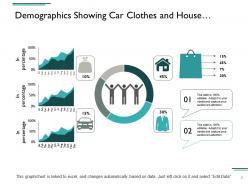
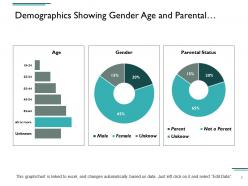
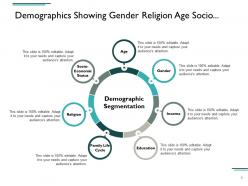
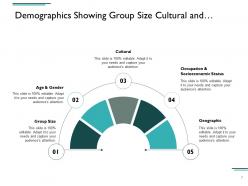

FAQs for Demographics occupation education marital status
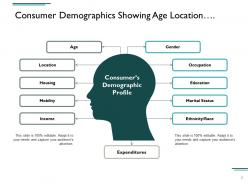
So there are three big ones researchers always use - income, education, and occupation. Income is basically household earnings and wealth stuff. Education looks at your highest degree. Job prestige and skill level fall under occupation. Honestly, these three cover like 90% of what you need to know about someone's social class. Some studies will add random things like what neighborhood you live in or if you own your house, but eh. If you're doing research or whatever, just pick at least two of these instead of relying on one. Way more accurate that way.
Yeah, it's wild how much your family's income affects your education. Rich kids get private schools, tutors, SAT prep - the whole nine yards. Meanwhile, kids from poor neighborhoods are stuck with schools that barely have updated textbooks. Parents with money also know how to work the system better, honestly. They've got time to research good schools and advocate for their kids. Plus the whole thing snowballs - early advantages mean better colleges later. If you're doing education work, start with the little kids. That's where you can actually make a dent in closing these gaps.
Okay so SES impacts health in crazy ways. Lower income means way more chronic diseases, mental health problems, and shorter lifespans. Healthcare access becomes impossible when you can't afford insurance or live somewhere with no doctors nearby. People literally choose between rent and medical appointments - it's wild. Your zip code basically predicts how healthy you'll be, which is messed up. Wealthier people get preventive care and better specialists. They know how to work the system too. Financial stress alone destroys your body over time. Something to think about when making health policies, honestly.
Yeah, money totally affects community involvement. Wealthier people vote more, volunteer, show up to meetings - mainly because they can actually afford to take time off work. Like, if you're juggling two jobs you're probably not making it to Tuesday night zoning hearings, right? Rich folks also have better connections that pull them into civic stuff. Meanwhile people struggling financially face real barriers - no car, no childcare, or they just feel like the whole system ignores them anyway. Honestly, if you're organizing anything, throw in some weekend options or virtual meetings. Makes a huge difference for working families.
Money stress is brutal for mental health, honestly. When you're constantly worried about rent or groceries, that anxiety just never stops. Healthcare becomes this luxury you can't afford - therapy? Forget about it. Even basic stuff like taking a sick day feels impossible when you're living paycheck to paycheck. The whole system is kinda rigged that way. If you're helping people in these situations, sliding-scale counseling services are lifesavers. Community centers sometimes have free support groups too. Oh, and food banks often know about other local resources that might help.
Man, growing up poor really messes kids up long-term. The stress literally rewires their brains - especially the parts handling memory and decision-making, which is wild when you think about it. These kids end up with worse grades, more health problems, and earn less as adults. Behavioral issues are way more common too. What gets me is how it just repeats itself generation after generation. But here's the thing - early intervention programs actually work. Schools can be huge in breaking that cycle if they focus on building up protective factors early on. It's not hopeless, you know?
Honestly, it's all about hitting the root problems instead of just patching things up. Progressive taxes help a ton, plus universal services like healthcare and education. Schools getting funded by property taxes is completely backwards - they should fund based on actual need. Minimum wage bumps matter too. But here's the thing that really gets me - we need policies that build ladders for people to climb, not just catch them when they fall. Investment in forgotten communities makes a huge difference. Housing programs, job training, the whole deal. It's messy work but that's how you actually move the needle.
Yeah, there's definitely a link between poverty and crime rates in cities - you see it pretty much everywhere. Poor areas with high unemployment and bad schools tend to have more break-ins, theft, that kind of stuff. Obviously being broke doesn't make you a criminal, but when people are desperate and don't have many legit options, some turn to illegal stuff. It gets complicated though - like, community programs and how cops handle things matters too. Also depends on whether neighbors actually look out for each other. If this is for work stuff, I'd focus more on fixing the economic problems than just throwing more police at it.
Your family's money situation totally changes what careers you can even consider. Rich kids get better schools, can do unpaid internships without starving, and their parents know people who hire. It's pretty messed up honestly. When you're broke, you're working through college instead of networking at career fairs. Plus some places just don't have good jobs - like, good luck finding tech work in a small farming town. The geography thing is real too. Bottom line: if you're in a position to help someone from a different background break in, do it.
Honestly, culture plays a huge role in how money and class actually work. Some families prioritize helping everyone out financially instead of building individual wealth. Others are laser-focused on education as the only way up. Language barriers make dealing with banks or schools way harder - it's wild how much that stuff matters. Different cultures also have totally different relationships with institutions. Like, some people grew up never trusting banks, you know? When you're looking at client situations or data, the cultural piece explains so much of what you're seeing. It's not just about income levels.
So basically, rich families get fast internet and new laptops while poor families are stuck with crappy connections or no internet at all. It's wild because everything requires internet now - kids doing homework, applying for jobs, doctor visits, even paying bills. Without decent access, people just keep falling behind economically. Honestly, it's pretty messed up how something so basic creates such a huge gap. If you're working on community stuff, pushing for cheaper internet programs and teaching people tech skills can actually make a real difference in breaking that cycle.
So housing quality basically shows where you stand financially, but it also shapes your future too. Good housing = better neighborhoods with decent schools for your kids. The health stuff is wild though - poor quality places still have lead paint and mold everywhere, which is honestly insane in 2024. Plus you end up paying more of your paycheck for crappy places anyway. Your wealth-building potential gets totally screwed over. Oh, and if you're digging into this topic, check out the research on housing stability and how kids do in school. The connection is pretty mind-blowing.
So government programs are like safety nets, right? Food stamps, housing help, Medicaid - they cover basics when money's tight. Here's the weird thing though: sometimes earning a bit more actually screws you over because you lose benefits worth way more than your raise. Makes zero sense honestly. But studies show these programs do help families get back on their feet eventually. My cousin dealt with this exact situation last year - super annoying. If you're researching this stuff, definitely check out those "benefit cliff" studies. They'll show you how broken the system can be.
Honestly, data storytelling works really well - mix hard stats with actual people's stories so it's not just numbers. Social media's your best bet, especially if you team up with local orgs who people already trust. Town halls are solid too, or maybe create some infographics for businesses around town. Educational workshops can work but they tend to feel lecture-y (been to a few that were... yikes). Privilege walks are interesting - they help people actually feel the inequality instead of just hearing about it. I'd say start with whatever feels most natural for your community and see what sticks.
So basically, when you don't have much money, healthy food becomes way harder to get. Fresh stuff costs more and goes bad faster than processed junk - which sucks but makes sense why people choose it. Transportation's another pain if you don't have a car. Good grocery stores avoid low-income neighborhoods while McDonald's is literally everywhere (kind of messed up honestly). Food insecurity isn't just about being hungry though. It means you can't reliably get nutritious food that actually keeps you healthy. The whole system's pretty backwards when you think about it.
No Reviews