


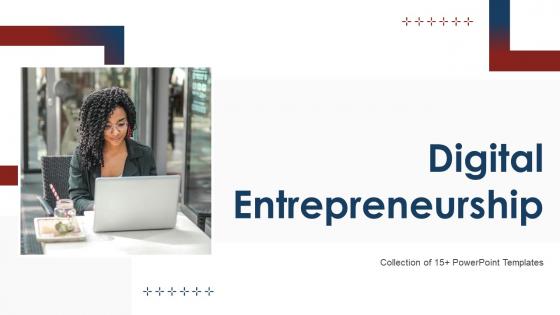
Digital Entrepreneurship Powerpoint PPT Template Bundles




Try Before you Buy Download Free Sample Product
 Impress Your
 Audience
 100%
100% Editable
 Save Hours
 of Time


Our Digital Entrepreneurship Powerpoint PPT Template Bundles are topically designed to provide an attractive backdrop to any subject. Use them to look like a presentation pro.
People who downloaded this PowerPoint presentation also viewed the following :
Content of this Powerpoint Presentation
Slide 1: This slide introduces Digital Entrepreneurship. State your company name and begin.
Slide 2: This slide shows Steps to run digital business entrepreneurship.
Slide 3: This slide presents Factors to consider in starting digital entrepreneurship.
Slide 4: This slide displays Checklist to drive growth in digital entrepreneurship.
Slide 5: This slide represents Solutions to overcome digital entrepreneurship challenges.
Slide 6: This slide showcases Scaling and growth strategies for digital entrepreneurship.
Slide 7: This slide shows Revenue streams for successful digital entrepreneurship.
Slide 8: This slide presents Comparative analysis of digital tools for entrepreneurship.
Slide 9: This slide displays Training need assessment for digital entrepreneurship.
Slide 10: This slide represents Legal issues impact on digital entrepreneurship.
Slide 11: This slide showcases Digital marketing strategies to avoid entrepreneurship bottlenecks.
Slide 12: This slide shows Best practices for emerging digital entrepreneurship.
Slide 13: This slide presents Factors affecting digital entrepreneurship in startup phase.
Slide 14: This slide displays Customer segments of digital entrepreneurship project.
Slide 15: This slide represents Expenses involved in digital entrepreneurship project.
Slide 16: This slide showcases Emerging trends in digital entrepreneurship for business growth.
Slide 17: This slide shows Online innovative business ventures for digital entrepreneurship.
Slide 18: This slide presents Home décor and housewares product offerings.
Slide 19: This slide represents Digital entrepreneurship icon for global reach.
Slide 20: This slide showcases Digital entrepreneurship icon for environmental sustainability.
Slide 21: This slide shows Digital entrepreneurship icon for community building.
Slide 22: This is a Thank You slide with address, contact numbers and email address.
Digital Entrepreneurship Powerpoint PPT Template Bundles with all 30 slides:
Use our Digital Entrepreneurship Powerpoint PPT Template Bundles to effectively help you save your valuable time. They are readymade to fit into any presentation structure.










FAQs for Digital Entrepreneurship Powerpoint
Dude, you've gotta be ready to pivot fast when your idea isn't hitting. I've watched so many people stick with their original plan while customers are basically telling them it sucks. Track your numbers obsessively - not just gut feelings. Get comfortable with all the digital stuff and automation too, because that's just how things work now. Oh, and think customer-first instead of falling in love with your product. The people crushing it? They're scrappy. Test small before going big. Seriously, if you're not measuring key metrics yet, start today - most entrepreneurs skip this and it shows.
Pick like 1-2 platforms max where your people actually are. Don't spread yourself thin - I've watched so many founders crash and burn trying to post everywhere daily. Be real about your journey instead of posting perfect corporate stuff. Behind-the-scenes content always hits different because people smell authenticity from miles away. Actually respond to comments and jump into conversations in your space. Honestly? Start with 3 posts a week, see what sticks, then do more of that. Consistency beats perfection every time, even if your content isn't Instagram-worthy yet.
Dude, think of data analytics like GPS for your business. You'll see where customers actually hang out, not where you think they should be. Track what marketing channels convert and catch trends early. Honestly, flying blind is just dumb when you don't have to. The data shows you what products to build and which features get ignored. Plus you'll know exactly when to pivot. I'd start simple though - maybe pick 2-3 metrics that actually move the revenue needle. Don't overcomplicate it at first, just focus on what pays the bills.
Dude, biggest mistakes I see? People build stuff nobody actually wants - like, they'll spend months perfecting some feature without talking to a single customer first. Don't try doing everything solo either, you'll burn out fast. Also skip the expensive tools early on, most are just shiny distractions honestly. Marketing starts day one, not after you launch. The boring legal/tax stuff matters too (learned that one the hard way). Start small, get real feedback early, and focus on one thing instead of chasing every random opportunity that pops up.
Look at who's actually buying your stuff first - check Google Analytics, social media insights, maybe send out some surveys. Facebook Audience Insights is pretty clutch for this, honestly. Find patterns in age, behavior, what problems they're dealing with. Then create 2-3 solid buyer personas from those segments. Oh, and definitely test your content on different platforms where each group spends time. B2B folks live on LinkedIn, younger people are all over Instagram. Focus on one segment first though. Get that messaging right before you spread yourself too thin with the others.
Honestly, just solve actual problems people have - that's what gets them to take action. Hook them first, then give real value through stories or useful tips. I do this weird test where I ask myself if I'd genuinely share the content (sounds dumb but it works). Be direct with your messaging and throw in visuals so it's not just a wall of text. One call-to-action only - don't confuse people with ten different asks. Try videos, carousels, whatever... see what hits. Watch your metrics like a hawk and do more of what's actually working.
Oh man, time management as a digital entrepreneur is brutal if you don't have a system. I batch everything - like doing all my social media stuff in one chunk instead of constantly checking notifications (which honestly just kills productivity). Most people I know swear by tools like Notion or Asana to keep their projects organized. You've gotta set boundaries though, because the internet literally never stops and you'll go insane. Automate the repetitive crap - email sequences, scheduled posts, basic customer replies. Track your time for a week first. Then figure out what you can batch together or just cut entirely.
AI and ML are absolute game-changers right now - automating everything and making customer experiences way more personal. Blockchain's still creating wild new business models (crypto's been a rollercoaster though). AR/VR have solid potential for immersive shopping, but yeah the metaverse hype definitely died down. IoT keeps growing into literally everything smart, and 5G finally makes real-time apps actually work properly. Quantum computing's super early stage but could be huge for complex problems. Honestly? Just pick whatever fits your industry best and start messing around with it now instead of overthinking it.
Honestly? Just be real about everything - the good stuff and when things go sideways. Nobody wants another highlight reel. Share the messy behind-the-scenes moments, talk about what's actually challenging you right now. I learned this the hard way, but people connect way more when you're human about failures too. Pick maybe 2 platforms (don't spread yourself thin) and just show up consistently with genuine stories or tips from what you're living through. Oh, and start small - what's one real thing that happened this week you could share?
Automation is your best friend here - Zapier, chatbots, email sequences, all that stuff. Don't build from scratch when you can just go where your people already are (seriously saves your sanity). Put your energy into things that actually make money and hire freelancers for everything else instead of employees. Partnership deals and affiliate programs are clutch for getting exposure without dropping cash upfront. Oh, and track your customer acquisition costs from day one. Trust me, you'll want to know which channels are worth it and which ones are just burning money for no reason.
So basically, digital businesses run on tech and online platforms instead of needing physical stores or meeting customers face-to-face. Way cheaper to start too - no rent, inventory, or hiring people right away. You can literally reach customers worldwide from your laptop, which is pretty crazy when you think about it. Traditional businesses usually need a physical location and all that overhead stuff. Oh, and with digital you get instant data on what's working and what's not. Traditional companies have to guess more. If you're considering starting something, I'd honestly test it online first - it's the quickest way to see if your idea actually works without dropping tons of money.
Oh man, starting a digital business? Get your LLC or corp set up first - you definitely want that liability protection. Trademark your brand name too, and maybe look into patents if you're building something actually unique. Privacy laws are such a pain now but you can't skip them - GDPR, state laws, all that stuff means you need legit privacy policies. Industry regulations depend on what you're doing obviously. If you're hiring people, employment law gets messy fast. Honestly just find a good tech lawyer upfront. Sounds expensive but trust me, it's nothing compared to legal drama later.
Look for businesses that serve your same customers but don't compete directly - web designers teaming up with copywriters, that kind of thing. Don't jump straight into partnership mode though. I've watched so many people crash and burn doing that. Actually engage with their stuff first and build a real relationship. Cross-promotion works great, or you could bundle services together. Revenue splits can get messy if you don't hash out the details upfront - learned that one the hard way. Start with something small to see how you work together first.
Honestly, customer feedback is like your north star for everything - product tweaks, marketing moves, the whole thing. What you think customers want vs. what they actually want? Yeah, those rarely match up. Digital customers are brutal too - they'll bounce to your competitor in literally two seconds if something's off. The cool part is you can grab feedback everywhere now: reviews, social posts, surveys, even just watching how people use your site. Oh and actually do something with what they tell you - I've seen so many companies collect feedback then just... ignore it? Wild. Ask for it constantly and fix the stuff that keeps coming up.
Honestly, forget trying to be perfect - just keep learning and stay flexible. I follow a bunch of entrepreneurs on Twitter (way better than LinkedIn for real insights) plus listen to podcasts during workouts. The trick isn't just reading about trends though. Actually test stuff quickly when you hear about it. Small experiments beat huge bets every time. If your data shows something's not working, pivot fast. I learned this the hard way - spent way too long on a strategy that clearly wasn't hitting. Your speed matters way more than having everything figured out from day one.
-
I’m not a design person, so I couldn’t make a presentation to save my life. Thankfully, they have all kinds of templates that I regularly use for my work.
-
No second thoughts when I’m looking for excellent templates. SlideTeam is definitely my go-to website for well-designed slides.