

Diversity Equity And Inclusion Powerpoint Ppt Template Bundles




Try Before you Buy Download Free Sample Product
 Impress Your
 Audience
 100%
100% Editable
 Save Hours
 of Time


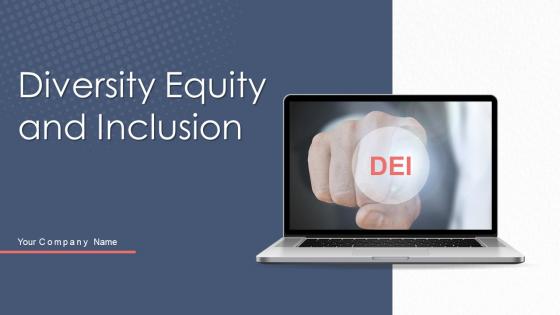
Our Diversity Equity And Inclusion Powerpoint Ppt Template Bundles are topically designed to provide an attractive backdrop to any subject. Use them to look like a presentation pro.
People who downloaded this PowerPoint presentation also viewed the following :
Diversity Equity And Inclusion Powerpoint Ppt Template Bundles with all 16 slides:
Use our Diversity Equity And Inclusion Powerpoint Ppt Template Bundles to effectively help you save your valuable time. They are readymade to fit into any presentation structure.
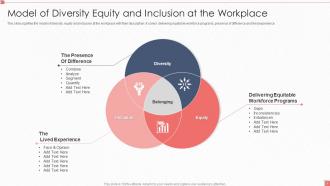
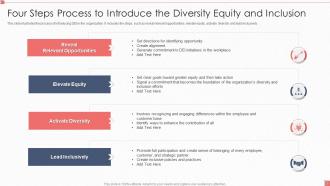
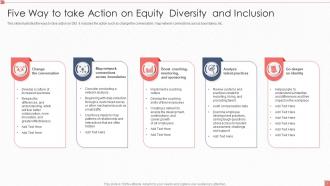
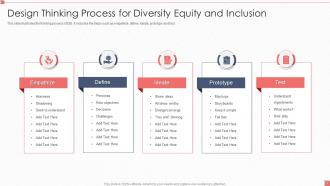





FAQs for Diversity Equity And Inclusion Powerpoint
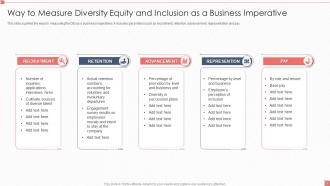
DEI stands for diversity, equity, and inclusion. Diversity means having people from different backgrounds - race, gender, age, disabilities, you name it. Equity's about removing barriers so everyone can actually succeed, not just get through the door. Then there's inclusion, which is honestly the trickiest part - making sure your workplace culture doesn't suck and people feel like they can be themselves. You can hire all the diverse candidates you want, but if the environment's toxic, what's the point? All three pieces have to work together or you're basically just going through the motions.
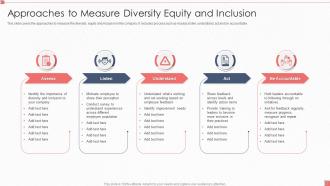
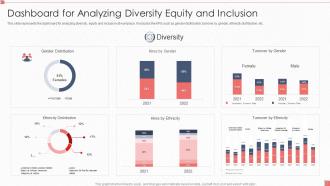
Honestly, you need both the hard numbers and the softer stuff. Track your hiring/promotion/retention rates by demographics - that's your baseline. Engagement surveys help too, especially questions about belonging. Exit interviews are clutch because people finally tell the truth when they're walking out the door lol. But here's the thing - data only gets you so far. Focus groups and listening sessions show you what's really happening day-to-day. Some companies do monthly pulse checks which seems like overkill but whatever works. Main thing is being consistent with measurement and actually doing something with the feedback instead of letting it collect dust.
Look, it really starts with your managers - they set the whole vibe. If they're not walking the walk on inclusion, your team won't either. They need to actually call out bias and listen to different viewpoints, not just pretend to care. I've watched so many diversity programs crash and burn because leadership just checked boxes instead of doing the real work. The good ones make hard calls about hiring and promotions while creating spaces where people feel safe speaking up. Honestly? Hold them accountable first. Ask what they're actually *doing* beyond the usual corporate speak.
Honestly, it's pretty simple - when you mix up your team with different backgrounds and experiences, people attack problems from totally different angles. Like, someone who grew up in a small town might see something completely different than someone from the city, you know? Plus you avoid that whole groupthink thing where everyone just agrees with the first decent idea. Different cultural contexts and work backgrounds = way more creative solutions. I've seen teams get way too comfortable with their usual approach. Try switching up who's in your brainstorming sessions and you'll probably be surprised how the conversations change.
First thing - ditch words like "rockstar" and "ninja" from job posts. They're cringey and people hate them. Cast a wider net by posting on different job boards, not just LinkedIn. I'd say that's honestly half the work right there. For interviews, ask everyone the same questions and get diverse people on your panel. Blind resume reviews work well too - look at skills first, then worry about where they went to school. The trick is baking this stuff into your process early instead of scrambling to fix it later.
Look, skip the one-day bias workshops - they're pretty useless tbh. You want ongoing training that's actually interactive. Set up clear processes for hiring and promotions so people can't just go with their "gut" (which is usually where bias sneaks in). Make sure your team feels safe calling out problematic stuff when they see it. Those pulse surveys are clutch for tracking whether people actually feel valued. Oh, and this needs to be built into your systems, not just wishful thinking. Can't rely on good intentions alone to fix this mess.
Honestly, ERGs are total game-changers for diversity stuff. Your underrepresented employees finally get a real voice, plus built-in mentorship opportunities. Leadership actually starts hearing what's going on instead of being clueless. The retention numbers speak for themselves - companies with solid ERGs see way better engagement and promotion rates for diverse talent. They're constantly pushing for policy changes that matter. My cousin's company started one last year and the culture shift has been insane. If yours doesn't have them yet, definitely bug leadership about proper funding. These things need real support to work.
Honestly, AI resume screening is a game-changer - it looks at actual skills instead of getting hung up on names or where someone went to school. Analytics help you spot diversity gaps you'd totally miss otherwise. Some places are doing VR empathy training which sounds kinda gimmicky but apparently works? Anonymous feedback tools are clutch for letting quieter voices speak up in meetings. Don't just buy random tech though. Figure out where bias is sneaking into your process first, then find tools that actually fix those specific problems. Way more effective that way.
Ugh, so many places mess this up. Biggest thing is people resist change hard, plus leadership often won't actually commit long-term - they just want quick wins. Most orgs totally underestimate the time and money it takes too. Like, way more than they think initially. Honestly, the worst is when companies treat it like checking boxes instead of real culture shifts. Measuring progress gets tricky, and momentum dies after the first few months. Skip the one-off trainings - they're pretty useless. Instead, figure out your biggest gaps first, then build DEI right into how you actually operate day-to-day.
Honestly, one-off workshops are pretty useless - people forget everything within days. Regular training actually sticks because it builds skills gradually and keeps DEI conversations happening naturally. Plus it shows your team leadership isn't just going through the motions, you know? The trick is making sessions interactive and tied to real workplace scenarios so people can use what they learn immediately. It helps tackle unconscious bias too, which... let's be real, we all have. Creates a shared vocabulary around inclusion that makes those conversations way less awkward.
Honestly, start with regular pay audits - just crunch the numbers by demographics to catch gaps early. Set up actual salary bands and clear promotion criteria instead of letting managers wing it based on vibes (which never ends well). Always post salary ranges in job listings, and make your interview panels diverse. Oh, and track promotion rates quarterly across different groups - that data will surprise you. The biggest thing though? Train managers on unconscious bias. Good intentions don't magically create fair outcomes, unfortunately.
So intersectionality basically means you can't just tick off diversity boxes separately - people deal with multiple identities at once, right? Your DEI approach needs to tackle those overlapping disadvantages together. Systemic inequalities are the real deep-rooted barriers that make those surface fixes totally pointless. I mean, slapping diverse faces on your website doesn't fix anything! You've gotta look at hiring, promotions, leadership development - the whole culture thing. Design solutions that get how race, gender, class, disability all stack up together. Honestly, start by figuring out where these barriers actually overlap in your workplace specifically.
Honestly, communication makes or breaks DEI transparency. People can spot fake corporate speak instantly - you've gotta be real about your goals AND your failures. Share actual numbers regularly, not just the pretty wins. I've seen so many companies announce big initiatives then just... disappear? Don't do that. Set up those regular check-ins and actually show up for them. Consistency is everything here. Oh, and skip the jargon - just tell people what you're doing and how it's going. Even when it's messy.
Honestly, the biggest thing is making sure you're actually empowering people, not just parading them around as poster children. Real inclusion means listening to diverse voices in meetings and acting on their ideas - not just trotting them out for company events once a year. Give people genuine opportunities to advance and celebrate their wins because they earned them. Tokenism is basically using someone as a checkbox, which sucks for everyone involved. I'd audit what you're doing now and ask yourself: are we actually giving these folks a seat at the table, or just making them stand there looking diverse?
Honestly, you need multiple ways for people to give feedback - some are more comfortable with anonymous surveys, others prefer talking face-to-face. Try quarterly pulse surveys but ask specific stuff about inclusion, not just "rate your experience 1-10" garbage. Focus groups are solid because people open up more in small groups. Skip-level meetings can catch issues that never make it up the chain otherwise. But here's the thing - sometimes the best intel comes from just... regular conversations? Like, if your managers actually listen during their normal check-ins instead of just going through the motions. The whole point is giving people options so they can share however feels safest.
-
Designs have enough space to add content.
-
My search for complete decks ended with SlideTeam. Such a surplus collection of HD PowerPoints. Moreover, their standard and widescreen formats have helped me in delivering bullseye presentations.