

Employee Counselling Powerpoint Ppt Template Bundles
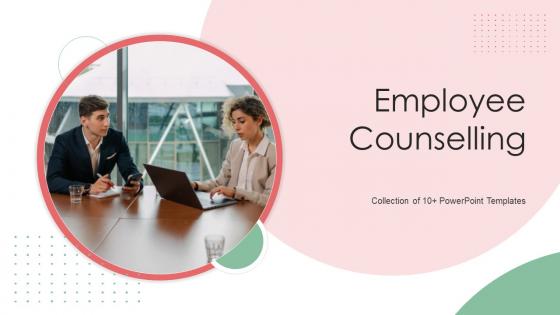




Try Before you Buy Download Free Sample Product
 Impress Your
 Audience
 100%
100% Editable
 Save Hours
 of Time


Our Employee Counselling Powerpoint Ppt Template Bundles are topically designed to provide an attractive backdrop to any subject. Use them to look like a presentation pro.
People who downloaded this PowerPoint presentation also viewed the following :
Employee Counselling Powerpoint Ppt Template Bundles with all 31 slides:
Use our Employee Counselling Powerpoint Ppt Template Bundles to effectively help you save your valuable time. They are readymade to fit into any presentation structure.







FAQs for Employee Counselling Powerpoint
Effective employee counselling sessions include active listening, clear goal setting, confidential communication, structured problem-solving frameworks, and documented action plans. These components work together by creating trust, identifying specific performance or personal issues, and establishing measurable improvement steps, with many organizations finding that consistent application ultimately enhances employee retention and workplace productivity.
Managers can identify employees needing counselling through observable changes in performance, attendance patterns, workplace behavior, interpersonal relationships, and emotional well-being indicators. These warning signs enable proactive intervention by monitoring productivity declines, increased absenteeism, and social withdrawal, with many organizations finding that early identification ultimately delivers better employee outcomes and maintains team cohesion.
Confidentiality serves as the cornerstone of effective employee counselling, creating a safe environment where employees can openly discuss personal challenges, workplace conflicts, and mental health concerns without fear of professional repercussions. This trust-building foundation enables counsellors to deliver more targeted support while ensuring compliance with privacy regulations, ultimately fostering stronger employee engagement and organizational loyalty.
Organizations can create counselling-friendly cultures by normalizing mental health discussions, training managers to recognize stress signals, providing confidential access to professional services, and demonstrating leadership support through open communication. By implementing employee assistance programs, wellness initiatives, and regular check-ins, companies reduce stigma while enhancing workplace trust, ultimately delivering improved productivity, reduced turnover, and stronger employee engagement across all organizational levels.
Common employee counselling issues include workplace stress, interpersonal conflicts, performance anxiety, work-life balance struggles, and career development concerns. These challenges often manifest across industries, with healthcare workers facing burnout, retail employees dealing with customer stress, and corporate teams navigating communication breakdowns, ultimately requiring targeted support to maintain productivity and employee retention.
Employee counselling contributes to workplace mental health by providing confidential support, early intervention for stress-related issues, and professional guidance for personal challenges. Through structured counselling programs, organizations enhance employee resilience, reduce absenteeism, and create psychologically safer work environments, with many companies finding that proactive mental health support ultimately delivers improved productivity and stronger team cohesion.
**INPUT**: What training should managers undergo to provide effective counselling? **OUTPUT**: Effective counselling training for managers should include active listening techniques, conflict resolution strategies, emotional intelligence development, communication skills enhancement, and understanding of workplace mental health indicators. These competencies enable managers to support team members through performance challenges, personal difficulties, and career transitions, while maintaining professional boundaries and knowing when to refer employees to specialized HR resources or external counselling services, ultimately fostering a more supportive workplace culture. [Word count: 60 words]
Cultural differences significantly impact employee counselling approaches through varying communication styles, power dynamics, attitudes toward mental health, and preferred intervention methods. Organizations increasingly adopt culturally responsive counselling frameworks that incorporate diverse perspectives, language considerations, and traditional healing practices, with many multinational companies finding that tailored approaches enhance employee engagement and therapeutic outcomes.
Employee counselling program effectiveness can be measured through employee satisfaction scores, retention rates, absenteeism reduction, productivity metrics, and mental health assessment improvements. These measurement approaches enable organizations to track tangible outcomes like reduced turnover costs, enhanced workplace morale, and improved performance indicators, with many companies finding that comprehensive tracking ultimately delivers stronger employee engagement and measurable return on counselling investments.
Technology enhances counselling accessibility through virtual therapy platforms, AI-powered chatbots, mobile mental health apps, scheduling automation, and secure communication tools. These digital solutions streamline service delivery by eliminating geographical barriers, providing 24/7 support capabilities, and enabling real-time progress tracking, with many healthcare organizations finding that integrated platforms ultimately deliver faster interventions and improved employee engagement.
Strategies include leadership modeling vulnerability, integrating counselling into standard benefits communication, providing anonymous access options, sharing success stories from diverse employees, and training managers as supportive allies. These approaches work by normalizing mental health conversations, emphasizing prevention over crisis intervention, and positioning counselling as professional development, ultimately creating cultures where seeking support demonstrates strength rather than weakness.
**INPUT**: How often should employees be encouraged to engage in counselling sessions? **OUTPUT**: Employee counselling frequency should be tailored to individual needs, organizational culture, and available resources, with many companies offering monthly check-ins, quarterly wellness sessions, or on-demand access through employee assistance programs. This flexible approach enables organizations to address diverse mental health needs while maintaining productivity, with sectors like healthcare, finance, and high-stress manufacturing finding that regular touchpoints ultimately enhance employee retention and workplace satisfaction. [Word count: 60 words]
**INPUT**: What resources can organisations provide to support employees outside formal counselling? **OUTPUT**: Organizations can provide mental health apps, peer support networks, flexible work arrangements, wellness programs, and comprehensive employee assistance programs. These resources enhance workplace wellbeing by offering accessible support channels, reducing stress through work-life balance initiatives, and creating supportive environments, with many companies finding that strategic wellness investments ultimately deliver improved productivity and employee retention. **Word count: 54 words**
**INPUT**: How can follow-up be effectively managed after counselling sessions? **OUTPUT**: Effective follow-up involves scheduling regular check-ins, documenting progress against agreed goals, monitoring behavioral changes, and adjusting support strategies based on outcomes. Through structured tracking systems, managers can ensure sustained improvement, address emerging challenges, and reinforce positive changes, with many organizations finding that consistent follow-up significantly enhances counselling effectiveness and employee engagement. [Word count: 54 words]
Employee assistance programs integrate with counselling services by providing confidential access to mental health professionals, offering both in-person and virtual therapy sessions, and connecting employees with specialized resources for personal or work-related challenges. Through strategic partnerships with licensed counsellors and mental health platforms, organizations streamline support delivery while maintaining privacy, ultimately enhancing employee wellbeing and reducing absenteeism across various workplace environments.
-
The content is very helpful from business point of view.
-
“Superb. What a great finding. Thankful for SlideTeam. We were paying people to make slides which went all in vain. We are so happy to have found you.”