


Employee Grievances Powerpoint Ppt Template Bundles




Try Before you Buy Download Free Sample Product
 Impress Your
 Audience
 100%
100% Editable
 Save Hours
 of Time


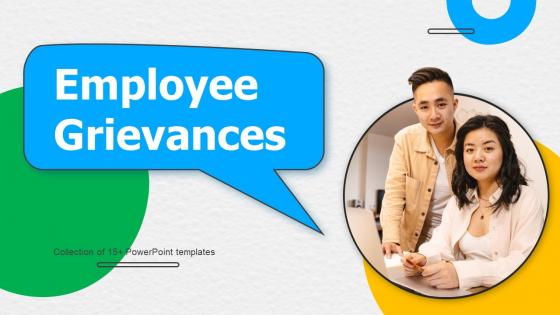
Introducing our Employee Grievances PowerPoint PPT presentation, a comprehensive guide to fostering a harmonious and productive work environment. Address Individual Staff Grievances with expert strategies, promoting open communication and trust within your organization. Unlock the art of Effective Employee Grievance Handling, equipping your HR team with the skills to empathetically and efficiently address employee concerns.Discover the power of Staff Grievance Redressal, as this presentation guides you through a structured approach to resolve issues and prevent escalations. Empower your organization with an efficient Employee Grievance Resolution Process, ensuring fair and timely resolutions to foster employee satisfaction and retention. With visually impactful slides and expert insights, this PPT empowers your team to create a positive workplace culture. Enhance employee well being and organizational success with our Employee Grievances presentation. Get it now and create a happier and more engaged workforce.
People who downloaded this PowerPoint presentation also viewed the following :
Employee Grievances Powerpoint Ppt Template Bundles with all 25 slides:
Use our Employee Grievances Powerpoint Ppt Template Bundles to effectively help you save your valuable time. They are readymade to fit into any presentation structure.
















FAQs for Employee Grievances Powerpoint
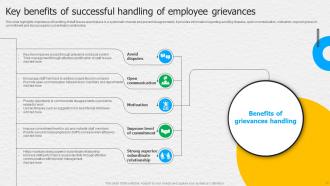
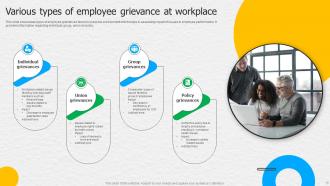
Common employee grievances include unfair compensation practices, lack of career advancement opportunities, poor management communication, workplace harassment or discrimination, and inadequate work-life balance policies. These issues often stem from inconsistent policy application, insufficient feedback mechanisms, and unclear performance expectations, with many organizations finding that proactive grievance management systems significantly reduce turnover while enhancing overall workplace satisfaction and productivity.
Organizations can effectively create grievance policies by establishing clear reporting procedures, ensuring confidentiality protections, defining realistic timelines, and providing multiple escalation pathways. These frameworks streamline resolution processes by promoting transparency, reducing workplace tensions, and building employee trust, with many companies finding that comprehensive policies ultimately enhance retention rates and organizational culture while minimizing legal risks.
Company culture significantly influences employee grievance frequency by shaping communication standards, management practices, fairness perceptions, and conflict resolution approaches. Organizations with transparent, respectful cultures experience fewer grievances, while those with poor communication or inconsistent policies see increased complaints, with many companies finding that proactive cultural investments ultimately reduce workplace conflicts and enhance employee satisfaction.
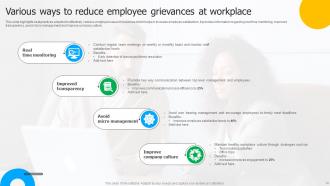
Management can encourage open grievance reporting by establishing anonymous reporting systems, implementing clear anti-retaliation policies, training supervisors on respectful conflict resolution, and maintaining transparent investigation processes. These approaches create psychological safety by demonstrating consistent protection for employees, with many organizations finding that regular feedback sessions and ombudsman programs ultimately enhance workplace trust and reduce turnover significantly.
Promptly addressing employee grievances enhances workplace morale, reduces turnover costs, prevents legal complications, and maintains operational productivity. Organizations that respond quickly to concerns streamline conflict resolution, build stronger employee trust, and create more positive work environments, with many companies finding that proactive grievance management ultimately delivers improved retention rates and competitive advantage in talent acquisition.
Technology streamlines grievance reporting through digital platforms, automated workflows, mobile applications, AI-powered categorization, and real-time tracking systems. These solutions enable employees to submit complaints confidentially and efficiently, while HR departments can prioritize cases, maintain comprehensive documentation, and ensure faster resolution times, ultimately delivering improved workplace satisfaction and organizational transparency.
Managers need training in active listening techniques, conflict resolution strategies, documentation protocols, legal compliance requirements, and emotional intelligence skills. These competencies enable leaders to address workplace concerns objectively, maintain employee trust, and minimize escalation risks, with many organizations finding that well-trained managers resolve grievances faster while strengthening team morale.
Organizations measure grievance resolution effectiveness through key metrics including resolution timeframes, employee satisfaction scores, repeat complaint rates, process completion percentages, and outcome fairness assessments. These measurements enable companies to identify bottlenecks, enhance procedural transparency, and streamline resolution workflows, with many finding that systematic tracking ultimately delivers improved employee trust and reduced workplace conflicts.
Companies should be aware of discrimination lawsuits, wrongful termination claims, workplace harassment violations, retaliation penalties, and labor relations disputes when handling employee grievances. These legal risks present both compliance challenges and opportunities for stronger policies, with many organizations finding that proactive grievance management systems streamline resolution processes, minimize litigation costs, and ultimately deliver better workplace cultures while protecting against regulatory penalties.
Employee feedback contributes to preventing future grievances by identifying potential issues early, improving communication channels, and addressing systemic problems before they escalate. Through regular surveys, suggestion boxes, and open-door policies, organizations can proactively resolve concerns, enhance workplace culture, and build trust, ultimately reducing formal complaints and creating more positive employee experiences.
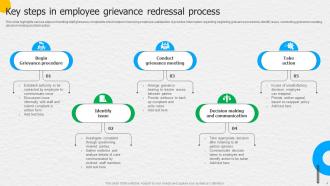
Best practices for investigating employee grievances include establishing clear timelines, maintaining strict confidentiality, gathering comprehensive evidence, conducting impartial interviews with all parties, and documenting every step thoroughly. These approaches streamline resolution processes by ensuring transparency, protecting legal compliance, and preserving workplace relationships, with many organizations finding that systematic investigations ultimately deliver faster outcomes and enhanced employee trust.
Mediation resolves employee disputes by providing a neutral third-party facilitator who guides structured conversations, encourages active listening, and helps parties identify mutually acceptable solutions. This collaborative approach enables organizations to address workplace conflicts more efficiently than traditional disciplinary processes, while preserving working relationships and reducing the costs associated with formal grievance procedures or potential litigation.
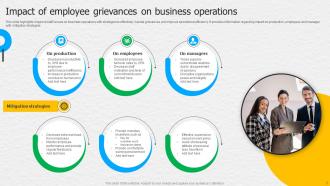
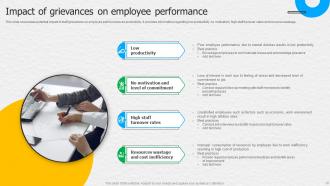
Unresolved grievances significantly damage employee morale, increase turnover rates, reduce productivity, and create toxic workplace environments that spread beyond the initial complainant. These issues ultimately cost organizations through higher recruitment expenses, lost institutional knowledge, decreased team performance, and potential legal liabilities, with many companies finding that proactive grievance resolution delivers stronger retention and competitive advantage.
HR professionals support management by providing structured grievance procedures, conducting impartial investigations, offering mediation services, and ensuring legal compliance throughout the resolution process. Through comprehensive documentation, training managers on conflict resolution techniques, and facilitating open communication channels, HR teams enable faster issue resolution, improved workplace relationships, and reduced legal risks, ultimately delivering enhanced employee satisfaction and organizational stability.
Employees can access external resources including labor unions, employee assistance programs, ombudsman services, human resources consultants, and regulatory agencies like the EEOC. These support systems enhance workplace transparency by providing independent advocacy, legal guidance, and mediation services, with many organizations finding that comprehensive grievance resources ultimately strengthen employee trust and organizational accountability.
-
Impressive templates. Designing a presentation is fun now!
-
Extremely professional slides with attractive designs. I especially appreciate how easily they can be modified and come in different colors, shapes, and sizes!