Employee Onboarding Powerpoint Ppt Template Bundles

Rating:
80%
Slide 1 of 16

or

Favourites Favourites

Try Before you Buy Download Free Sample Product

Audience Impress Your
Audience
Editable 100%
Editable
Time Save Hours
of Time
The Biggest Sale is ending soon in
0
0
:
0
0
:
0
0
Rating:
80%
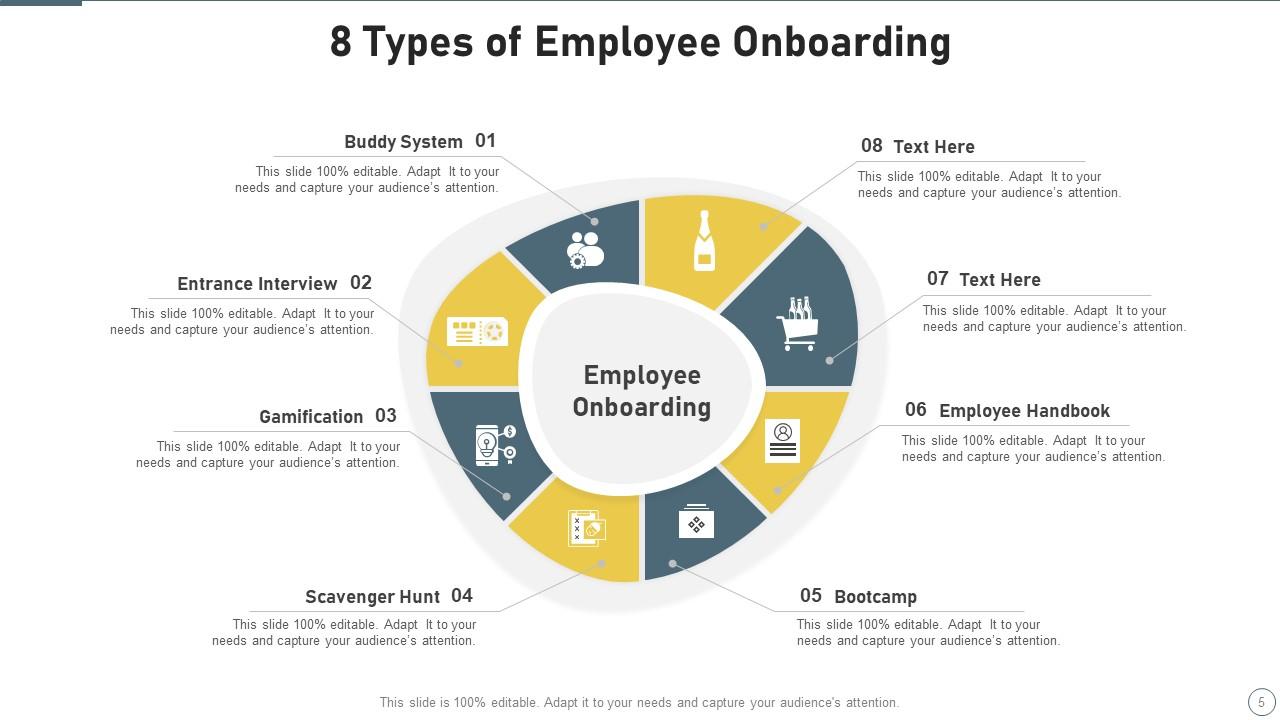
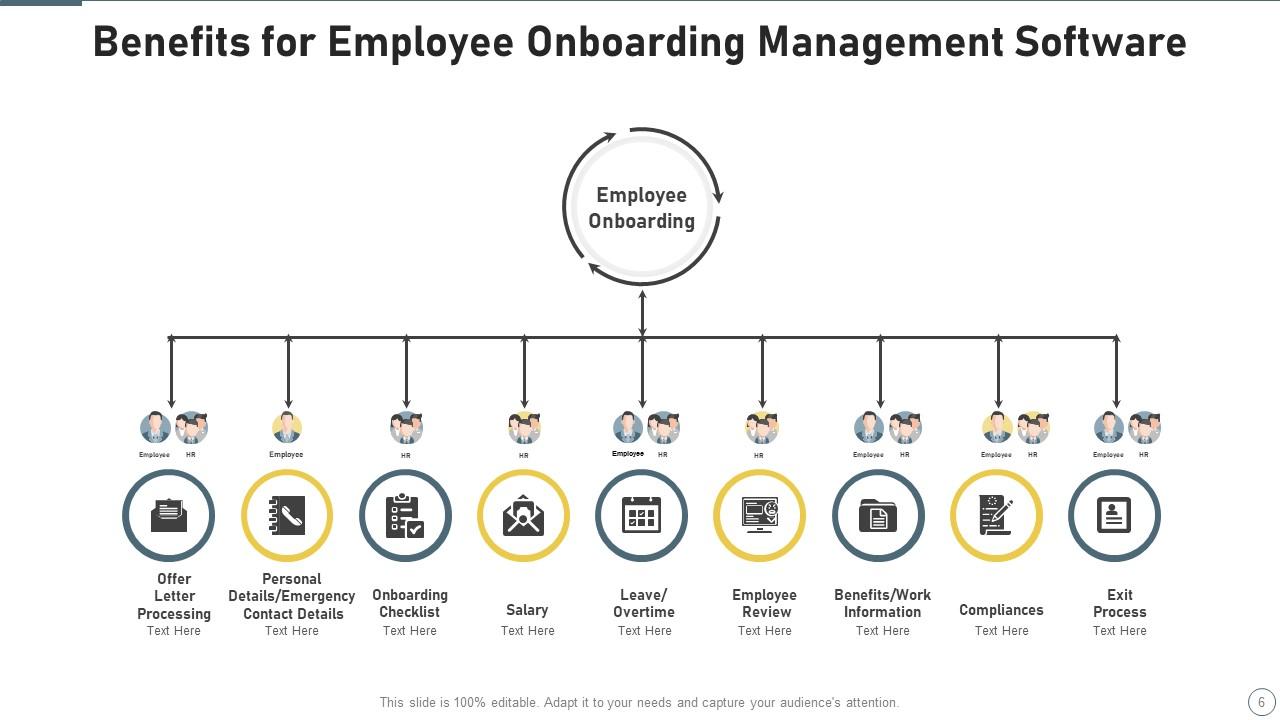
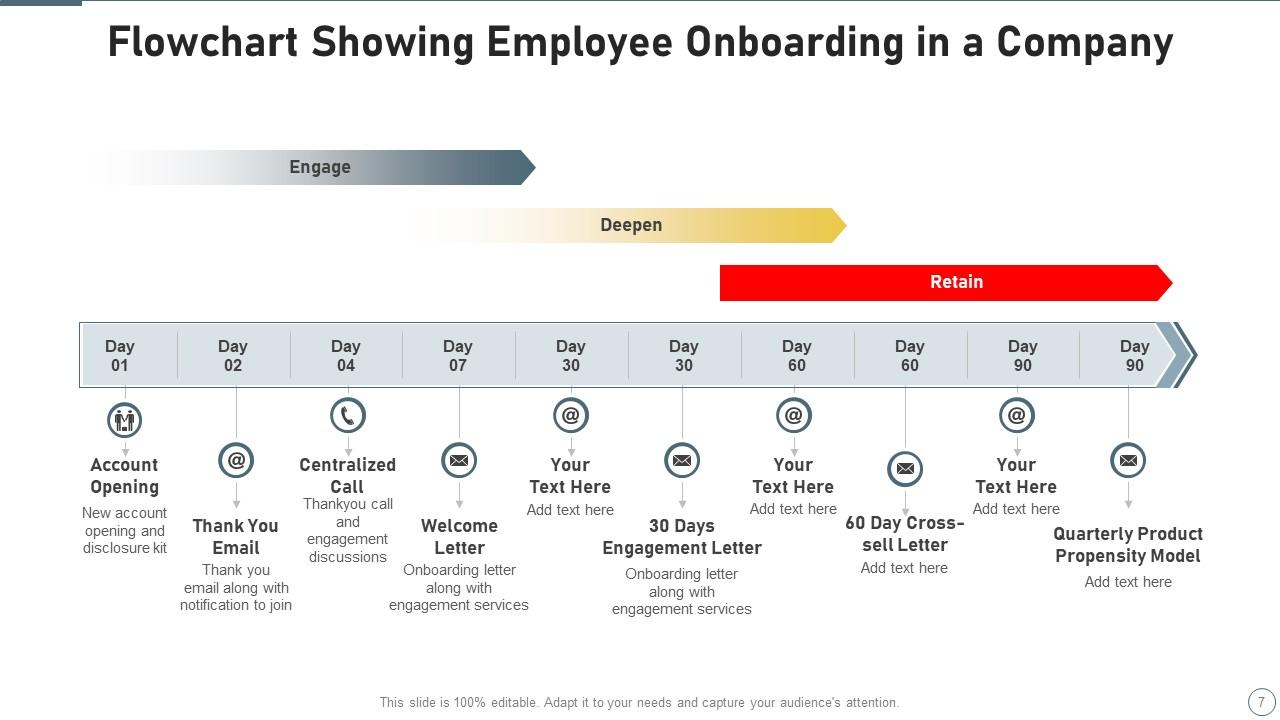
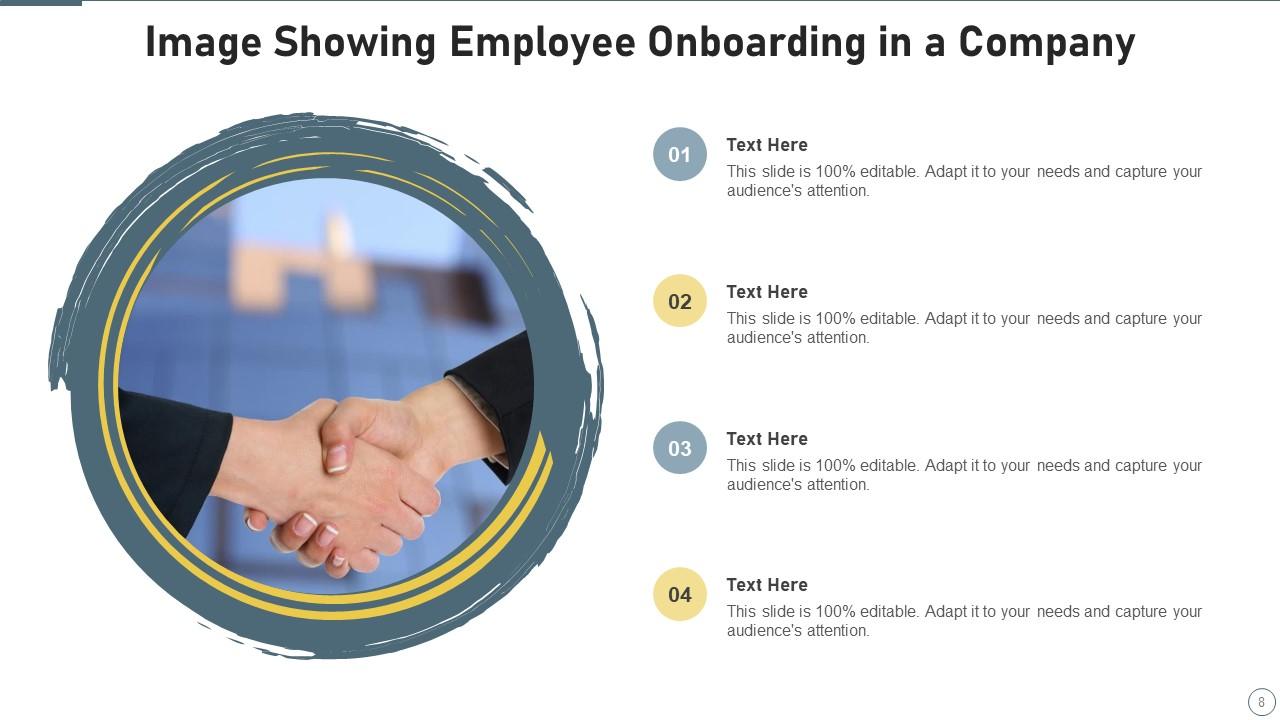
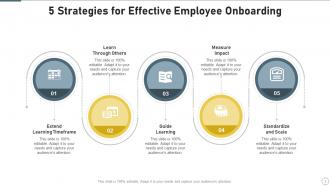
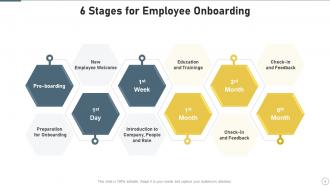
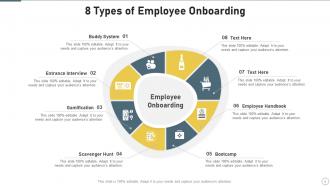
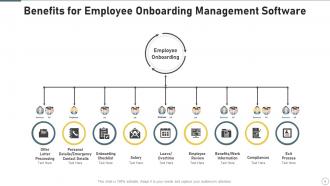
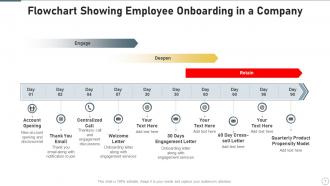
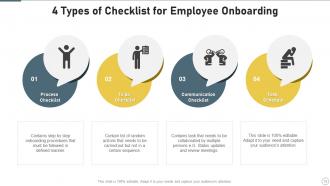
Deliver a lucid presentation by utilizing this Employee Onboarding Powerpoint Ppt Template Bundles. Use it to present an overview of the topic with the right visuals, themes, shapes, and graphics. This is an expertly designed complete deck that reinforces positive thoughts and actions. Use it to provide visual cues to your audience and help them make informed decisions. A wide variety of discussion topics can be covered with this creative bundle such as Onboarding Process, Orientation, Hr Onboarding Software, New Employee Onboarding. All the elven slides are available for immediate download and use. They can be edited and modified to add a personal touch to the presentation. This helps in creating a unique presentation every time. Not only that, with a host of editable features, this presentation can be used by any industry or business vertical depending on their needs and requirements. The compatibility with Google Slides is another feature to look out for in the PPT slideshow.

FAQs for Employee Onboarding Powerpoint

Hey! So for your onboarding deck, hit the basics first - company mission, team intros, what their actual job looks like day-to-day. Benefits and IT setup are super boring but you gotta include them. I like adding some culture stuff too, maybe a recent team celebration or whatever makes your workplace cool. Oh, and definitely map out their first week so they're not just wandering around confused. Keep it chill and conversational - honestly, nobody wants to sit through a policy marathon on day one. Save room for questions because they'll have tons!

Definitely survey people before they start - ask about their experience, how they learn best, accessibility stuff. Some will fly through basic training while others need hand-holding. I've literally watched VPs get confused by Slack while interns figure it out instantly, so don't assume anything based on seniority. Build modules people can skip or go deeper on. Cultural backgrounds matter too when you're explaining company vibes and how people communicate here. Just make sure there's different ways to get through the same info so nobody's dying of boredom or totally lost.

Honestly, tech makes onboarding so much smoother for new people. Digital checklists mean nothing gets forgotten (happens way too often otherwise). You can automate the boring paperwork stuff and create training that's actually engaging instead of death by PowerPoint. What really works though is connecting new hires with mentors through these platforms before day one - people feel way more comfortable walking in. Oh, and don't just grab random tools. Pick ones that work together or you'll create more headaches than you solve.

Skip the boring "innovation and teamwork" bullet points - nobody cares about that corporate speak. Get real employees to share actual stories, like when everyone stayed late to fix a major problem or celebrated some weird breakthrough. Those generic stock photos are the worst, honestly. Use pics from your actual office or team hangouts instead. Oh, and interactive stuff works well too - have new hires share what drew them to the company. The whole thing should feel like you're chatting, not reading some HR manual. Make it genuine and people will actually connect with it.

Track time-to-productivity and retention at 90 days plus one year - those are your bread and butter metrics. New hire satisfaction scores matter too. Engagement in the first few months? That's where you catch problems early, honestly the most valuable data you'll get. Measure milestone completion times and check if managers think their people are actually fitting in well. Oh, and exit interviews when folks bail early - can't skip those. My advice? Pick 3-4 metrics max to start. You'll go crazy trying to measure everything right away.

Send out quick pulse surveys after each week, then do bigger check-ins at 30 and 90 days. Exit interviews are where you'll get the real tea though - especially from people who bounce early. Have managers do regular check-ins too since they see everything up close. Keep surveys simple with basic rating scales plus a few open questions about what confused people or made sense. Oh, and actually look at this data quarterly with your team (I know, obvious but people forget). Then tweak your process based on what you're hearing. The whole point is making feedback dead simple to give.

Oh man, the worst part is when they dump everything on someone day one then basically ghost them. New people get overwhelmed fast, plus they have no clue what "good work" even looks like in their role. Managers vanish after week one too - I've seen it so many times! Break onboarding into smaller pieces over like 30-60 days instead. Give them clear goals for each month. Regular check-ins are huge. Oh, and definitely assign a buddy who's NOT their boss - people need someone safe to ask the stupid questions to. A simple checklist helps too so you don't forget the basics.

Oh definitely do this in the first few days! New people are already nervous about everything, so getting the benefits stuff out of the way early just makes sense. They'll probably have questions about PTO or need to know about doctor visits right away anyway. Make a simple one-pager with the basics - honestly, people's eyes glaze over if you dump too much on them at once. Then sit down together and actually walk through it. Way better than having them panic later trying to figure out if they can take a sick day or whatever.

Honestly, the biggest thing is just not letting them feel totally alone out there. Send them a nice welcome package to their house first - makes them feel wanted. Then do tons of video calls instead of just phone, because actually seeing people matters way more than you'd think. I'd pair them with someone who's not their boss, like a buddy system thing. Oh and definitely don't just email them a bunch of boring documents to read. Make it interactive somehow. Frequent check-ins are crucial too. Basically recreate all those random conversations they'd have in an office.

Oh dude, definitely use real stories from your actual employees! Like tell them about that junior dev who made team lead in two years, or Sarah from marketing who landed that impossible client. Way better than droning on about policies and stuff. Our brains just latch onto stories - it's weird but true. Honestly, I'd rather hear about real people than sit through another generic slideshow about vacation days. Weave those stories into your presentation to show company values. New hires will actually remember these weeks later, which is the whole point.

Don't dump everything on them day one - I've watched companies do this and it's brutal. Mix the training right into their first few weeks instead. Week one should cover the stuff they actually need for their job, then sprinkle in company culture and softer skills after that. Make it hands-on too - shadowing people, practice exercises, regular chats with their manager. Each piece should connect to real work they'll be doing. Oh, and definitely set up that 30-60-90 day roadmap so they're not wondering what's next. Spacing it out is everything.

Honestly, just build accessibility in from day one - way easier than fixing it later (trust me on this one). Plain language is your friend. Create stuff in different formats: videos with captions, audio versions, written guides. Make sure screen readers can actually handle your digital content. Your examples and images should show diverse people, not just the usual suspects. Skip the corporate jargon completely. If you've got employees who speak different languages, translate the key stuff. Here's what really works though - test everything with actual people from your team who have different backgrounds and abilities. Start with your most important docs first and work from there.

Remote onboarding is basically the new normal now, even if people come into the office sometimes. Everything's going digital - virtual mentoring, online workflows, the whole thing. Those random coffee conversations? Gone (kinda sad about it tbh). AI-powered learning paths are everywhere now, which is pretty cool actually. Companies are ditching the old "here's your week-one orientation, good luck" approach. Instead it's ongoing support that lasts months. Oh, and employee resource groups aren't just nice-to-haves anymore - they're built right into how new people get integrated. Definitely take a hard look at your current setup and see what's still designed around everyone being physically present together.

Dude, mentoring systems are a game changer for new people. They get someone to bug with all those random questions - you know, the stuff that seems obvious but really isn't. Buddies can walk them through the weird office politics and introduce them around. Plus they'll actually explain why we do things certain ways instead of just what the training manual says. New hires hit their stride way faster this way. I'd set up quick weekly chats, maybe 15 minutes? Doesn't need to be formal. Trust me, it beats watching someone struggle alone for months.

Dude, leadership can totally make or break this whole thing. When managers actually show up - even just for a quick coffee chat - new people feel like they matter. But I've seen way too many places where they just dump someone with HR and vanish into thin air. Honestly, that's such a waste. Your leaders need to be around, approachable, and genuinely interested in the new hire. Block out time on their calendars. Make them model the vibe you want. Trust me, it sets the entire tone for how welcome someone feels on day one.

Ratings and Reviews

80% of 100
Review Form
Write a review
Most Relevant Reviews
  1. 80%

    by Jake Smith

    Awesome use of colors and designs in product templates.
  2. 80%

    by Christian Brooks

    Enough space for editing and adding your own content.

2 Item(s)

per page: