

Presentación de ejemplo sobre ti Diapositivas de presentación de PowerPoint




Try Before you Buy Download Free Sample Product
 Impress Your
Audience
 100%
Editable
 Save Hours
of Time


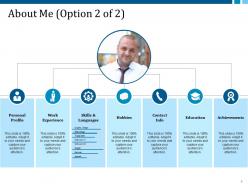
Utiliza las Diapositivas de Presentación de PowerPoint Sobre Ejemplo de Presentación Sobre Ti Mismo para destacarte bajo los focos. Prepárate para tu entrevista y preséntate con confianza con la ayuda de este conjunto de diapositivas de PowerPoint listas para usar sobre presentación personal. Nuestra plantilla de autointroducción profesionalmente diseñada cubre temas como sobre mí, carrera, análisis FODA, calificación profesional y más. Además, muestra tus habilidades y logros utilizando nuestra presentación sobre ti mismo. Capta la atención de tu entrevistador mostrando visuales profesionales que te describen. No solo hables. Muestra tu experiencia laboral, capacitación y estudios de caso con estas plantillas de presentación de autointroducción de PowerPoint diseñadas de manera increíble. Muestra tus fortalezas y debilidades, idiomas, pasatiempos, habilidades y más con estas diapositivas de ejemplo de presentación sobre ti mismo diseñadas profesionalmente. Descarga ahora y obtén estas plantillas de currículum visual de PowerPoint listas para usar y aprueba tu entrevista con estos gráficos increíbles que te representan. Evalúa sus sentimientos con nuestras Diapositivas de Presentación de PowerPoint Sobre Ejemplo de Presentación Sobre Ti Mismo. La audiencia responderá automáticamente.
People who downloaded this PowerPoint presentation also viewed the following :
Contenido de esta presentación de Powerpoint
Aprender la habilidad de la autointroducción es fundamental. Te permite mostrar tus habilidades y personalidad en cualquier momento o lugar. Este acto establece el tono para el resto de tu asociación.
Holly Lee, ex directora de reclutamiento de Amazon, Meta y Google, afirma: "La gente o bien no se toma el tiempo adecuado para reflexionar sobre cómo, exactamente, su trabajo está beneficiando la línea de fondo de una empresa, o tiene demasiada confianza y cree que sus currículums hablan por sí mismos".
Causa una sólida primera impresión usando las 10 Mejores Plantillas de Presentación Sobre Mí con Muestras y Ejemplos de SlideTeam.
Es fundamental comunicar tu identidad profesional y logros, enfatizando los deberes, responsabilidades y roles pertinentes al puesto en cuestión. Una autopresentación es la herramienta ideal para crear rapport, establecer credibilidad y dejar una buena impresión.
SlideTeam te brinda una Presentación de PowerPoint integral como vía para exhibir tus habilidades y personalidad. Este deck está bien elaborado y contiene componentes esenciales para una autointroducción. Esto ayudará a transmitir tu confianza y atraer la atención de los oyentes hacia tu discurso.
Usa esta Presentación de PowerPoint para Presentarte lista para descargar para mostrar tus habilidades profesionales y capacidades a tu entrevistador.
Hola, me llamo [Assistant name]. Encantado de conocerte.
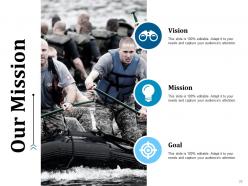
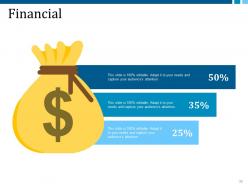
Nuestra presentación de ejemplo sobre ti contiene toda la información. Incluye cada uno de los datos importantes.



FAQs for Example Presentation About Yourself
Honestly, just be consistent with how you present yourself and match the vibe of wherever you're working. Clear communication is everything - confident but not cocky, you know? Body language is weirdly important too (I learned this the hard way). Share your successes but don't pretend you know everything when you don't. Listen more than you talk. Watch how the successful people at your job communicate and kind of mirror that style. It's about being yourself while still fitting the professional context. Authenticity goes way further than trying to be someone you're not.
Honestly, visual aids are a game changer - they make you look way more professional and help people actually remember what you're saying. I read somewhere that audiences retain like 65% more info when they can see it too. Charts, slides, whatever works. It also gives people something to look at besides you, which is nice when you're nervous. Just don't make them too busy or you'll end up reading straight from the screen like a robot. Oh and props can work too if they fit - I've seen people use some pretty random stuff effectively. Keep it simple and let the visuals back up what you're already saying.
Dude, body language is honestly everything - way more impactful than whatever you're actually saying. People judge you in like 3 seconds based on how you stand and move. I used to slouch in meetings when I was nervous and probably looked completely uninterested (oops). Good posture makes you seem confident, eye contact builds trust, and keeping your arms uncrossed shows you're approachable. The weird thing is most people don't even realize what their body's doing. Just start paying attention during conversations. Stand up straighter, look people in the eye. You'll feel the difference immediately.
Honestly, it's all about reading the room and switching up how you talk. With executives? Keep it high-level - they want strategy and business impact, not technical details. Your team's different though - you can be way more casual and dive into the nitty-gritty stuff. I bombed a presentation once using tons of jargon with non-tech people... awkward silence everywhere lol. Watch how others talk to your audience first, then copy what works. Short version: figure out what each group actually cares about and lead with that. Match their energy too.
Okay so first thing - do that 4-7-8 breathing thing. Inhale for 4, hold for 7, exhale for 8. Works every time. Practice your opening lines until you could say them in your sleep because honestly, once you get past the first 30 seconds you're golden. I always remind myself the audience is actually rooting for me, not waiting for me to mess up. Oh and get there early! Test your slides, get familiar with the room. Visualization helps too - picture yourself nailing it. Your brain kinda believes what you tell it. Some nerves are totally normal btw, means you care.
Stop listing your skills like a resume and start telling mini-stories instead. When someone asks about problem-solving, don't just say you're good at it - tell them about that time you figured out why the printer kept jamming (or whatever). People actually remember stories, unlike boring bullet points. Keep it simple: what happened, what you did, how it worked out. Maybe 30 seconds max. I always have like 3-4 go-to stories ready because honestly, you never know when you'll need them. The trick is picking ones that make you look good without sounding like you're bragging. Practice them so they don't come out all awkward.
Honestly, just be yourself but put some effort into it, you know? Don't lie about stuff you can't actually do - I've watched people crash and burn from that. Show off your real strengths without going overboard. Context matters too. What works at happy hour networking won't fly in a formal interview. Stay true to who you are but adjust how you say things. Oh, and always have actual examples ready when you mention skills or accomplishments. People can smell BS from a mile away. Real confidence beats fake perfection every time.
Honestly, tech can really help with this stuff. Good lighting and background blur on video calls makes such a difference - you'll look way more put-together. LinkedIn is actually pretty useful for showing off your expertise through posts, though I know some people find it kinda cringey. Recording yourself practicing presentations is huge - you catch all those "ums" and weird hand gestures you don't realize you're doing. Oh, and screen sharing tools make demos so much smoother. I'd say start with just one thing, maybe fixing your video setup or posting more on LinkedIn, then go from there.
Honestly, skip the generic "team player" stuff - everyone says that. Instead, pick your best strengths and back them up with actual stories. I'd practice your pitch until it doesn't sound rehearsed, you know? Structure it like: here's the situation, here's what I did, here's how it turned out. Keep it tight though. Also think about what they actually care about hearing. Cut the "ums" and random filler words - they're distracting. Oh, and always end with what you want them to do next, otherwise you'll just get that awkward "so... thanks for sharing" response.
Honestly, you can't spot your own blind spots - that's where feedback comes in clutch. Ask people you trust to be real with you about your communication style or how you come across in meetings. Yeah, it's awkward at first but the insights are worth it. I'd start with something simple like "How do I come across when I'm pitching ideas?" Focus on patterns rather than one random comment. Pick one thing to work on at a time though - don't try to fix everything at once. Mentors are great for this, but even friends can give solid input.
Don't come off fake or overly rehearsed - seriously, people pick up on that instantly. Also avoid dumping your whole life story or rambling about random stuff. I see people either undersell themselves hardcore or swing the other way and sound super cocky. Body language matters too btw - slouching and checking your phone constantly will tank you even if you're saying all the right things. Practice your main points ahead of time but still let your actual personality come through. It's tricky finding that balance between confident and humble, but that's where you want to be.
Oh man, this is so real! Like in the US, you're supposed to brag about yourself and make eye contact - total opposite of places where being modest is everything. I learned this the hard way when I was way too loud at a meeting once lol. Some cultures think firm handshakes show confidence, others find it aggressive. It's wild how the same behavior gets read completely differently depending on where you are. Before any big presentation or meeting, I always try to figure out who I'm talking to first. You can't just wing it and hope your usual style works everywhere.
Honestly, first impressions are everything because they set the whole tone for how people see you going forward. Get it right and people will give you way more slack later - they'll actually notice the good stuff you do. But screw it up? Good luck trying to change their opinion afterward, because that's an uphill battle nobody wants to fight. You literally have like 30 seconds to make it count too, which is kind of insane when you think about it. My advice? Just be genuinely present in that moment instead of overthinking it. Way better than trying to be some perfect version of yourself.
Honestly, practicing presentations makes you way more aware of how you actually sound. Like, you'll start noticing your body language and tone in regular conversations too - stuff you never paid attention to before. It's weird but you develop this "communication fingerprint" (sorry, that sounds dumb but whatever). The cool part is you get better at reading rooms and adjusting your style. Recording yourself is brutal but super helpful - I always catch myself doing annoying things I had no idea about. You should try it this week if you can handle the cringe factor.
Dude, you HAVE to prepare for this - I'm not even kidding. My first few presentations were total disasters because I just winged it. Now I always outline like 3-4 main points about myself first. Then practice out loud at least twice (feels weird but trust me). The prep work makes you way more confident since you actually know what you're talking about. You can think through potential questions ahead of time too. Honestly, there's such a huge difference between being ready vs. just hoping for the best and rambling awkwardly.
-
Unique research projects to present in meeting.
-
Qualitative and comprehensive slides.