


Presentation Describing Yourself Powerpoint Presentation Slides




Try Before you Buy Download Free Sample Product
 Impress Your
 Audience
 100%
100% Editable
 Save Hours
 of Time


Introduce yourself with confidence using content-ready Presentation Describing Yourself PowerPoint Presentation Slides. Win over an interviewer by showcasing your skills, experience, career graph, and more. Use this professionally designed introduce yourself PPT presentation to keep your audience engaged during the interview. Highlight about your strengths and weaknesses, hobbies, and more with the help of presentation describing yourself PPT templates. Be ready to get all the limelight using about me, career, swot analysis, qualification PPT templates. Flaunt your achievements and accomplishments by not just saying them verbally. Rather, showcase your success and get all the attention you deserve. Download this professionally designed presentation describing yourself presentation deck and prepare yourself for your big interview. Fortify yourself with our presentation about yourself Slides. Acquire the courage to express without fear.
People who downloaded this PowerPoint presentation also viewed the following :
Content of this Powerpoint Presentation
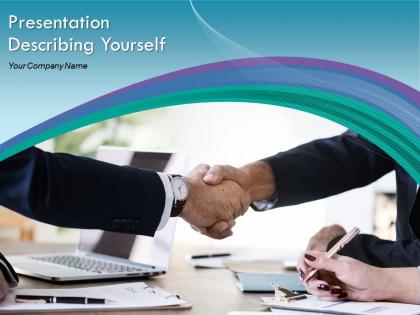
Slide 1: This slide shows a Presentation Describing Yourself. Add your name and begin.
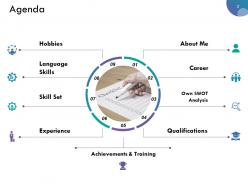
Slide 2: This is an Agenda slide to showcase these aspects- Achievements & Training, Own SWOT Analysis, Qualifications, Career, About Me, Experience, Hobbies, Skill Set, Language Skills.
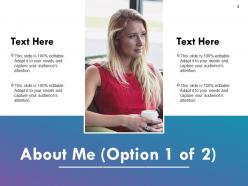
Slide 3: This is an About Me slide to provide a brief introduction about yourself with your qualities, specifications etc.
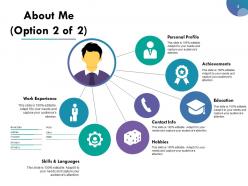
Slide 4: This is also an About Me slide showing- Personal Profile, Achievements, Education, Contact Info, Hobbies, Skills & Languages, Work Experience.
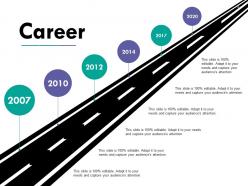
Slide 5: This slide shows a Career Roadmap containing the data of several years. You can add in your achievements etc. in this roadmap.
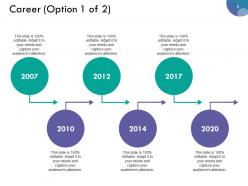
Slide 6: This slide shows Career prospects in a timeline form which you can add.
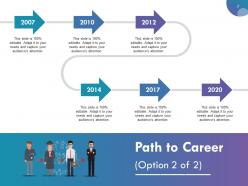
Slide 7: This slide shows a Path to Career timeline wherein you can add your career aspects.
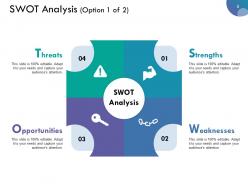
Slide 8: This slide presents SWOT Analysis to showcase your threats, weaknesses etc.
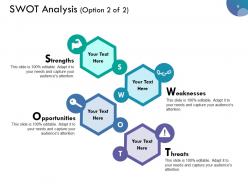
Slide 9: This is also a SWOT Analysis (Option 2 of 2) slide to state your- Threats, Strengths, Weaknesses, Opportunities.
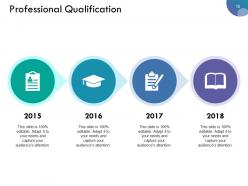
Slide 10: This slide decribes your Professional Qualification with their respective icons.
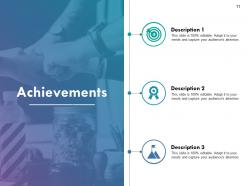
Slide 11: This slide shows the Achievements ( if any) that you have acquired.
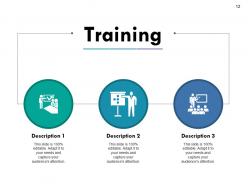
Slide 12: This slide showcases Training aspects undertaken.
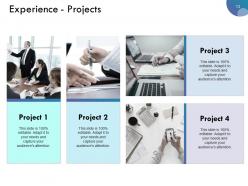
Slide 13: This slide mentions the Experience - Projects undertaken.
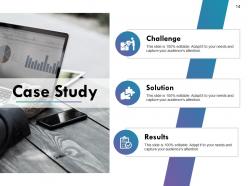
Slide 14: This slide shows the following three aspects included in the Case Study- Challenge, Solution, Results.
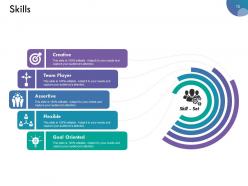
Slide 15: This slide shows a range of Skills such as- Creative, Team Player, Assertive, Flexible, Goal Oriented etc. You can decribe your own skills set here.
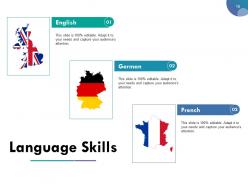
Slide 16: This slide shows Language Skills. You can add you own language skills here.
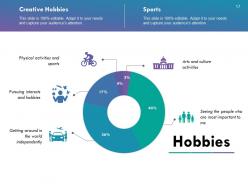
Slide 17: This slide describes your Hobbies.
Slide 18: This slide is titled Coffee Break to halt and then proceed further. You may change the slide content as desired.
Slide 19: This slide forwards to Charts & Graphs. Alter/ modify content as per need.
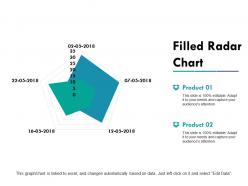
Slide 20: This slide presents a Filled Radar Chart. Compare Product 01, Product 02 and use as per required.
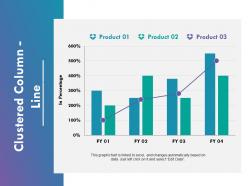
Slide 21: This slide presents Clustered Column - Line graph with which you can compare the products.
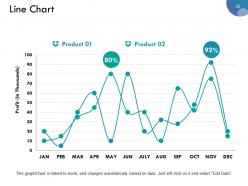
Slide 22: This slide shows a Line Chart for two product comparison.
Slide 23: This slide is titled Additional Slides to move forward. You can change the slide content as per need.
Slide 24: This is Our Mission slide. Show your company mission, vision and goals here.
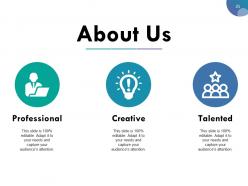
Slide 25: This is an About Us slide with Professional, Creative and Talented as examples.
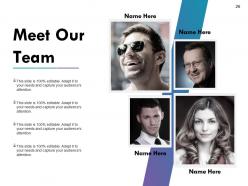
Slide 26: This is Meet Our Team slide with name and designation to fill.
Slide 27: This is Our Goal slide. State your goals here.
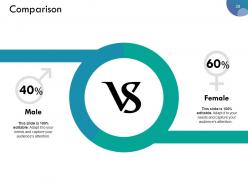
Slide 28: This slide showcases Comparison of two entities - male and female.
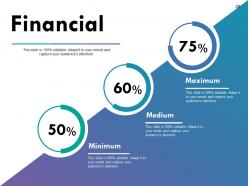
Slide 29: This slide shows Financial aspects with these three parameters- Minimum, Medium, Maximum.
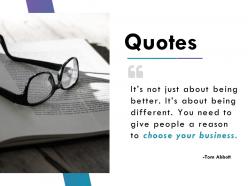
Slide 30: This is a Quotes slide to convey company/ organization message, beliefs etc. You may change the slide content as per need.
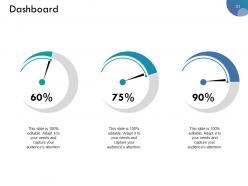
Slide 31: This is a Dashboard slide to state aspects, kpis, metrics etc.
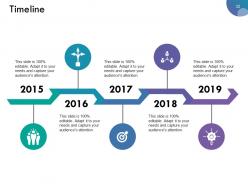
Slide 32: This is a Timeline slide to present important dates, journey, evolution, milestones etc.
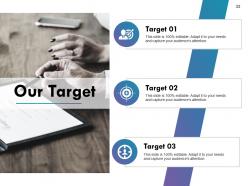
Slide 33: This is Our Target slide to state your targets etc.
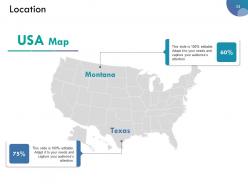
Slide 34: This is a Location slide of USA. Mark specific locations for company growth, market etc. here.
Slide 35: This is an Idea Or Bulb slide to state a new idea or highlight specifications/ information etc.
Slide 36: This is a Thank You slide with Address# street number, city, state, Contact Number, Email Address.
Presentation Describing Yourself Powerpoint Presentation Slides with all 36 slides:
Our Presentation Describing Yourself Powerpoint Presentation Slides give a burst of confidence. They get convinced that it is doable.


FAQs for Presentation Describing Yourself
Honestly, it comes down to three things: knowing what makes you special, saying it the same way everywhere, and just being yourself. Figure out your actual value first - like what you bring that others don't. Then make sure your LinkedIn, how you talk in meetings, networking stuff, all of it matches up. I mean, yeah the visual stuff helps (your colors, photos, whatever) but that's honestly not as important as having something real to say. Biggest mistake? Trying to be someone you're not - people see right through that. I'd start by looking at what you're already putting out there and see if it actually tells one clear story about who you are.
Honestly, visuals make or break your personal brand online. First impressions happen in like 2 seconds, and if your headshot screams "amateur hour" while you're trying to look professional... yeah, that's not great. I made this mistake early on - my LinkedIn was a hot mess! Pick 2-3 colors max and actually stick with them across everything. Same goes for your headshot style. The goal is people recognizing your stuff before they even see your name. Don't overthink it though. Just keep everything looking like it actually came from the same person, you know?
Look, people remember stories way better than a boring list of accomplishments. Share your actual failures and wins - that's how you connect as a real person instead of another generic LinkedIn clone. Most bios sound identical anyway, so stories help you stand out. You can weave them into your about section, posts, even casual networking chats. They show your values through real examples rather than just claiming you're "results-driven" or whatever. I'd start with 2-3 solid stories that highlight different sides of who you are professionally. Trust me, it makes such a difference.
Think of social media like your digital first impression - people will judge you based on what they see there. LinkedIn's obviously the go-to for work stuff, but Twitter's great for sharing your thoughts and Instagram lets people see you're actually human (not just another corporate robot). Honestly, the biggest mistake is trying to be everywhere at once. Pick maybe two platforms where your people actually spend time. Then just focus on posting useful stuff consistently instead of randomly throwing content out there. Way better to nail one platform than half-ass three of them.
Just Google yourself and see what pops up first - that's honestly the easiest starting point. Check your LinkedIn too, obviously. Then ask a few people you trust what three words they'd use to describe you professionally. It's awkward but SO telling. Are you getting invited to speak at stuff or hearing about cool opportunities? If not, there's probably a gap between how you see yourself and how others do. The whole thing feels weird to analyze yourself like this, but it's better than wondering why certain doors aren't opening.
Honestly, stop trying to sound impressive and just be weird. That random mix of skills you have? That's actually your strength. I see people trying to appeal to everyone and they just blend into nothing. Pick like 2-3 things you want to be known for and stick with those. Share your actual opinions on industry stuff - even the unpopular ones. Tell stories about when you screwed up. It sounds counterintuitive but people remember authenticity way more than perfection. Oh, and start with your LinkedIn headline this week. Make it reflect whatever makes you different, not some generic job title everyone else uses.
Oh man, this is so true from my own experience! What totally works in the US (like talking up your wins) can make you look like a complete show-off in places like Japan or Korea. I found out the hard way when I was starting out - my "confident" messaging came across as super arrogant to international clients. Even stuff like colors and symbols mean totally different things depending on where you're from. If you're thinking about going global with your brand, definitely dig into the cultural stuff first. Otherwise you might accidentally offend people or just look completely out of touch.
Honestly? Don't try being everything to everyone - you'll just confuse people about what you actually do. Pick your lane and stay in it for at least 6 months. Post consistently too, because showing up randomly makes you forgettable. Oh, and stop making every post about yourself - nobody wants to follow someone who only talks about their own stuff. The worst thing though is copying someone else's style. People can tell when you're being fake, and it's honestly kind of cringe. Find 2-3 things you want to be known for and just... stick with them.
Honestly, people just need to know what to expect from you. Like, if you're completely different on LinkedIn vs. in person, that's weird and confusing. Your messaging and tone should feel like the same person everywhere - meetings, social media, whatever. It's kinda like having a signature style but for your whole professional vibe. Without it? You'll just blend into the background with everyone else. I'd pick maybe 3-5 things you want people to remember about you, then make sure everything you do reinforces that. Sounds simple but most people don't actually do it.
Yeah, your brand should totally evolve with your career! Early days it's more about potential and skills you're building. But once you've got some wins under your belt, flip the script to highlight actual results and what you know. I've watched people get trapped promoting their old selves - kinda painful honestly. Frame your strengths around where you're going next, not just where you've been. Don't throw away what makes you good though. Start with a quick audit of your LinkedIn and how you talk about yourself. It's like updating your story, not rewriting it completely.
Honestly, just start by asking people you actually trust - colleagues, mentors, maybe that one friend who's weirdly good at reading people. Check your social media analytics too, see what posts actually get engagement vs. the ones that flop. LinkedIn polls are surprisingly helpful for quick feedback. I've found that people outside your industry sometimes give the most honest takes since they're not worried about being "professional." Oh, and 360 reviews work if you want something more formal. Client testimonials are gold too. Pick like 2-3 approaches and actually do them though - don't just collect feedback and let it sit there.
Honestly, networking is how your personal brand actually gets out there instead of just shouting into the social media void. Real conversations stick with people way more than your latest LinkedIn update (though those don't hurt either). When you build genuine connections, those people become your unofficial brand ambassadors - they'll remember you for opportunities and tell others about what you do. I mean, collecting business cards like Pokemon cards isn't the move. Focus on authentic relationships instead. Maybe start small? Reach out to three people you haven't chatted with lately this week.
Honestly, you can't fake authenticity - people see right through it. Your audience will connect with you way more when you're just being yourself. Fake personas? They're exhausting to keep up, and frankly, not worth the stress. Here's the thing though - you still want to be professional while letting your actual personality come through. Share stuff that genuinely matters to you, your real experiences and opinions. It's like... when you're authentic, you naturally attract people and opportunities that actually fit with who you are. That's way better than trying to be someone you're not.
Honestly, Canva's probably your best bet for visuals - total lifesaver even if you can't design worth a damn. LinkedIn's obvious for the professional stuff. Buffer or Hootsuite work great for scheduling posts so you're not glued to your phone 24/7. Google Analytics tracks your website traffic (assuming you've got one). BrandYourself monitors what people find when they Google you, which is kinda scary but useful. Grammarly catches those embarrassing typos. HubSpot has free marketing courses too. Don't go crazy though - pick like 2-3 tools max or you'll overwhelm yourself.
Think of it like showing off your professional rep online. First figure out what you want people to remember you for - then post about that stuff consistently on LinkedIn or wherever your field hangs out. I get it, feels super awkward at first! But just be yourself while highlighting your expertise and wins. Don't just self-promote though, that's annoying. Comment on other people's posts, share what you're learning, maybe talk about projects you're tackling. Honestly, once a week is plenty to start. The networking part matters way more than you'd think too.
-
It saves your time and decrease your efforts in half.
-
Editable templates with innovative design and color combination.