


Introduction Speech About Yourself In Company Meeting Powerpoint Presentation Slides
Introduction speech about yourself in company meeting PowerPoint presentation is what every professional look for as one has to do this often in most businesses. Bearing this in mind here we have come up with a best self introduction slide presentation. With help of our meeting introduction speech sample PowerPoint presentation slides you can give a stunning introduction of yourself. Going further, using our self introduction PPT model you can cast spotlight on your high concept and career vision to new team members. With help of this readymade how to introduce yourself example PowerPoint show you can also brief your employees about how to introduce yourself professionally as doing it correctly helps to craft a strong first impression among customer and partners. To present the crux of your introduce yourself essay here we have included exclusive presentation slides like companies /clients worked for, career path, achievements, key skills, tool and platforms, projects and assignments, personality traits etc. In short, the ultimate PPT sample file to present yourself is now just a click away. Click and get started now. Anticipate hassles with our Introduction Speech About Yourself In Company Meeting Powerpoint Presentation Slides. Develop a feel for difficulties ahead.
Introduction speech about yourself in company meeting PowerPoint presentation is what every professional look for as one h..
































-

- Google Slides is a new FREE Presentation software from Google.
- All our content is 100% compatible with Google Slides.
- Just download our designs, and upload them to Google Slides and they will work automatically.
- Amaze your audience with SlideTeam and Google Slides.
-

Want Changes to This PPT Slide? Check out our Presentation Design Services
-

- WideScreen Aspect ratio is becoming a very popular format. When you download this product, the downloaded ZIP will contain this product in both standard and widescreen format.
-

- Some older products that we have may only be in standard format, but they can easily be converted to widescreen.
- To do this, please open the SlideTeam product in Powerpoint, and go to
- Design ( On the top bar) -> Page Setup -> and select "On-screen Show (16:9)” in the drop down for "Slides Sized for".
- The slide or theme will change to widescreen, and all graphics will adjust automatically. You can similarly convert our content to any other desired screen aspect ratio.
Compatible With Google Slides

Get This In WideScreen
You must be logged in to download this presentation.


Do you want to remove this product from your favourites?
PowerPoint presentation slides
Completely pre made for professionals like project managers, salespeople, policy makers etc. 54 presentation templates to introduce yourself. No pixelate issues as all slide templates are of high resolution. Decent white space available with each PPT slide to add titles, sub titles and logos. Supports all modern software's. Manual editing option. Attune easily with Google slides. Short downloading process to save time .The stages in this process are work experience, personal profile, career objectives, career path.

People who downloaded this PowerPoint presentation also viewed the following :
Content of this Powerpoint Presentation
Slide 1: This is an introductory slide for Introduction speech About Yourself In a Company Meeting. State Your Company Name and get started.
Slide 2: This is an Agenda slide. Showcase your exclusive agendas here.
Slide 3: This is an ABOUT ME / BIO slide to state self specifications in terms of personal and professional terms.
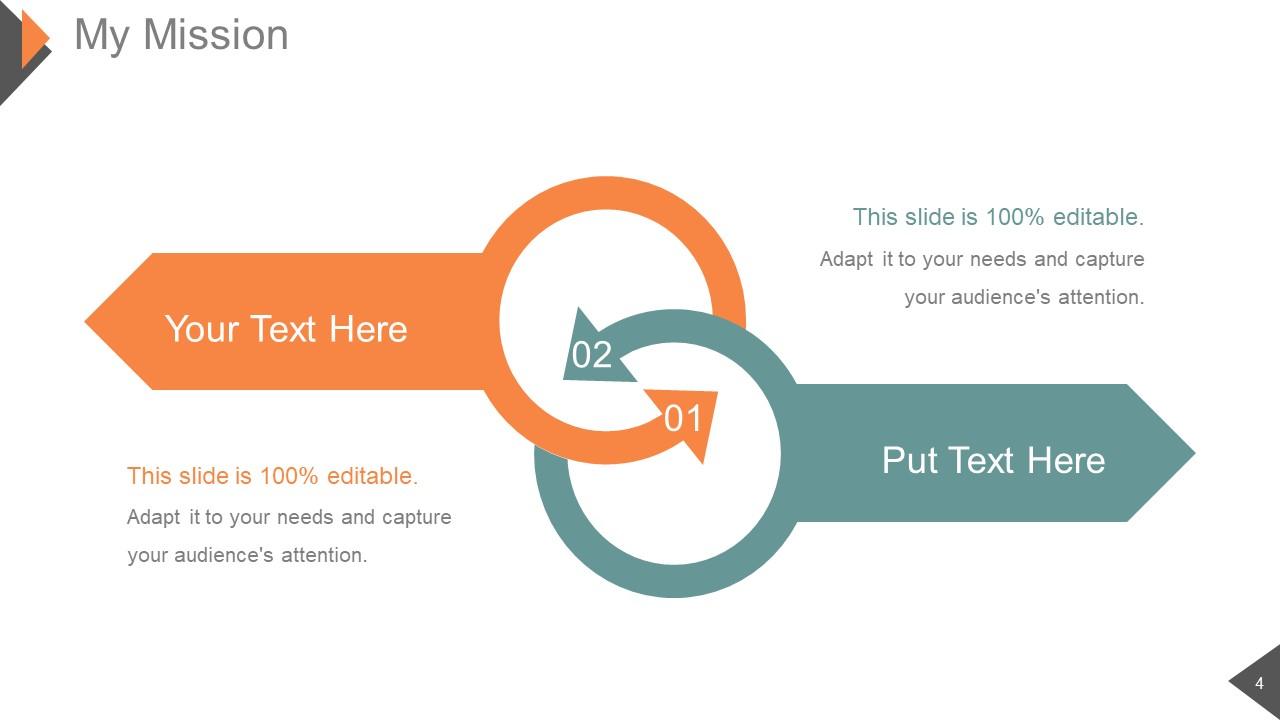
Slide 4: This is My Mission slide with vision to state.
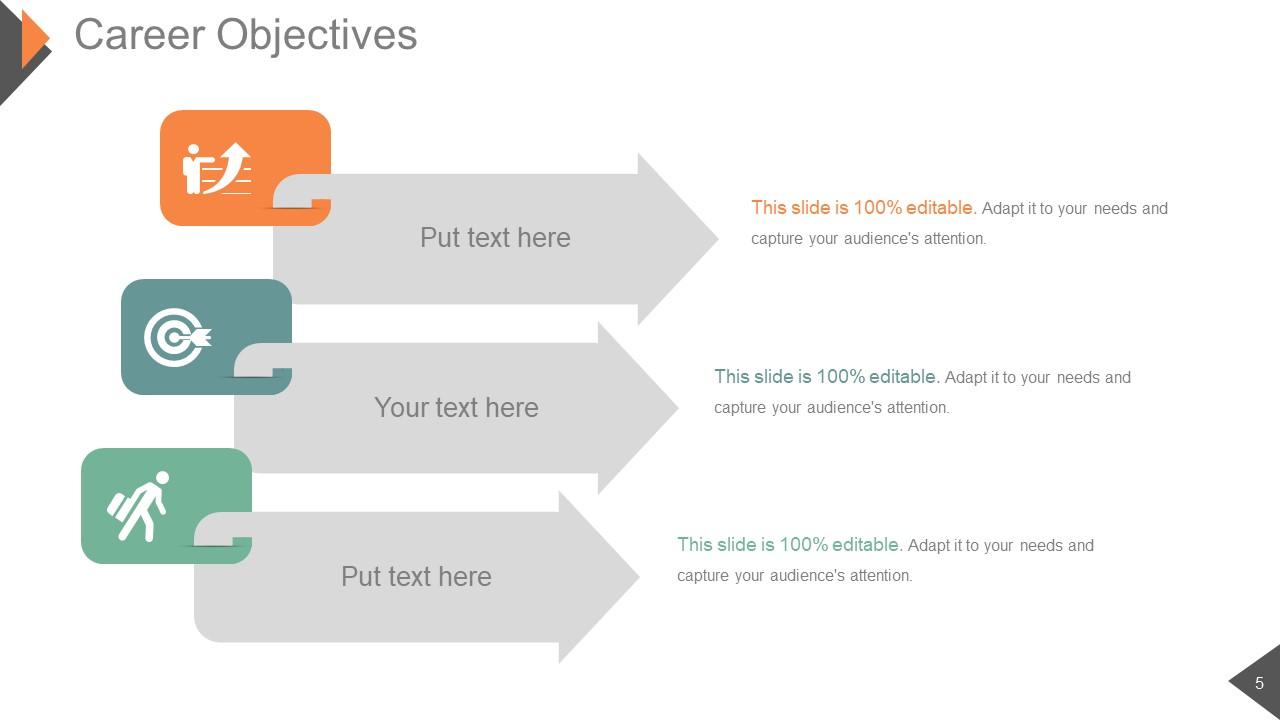
Slide 5: This slide presents CAREER OBJECTIVES showcasing- Choice Of Strategy, Setting Long Term Objectives, Establishing Strategic Intent as decisive factors to convey.
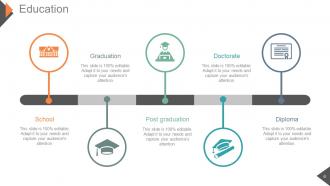
Slide 6: This slide helps present EDUCATION and its level achieved.
Slide 7: This slide shows WORK EXPERIENCE in timeline form with company and designation to state.
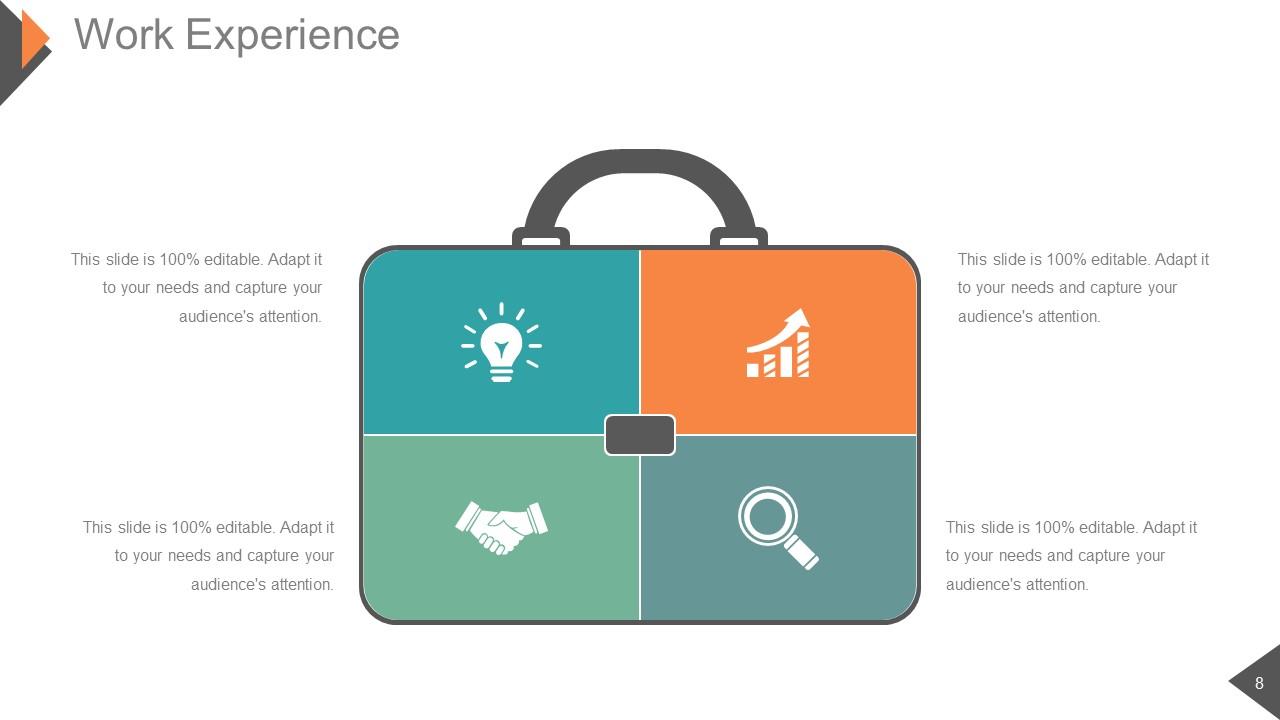
Slide 8: This slide showcases Work Experience to be shown with icon imagery.
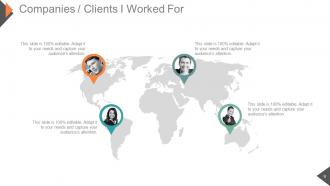
Slide 9: This slide showcases Companies/Clients I Worked For so far.
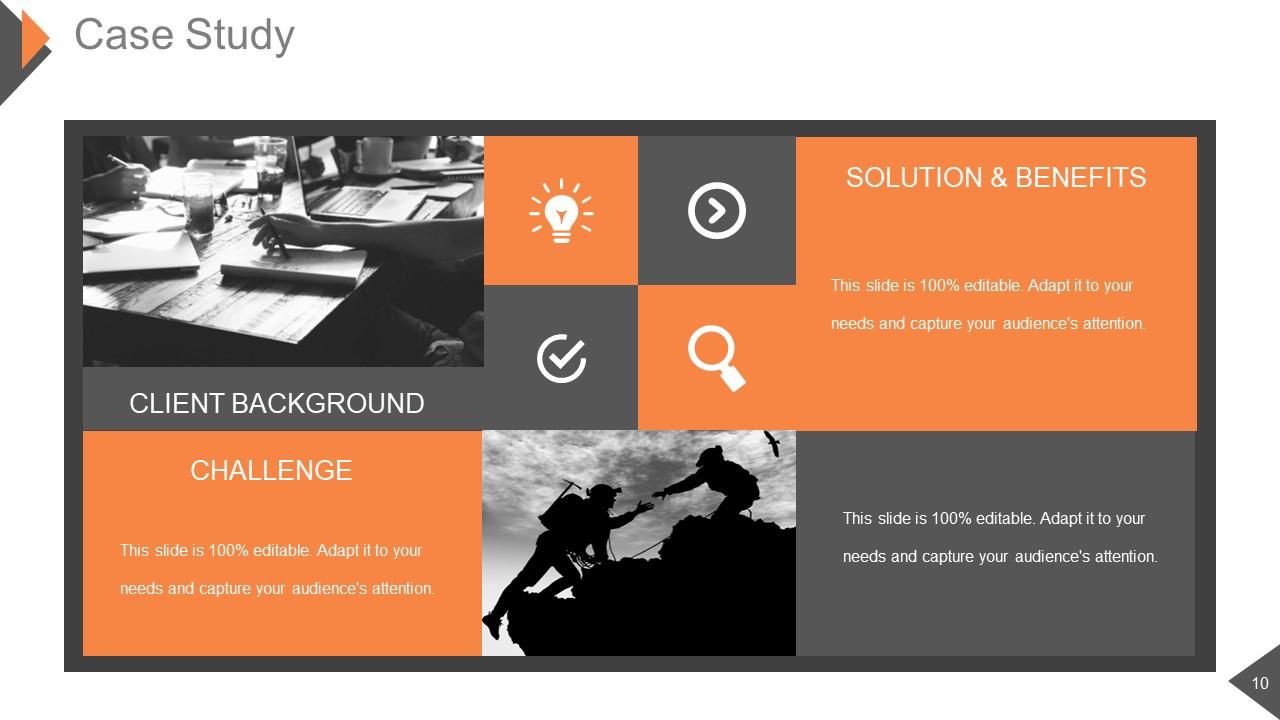
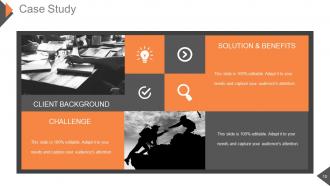
Slide 10: This is a Case Study slide showcasing client background, solution&benefits and Challenge.
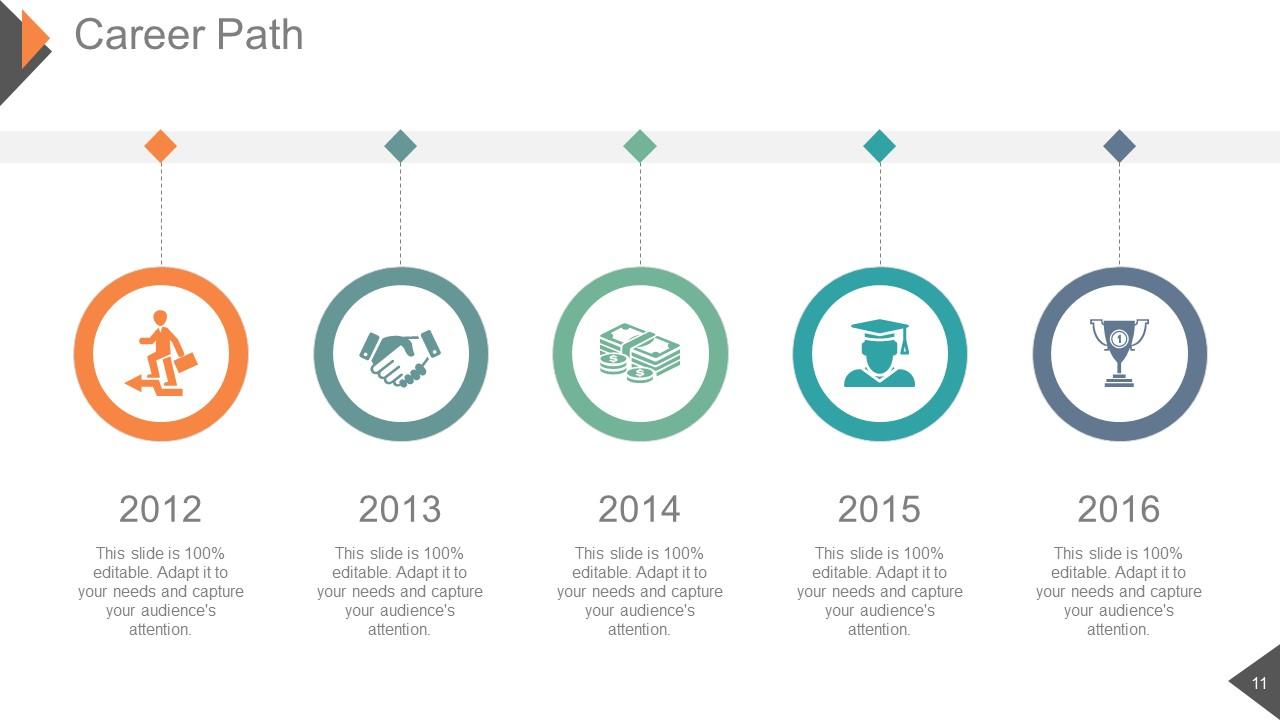
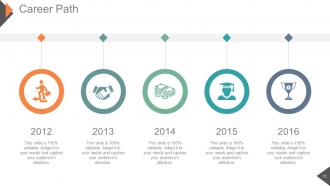
Slide 11: This slide showcases Career Path in timeline form with icon imagery to display.
Slide 12: This slide showcases Career Path in timeline form with roadmap imagery to display.
Slide 13: This slide showcases Achievements added till date.
Slide 14: This slide presents Achievements added till date with cup image.
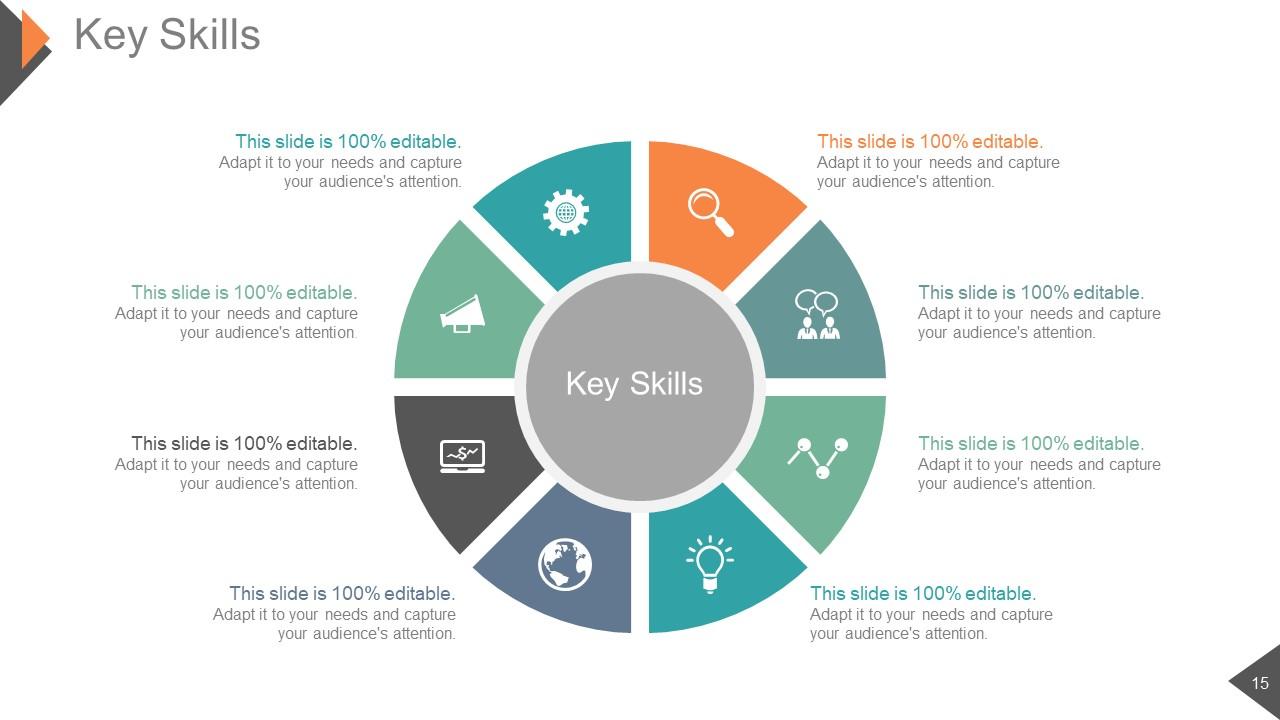
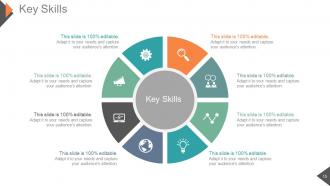
Slide 15: This slide shows Key Skills possessed as a professional.
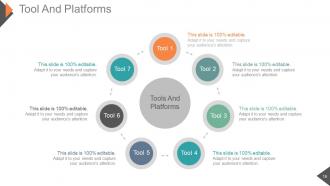
Slide 16: This is Tools and Platforms slide to show professional scope and past growth.
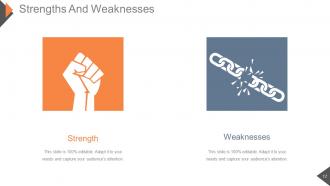
Slide 17: This is a Strength and Weakness slide to be displayed.
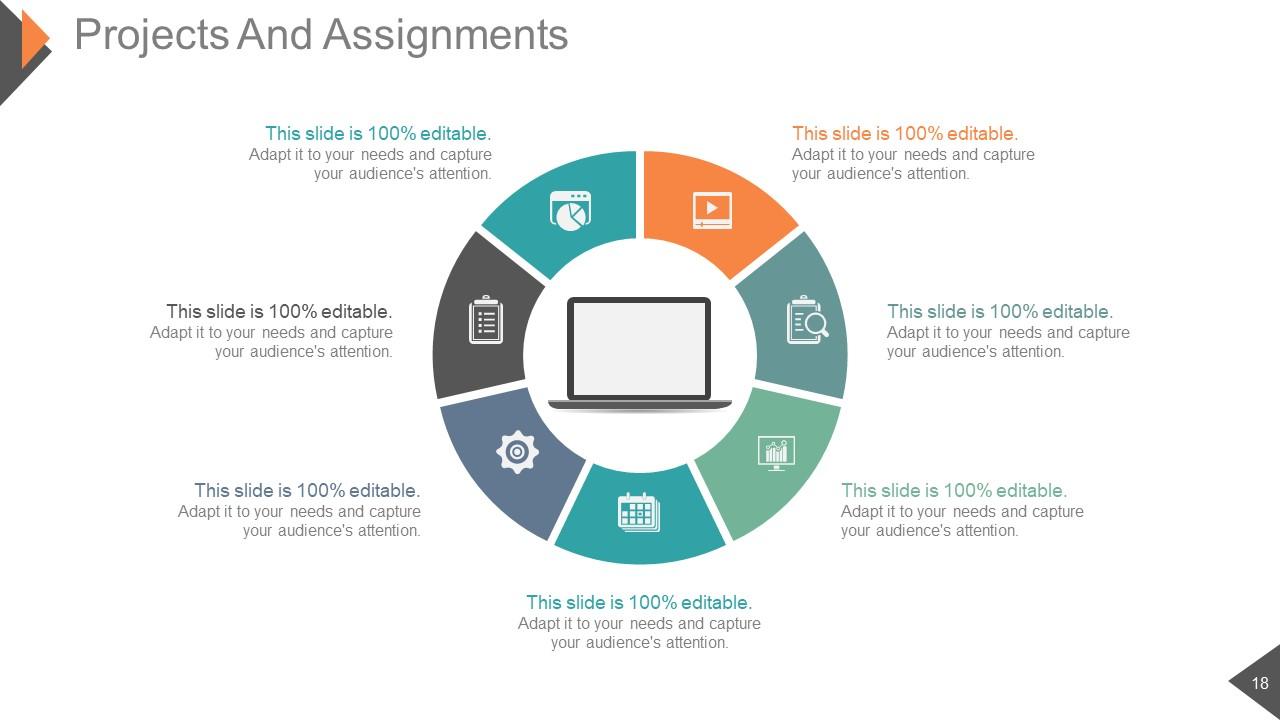
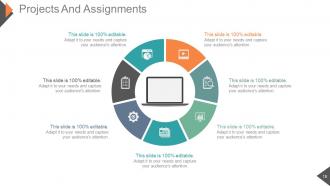
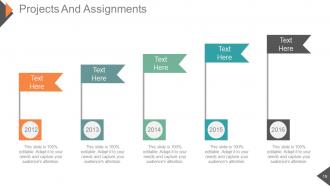
Slide 18: This slide showcases Projects and Assignments undertaken or completed.
Slide 19: This slide also shows Projects And Assignments undertaken or completed.
Slide 20: This slide showcases Certification acquired in professional field (if any).
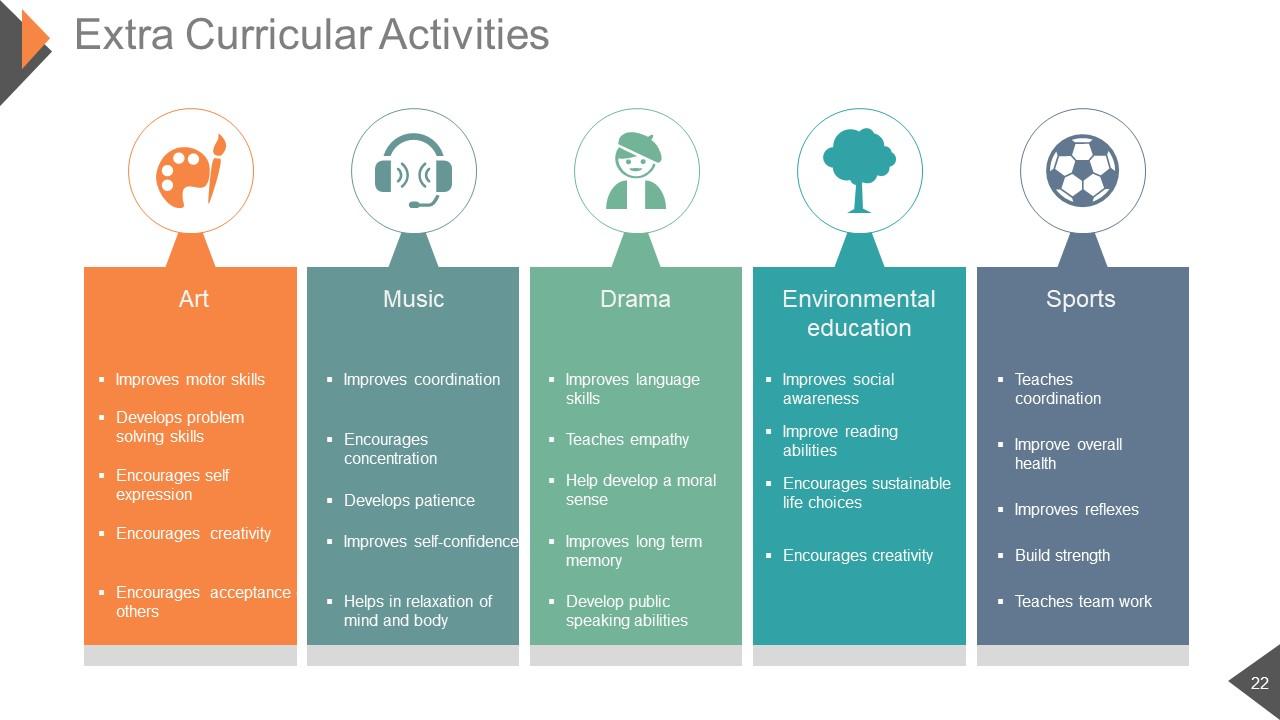
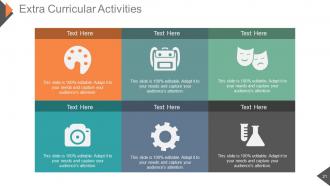
Slide 21: This slide displays Extra Curricular Activities to be shown.
Slide 22: This slide also displays Extra Curricular Activities to be shown.
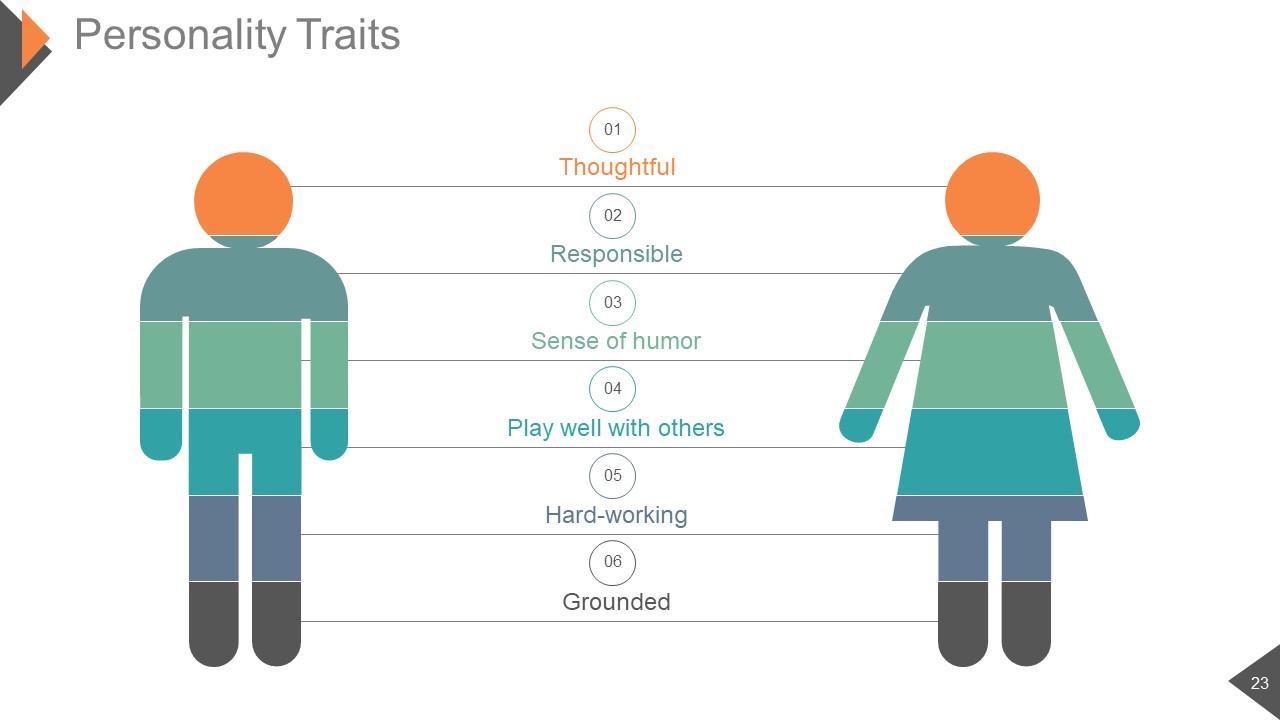
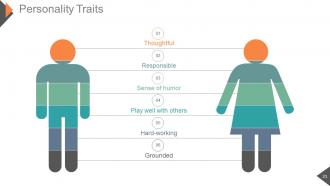
Slide 23: This slide showcases Personality Traits such as- Thoughtful, Responsible, Hard-working, Grounded, Play Well With Others, Sense Of Humor.
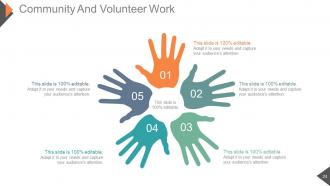
Slide 24: This slide presents Community and Volunteer Work to show (if done).
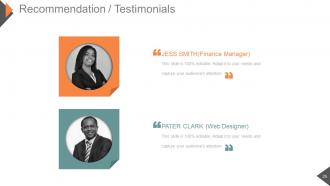
Slide 25: This is Recommendations/Testimonial slide to add credibility.
Slide 26: This is Why Hire Me slide to add punches to your presentation for choosing you.
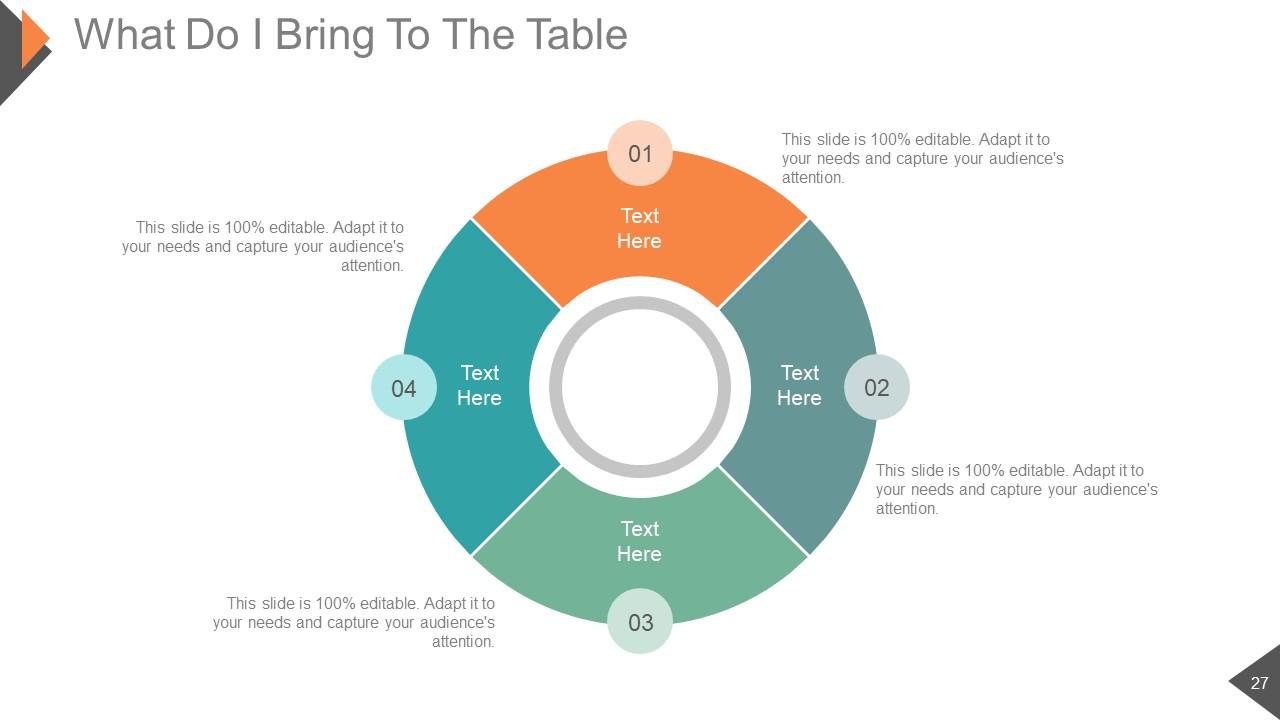
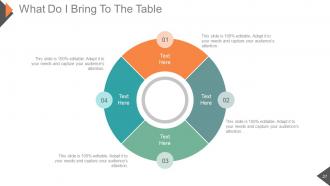
Slide 27: This slide showcases What Do I bring to the table.
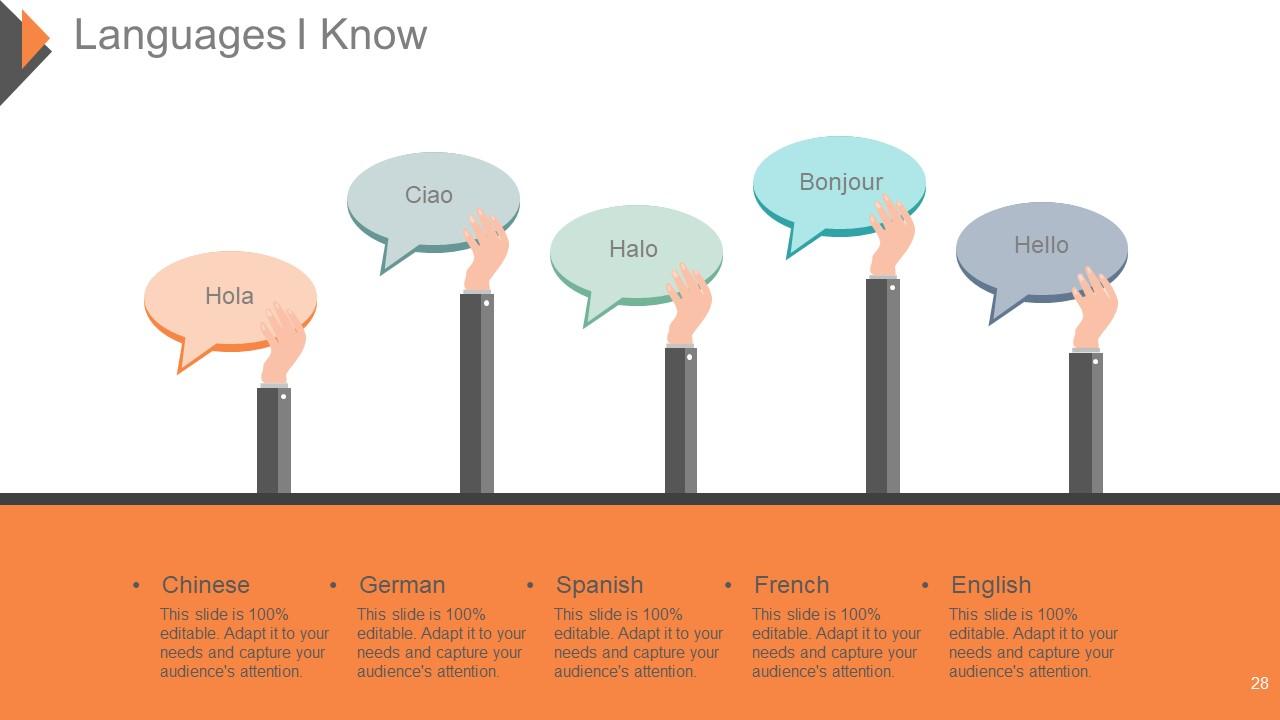
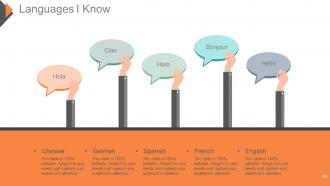
Slide 28: This is Language I know slide to show expertise as a polyglot etc.
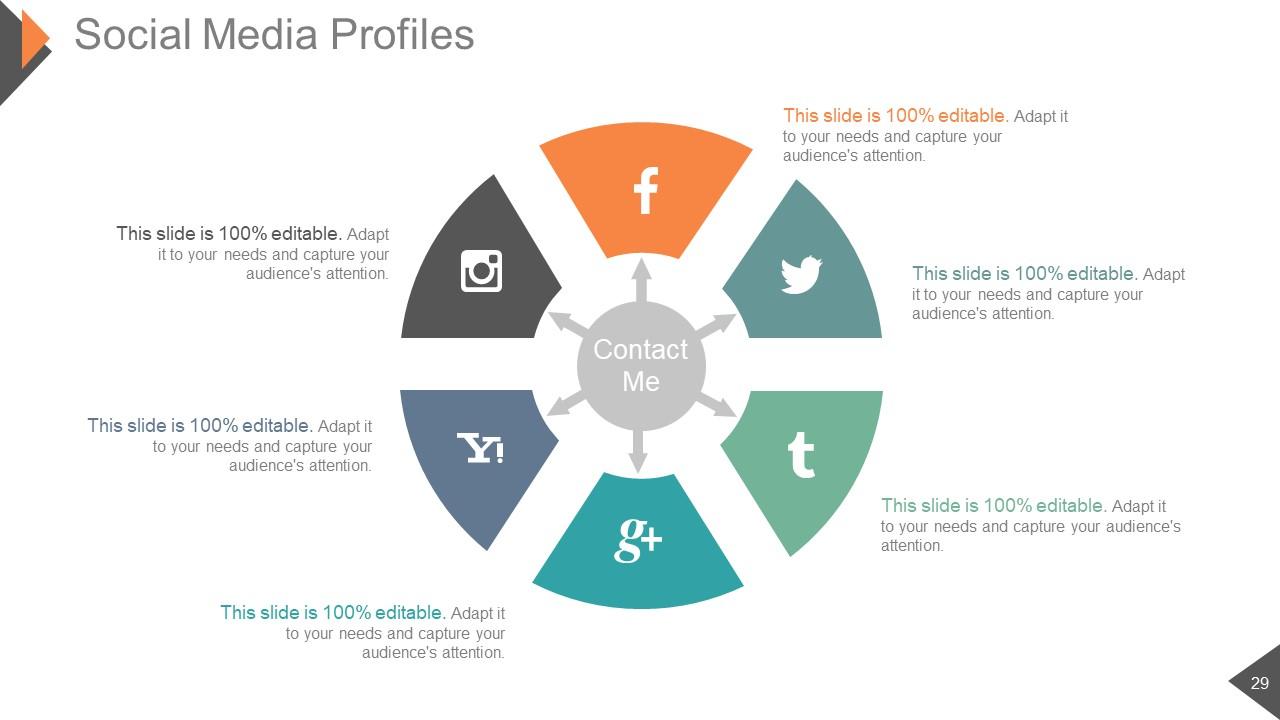
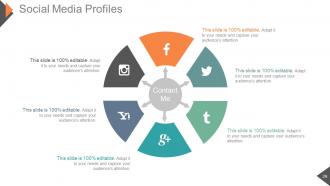
Slide 29: This slide showcases Social Media Profiles to be shown.
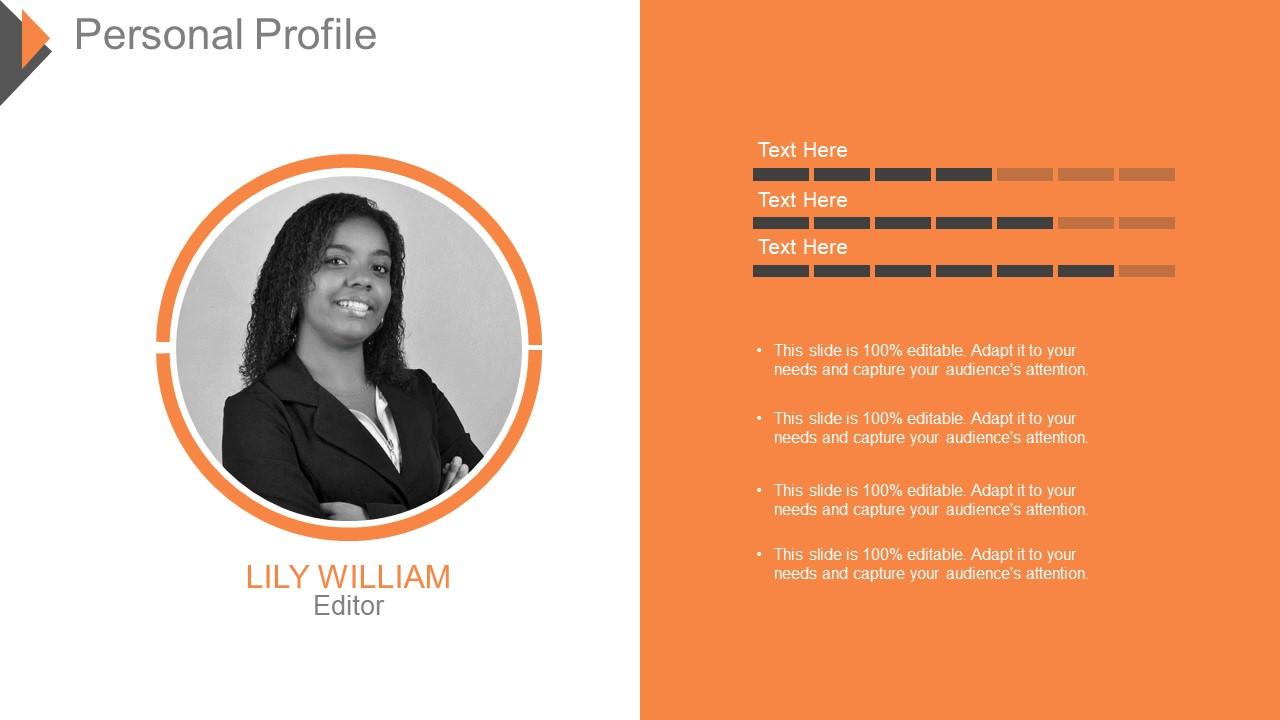
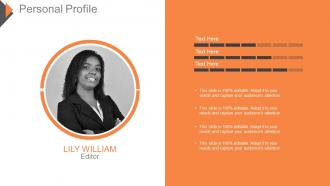
Slide 30: This slide showcases Personal Profiles to be shown.
Slide 31: This slide is titled Additional Slides to proceed. You may change the slide content as desired.
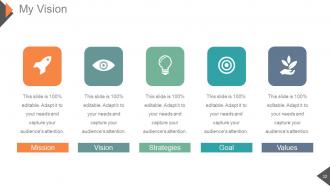
Slide 32: This is My Vision slide with mission, strategies, goal, values etc. to state.
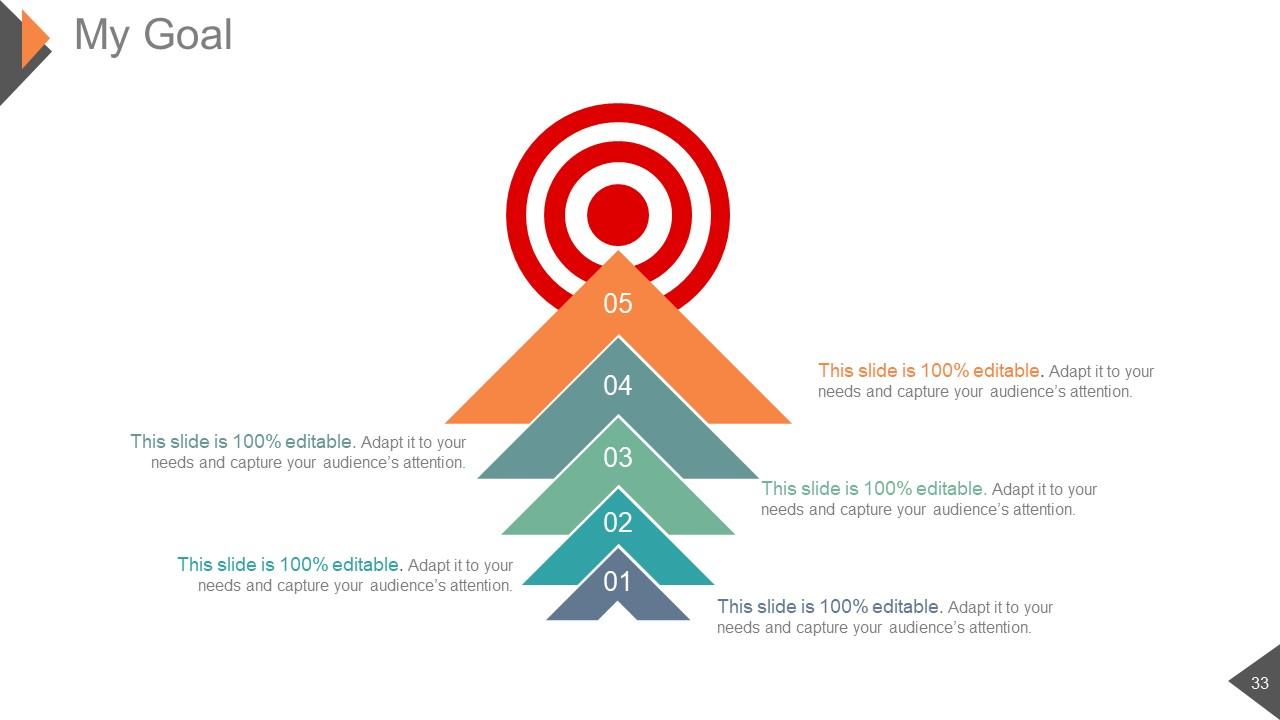
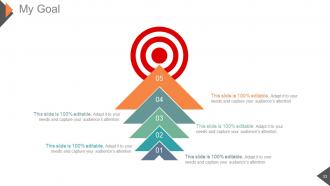
Slide 33: This is My Goal slide. State your professional goals here.
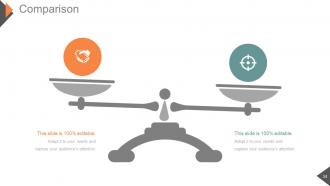
Slide 34: This is a Comparison slide to compare two entities/ products etc.
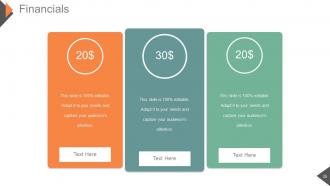
Slide 35: This slide is titled as Financials. Show finance related stuff here.
Slide 36: This is a Quotes slide. You may add/modify the slide content as per need.
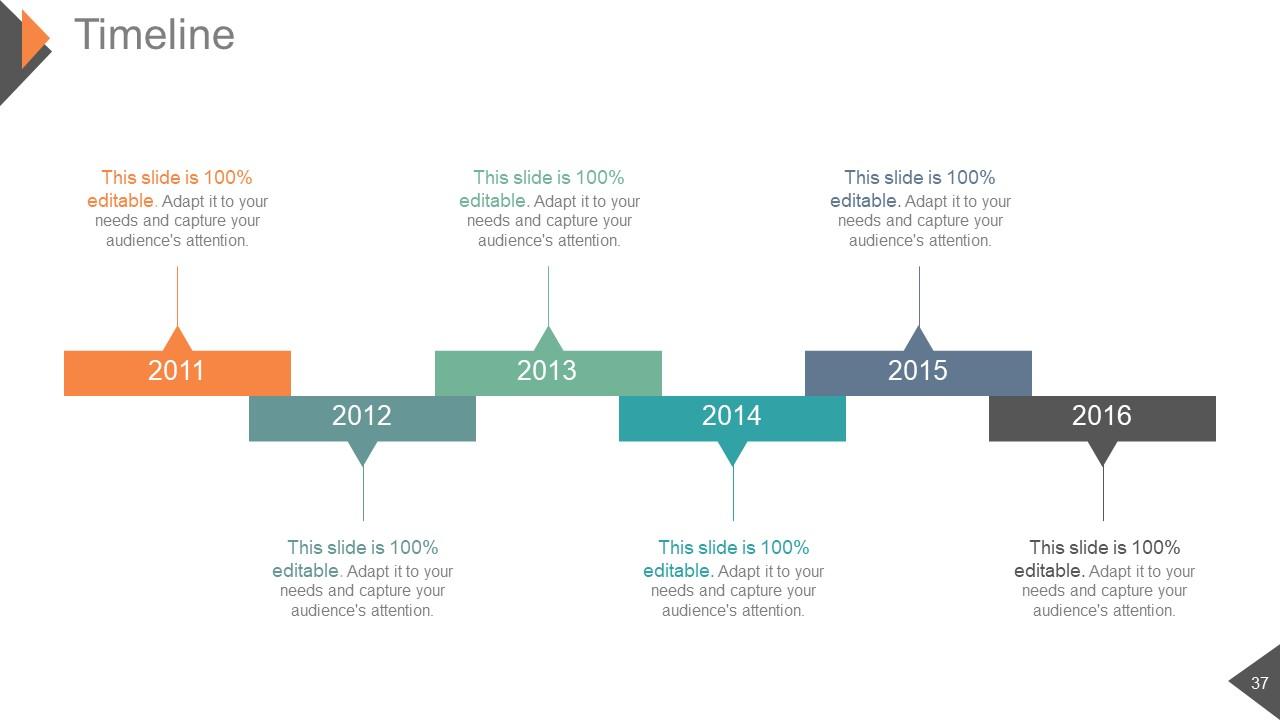
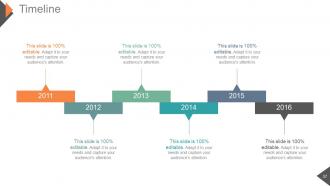
Slide 37: This is a Timeline slide to show growth factors, milestones, highlights, etc.
Slide 38: This is a Puzzle image slide to show information, specifications etc.
Slide 39: This is a Post It notes for reminders, events, news or memorabilia.
Slide 40: This is My Target slide imagery. State your targets etc. here.
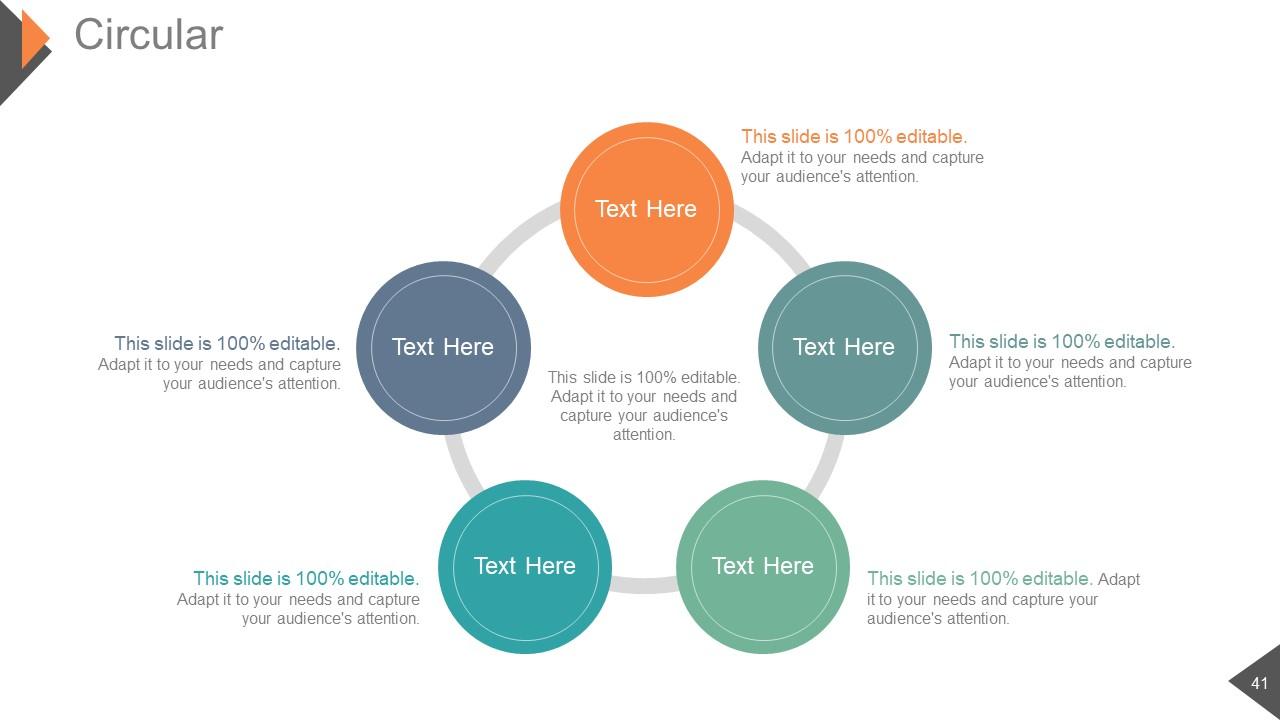
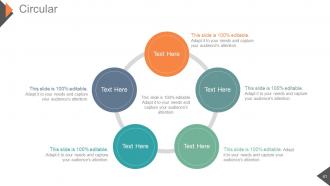
Slide 41: This is a Circular image slide to show information, specifications etc.
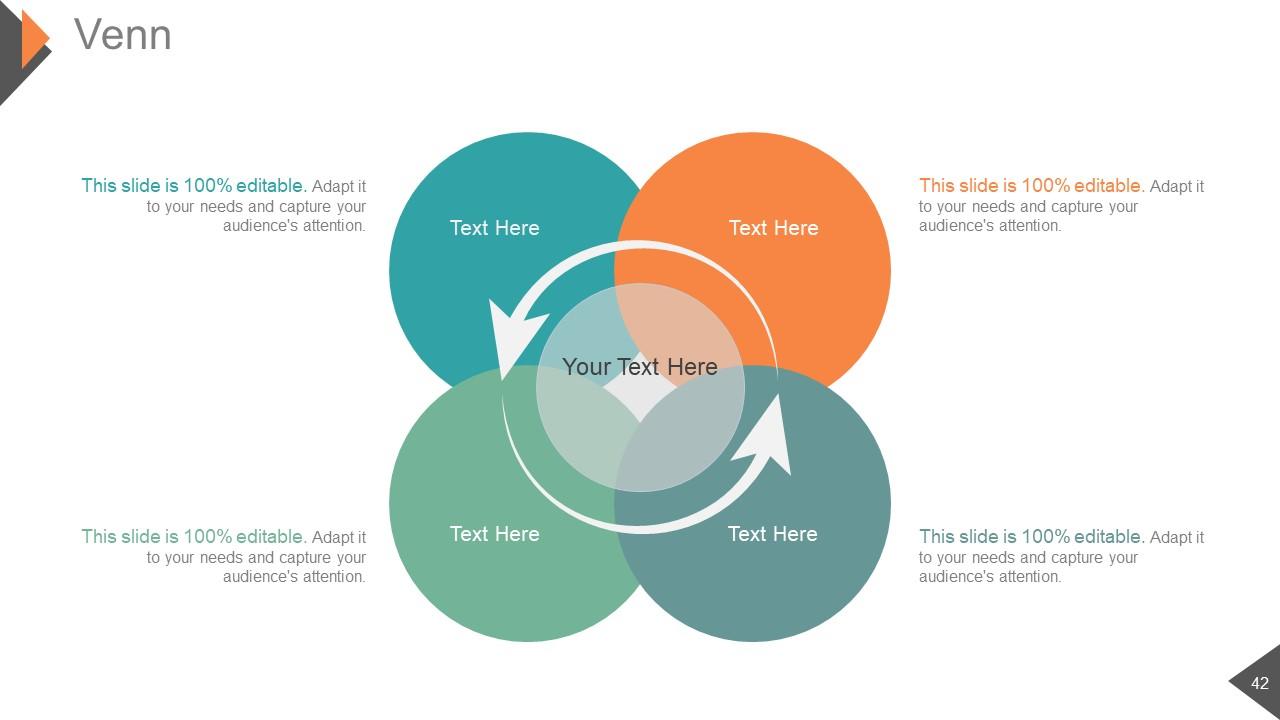
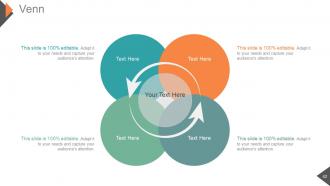
Slide 42: This is a Venn diagram image slide to show information, specifications etc.
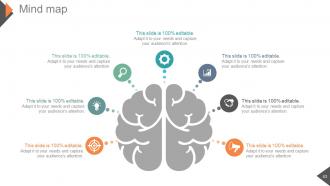
Slide 43: This slide displays a Mind Map image to show behavioural segmentation or anything relative to it.
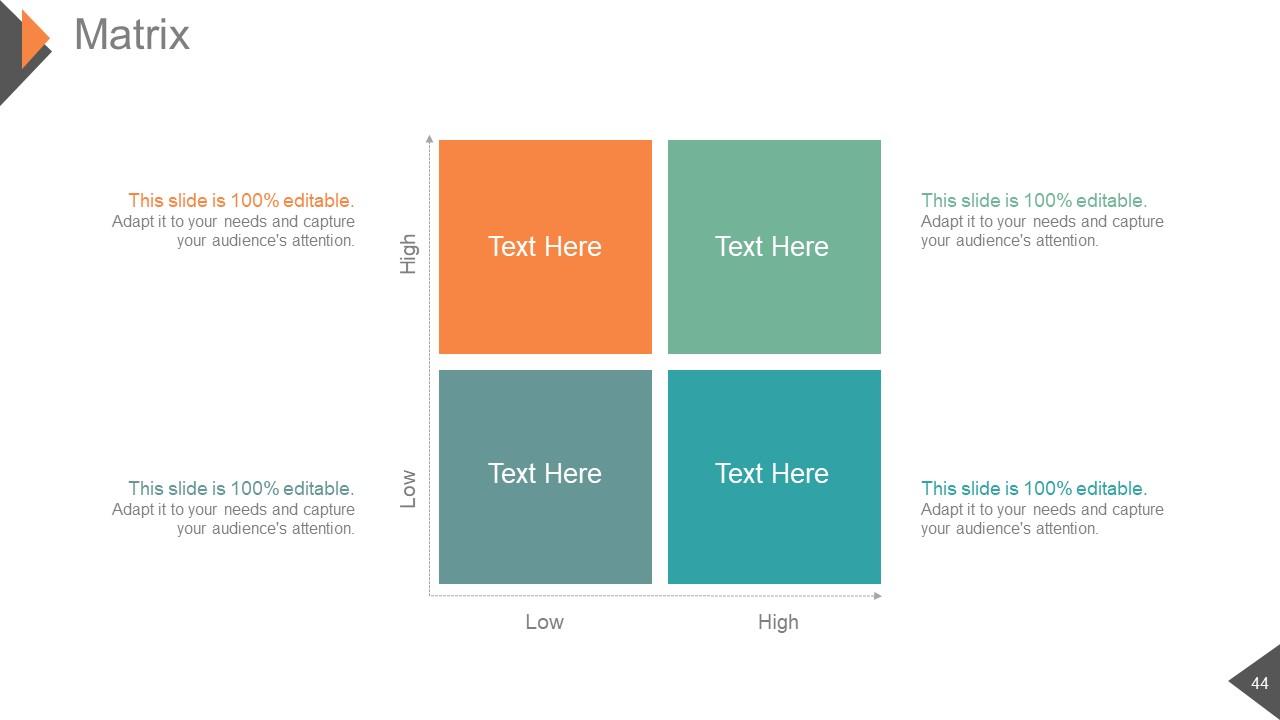
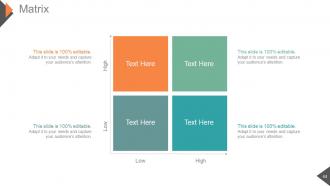
Slide 44: This is a Matrix slide to show information, comparison, specifications etc.
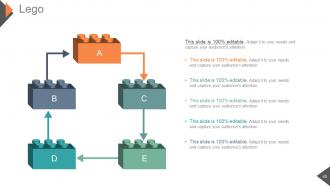
Slide 45: This is a Lego box image slide to show information, specifications etc.
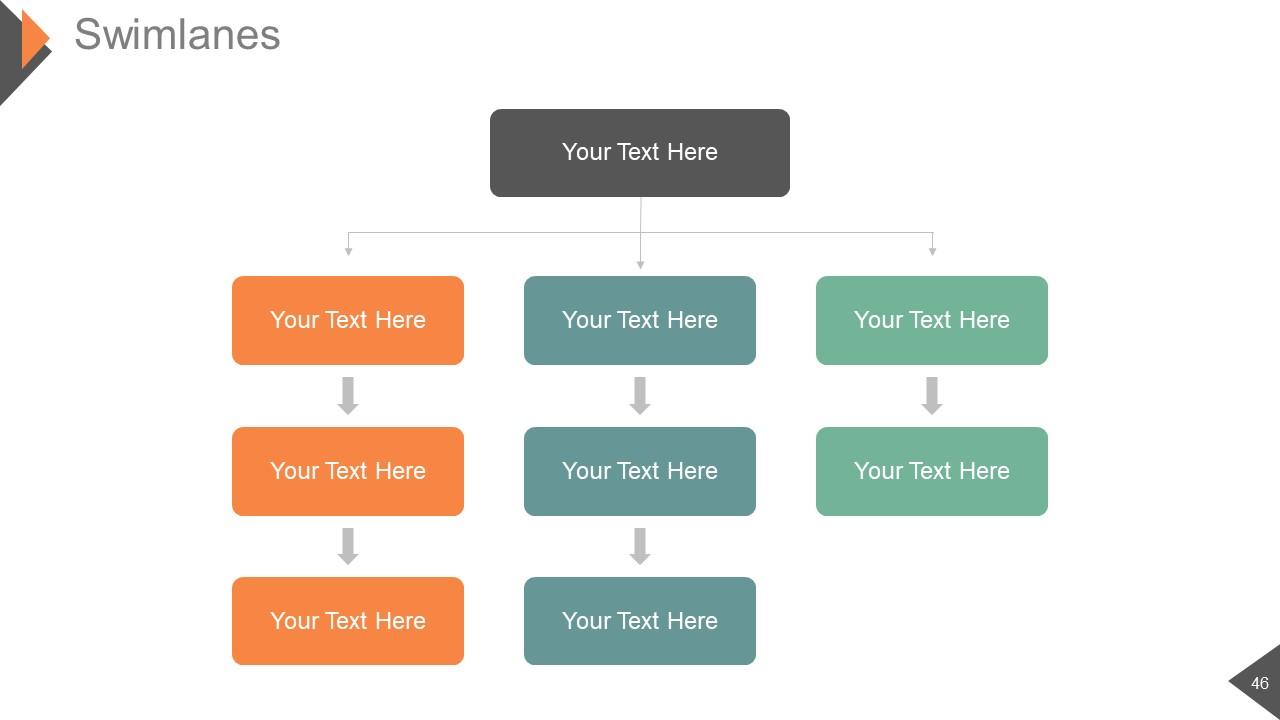
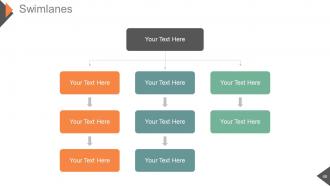
Slide 46: This slide presents Swimlanes.
Slide 47: This is My Idea slide imagery. State your ideation, targets etc. here.
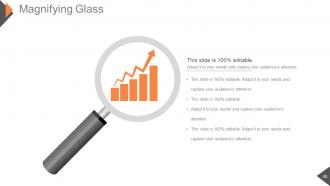
Slide 48: This is a Magnifying glass image slide to show information, scoping aspects etc.
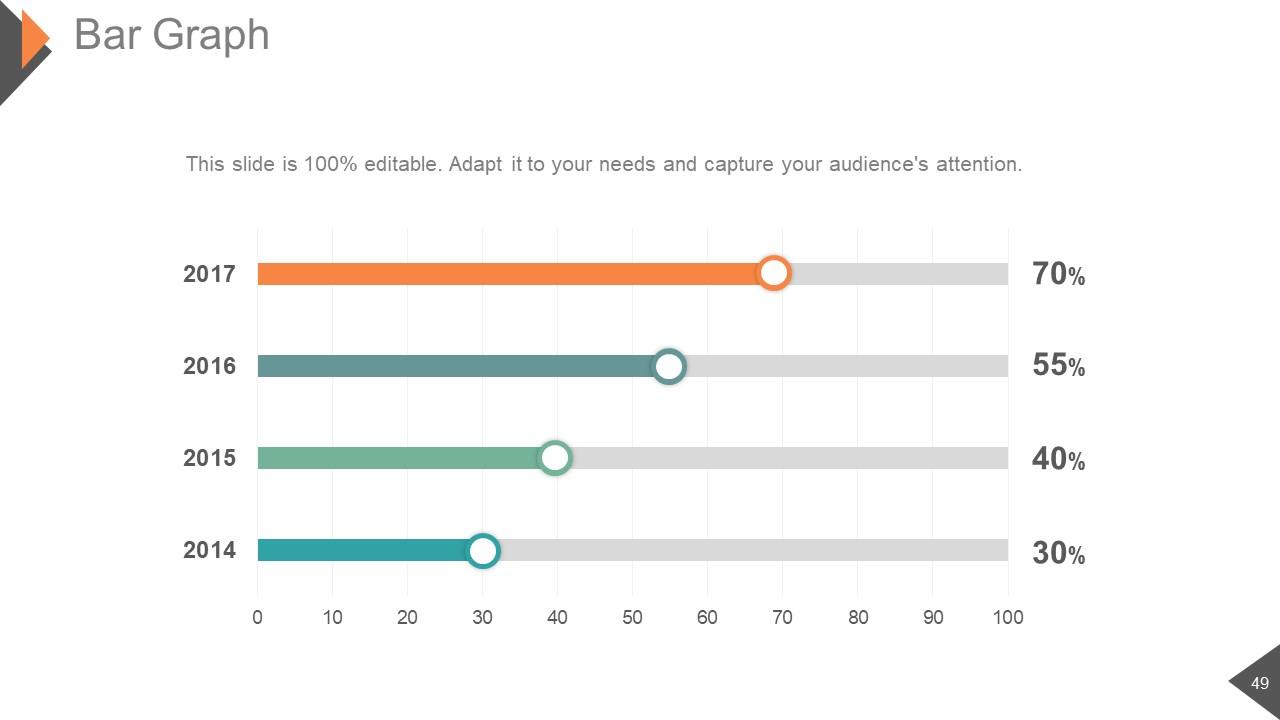
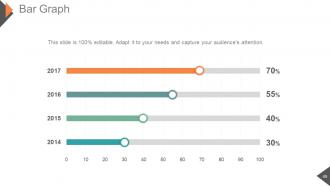
Slide 49: This is a Bar Graph slide to state product/entity comparison, specifications etc.
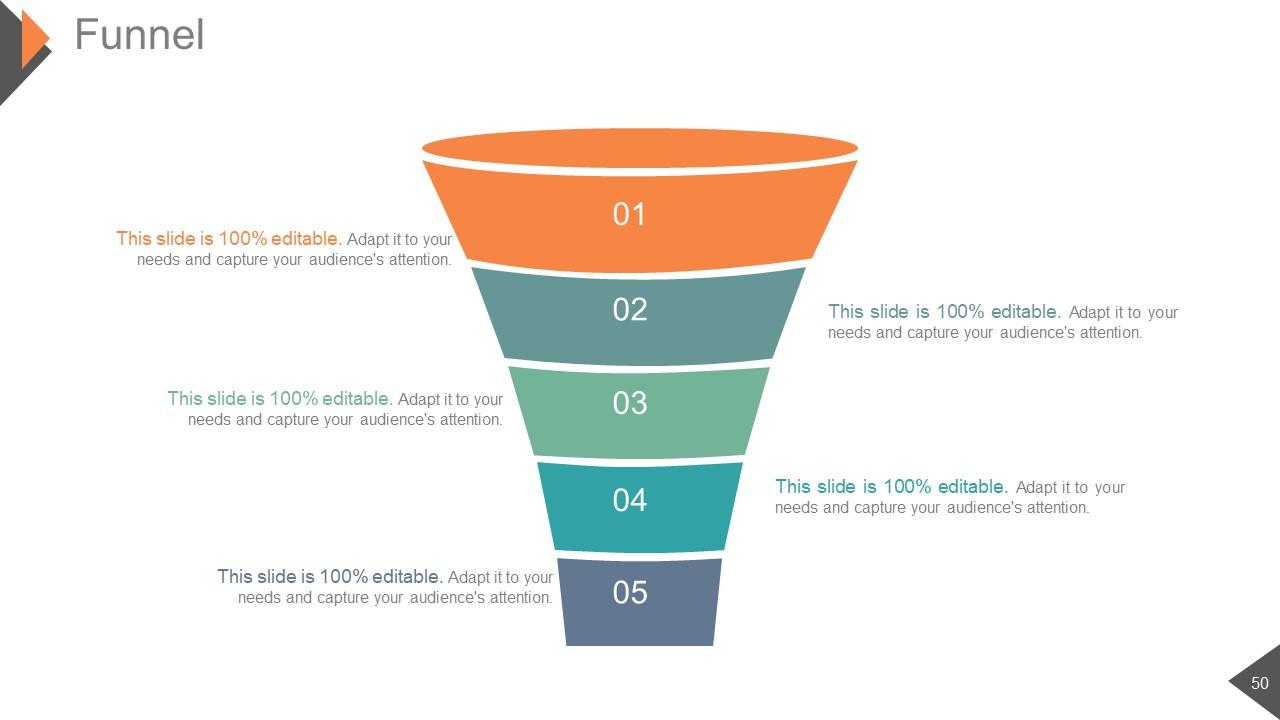
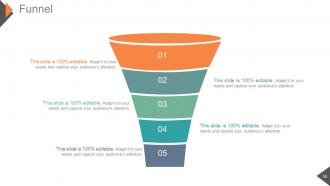
Slide 50: This is a Funnel image slide to show funneling aspects, specifications etc.
Slide 51: This is a Thank You slide with Address# street number, city, state, Contact Numbers, Email Address.
Introduction Speech About Yourself In Company Meeting Powerpoint Presentation Slides with all 51 slides:
Control the conditions with our Introduction Speech About Yourself In Company Meeting Powerpoint Presentation Slides. Don't let anything get out of hand.
-
Helpful product design for delivering presentation.
-
The Designed Graphic are very professional and classic.
