

Modelo de PPT de Pitch Deck de Empresa de Calçados e Acessórios





Try Before you Buy Download Free Sample Product
 Impress Your
Audience
 100%
Editable
 Save Hours
of Time


Quanto mais rápido você conseguir colocar um produto no mercado de Vestuário, mais competitiva será sua empresa. Devido à necessidade de velocidade no mercado, as empresas AFA devem manter uma cadeia de suprimentos ágil. Além disso, a tendência crescente de mais temporadas de moda, alta proliferação de unidades de manutenção de estoque de SKU e fornecimento e produção em todo o mundo sobrecarregaram as cadeias de suprimentos em todo o setor. Esta apresentação do pitch deck de calçados e acessórios inclui vários desafios enfrentados pelos clientes, como a baixa qualidade do material utilizado pelas empresas fabricantes, atendendo às diversas expectativas dos clientes, etc. Inclui as soluções oferecidas pela empresa calçadista, que abrange novos produtos de tecnologia fornecidos pela empresa calçadista, seu histórico, missão, estatísticas significativas, etc. Abrange o slide da proposta de valor, que mostra por que um cliente deve comprar um produto ou serviço de nosso negócio, como acessibilidade, aspectos de inovação, etc. , este modelo inclui tendências significativas relacionadas à indústria de calçados e acessórios. Ele ajuda a abordar o mercado-alvo primário da empresa. A proposta abrange slides relacionados a Percentual de Crescimento de Mercado Ano a Ano, Análise Competitiva com Mapa Perceptual, solicitações de investimento da empresa com informações relacionadas à utilização de recursos, etc. Acesse o pitch deck 100% editável e faça o download agora.
People who downloaded this PowerPoint presentation also viewed the following :
Conteúdo desta apresentação em PowerPoint
Slide 1 : Este slide exibe o título, ou seja, 'Pitch Deck da Empresa de Calçados e Acessórios'.
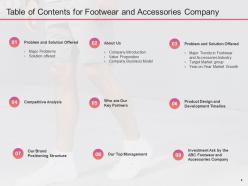
Slide 2 : Este slide apresenta o índice.
Slide 3 : Este slide mostra o índice.
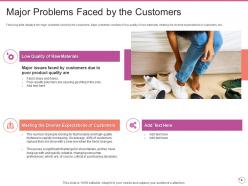
Slide 4 : Este slide mostra os principais problemas enfrentados pelos clientes.
Slide 5 : Este slide mostra os produtos de maior qualidade que o consumidor recebe como resultado da nova tecnologia.
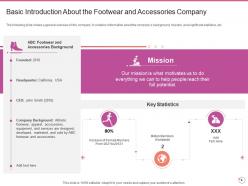
Slide 6 : O slide apresenta uma visão geral da empresa.
Slide 7 : Este slide mostra a proposta de valor oferecida pela empresa calçadista.
Slide 8 : Este slide mostra o modelo de negócios da empresa de calçados e acessórios.
Slide 9 : Este slide mostra as principais tendências do setor de calçados e acessórios.
Slide 10 : Este slide aborda o principal mercado-alvo da empresa.
Slide 11 : Este slide mostra o crescimento anual do mercado da indústria de calçados e acessórios.
Slide 12 : Este slide mostra o cenário competitivo e o mapa perceptivo.
Slide 13 : Este slide mostra a parceria chave que faz o modelo de negócios funcionar.
Slide 14 : Este slide mostra a linha do tempo de design e desenvolvimento do produto.
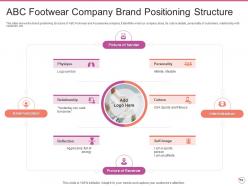
Slide 15 : Este slide mostra a estrutura de posicionamento de marca da empresa ABC Calçados e Acessórios.
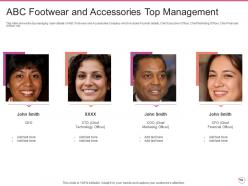
Slide 16 : Este slide mostra os detalhes da equipe gestora da ABC Footwear and Accessories Company.
Slide 17 : Este slide apresenta informações sobre a necessidade de financiamento da empresa ABC Calçados e Acessórios.
Slide 18 : Este slide mostra os detalhes de contato do pitch deck da ABC Calçados e Acessórios.
Slide 19 : Este é o slide dos ícones.
Slide 20 : Este slide apresenta o título para slides adicionais.
Slide 21 : Este slide mostra sobre sua empresa, público-alvo e os valores de seus clientes.
Slide 22 : Este slide apresenta a visão, missão e objetivos da sua empresa.
Slide 23 : Este slide mostra gráficos de barras empilhadas de lucros anuais para diferentes produtos. Os gráficos estão vinculados ao Excel.
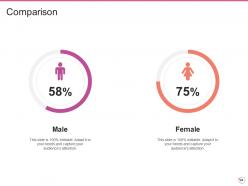
Slide 24 : Este slide mostra a comparação de produtos com base em seleções.
Slide 25 : Este slide mostra as finanças.
Slide 26 : Este slide mostra as ideias geradas.
Slide 27 : Este slide mostra a linha do tempo anual.
Slide 28 : Este slide apresenta metas/objetivos.
Slide 29 : Este slide mostra postagens de experiências anteriores de clientes.
Slide 30 : Este é o slide de agradecimento e contém detalhes de contato da empresa, como endereço do escritório, número de telefone etc.
Calçado e acessórios Empresa Pitch Deck Ppt Template com todos os 30 slides:
Use nosso modelo de PPT Pitch Deck da empresa de calçados e acessórios para ajudá-lo a economizar seu valioso tempo. Eles estão prontos para caber em qualquer estrutura de apresentação.










FAQs for Footwear and accessories company pitch
Right now everyone's obsessed with sustainability and comfort-first stuff. Brands are going crazy with recycled materials - like literally everyone's trying to figure out the eco thing. Those chunky dad sneakers are somehow still everywhere (honestly makes no sense to me lol). But the real action is in shoes that work for workouts AND casual wear. Step tracking and temperature control aren't fancy extras anymore, they're just expected now. If you're looking at sourcing anything, focus on sustainable materials and versatile designs. That's where people are actually spending their money these days.
Ugh, shoe materials are such a pain because there's always a trade-off. Synthetic stuff like rubber and polyurethane will last forever and handle water great, but they're basically plastic that never breaks down. Leather and canvas biodegrade eventually, which is nice. Though leather production is pretty rough on the environment too. I'd just pick based on what you need - get quality leather dress shoes if you want them for years, or go with recycled synthetics for sneakers since you'll probably replace those anyway. There's honestly no perfect answer yet.
Honestly, accessories are what make everything click together. You want some kind of connection between your shoes and at least one other thing you're wearing - could be color, texture, whatever. Like if you've got sleek black boots on, maybe grab accessories with clean lines too, or something with metallic bits that match the hardware. I totally used to stress about this way too much though lol. But really, just pick one element that ties things together and go from there. Don't overthink it - sometimes the simplest connections look the best anyway.
Honestly, athleisure totally changed everything. People wear chunky sneakers with literally anything now - jeans, dresses, you name it. I bet your sneaker game has gotten way stronger lately too, right? Even saw someone rock Nikes with a blazer at work last week. Baseball caps aren't just for the gym anymore either. Crossbody bags have that sporty vibe going on, and fitness trackers actually look cute now. The whole thing is about comfort first - stuff that works whether you're hitting the gym or grabbing lunch after. When you're shopping, just look for pieces that can do double duty.
Honestly, just match whatever dress code they gave you - trust me, you don't want to be that person who shows up in flip-flops to a fancy dinner. Think about what you'll actually be doing too. Standing around all day? Get something comfortable with good support. Walking on weird surfaces or dealing with rain? Non-slip soles are your friend. I learned this the hard way at my last work thing where I wore cute but terrible shoes and my feet were dying by noon. Some jobs need safety features too, but that's probably obvious. Just be realistic about the activity level and pick shoes that won't make you miserable.
Dude, the shoe tech these days is actually insane. Smart sensors can track your gait now, and there's these responsive foams that literally adapt while you're running. Materials are way lighter but still supportive - less fatigue on long runs. Oh, and moisture-wicking stuff keeps your feet from turning into swamps during workouts lol. Some brands even do customizable cushioning zones which sounds fancy but actually works. When you're shopping, just look for whatever proprietary foam tech they're bragging about. Nike's got their thing, Adidas has theirs - they're all pretty solid honestly.
Honestly, it all depends on what your shoes are made of. Leather ones just need a quick wipe after wearing and some conditioner once a month - otherwise they'll crack like crazy. Suede is such a pain (I swear I only buy suede when I'm feeling masochistic), but get a proper suede brush and you can bring back that texture. Canvas sneakers? Just toss them in the washing machine on gentle, though don't put them in the dryer. Always rotate between pairs instead of wearing the same ones every day. Oh, and stuff them with newspaper when you're not wearing them so they keep their shape.
Yeah, culture totally changes what people wear on their feet. Take Japan - they're always taking shoes off, so slip-ons and house slippers are everywhere. Texas? Still obsessed with cowboy boots even for grocery runs (which honestly I kinda love). Religious stuff matters too - lots of Islamic countries go for closed-toe styles. Weather's obvious, but there's so much more. Local fashion trends, how much money people have, even what your office expects. I swear workplace dress codes shape whole cities' shoe choices. If you're buying for different places, definitely look up their specific cultural quirks first.
Dude, sneaker tech is getting wild right now. Nike's got those self-lacing shoes, plus there's fitness tracking built right into the soles. Temperature-regulating materials too - sounds like sci-fi but it's real. Sustainability's everywhere now with recycled ocean plastic and plant-based stuff that doesn't look terrible anymore. The comfort upgrades are honestly insane though. Memory foam adapts to how you walk, 3D-printed midsoles, even modular designs where you swap parts out. Those chunky dad sneakers are still huge but I'm seeing more clean, minimal styles you can wear anywhere. Look for brands doing both eco-friendly and smart features.
Dude, accessories are a game changer. Start with your shoes - swap those beat-up sneakers for leather loafers or clean white sneakers. Makes such a difference. A decent watch or structured bag instantly makes jeans and a tee look intentional instead of like you rolled out of bed. Don't go crazy though - pick one or two nicer pieces max. I learned this the hard way after looking like I was trying way too hard lol. Even just a quality belt can pull everything together. It's wild how small changes make you look so much more put-together.
Yeah, shoe preferences totally change with age. Kids and teens are obsessed with whatever sneakers are blowing up on TikTok - Nike, Adidas, you know the drill. People in their 20s and 30s bounce between athletic shoes and fashion sneakers, maybe throw in some boots. Once you hit middle age though? Comfort becomes everything. Walking shoes, loafers, anything that won't kill your feet after work. My mom's constantly talking about her "good walking shoes" now. Seniors are all about stability and support - makes sense honestly. If you're buying for a store or whatever, just think about what each age group actually needs day-to-day first.
Ugh, don't even get me started on bad shoe sizes! Too tight and you'll get blisters, bunions, and those awful ingrown toenails. Loose shoes are just as bad though - your feet slide around creating friction and you feel wobbly. The worst part? It throws off your whole posture and then your knees, hips, and back start hurting because your body's trying to compensate. I made this mistake with some adorable heels once and literally limped for days. Get measured regularly since feet change over time, and always shop for shoes in the afternoon when they're slightly swollen.
Dude, brand names totally dominate shoe buying - way more than comfort or actual quality. People will drop 3x the cash on Nike vs some random brand with identical specs. Just because of that swoosh! It's kinda crazy when you think about it. The logo becomes this whole identity thing and status symbol. I mean, my cousin literally won't wear anything without a recognizable brand. For stores, slapping those big logos everywhere and partnering with major brands sells way better than pushing technical stuff or deals.
So basically, seasons control everything in fashion. Fall and winter? Everyone wants boots and scarves. Then spring hits and suddenly it's all sandals and sunglasses. Materials change too - lighter fabrics and metals when it's hot, then heavy wools and leather once it gets cold. Colors follow what's happening outside, like earth tones in fall or those soft pastels in spring. People also just get bored honestly and want something new! The tricky part is you need to plan like 3-4 months ahead because production takes forever. Start designing your spring line while customers are still buying winter stuff - it's weird but that's how it works.
Honestly, yeah - good shoes are worth it. I went through three crappy work pairs in one year before I figured this out lol. Better materials and construction mean they'll actually last. Your feet feel way better too with proper arch support. Cheap ones fall apart fast and can mess up your posture. Though expensive doesn't always equal quality - some mid-range brands are solid without destroying your wallet. Look for leather uppers and brands that back their stuff with warranties. It sounds boring but your daily comfort is huge.
-
Professional and unique presentations.
-
Easily Editable.