

France country powerpoint flags
You must be logged in to download this presentation.




Try Before you Buy Download Free Sample Product
 Impress Your
 Audience
 100%
100% Editable
 Save Hours
 of Time


Set a trend with our France Country Powerpoint Flags. Capture the imagination of your clientele.
People who downloaded this PowerPoint presentation also viewed the following :
France country powerpoint flags with all 11 slides:
Our France Country Powerpoint Flags have clarity of purpose. They are made to get your thoughts across.

FAQs for France
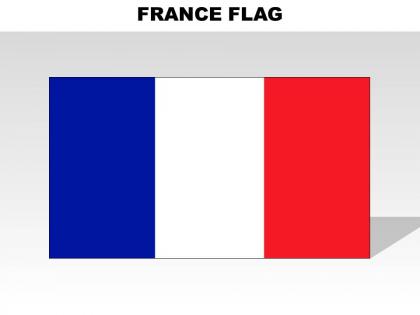
So the French Revolution in 1789 is when they created the tricolor we know today. They basically mashed together the royal white with Paris's red and blue colors. White was for the monarchy, red and blue represented the city - though historians argue about the exact meaning constantly. Before that? Just typical royal banners with fleur-de-lis everywhere. Pretty boring stuff honestly. The revolutionary design stuck because it showed France breaking from the old monarchy. It's wild how you see those flags literally everywhere in Paris now - really shows how much this symbol means to them.
So the French flag colors actually mean something pretty cool - blue is liberty, white is equality, red is fraternity. They come straight from that "liberté, égalité, fraternité" motto you've probably heard before. What's wild is the white was originally the royal color, and they basically stuck it between Paris's blue and red as this political compromise during the revolution. Smart move, honestly. The whole flag tells this story of how revolutionary ideas mixed with the old monarchy stuff. If you're doing that presentation, definitely mention this - it's way more interesting than just saying "it's the French flag" and moving on.
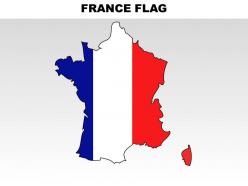
So France doesn't mess around with regional versions of their main flag - it's always that classic blue, white, and red tricolor everywhere. But here's the cool part: each region has its own separate flag that flies right next to it. Brittany's got these bold black and white stripes, Corsica has this badass Moor's head design (seriously, look it up), and Alsace does red and white stripes. You'll see them at government buildings and tourist spots when you're there. The regional ones show off local pride and history, but they never replace the national flag.
Yeah, so the French flag has been those same blue, white, red stripes since 1794 basically. What's different now is the exact shades and how wide each stripe is. Back then they made the white stripe wider so it'd look even when the flag was moving in wind - kinda clever actually. Napoleon did mess around with other designs for a bit, but nobody really cares about that. The version you see everywhere got its official colors locked down in the 1950s with specific color codes. Just use the current official ones if you're making something with it, don't eyeball the colors.
So basically the French tricolor totally replaced the monarchy's white flag during the Revolution. Blue and red were Paris colors, white was the old royal one - kind of a weird compromise that didn't stick around long. Revolutionaries waved it everywhere to show they'd ditched the monarchy. It became this huge symbol for republican ideals, people painted it on buildings and stuff. Honestly, if you've been to Paris you'll notice they still go pretty hard with flag displays on government buildings. Still represents that whole break from royal rule - pretty cool how symbols stick around like that.
Yeah, tons of countries basically copied France's three-stripe thing! Italy, Belgium, Romania - they all went with that vertical layout but just changed up the colors. Makes sense though, why reinvent the wheel? After the French Revolution, those stripes kinda became the symbol for modern democracy. Chad and Ivory Coast did the same thing when they got independence from their colonial rulers. Actually, it's pretty wild how one flag design spread everywhere like that. The vertical stripes became this universal shorthand for "we're a legit democratic nation" across totally different cultures.
So the French flag colors actually mean something! Blue represents liberty, white is equality, and red stands for fraternity - those were the big ideals from the French Revolution. What's kinda genius is how they kept the old royal white but stuck it between blue and red (which were tied to French saints). Each color had real meaning people could get behind. You'll notice these colors everywhere in French branding and design - not just the flag. It's wild how much national identity gets wrapped up in three simple colors, honestly.
Yeah, the French flag shows up everywhere in protests now - Yellow Vests, far-right groups, pro-EU people, you name it. Everyone thinks it represents the "real" France, which is honestly pretty fascinating when you think about it. Same flag, completely different meanings depending on who's waving it. Context is everything though. Protesters basically use it to make their cause look more patriotic and legitimate, whether they're mad about taxes, immigration, whatever. Oh, and if you're studying French politics - always check what other symbols they're using alongside the tricolor. That'll tell you way more about what they actually stand for.
So for French holidays, government buildings have to put up the tricolore from sunrise to sunset - it's actually the law for them. You can totally fly one at your house too if you want, no legal requirement but people appreciate it. Just make sure you get the colors right: blue goes by the flagpole, then white, then red. Oh and don't use some ratty old flag with holes in it lol. Honestly the sunrise-to-sunset thing is pretty much the only rule you need to follow at home. Shows respect and all that.
Honestly, France's flag isn't that unique compared to other EU countries - most of them stick to simple designs with just 2-3 colors. You've got horizontal stripes everywhere (Germany, Netherlands), Nordic crosses, other tricolors, the usual stuff. What's cool about France's is the vertical stripes instead of horizontal ones, which is way less common. Plus it's one of the older flags that actually influenced a bunch of others. Oh and apparently the blue and red originally represented Paris while white was for the monarchy - though obviously that's changed over time. Easy way to spot it: it's the only vertical blue-white-red combo in the EU.
Yeah, there's definitely some drama around the tricolor these days. Far-right groups have basically tried to hijack it as their symbol, which makes regular people feel weird about displaying it. Pretty frustrating honestly. The whole thing gets tangled up with immigration debates and arguments about what being "truly French" means. Also secularism stuff - you know how heated those discussions get. Short answer: the flag carries way more political baggage now than it used to. Just something to keep in mind if you're doing that France project.
Don't let it touch the ground, keep it clean, and fold it properly when storing. Blue stripe goes on the left from where you're standing - learned that one the hard way lol. The French are pretty serious about their flag so don't mess with it! Raise it quickly but lower it slowly and ceremonially. If you're displaying it with other flags, same height unless you're actually in France where theirs gets priority. Oh and always use both hands when handling it. Basically just treat it like any national symbol deserves - with respect.
So most artists don't just slap the actual flag on stuff - they're way more creative than that. Fashion designers will do stripes or color blocks with the blue, white, and red. Graphic designers break it down into clean, minimalist pieces. Chanel's nautical stuff is a perfect example, or like street art that hints at those colors without being super obvious about it. The trick is being subtle, honestly. Some French brands do this really well if you want to see how it's done properly. Way better than just copying the flag directly, you know?
Okay so the French flag is basically everything to them - those three colors literally mean liberty, equality, and fraternity from their revolution. During protests or national holidays, it's everywhere because people connect with those shared values instantly. Honestly it's kind of amazing how three stripes can unite millions of people like that. When there's a crisis or big celebration, the flag becomes this visual reminder of what France actually stands for. Oh and if you're studying French stuff, notice when they use it - there's always a reason behind it.
So the basic French flag is always blue, white, red stripes - same whether it's hanging at city hall or a military base. Military ones get fancy though with unit crests and battle honors sewn on. Plain civilian versions are just the three colors, nothing else. Quality's usually better on military flags since they represent units with serious history. Oh and the proportions can be weird - some military versions are 2:3 ratio instead of the normal one. Honestly depends what you're looking for when you buy one.
-
Editable templates with innovative design and color combination.
-
Great experience, I would definitely use your services further.