


Ideas to improve customer experience powerpoint presentation slides




Try Before you Buy Download Free Sample Product
 Impress Your
 Audience
 100%
100% Editable
 Save Hours
 of Time


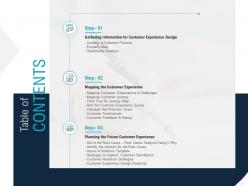
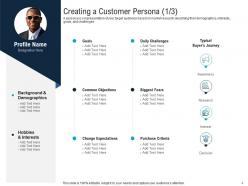
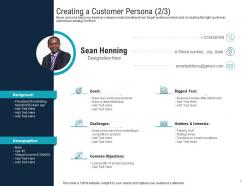
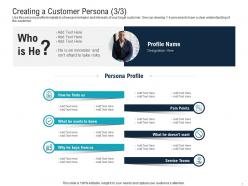
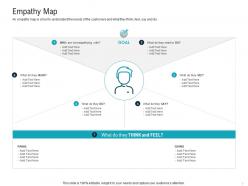
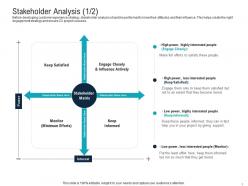
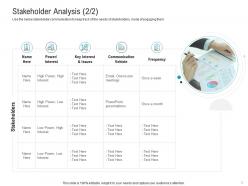
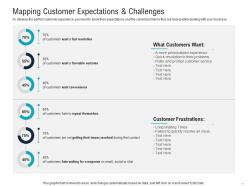
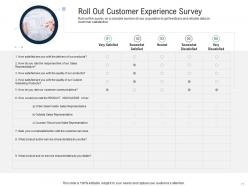
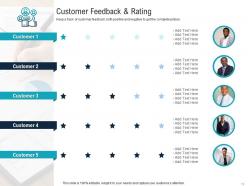
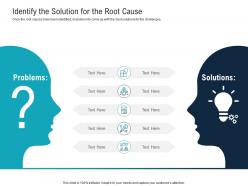
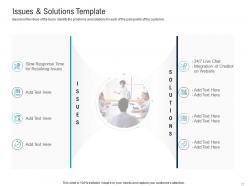
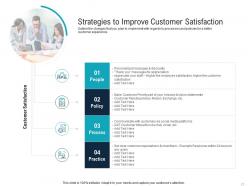
Gather information for customer experience design with the help of Ideas To Improve Customer Experience PowerPoint Presentation Slides. Create a customer persona by developing a deeper understanding of the target audience. Showcase the behavior and interests of your target customers with the help of a ready-to-use PowerPoint slideshow. Understand the needs of the customers and showcase the details. Showcase stakeholders analysis which helps to create the right engagement strategy and CX project success. Map out your customer’s experience and challenges with the help of the customer experience strategy PPT slide deck. Explain how your customers interact with your brand and their expertise through these modern-designed templates. Take the assistance of our readily available PPT presentation to display the customer experience survey and depict data on consumer satisfaction. Also, calculate the net promoter score and showcase client testimonials with the help of customer relationship management PPT slide design.
People who downloaded this PowerPoint presentation also viewed the following :
Ideas to improve customer experience powerpoint presentation slides with all 36 slides:
Use our Ideas To Improve Customer Experience Powerpoint Presentation Slides to effectively help you save your valuable time. They are readymade to fit into any presentation structure.





FAQs for Ideas to improve customer experience
Honestly, it comes down to a few big things. Make interactions smooth and fix problems fast - nobody wants to wait around forever. Personalization matters too, but like, the real kind where they actually feel heard, not just "Dear [FIRST_NAME]" garbage. Keep everything consistent whether they're texting, calling, or whatever. The best part though? Try to solve their problem before they even realize they have one. I'd start by looking at your customer journey - where are people getting frustrated or dropping off? That'll show you exactly what needs fixing first.
Get feedback from everywhere - surveys, social media, review sites, customer calls. But here's where most companies totally blow it: they collect all this stuff then do nothing with it. Seriously drives me crazy. Anyway, you've gotta actually look for patterns. Spreadsheets work fine for small volume, or get proper feedback software if you're drowning in responses. The magic happens when you close the loop though - make changes based on what people tell you, then circle back to let them know you listened. Pick one method this week and review monthly for trends.
Dude, training your employees is seriously a game-changer. Start with product knowledge - customers can instantly tell when someone actually knows their stuff vs. just BS-ing their way through. Then add some basic people skills training. Active listening, empathy, how to deal with angry customers without losing your mind (trust me, this one's huge). I've watched teams completely flip their customer satisfaction scores in like a month just from this. Oh, and don't try to do everything at once - it gets overwhelming. Your customers will notice the difference right away though.
Honestly, AI chatbots are getting scary good - they actually get what you're asking now instead of giving those robotic responses. Personalization is everywhere too, like when Netflix somehow knows exactly what garbage reality show you want to binge. Your customers expect that same level of "gets me" across every platform they use. Voice tech and smart devices are opening up weird new ways to interact with brands (my friend ordered pizza through her smart fridge last week, which is both cool and concerning). I'd say figure out where you're bleeding customers first, then tackle whichever tech actually fixes that specific problem.
Honestly, personalization is huge because it makes people feel like you actually know them. Think about your favorite coffee shop - when they remember your usual order, you're way more likely to keep going back there, right? Same thing with brands. Customers will stick around when you show you "get" their preferences and buying habits. Nobody wants to switch to a competitor and have to start from scratch explaining what they want. Quick tip though - you don't need fancy tech to start. Just use the customer data you already have to make your emails and product suggestions feel more personal. Works way better than generic stuff.
Honestly, the best wins don't cost much. Personalize those email responses and actually follow up - sounds obvious but most people skip this part. Jump into social media conversations when people mention your brand. Free engagement right there. User-generated content is gold too since customers already love showing off what they bought. Quick how-to videos work great for cutting down support tickets before they happen. I'd probably start with the social media thing first since it's immediate. Pick one and try it this week!
Honestly, visual stuff is a game-changer for getting your team to actually *get* customer insights. Spreadsheets just make people's eyes glaze over. Try dashboards or heatmaps instead - they tell the real story behind all those numbers. Charts help everyone spot trends and problems they'd miss otherwise. Leadership especially loves this approach because they can see the point immediately without digging through data. Journey maps are great to start with, or even simple satisfaction scorecards. Makes your findings way stickier and actually drives decisions instead of just sitting in some forgotten presentation deck.
Honestly, social media works way better when you actually talk to people instead of just posting into the void. Jump on comments and DMs fast - everyone's impatient these days. Set up alerts so you catch when people mention your brand (even the complaints, ugh). Instagram Stories are perfect for quick polls and feedback. People genuinely love giving their opinions about stuff. The whole trick is being helpful first, not constantly trying to sell. Oh, and make sure it feels like there's an actual human running things, not some corporate robot. Nobody wants to chat with a brand that sounds like a press release.
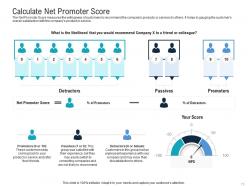
NPS is probably your best starting point - shows how likely people are to actually recommend you to others. For immediate feedback on specific stuff, CSAT works great. Then there's Customer Effort Score, which honestly more companies should pay attention to because everyone hates when things are complicated. Track your retention rates too, and maybe support ticket times if that's relevant. But seriously, don't go crazy measuring everything - pick like 2 or 3 that actually matter for what you're trying to accomplish. You'll just overwhelm yourself otherwise.
Honestly, getting different departments to actually work together is a game-changer for customers. No more silos where someone has to explain their problem like three times to different people - such a pain. Sales knows what makes people buy, support sees where everything goes wrong, and product teams understand which features actually matter. The good stuff happens when you mix all that knowledge together. I'd start with monthly meetings where everyone just shares what they're hearing from customers. It's wild how much better the experience gets when teams aren't working in their own little bubbles.
Look, first thing - respond fast and acknowledge they're pissed off. People just want to feel heard, you know? Try to figure out what's really bugging them because sometimes they're mad about something completely different. Ask questions to get the whole story, then give them an actual solution with dates. Don't take it personally even when they're being total jerks about it (easier said than done, I know). Write everything down so you can catch patterns later. Here's the thing though - other customers see how you handle drama, so it's actually a chance to look good. Turn the mess into a win.
Honestly, speed matters more than you'd think. Customers notice slow service right away, and it colors everything else about their experience. We're all pretty impatient these days - can't help it! When you're quick, people feel like you actually care about their time. Drag your feet though? That's when they start getting annoyed, even if you fix their problem perfectly. The cool thing is you don't need huge changes to see results. Just figure out where you're slowest right now and tackle those spots first. Usually there's some obvious stuff you can fix pretty easily.
First thing - get everyone on the same page with consistent standards and training. Then map out how customers actually interact with you from start to finish. I can't tell you how many times I've dealt with companies where the phone rep tells you one thing and the website says something completely different. It's maddening. Your team needs access to the same customer info and should be giving identical answers whether someone calls, emails, or shows up in person. Oh, and don't try to fix everything at once - pick one customer journey, audit it completely, then tackle the worst problems first.
Loyalty programs are solid for getting people to buy more stuff and come back regularly. You'll collect way better customer data too, which helps with marketing later. What's cool is loyal customers actually tell their friends about you - they become like unpaid salespeople. Keeping current customers around is way cheaper than finding new ones, which honestly makes sense when you think about it. I'd probably just do a basic points thing at first and see what happens. You can always add fancy membership levels once you figure out what people actually want.
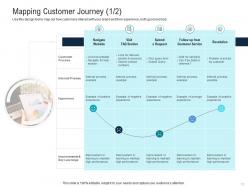
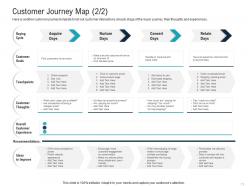
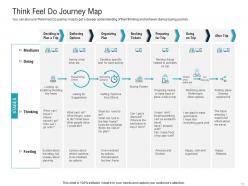
So basically, mapping out your customer journey shows you exactly where people get stuck or confused before buying. Track every step - from when they first find you to after they purchase. You'll spot the pain points that make them bail out. Honestly, most businesses have no clue where they're losing people, which is wild to me. Once you see these problem spots clearly, fix the biggest ones first. My advice? Pick one specific customer path this week and find the top three places where people typically struggle or just... disappear. It's like detective work but for your business.
-
Awesome presentation, really professional and easy to edit.
-
I discovered this website through a google search, the services matched my needs perfectly and the pricing was very reasonable. I was thrilled with the product and the customer service. I will definitely use their slides again for my presentations and recommend them to other colleagues.
-
Presentation Design is very nice, good work with the content as well.
-
Excellent design and quick turnaround.
-
Out of the box and creative design.
-
Best way of representation of the topic.