Customer Feedback Management Powerpoint Presentation Slides

Rating:
100%
Slide 1 of 29

or

Favourites Favourites

Try Before you Buy Download Free Sample Product

Audience Impress Your
Audience
Editable 100%
Editable
Time Save Hours
of Time
The Biggest Sale is ending soon in
0
0
:
0
0
:
0
0
Rating:
100%
Presenting our customer feedback management PowerPoint presentation slides. This PPT layout holds twenty nine slides and each slide is accessible in standard as well as wide-screen formats. It is completely editable as per your requirements and preferences as well. You can use it with Microsoft Office, Google slides and many other presentation software.
Content of this Powerpoint Presentation

Slide 1: This is an introductory slide to Customer Feedback Management. State your company name here and begin.
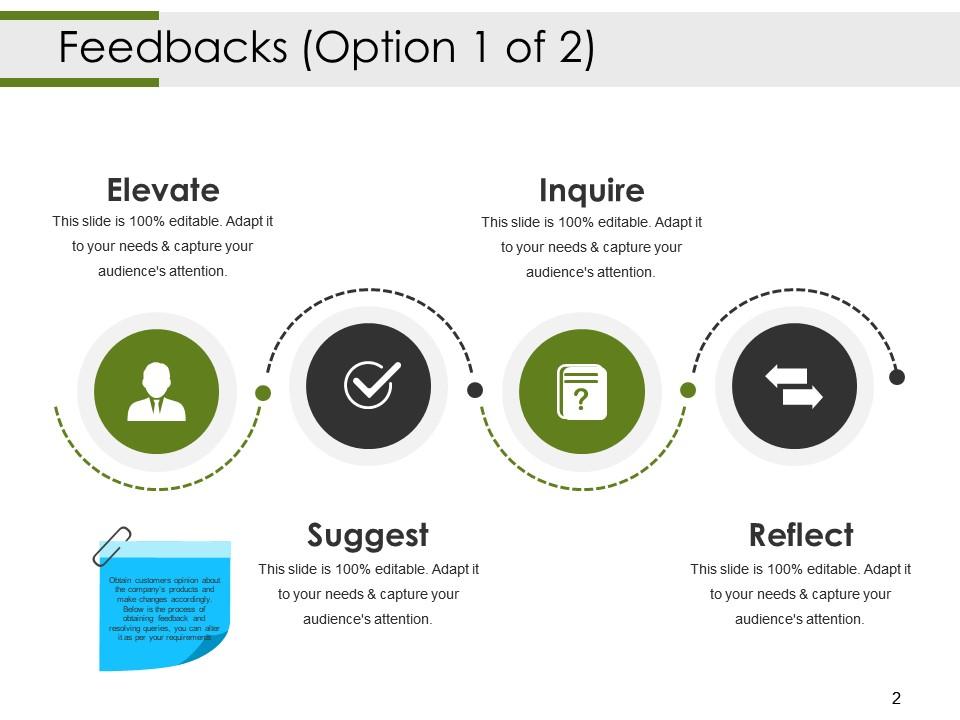
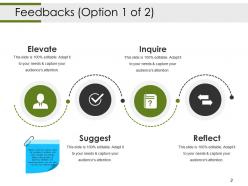
Slide 2: This is a Feedbacks slide with the following steps- Elevate, Suggest, Inquire, Reflect, Obtain customers opinion about the company’s products and make changes accordingly. Below is the process of obtaining feedback and resolving queries, you can alter it as per your requirements.
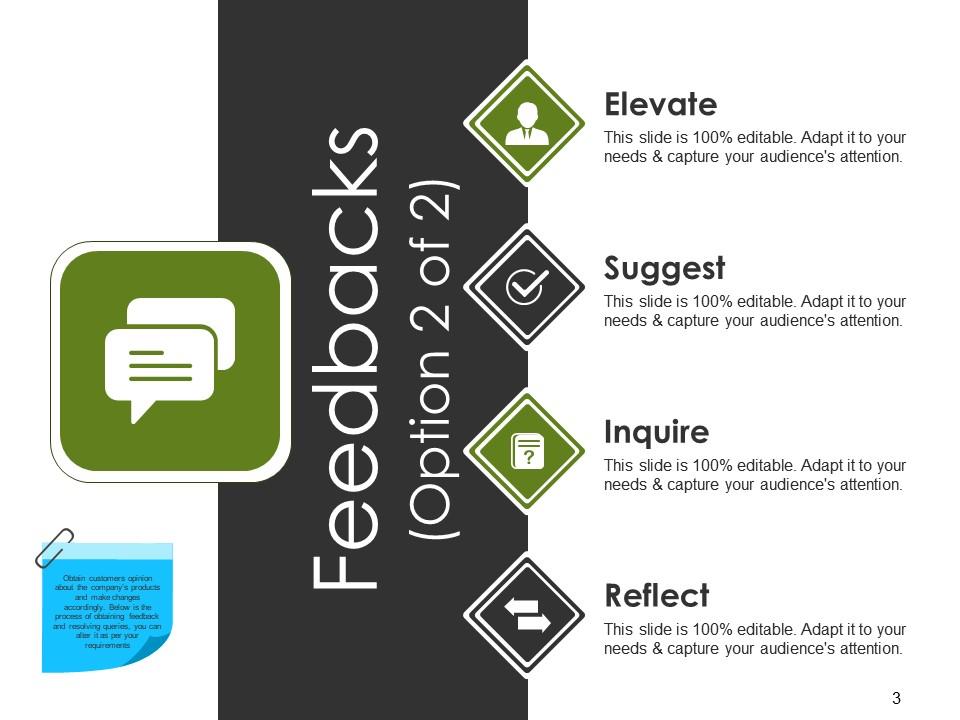
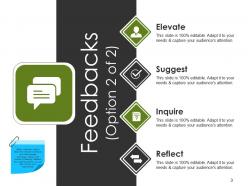
Slide 3: This is also a Feedbacks slide to state.
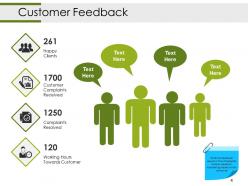
Slide 4: This is an infographic Customer Feedback slide. Enter the feedback results in this infographic slide to create an everlasting impact on the audience.
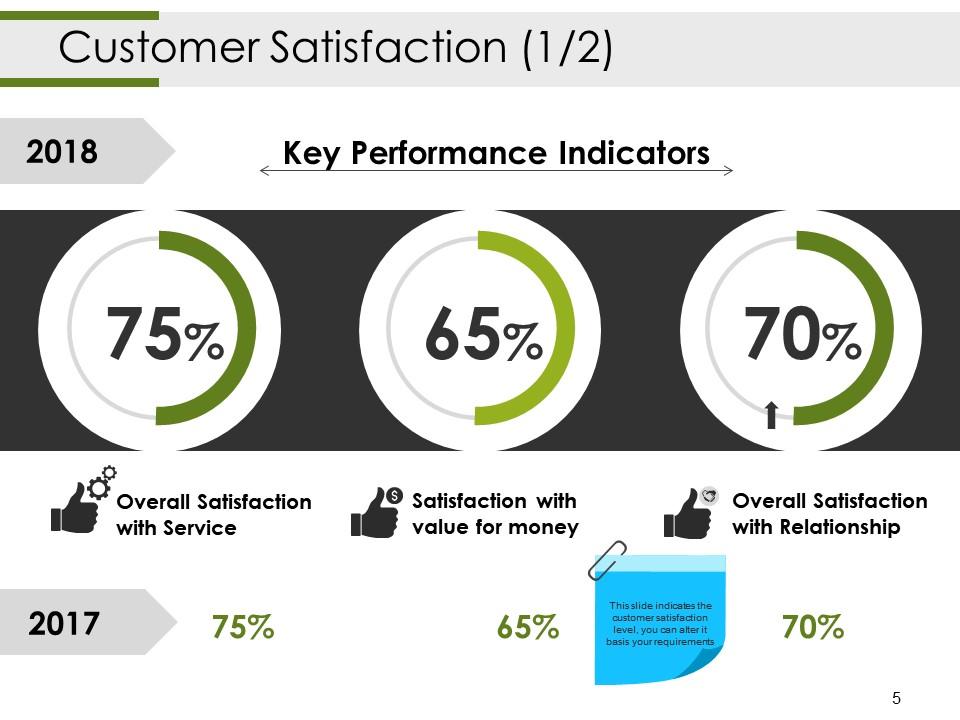
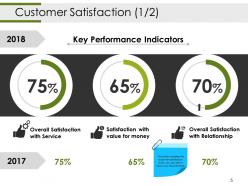
Slide 5: This slide indicates the Customer Satisfaction Level in percentage. You can alter it on the basis of your requirement.
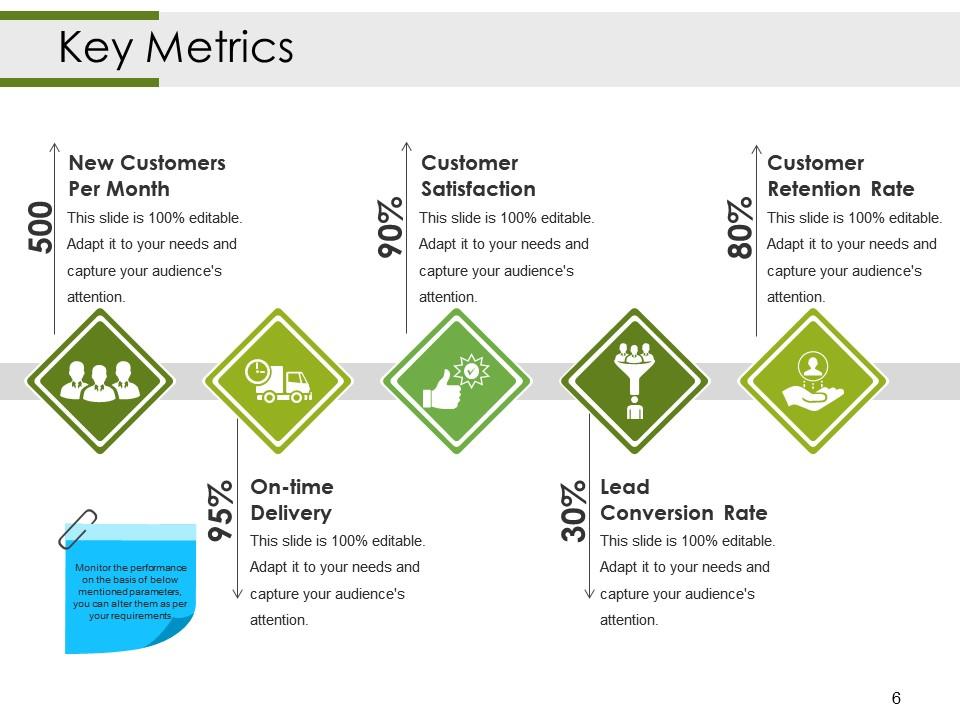
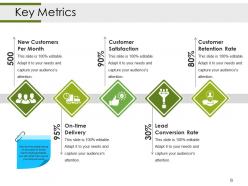
Slide 6: This slide states Key Metrics with the following parameters. On-time Delivery, Lead Conversion Rate, New Customers Per Month, Customer Satisfaction, Customer Retention Rate, Monitor the performance on the basis of these mentioned parameters. You can also alter them as per your requirements.
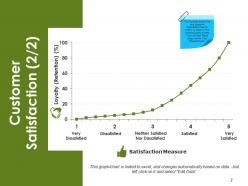
Slide 7: This slide also showcases Customer Satisfaction in a graph/ chart form with steps. You can alter these steps As Per Your Requirements.
Slide 8: This slide is a Coffee Break image for a halt.
Slide 9: This is Customer Feedback Management Icon Slides. Use/ modify icons as per need.
Slide 10: This slide forwards to Charts & Graphs. You can change/ modify content as per need.
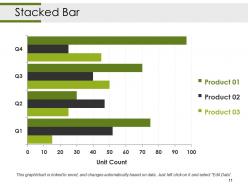
Slide 11: This is a Stacked Bar Chart slide to show product/ entity comparison, specifications etc.
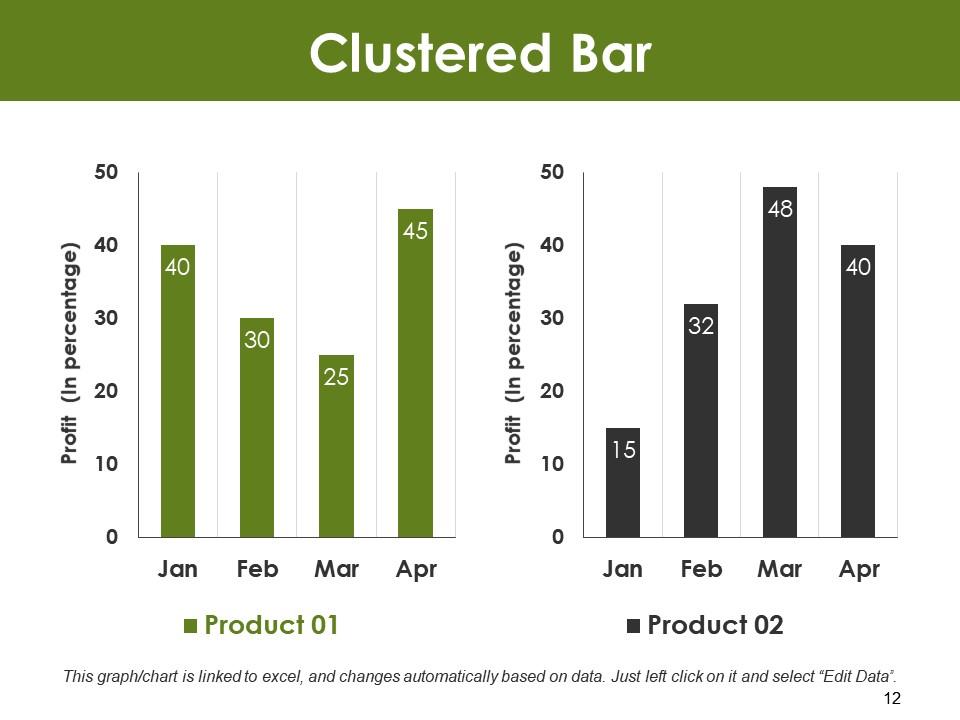
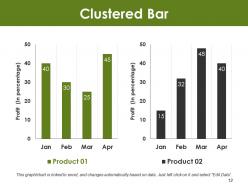
Slide 12: This is a Clustered Bar graph slide to show product/ entity comparison, specifications etc.
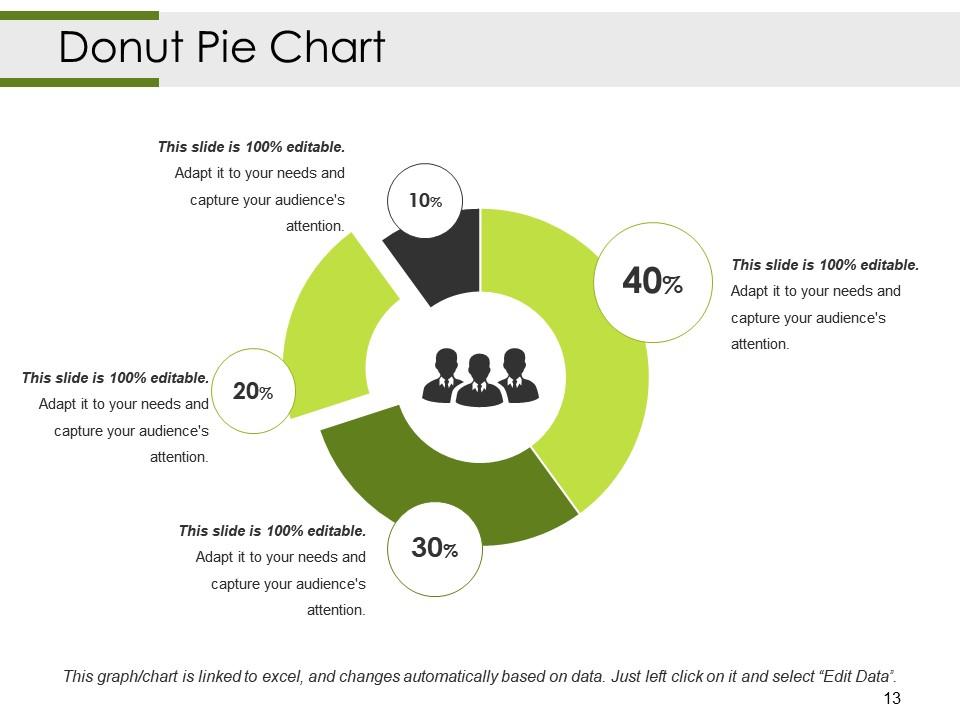
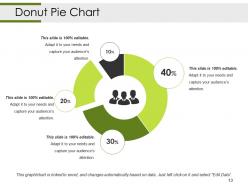
Slide 13: This is a Donut Pie Chart slide to present product/ entity comparison, specifications etc.
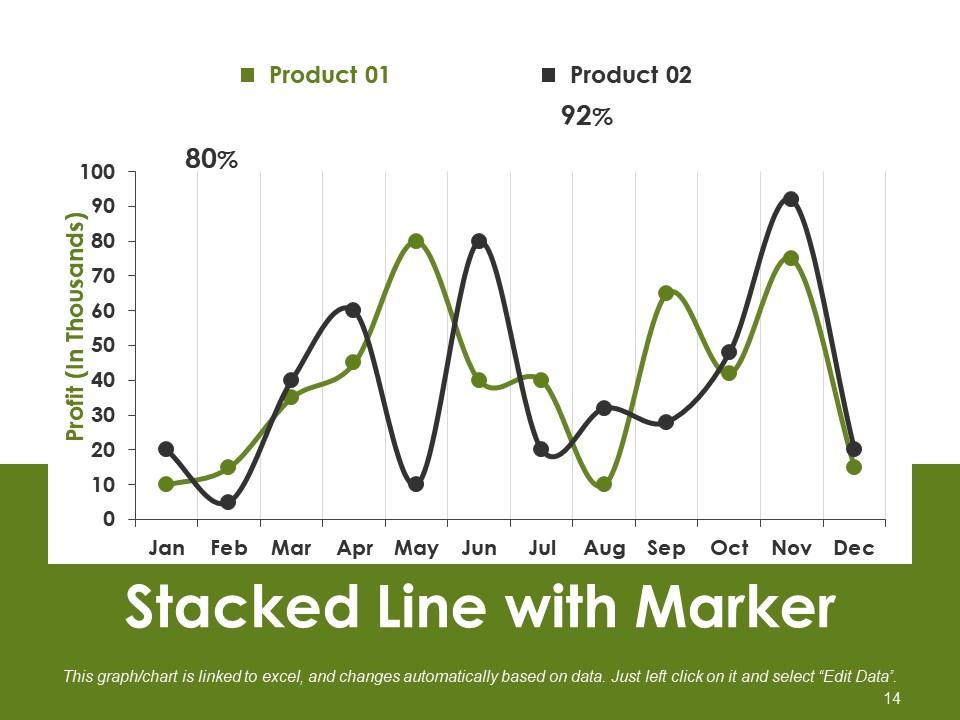
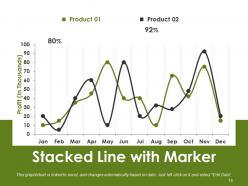
Slide 14: This is a Stacked Line With Marker slide to show product/ entity comparison, specifications etc.
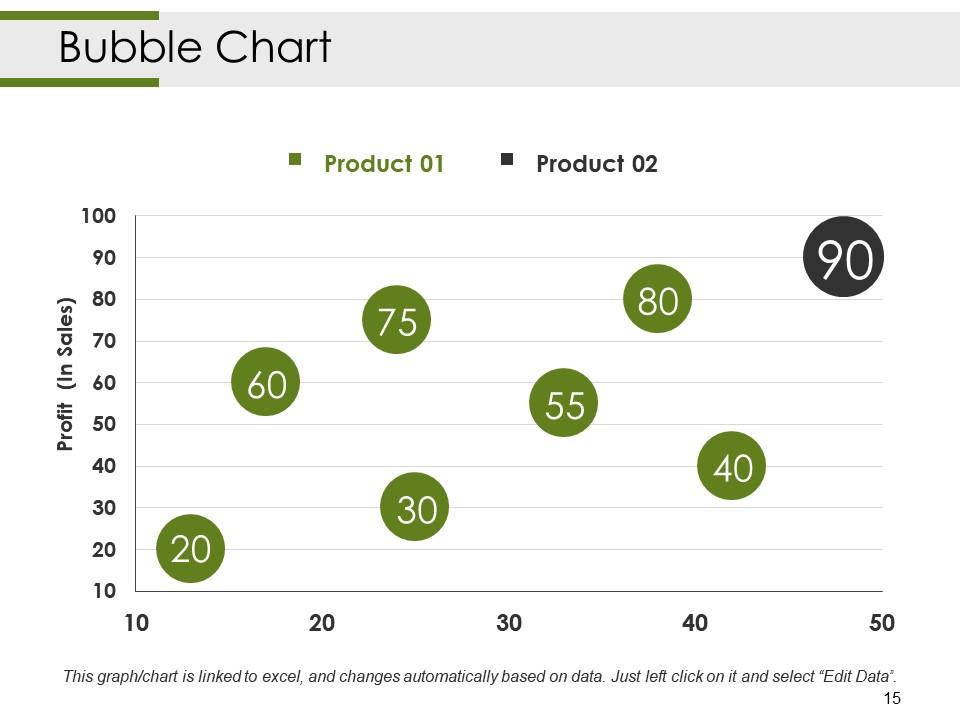
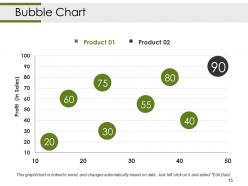
Slide 15: This is a Bubble Chart slide to show product/ entity comparison, specifications etc.
Slide 16: This slide is titled Additional Slides to move forward. You can change the slide content as per need.
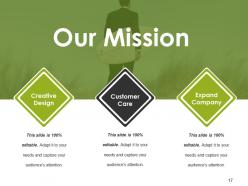
Slide 17: This slide showcases Our Mission. Show your company mission and goals here.
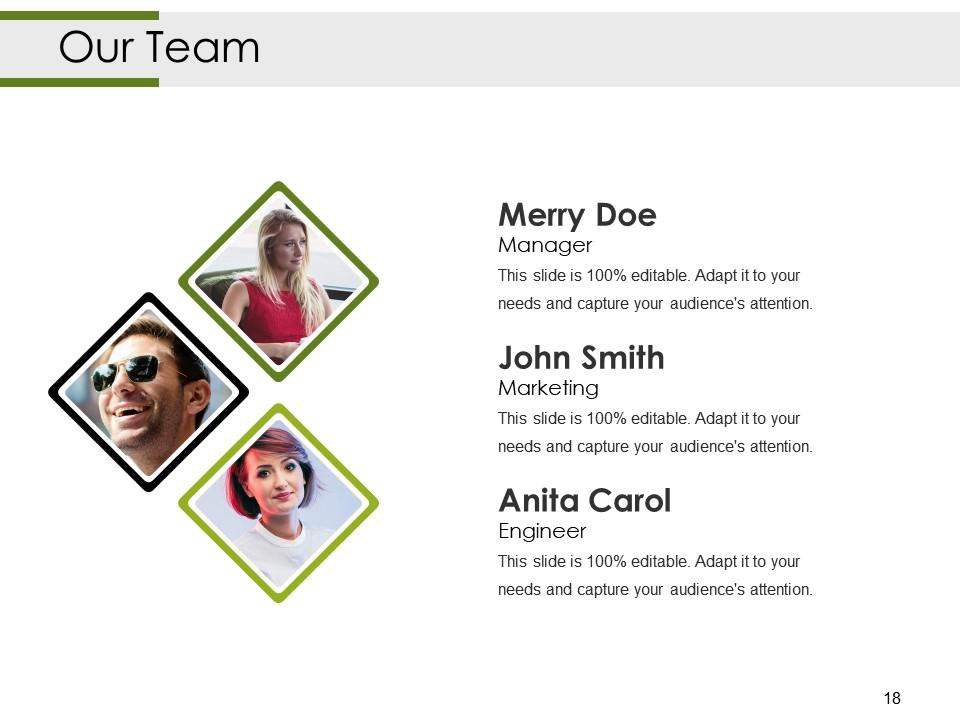
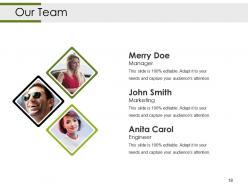
Slide 18: This slide showcases Our team with name, designation and image boxes.
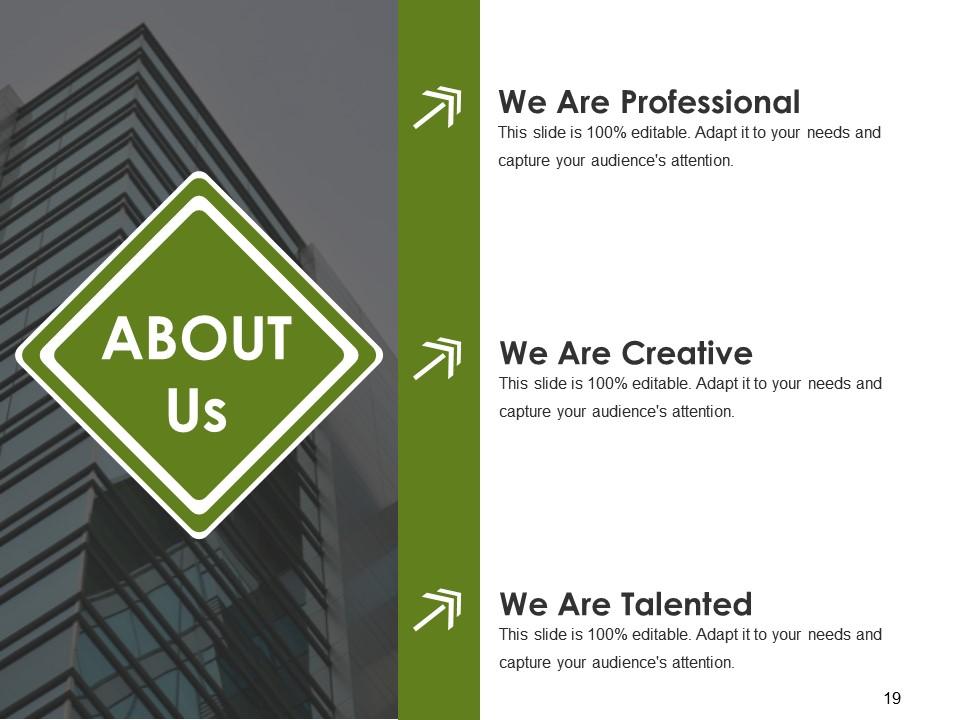
Slide 19: This is an About Us slide. State team/ company specifications here.
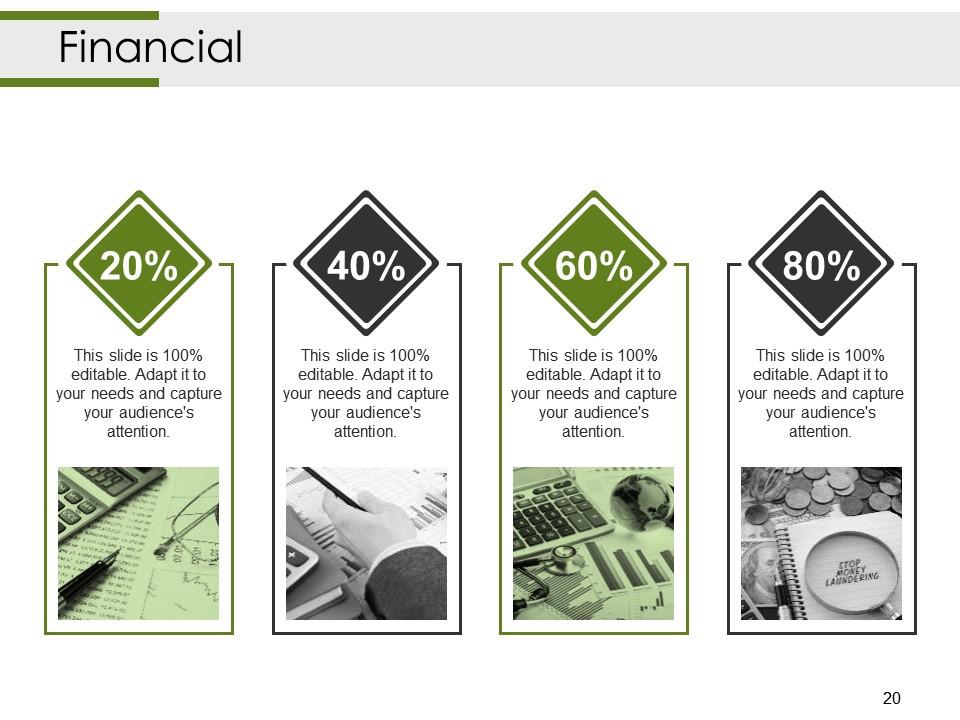
Slide 20: This is a Financial score slide. State financial aspects, information etc. here.
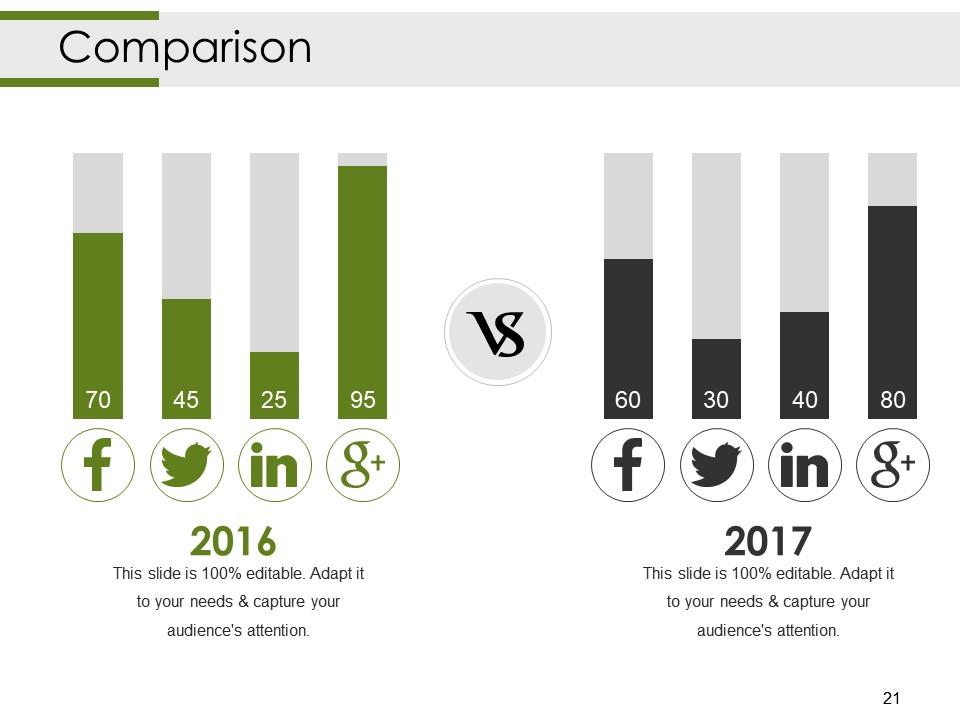
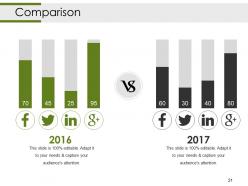
Slide 21: This is a Comparison slide to show comparison of two entities etc.
Slide 22: This is a Quotes slide to convey message, beliefs etc.
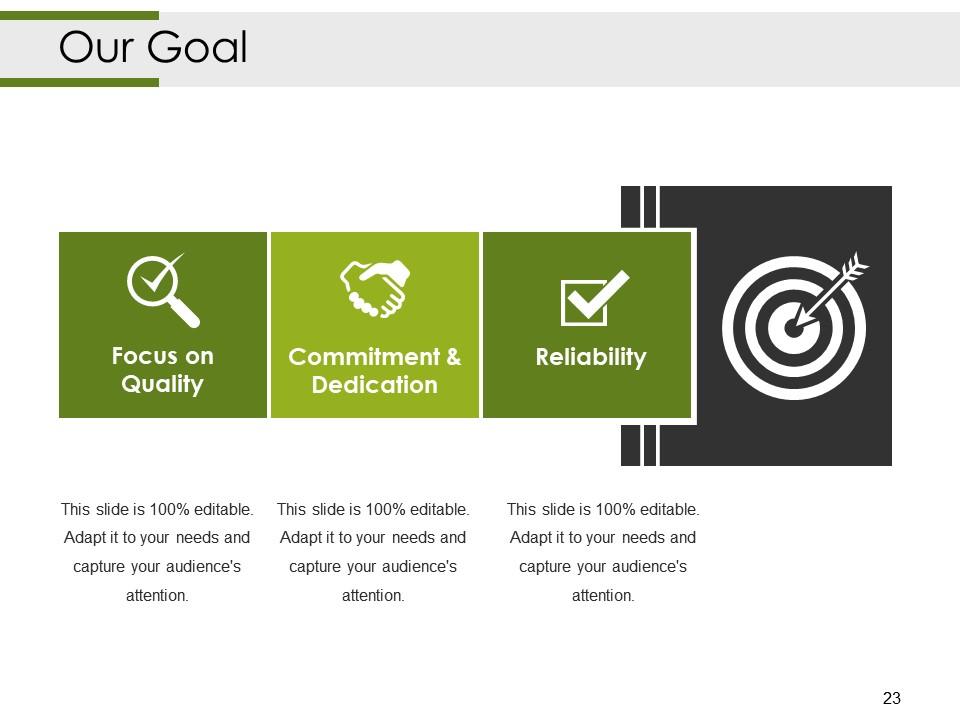
Slide 23: This is Our Goal slide. State your goals here.
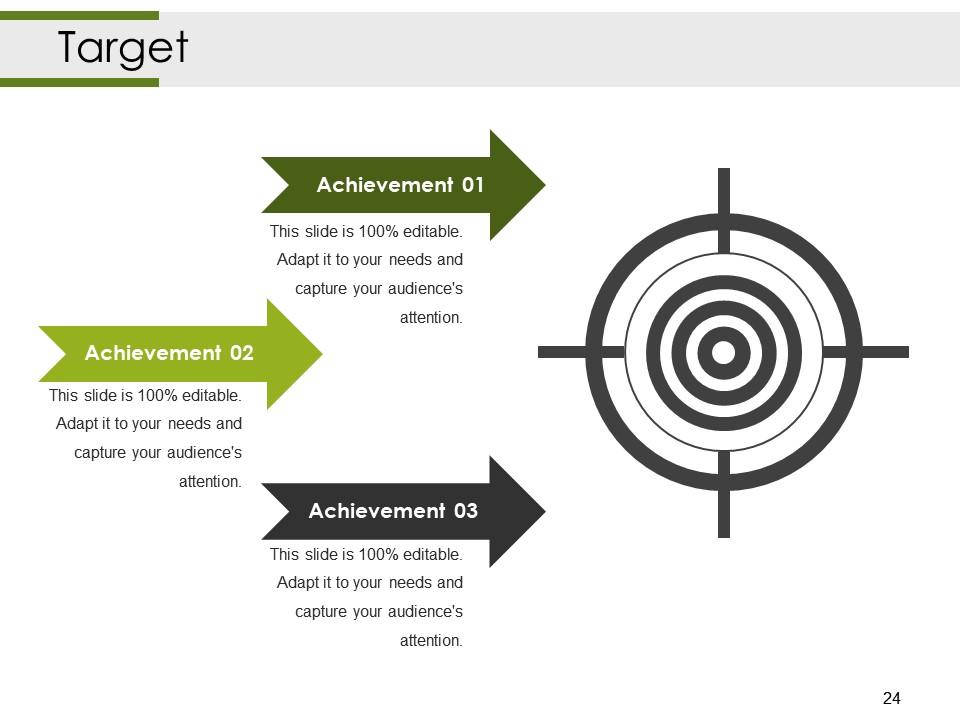
Slide 24: This is a Target image slide. State targets, etc. here.
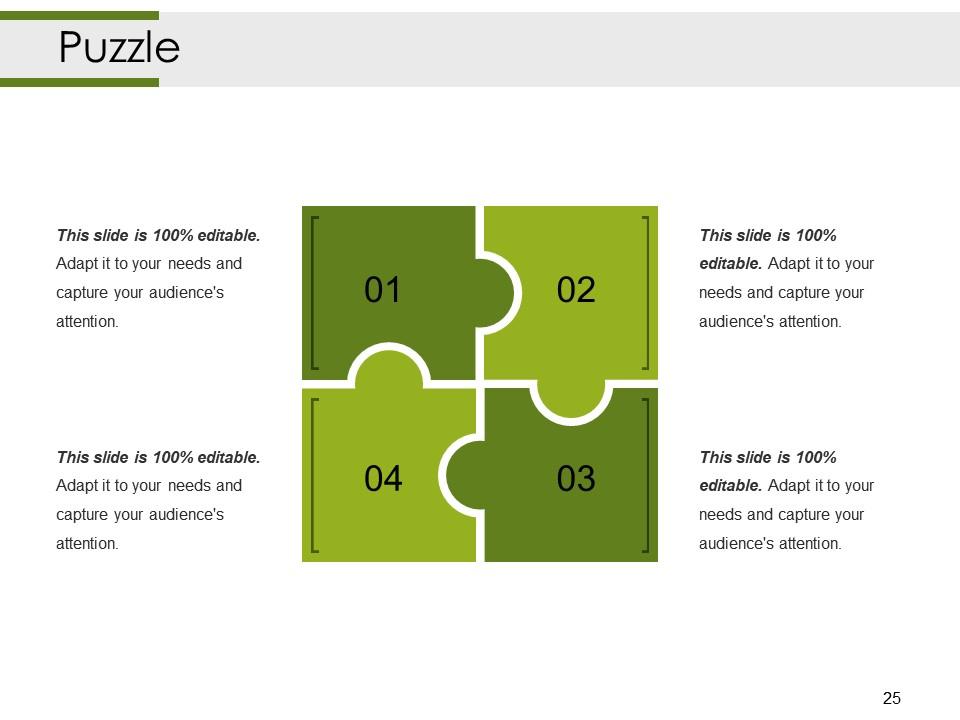
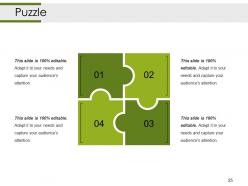
Slide 25: This is a Puzzle pieces image slide to show information, specifications etc.
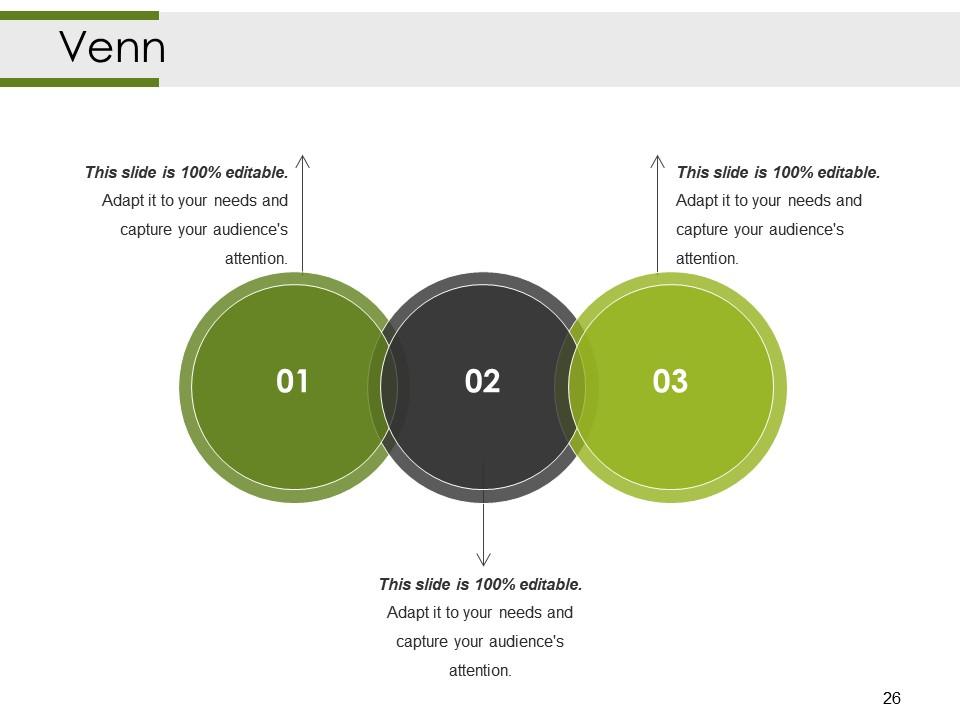
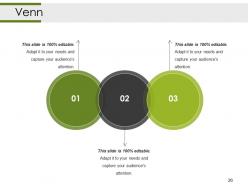
Slide 26: This is a Venn diagram image slide to show information, specifications etc.
Slide 27: This is a Mind map image slide to show information, specifications etc.
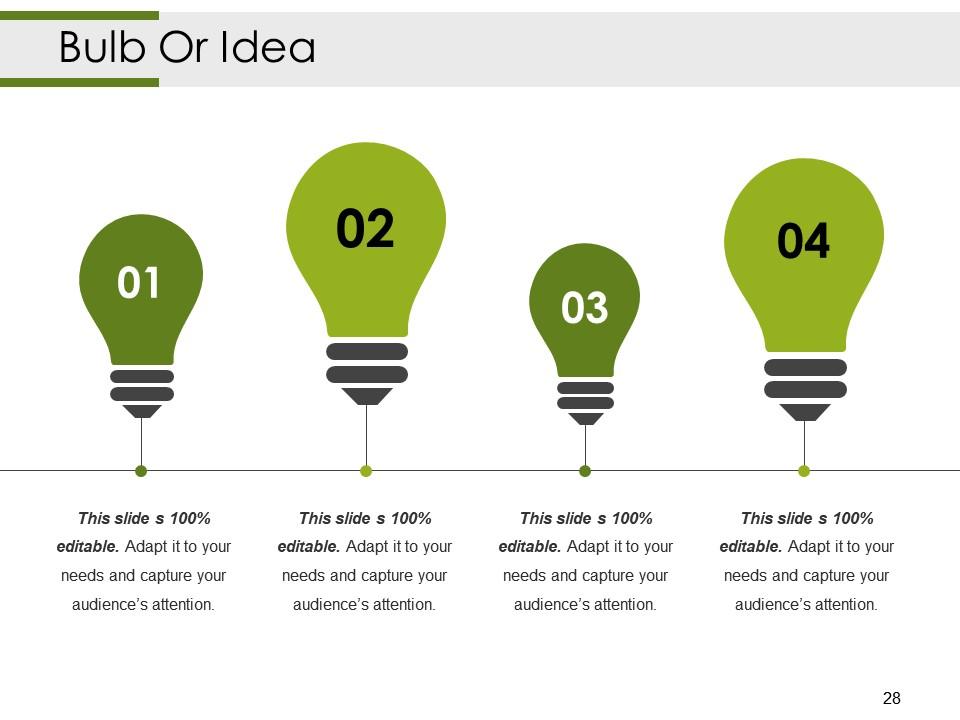
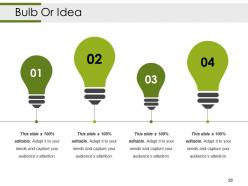
Slide 28: This is a Bulb & Idea image slide to show ideas, innovative information etc.
Slide 29: This is a Thank You slide with Address# street number, city, state, Contact Numbers, Email Address.

FAQs for Customer Feedback Management

Make it stupid easy for people to give you feedback - surveys, in-app stuff, social media, whatever works. But here's the key: timing matters way more than you think. Hit them right after they've used your product while it's still fresh in their mind. I can't tell you how many companies mess this up by waiting weeks then act shocked when nobody responds. Short surveys work best (under 5 minutes), and ask real questions instead of generic "how'd we do?" nonsense. Oh, and actually follow up on what they tell you - people notice when you don't. Start with one method first, then add more once you've got it down.

Don't just sit around waiting for people to complain or leave reviews - that's only hearing from the loudest voices. Honestly, those customers probably aren't even typical of your whole base. Mix up how you're asking: surveys, quick follow-up emails, social polls, maybe even some calls if you're feeling ambitious. You'll want responses from different types - big spenders, casual users, different age groups, whatever makes sense. Then actually check who's responding versus who you're serving overall and chase down the quiet ones you're missing.

Tech has completely changed how you handle customer feedback. Gone are the days of manually sorting through responses - now you can automate surveys, use AI to spot patterns, and get real-time dashboards showing what people actually think. The smart move? Pick one platform that connects all your existing tools instead of starting over. You'll be able to pull in reviews, surveys, social media mentions, support tickets - everything in one place that actually makes sense. Honestly, managing feedback without proper tech is just brutal these days. Sure, there's a learning curve, but once you're set up it's like having a crystal ball for customer sentiment.

Honestly, just pick 2-3 metrics and stick with them - don't go overboard trying to measure everything. Set up your baseline before making changes, then track stuff like adoption rates and customer satisfaction scores after. I'm obsessed with creating simple dashboards that connect feedback themes to actual product updates. Makes spotting trends way easier. Also watch your support ticket volume for areas you've improved. The real test? See if customers stop complaining about the same issues once you've "fixed" them. Time-to-resolution is clutch too. You'll know pretty quickly if your changes actually moved the needle.

Start by grouping similar feedback into buckets - stuff like pricing complaints or UX problems. Sentiment analysis tools can speed things up, but honestly? You still gotta read through manually to catch the real insights. Pay attention to phrases customers repeat word-for-word. That's where the magic happens. Also track when certain complaints spike - like if everyone suddenly hates your checkout flow after an update. The whole point is turning random comments into something your team can actually fix. Way easier said than done though.

Honestly? Just make it super easy for them and actually show you care about what they say. Time it right - hit them up right after they use your stuff, not like 3 weeks later when they can't even remember. Keep it short too because nobody wants to answer a million questions. Mix up how they can reach you. Some people hate surveys but they'll totally leave reviews or hop on a quick call. Always tell them what you actually did with their feedback - that's huge. And be upfront about why you're asking. Give them a real reason to want to help you out.

Oh man, biggest mistake? Making surveys stupidly long. People peace out after question 3, I swear. Also don't just ask for feedback when people are already pissed off - like right after they complained. That makes everything sound terrible. Avoid leading questions too (you know, the ones that basically scream "please say yes"). And honestly? If you're gonna ask for feedback, you better actually DO something with it. Otherwise people feel ignored and that's worse than not asking at all. Keep it short, ask at different times, stay neutral, and tell people what you're changing based on their input.

Look, managing customer feedback is honestly one of the best loyalty tricks out there. People want to feel heard, you know? So when you actually respond to their complaints or - even better - implement their suggestions, they'll stick around. Quick responses matter too, especially for the angry customers (those are usually the loudest on social media anyway). The real magic happens when you circle back later and show them exactly what changed because of their input. That's how you turn random buyers into people who'll recommend you to their friends without being asked.

Start with response rates - are people actually answering when you ask for feedback? Then check how fast you're closing the loop on issues. I'm weirdly obsessed with tracking repeat complaints about the same stuff because it shows whether you're fixing the real problem or just slapping band-aids on things. Customer satisfaction scores after you resolve issues matter too. Oh, and monitor which channels work best - email vs in-app vs social media. The big one though? See if feedback actually drives business changes. Pick 3-4 metrics and stick with them instead of trying to measure everything.

Honestly, most companies are terrible at this - they collect feedback but it never reaches anyone who can actually do something about it. What you need is direct lines to decision-makers, not just customer service reps. Try setting up monthly reviews where different departments hear what customers are saying and use it for planning. Pick one process first (maybe product updates?) and require customer input before making changes. Oh, and this part's crucial - track what feedback actually led to real changes, then tell customers about it. I've watched too many businesses pile feedback into databases that nobody ever looks at again.

Keep those surveys super short - like 5 questions tops. People literally abandon ship after question 3, so put your most important stuff first. Timing matters too - hit them right after they buy something or use your service while it's still fresh in their head. Everyone's glued to their phones so make sure it works on mobile. Quick incentive doesn't hurt either, even just a simple raffle entry. And honestly? Tell people why you actually need their feedback - what you're gonna do with it. I swear these two things alone will bump your response rates way up.

Oh, sentiment analysis is a game-changer! It automatically sorts through all your customer feedback and tells you what's positive, negative, or neutral. Way better than reading hundreds of reviews yourself - honestly, who has time for that? You'll catch patterns super fast, like people loving your product but getting frustrated during checkout. The cool part is it helps you figure out what to fix first since upset customers obviously need attention ASAP. I'd just grab a sentiment tool and run your recent feedback through it. You'll probably find stuff you totally missed before.

So basically you want to create this cycle where you're constantly getting customer input, making changes, then seeing what happens. Rinse and repeat. The cool thing is you'll start noticing patterns - like oh wait, everyone's complaining about the same checkout issue. Fix the actual problem instead of just dealing with random complaints all day. Here's what really matters though: tell customers what you did with their feedback! They need to see you actually listened. Honestly, I'd just pick one way to collect feedback first - don't go crazy with surveys everywhere. Make some real changes, then expand from there.

Here's what I'd do - group feedback by how often it comes up and how badly it breaks things. Multiple people complaining about the same bug? That's your smoking gun right there. Focus on stuff that kills core features or makes people cancel first. Your biggest paying customers honestly should get bumped up the list too, that's just reality. Look for easy fixes that'll make users happy - those are pure gold. I usually create some basic scoring system so we're not just picking whatever sounds fun that day. Oh, and review your priorities monthly because things change fast.

Dude, training your team on feedback is huge - probably the most important thing you'll do. Your people need to actually listen and not get all defensive when customers complain. I've seen so many places mess this up because employees take feedback personally instead of seeing it as useful info. Role-play different scenarios with them so they're not caught off guard. Also make sure they know what needs to go up the chain vs. what they can fix themselves. The whole point is turning complaints into actual improvements, but that only works if your team knows what they're doing.

Ratings and Reviews

100% of 100
Review Form
Write a review
Most Relevant Reviews
  1. 100%

    by William Martinez

    Excellent products for quick understanding.
  2. 100%

    by Clifford Powell

    Design layout is very impressive.

2 Item(s)

per page: