


Self Improvement Powerpoint Presentation Slides




Try Before you Buy Download Free Sample Product
 Impress Your
 Audience
 100%
100% Editable
 Save Hours
 of Time


Use Self Improvement PowerPoint Presentation Slides and develop a personal development plan. Improve knowledge, status, character using content-ready self-improvement PPT slideshow. This ready-to-use improve yourself complete PowerPoint presentation covers topics like personal development plan outline, establish your purpose, identify development needs, identify learning opportunities, formulate an action plan, and more. Not just this, you can also analyse your results and outcome with the help of evaluate and review self-improvement PPT template. Come across new opportunities, increase your self esteem level and become a better person using this self-improvement PPT templates. You can counsel your audience and help them become a better version of themselves by showcasing relevant and helpful improve yourself PPT presentation slides. Constantly help your audience to improve and create awareness what needs to be done to improve as a person. Download this ready-to-use self-improvement complete PowerPoint presentation to inspire others to make improvementsUse Self Improvement PowerPoint Presentation Slides and develop a personal development plan. Improve knowledge, status, character using content-ready self-improvement PPT slideshow. This ready-to-use improve yourself complete PowerPoint presentation covers topics like personal development plan outline, establish your purpose, identify development needs, identify learning opportunities, formulate an action plan, and more. Not just this, you can also analyse your results and outcome with the help of evaluate and review self-improvement PPT template. Come across new opportunities, increase your self esteem level and become a better person using this self-improvement PPT templates. You can counsel your audience and help them become a better version of themselves by showcasing relevant and helpful improve yourself PPT presentation slides. Constantly help your audience to improve and create awareness what needs to be done to improve as a person. Download this ready-to-use self-improvement complete PowerPoint presentation to inspire others to make improvements. Function faster with our Self Improvement Powerpoint Presentation Slides. They cut down on any delays.
People who downloaded this PowerPoint presentation also viewed the following :
Content of this Powerpoint Presentation
Slide 1: This slide introduces Self Improvement. State Your Company Name and begin.
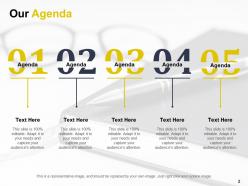
Slide 2: This slide showcases agenda slide. You can use this to add your organisation agenda.
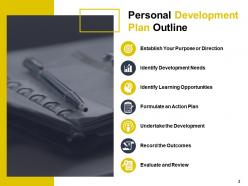
Slide 2: This slide presents Personal Development Plan Outline wich further shows these outline- Establish Your Purpose or Direction, Identify Development Needs, Identify Learning Opportunities, Formulate an Action Plan, Undertake the Development, Record the Outcomes, Evaluate and Review.
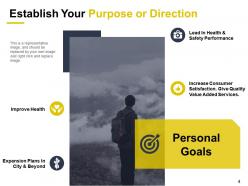
Slide 4: This slide presents Establish Your Purpose or Direction which further showing Personal Goals Expansion Plans In City & Beyond Improve Health Increase Consumer Satisfaction. Give Quality Value Added Services. Lead In Health & Safety Performance
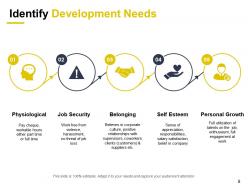
Slide 5: This slide shows Identify Development Needs which involves five diffrent steps . This you can use for the development.
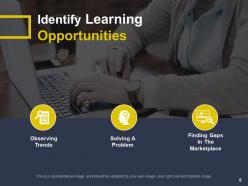
Slide 6: This slide showcases Identify Learning Opportunities with these three parameters- Observing Trends, Solving A Problem, Finding Gaps In The Marketplace.
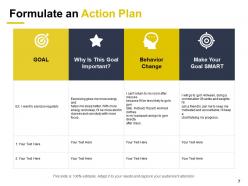
Slide 7: This slide presents Formulate an Action Plan. Use this to add your own plan.
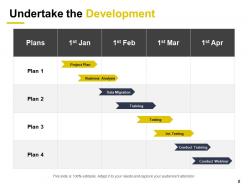
Slide 8: This slide showcases Undertake the Development with this plan table- Project Plan, Business Analysis, Data Migration, Training, Testing, Int. Testing, Conduct Training, Conduct Webinar.
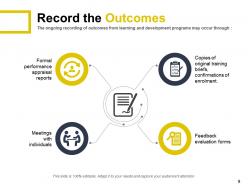
Slide 9: This slide presents Record the Outcomes with these four important factors- Copies of original training briefs, confirmations of enrolment, Feedback evaluation forms, Meetings with individuals, Formal performance appraisal reports.
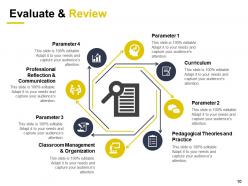
Slide 10: This slide presents Evaluate & Review. These can be used to analyse the business.
Slide 11: This slide shows Coffee Break image.
Slide 12: This slide is titled Additional slides.
Slide 13: This slide contains Our Mission with text boxes.
Slide 14: This slide helps depict Our Team with text boxes.
Slide 15: This slide shows Target image with text boxes.
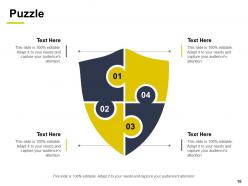
Slide 16: This is a Puzzle slide with the following subheadings- PPC Advertising, Media Marketing, Print Marketing, E-mail Campaigns.
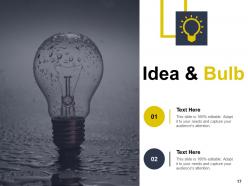
Slide 17: This is a Bulb Or Idea image slide to show information, innovative aspects etc.
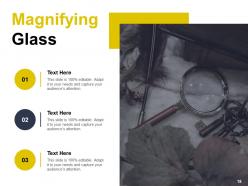
Slide 18: This is a Magnifying glass image slide to show information, scoping aspects etc.
Slide 19: This slide displays the title Charts & Graphs.
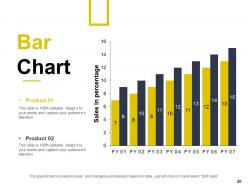
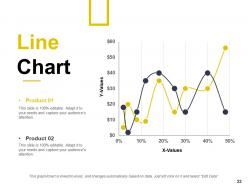
Slide 20: This is a Bar Graph image slide to show product comparison, growth etc.
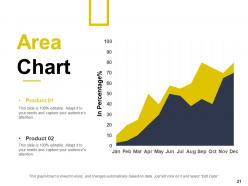
Slide 21: This slide shows Area Chart. You can use it for the product comparison.
Slide 22: This slide showcases Scatter Chart from which you can compare the product.
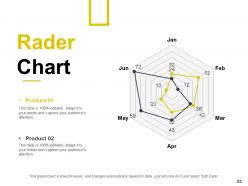
Slide 23: This slide presents a Radar Chart graph/chart. Compare Product 01, Product 02 and use as per required.
Slide 24: This is a Thank You slide with Address:# street number, city, state, Contact Numbers and Email Address.
Self Improvement Powerpoint Presentation Slides with all 24 slides:
Our Self Improvement Powerpoint Presentation Slides are designed for ' bud to bloom ' approaches. They accompany you from conception to completion.


FAQs for Self Improvement
Okay so three things you gotta nail: First, tell stories where people go "damn, that's literally me" - be vulnerable about your own mess-ups. Second, give them actual steps they can do tonight, not just "think positive thoughts" garbage. Most self-help is just empty motivation anyway. Third, show them how to measure if it's actually working or they'll just give up in a week. Your stories need that "oh shit, this person gets it" factor. Keep the action steps super small - like embarrassingly small - so there's no excuse not to start. End everything by literally telling them their homework, not just feel-good concepts they'll forget by tomorrow.
People remember pictures way better than walls of text - trust me on this one. Before/after charts work great for showing progress. Break down complicated stuff with simple infographics or icons. I used to bore everyone with text-heavy slides until I figured this out the hard way lol. Progress bars are perfect for goal-setting sections. Flowcharts help with decision-making frameworks. Don't go crazy though - stick to one visual per main point or you'll overwhelm people. Add some inspiring photos that hit emotionally. Your audience will actually retain what you're teaching instead of completely checking out.
Honestly, most people crash because they go from zero to hero overnight. Like trying to meal prep, workout daily AND learn Spanish all at once - recipe for burnout. Consistency is way harder than it sounds when life gets crazy. Plus that annoying voice in your head loves reminding you about every time you've failed before. Results take forever to show up, which is frustrating as hell. Oh, and some friends get weird when you're actually trying to improve yourself? Super helpful. Start ridiculously small though - just one tiny habit for a month. Way less overwhelming and you'll actually stick with it.
Stories work because they turn boring concepts into something people actually care about. Everyone connects with a good struggle-to-success narrative - it's just human nature. Here's the formula: describe the problem, show the moment you figured it out (using whatever principle you're teaching), then share what happened next. People remember feelings way longer than facts, which honestly makes total sense when you think about it. Your audience will forget your bullet points but they'll remember how your story made them feel. Start building a collection of 2-3 solid stories that showcase your main points.
Honestly, goals are like having a GPS for getting your life together. Without them you're just wandering around hoping stuff magically improves (spoiler alert - it won't). I used to do that whole "I'll just wing it" thing and got nowhere fast. Pick something specific you want to change. Break it down into baby steps with actual deadlines. That's how you know if you're making real progress or just fooling yourself. The realistic part is key though - don't set yourself up to fail with some crazy ambitious target right off the bat. Start small, build momentum, then level up from there.
Honestly, the best way is to make people actually DO the assessments during your presentation instead of just talking about them. Have them fill out quick personality quizzes or reflection worksheets right there. Small groups work great for discussing results afterward - people love comparing their StrengthsFinder or Myers-Briggs stuff. I mean, nobody wants to sit there listening to someone drone on about assessment theory, right? The magic happens when they experience it firsthand. Always wrap up with "so what's next?" conversations so they don't just walk away with interesting results but zero action plan.
Honestly, forget those vague "get healthy" resolutions - pick 2-3 super specific things you can actually measure. I used to make these insane improvement lists that died by Valentine's Day, so trust me on this one. Break everything into tiny weekly actions instead. Like, if you want to journal, just stick it right after your morning coffee since you're already doing that anyway. Schedule this stuff like real appointments and check in weekly, not monthly. First month, track absolutely everything. You'll be shocked at what actually works vs. what just sounds nice in your head.
Start with a quick breathing exercise to get everyone centered. Halfway through, throw in a "mindful minute" break - honestly, it's my favorite part because you can see people actually relax. Give them practical stuff they'll use: body scans, mindful listening, present-moment awareness. Connect everything to real benefits like less stress and better focus. Oh, and always end with something simple they can try right away, like breathing mindfully on their drive home. Makes the whole thing feel less theoretical and more actionable.
Honestly, I'd pick like 2-3 things max to track or you'll drive yourself crazy. Habits are pretty straightforward - just mark off days you actually did the thing. Skills are easier since you can measure concrete stuff like how much you lifted or books finished. The emotional tracking though? That's where it gets interesting. I just rate my mood or energy 1-10 daily - sounds dumb but it works. Oh and those before/after journals are gold for seeing changes you'd otherwise miss. Just check in weekly so you don't lose momentum.
Honestly, the people around you can make or break your self-improvement game. Find a group that's also trying to grow and you'll have instant accountability partners who actually understand the struggle. But watch out for toxic dynamics - I've seen people get caught up in unhealthy competition or feel like crap because everyone else seems ahead. You don't want that energy dragging you down. The sweet spot? Communities that cheer for small wins instead of demanding perfection. It makes such a difference when people support your specific goals rather than pushing their agenda on you.
Just be real with people - nobody wants to hear from someone who acts like they've got it all figured out. I always share my failures alongside the good stuff because honestly, that's what people actually relate to. Break things down into super specific steps instead of saying vague stuff like "transform your life." Tell them exactly what to do tomorrow, not next year. And don't sugarcoat how messy change really is - it's mostly small, boring steps with occasional wins sprinkled in. Let people know it's totally fine to start tiny and screw up. That's literally how everyone learns anyway.
Don't ignore the pushback - call it out right away. People's brains literally hate uncertainty, so validate that the resistance makes total sense. Connect whatever you're proposing to something they already care about or a problem that's bugging them. Skip the data overload and tell stories instead. Make the first step so tiny it feels almost silly not to try it. Here's the thing though - give them permission to go slow or even screw up. I've seen this work way better than the "transform your life overnight" approach. End with one small thing they can actually do today, not some impossible makeover.
Look, there are three things that actually work: growth mindset, habit stacking, and positive reinforcement. Don't make it some massive life transformation though - that's where people bail. Growth mindset is just reframing stuff as learning instead of personal attacks on who you are. Habit stacking works because you're literally rewiring your brain by pigging new things onto stuff you already do (which is honestly pretty cool). Positive reinforcement keeps you going with small wins. Oh, and celebrating progress matters more than most people think. Start with one tiny habit you can attach to something you're already doing every day.
Honestly, real stories make such a huge difference in self-improvement talks. Your audience needs to see themselves in the examples you're sharing. Like instead of just saying "exercise reduces stress," tell them about Sarah from accounting who does 10-minute morning walks and cut her anxiety in half. Way more powerful. People remember stories over statistics every time - though numbers don't hurt as backup. The trick is matching your examples to whoever's listening. Same industry, similar age, facing the same struggles. Makes it feel actually doable, you know?
Honestly, just focus on the process instead of outcomes - like celebrating when someone tries hard, not just when they nail it. I love sharing those "I totally failed but figured out this cool thing" stories because people actually relate to that stuff. Try using words like "yet" and "so far" - it sounds small but makes a huge difference. Instead of asking "Did you succeed?" go with "What did you learn?" The biggest thing though? Be real about your own screwups and what you figured out from them. People will match your energy if you're genuine about the messy learning process.
-
It saves your time and decrease your efforts in half.
-
Best Representation of topics, really appreciable.