


Process To Improve Customer Experience Powerpoint Presentation Slides




Try Before you Buy Download Free Sample Product
 Impress Your
 Audience
 100%
100% Editable
 Save Hours
 of Time


The Process to Improve Customer Experience deck focuses on enhancing customer satisfaction and loyalty for the overall growth of the business. It begins by analyzing the current customer experience service approach and its impact on company performance. The CX Enhancement deck addresses customer complaints, provides insights on collecting useful customer feedback, and outlines actions to make impactful changes. Through this PowerPoint presentation, you will gain the tools and techniques to assess customer behavior trends, understand the buyer journey, and determine customer wants and expectations. Additionally, it offers strategies for building online customer relationships, increasing customer satisfaction, and implementing Chatbot technology for instant customer support. Moreover our Client Feedback PPT includes a template for the job description of a customer support executive, highlighting the necessary skills and qualifications. It also covers steps for effectively solving customer problems and addresses the impact of implementing customer experience improvement strategies while measuring relevant metrics. Download this PowerPoint presentation to enhance your customer experience and drive business growth.
People who downloaded this PowerPoint presentation also viewed the following :
Content of this Powerpoint Presentation
Slide 1: This slide displays the title Process to Improve Customer Experience.
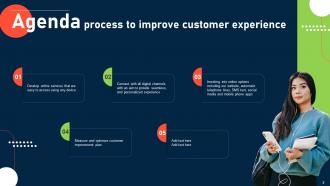
Slide 2: This slide displays the title Agenda.
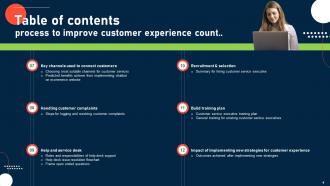
Slide 3: This slide exhibit table of content.
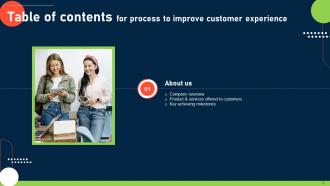
Slide 4: This slide exhibit table of content- About Us.
Slide 5: This slide shows the overview of company. It defines the description of company, mission statement, vision statement and values.
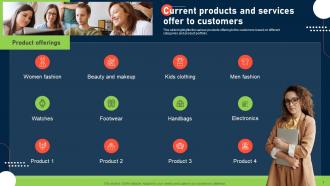
Slide 6: This slide highlights the various products offering to the customers based on different categories and product portfolio.
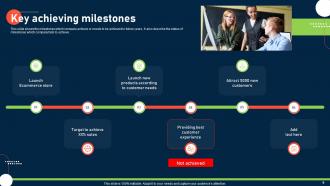
Slide 7: This slide shows the milestones which company achieve or needs to be achieved in future years.
Slide 8: This slide exhibit table of content- Present Scenario.
Slide 9: This slide represent the issues faced by the company due to poor customer services.
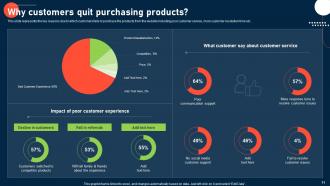
Slide 10: This slide represents the key reasons due to which customers fails to purchase the products from the website.
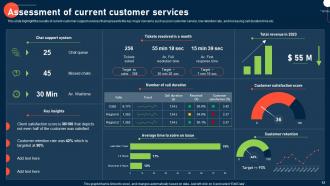
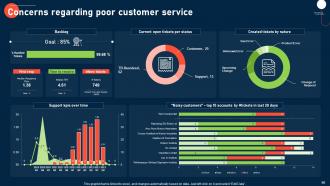
Slide 11: This slide highlight the results of current customer support services that represents the key major concerns.
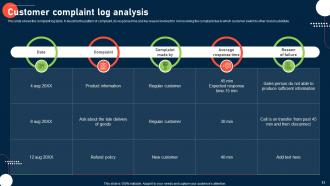
Slide 12: This slide shows the complaint log table.
Slide 13: This slide exhibit table of content- Why to Prioritize Customer Service.
Slide 14: This slide shows the key insights that signifies the importance of customer service in achieving business growth.
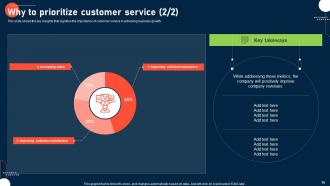
Slide 15: This slide shows the key insights that signifies the importance of customer service in achieving business growth.
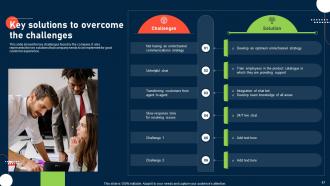
Slide 16: This slide shows the key challenges faced by the company.
Slide 17: This slide exhibit table of content- Improving Customer Experience.
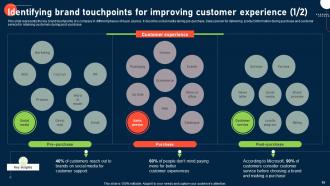
Slide 18: This slide represents the key brand touchpoints of a company in different phases of buyer journey.
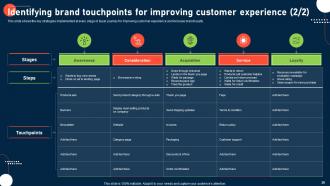
Slide 19: This slide shows the key strategies implemented at every stage of buyer journey for improving customer experience and increase brand loyalty.
Slide 20: This slide illustrates the key principles that helps in the building blocks for customer experience success.
Slide 21: This slide shows the key strategic prioritize that helps in evaluating the customer needs and requirements and delivers the same in an appropriate manner.
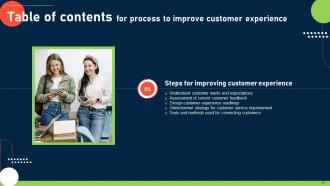
Slide 22: This slide exhibit table of content- Steps for Improving Customer Experience.
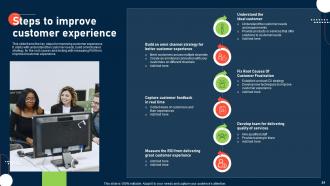
Slide 23: This slide frame the key steps for improving customer experience.
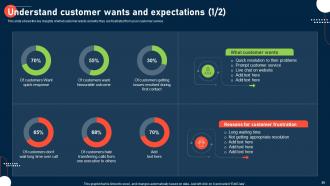
Slide 24: This slide shows the key insights of what customer wants and why they are frustrated from poor customer service.
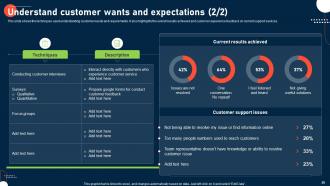
Slide 25: This slide shows the techniques used understanding customer needs and requirements.
Slide 26: This slide shows the techniques used understanding customer needs and requirements.
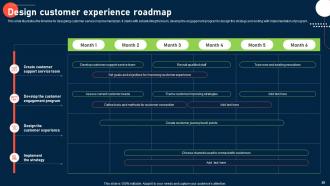
Slide 27: This slide illustrates the timeline for designing customer service improvement plan.
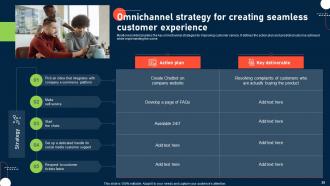
Slide 28: Mentioned slide tabulates the key omnichannel strategies for improving customer service.
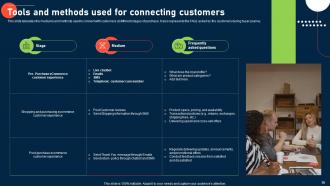
Slide 29: This slide tabulates the mediums and methods used to connect with customers at different stages of purchase.
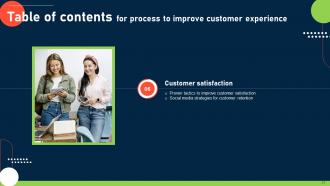
Slide 30: This slide exhibit table of content- Customer Satisfaction.
Slide 31: This slide outline the key strategies based on four categories, i.e. people, processes, and policies for delivering better customer experience.
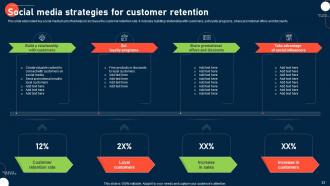
Slide 32: This slide elaborated key social media hacks that helps to increase the customer retention rate.
Slide 33: This slide exhibit table of content- Key Channels used to Connect Customers.
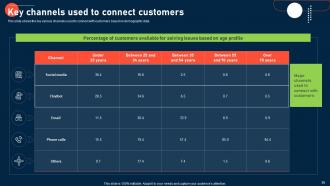
Slide 34: This slide shows the key various channels used to connect with customers based on demographic data.
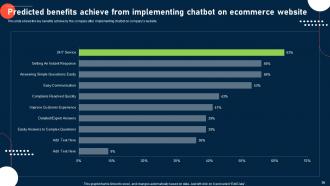
Slide 35: This slide shows the key benefits achieve by the company after implementing chatbot on company’s website.
Slide 36: This slide exhibit table of content- Handling Customer Complaints.
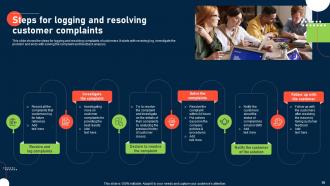
Slide 37: This slide shows the steps for logging and resolving complaints of customers.
Slide 38: This slide exhibit table of content- Help and Service Desk.
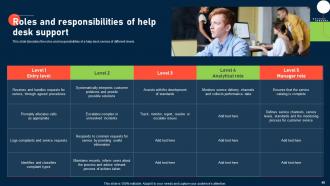
Slide 39: This slide tabulates the roles and responsibilities of a help desk service of different levels.
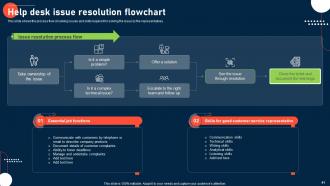
Slide 40: This slide shows the process flow of solving issues and skills required for solving the issue by the representatives.
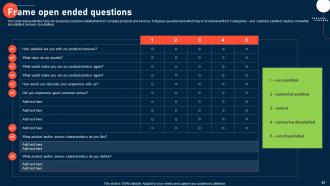
Slide 41: This slide represents the FAQs for analysing customer satisfaction from company products and services.
Slide 42: This slide exhibit table of content- Recruitment & Selection.
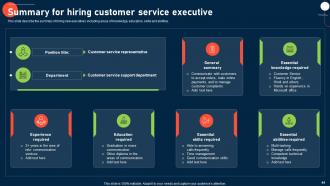
Slide 43: This slide describe the summary of hiring new executives including areas of knowledge, education, skills and abilities.
Slide 44: This slide tabulates the training plan for delivering qualitative customer service.
Slide 45: This slide shows the training plan providing for existing customer executives for enhancing skills and knowledge in their job area.
Slide 46: This slide exhibit table of content- Build Training Plan.
Slide 47: This slide tabulates the training plan for delivering qualitative customer service.
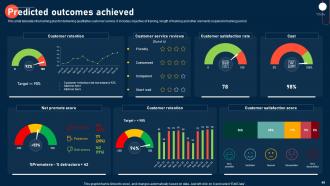
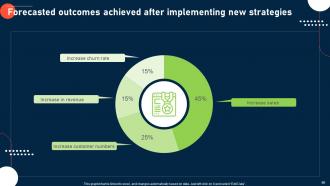
Slide 48: This slide showcase Forecasted outcomes achieved after implementing new strategies.
Slide 49: This slide showcase Deliver customer support on social media.
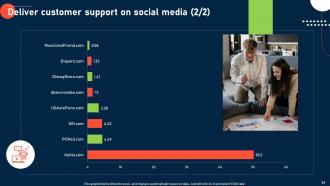
Slide 50: This slide showcase Deliver customer support on social media.
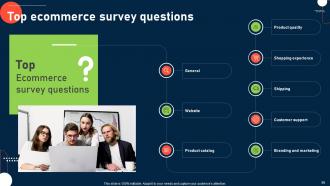
Slide 51: This slide showcase Top ecommerce survey questions.
Slide 52: This slide showcase Concerns regarding poor customer service.
Slide 53: This slide showcase Concerns regarding poor customer service.
Slide 54: This slide showcase Concerns regarding poor customer service.
Slide 55: This is the icons slide.
Slide 56: This slide presents title for additional slides.
Slide 57: This slide display About us.
Slide 58: This slide presents Mind map.
Slide 59: This slide display Our goal.
Slide 60: This slide exhibits ideas generated.
Slide 61: This slide display Bulb and idea.
Slide 62: This slide depicts posts for past experiences of clients.
Slide 63: This slide showcase Stacked.
Slide 64: This slide depicts 30-60-90 days plan for projects.
Slide 65: This slide displays yearly bar graph for different products.
Slide 66: This slide displays Pie chart template.
Slide 67: This is the Comparison slide.
Slide 68: This slide shows Financial of the company.
Slide 69: This slide shows Private equity fund investment funnel.
Slide 70: This slide display Venn diagram.
Slide 71: This slide presents your company's vision, mission and goals.
Slide 72: This is the Comparison slide.
Slide 73: This slide shows details of team members like name, designation, etc.
Slide 74: This slide shows puzzle for displaying elements of company.
Slide 75: This slide shows roadmap of company.
Slide 76: This slide exhibits yearly timeline of company.
Slide 77: This is thank you slide & contains contact details of company like office address, phone no., etc.
Process To Improve Customer Experience Powerpoint Presentation Slides with all 79 slides:
Use our Process To Improve Customer Experience Powerpoint Presentation Slides to effectively help you save your valuable time. They are readymade to fit into any presentation structure.


























FAQs for Process To Improve Customer Experience
Honestly? Speed matters way more than people think. Customers want quick responses and hate waiting around. Personalization is clutch too - they need to feel like you actually get who they are, not just another account number. Oh, and consistency across everything... your website, phone support, whatever. Can't have your app working great but then terrible customer service, you know? Proactive stuff helps tons - tell them about delays before they're pissed off asking where their order is. But real talk, empathy beats everything else. When your team genuinely gives a damn instead of just going through the motions, it shows immediately.
Honestly, data analytics is your best friend here. Track stuff like website clicks, purchase history, support tickets - whatever you can get your hands on. The magic happens when you connect different touchpoints. Like, maybe people abandoning their carts also had super slow page loads? Or your big spenders hate calling support and only want emails. I'd start small though - pick one part of the customer journey and really dig into that data first. You can segment customers later and personalize their experience, but don't overwhelm yourself trying to analyze everything at once. Survey responses are gold too if you've got them.
Look, training your team is honestly a game-changer for customer service. Your staff gets way more confident when they actually know what they're doing - product knowledge, how to talk to people, basic problem-solving stuff. Untrained employees? They're basically walking disasters waiting to happen. Good training helps people read situations better and not panic when customers get upset. Role-playing sounds cheesy but it actually works pretty well. Oh, and trained employees don't hate their jobs as much, which customers totally pick up on. Trust me on this one.
Look, customers are basically spoiled by Amazon now - they want everything fast and effortless. Digital stuff like self-service portals and mobile apps can really help with that. Chatbots handle the basic questions instantly, which people love. You'll see better satisfaction when you use data to personalize their experience too. The trick is actually solving their real problems, not just throwing random tech at them. Map out what's currently annoying your customers most. That's your starting point. Oh, and anything that cuts down waiting time is gold.
Start by grabbing all the customer data you can - what they buy, how they browse, what they actually like. Then break your audience into groups and hit them with targeted emails and product recs that actually matter to them. Your website should change based on where they are in the buying process too. I know it sounds obvious, but even just using someone's name in emails works way better than you'd think! Oh and don't try to do everything at once - pick maybe two channels first, get good at those, then expand from there.
Honestly, surveys and social media monitoring are your best bets for collecting feedback. Post-purchase emails too - people are way more honest right after they buy something. I'd also throw in some direct interviews if you can swing it. When you're analyzing everything, focus on patterns instead of getting hung up on individual complaints. Though sometimes those random angry rants actually give you the best insights, weirdly enough. If you're drowning in data, sentiment analysis tools help, but don't skip the qualitative stuff. Most important thing? Actually respond to people and show you're listening, not just hoarding their opinions.
So basically you want your team picking up on emotional cues - like when someone sounds frustrated or pissed off. Before diving into fixes, acknowledge how they're feeling first. Something simple like "I can hear how frustrating this is" works wonders, honestly. Train them to stay calm when customers are losing it (easier said than done, I know). The whole point is making people feel heard, not just another ticket to close. Oh and role-playing helps a ton - use actual scenarios your team deals with. Match their communication style too. Short sentences work better than I thought they would.
Honestly, the AI chatbot stuff is getting insane - they can handle way more complicated questions now than even like 6 months ago. You've also got predictive analytics that'll tell you what customers want before they know it themselves. Voice assistants are everywhere too. AR demos are pretty slick for letting people "try" products virtually, though I'm not sure how much regular folks actually use that yet. Real-time personalization is huge right now - websites that change based on how you're browsing. I'd probably start with basic AI chat or recommendation engines since those are easier wins and you'll figure out what actually works.
Honestly, your company culture is like the DNA of customer service. Happy, empowered employees naturally create better customer experiences. I've watched this play out so many times - when people feel supported internally, they'll go the extra mile without anyone asking. But toxic workplaces? Those frustrated employees can't fake good service, no matter how much training you throw at them. It all starts at the top too. Watch how leadership treats the team - that exact same energy gets passed down to customers. Fix the internal stuff first and the customer experience usually follows.
Honestly, getting all your customer data to talk to each other is the biggest game-changer. So when someone browses on their phone then calls support, your rep already knows what they were looking at. The setup is kind of a nightmare though, not gonna lie. Your messaging needs to match everywhere too - website, app, social, stores, whatever. But here's what really matters: people should be able to jump between channels without starting over each time. I'd start by figuring out where your data's stuck in silos right now and fix those connections first.
So you wanna measure CX ROI? Pick 2-3 metrics that actually matter to your biz - revenue per customer, lifetime value, retention rates. NPS too, though honestly everyone and their mom uses it now. Track before/after your initiatives, then do the math: revenue gains + cost savings (like fewer support tickets) minus what you spent, divided by investment times 100. Pretty basic stuff. Oh and track monthly - I learned that the hard way when I waited too long and couldn't tell what actually moved the needle.
Honestly, most companies try fixing everything simultaneously instead of zeroing in on what customers actually care about. Big mistake. Another thing - they make changes based on gut feelings rather than asking customers what's actually broken first. Teams work in silos too, where marketing does their thing while support does theirs, and nobody communicates. Oh, and expecting instant results when this stuff takes months to pay off. Pick one customer journey that's truly messed up, get real feedback on it, then measure the right metrics. Way more effective than the spray-and-pray approach most businesses take.
Honestly, it's pretty simple - treat your customers well and they'll keep coming back. Bad experiences make people bounce immediately (I know I do). When customers feel good about dealing with your company, they develop that trust thing that keeps them loyal. The numbers are wild too - businesses crushing it with customer experience see retention rates like 5-10x higher than competitors. My advice? Map out your customer's whole journey first. Find the annoying stuff that's driving people away and fix those pain points. Way more effective than trying to win new customers constantly.
Honestly, AI personalization is insane right now - companies can literally predict what you want before you know it yourself. The voice bots and chatbots? They're getting creepily good at sounding human. What's really cool though is when all your customer data syncs perfectly across every platform you use. Oh, and AR/VR demos are pretty sick too. Plus predictive analytics and real-time sentiment stuff are changing everything. I'd start by looking at where your customers get stuck and see if AI can fix those annoying spots first.
Here's what I'd do – map out your most common customer problems first. Automate the easy stuff like password resets and tracking orders. But when someone's actually mad or needs real problem-solving? That's when you bring in humans. I've watched companies totally blow this by automating everything – like, who wants to argue with a robot when their order got screwed up? The handoff between bot and person has to be smooth too, otherwise customers just get more annoyed repeating their whole story. Start small though, don't go crazy with it right away.
-
They guys always go the extra mile to meet the expectations of their customers. Almost a year has been associated with them.
-
I'm happy to discover your PowerPoint presentations and templates. They met my expectations precisely. Very innovative!