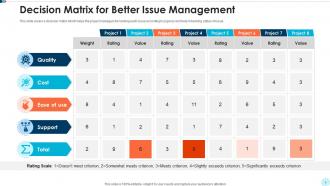
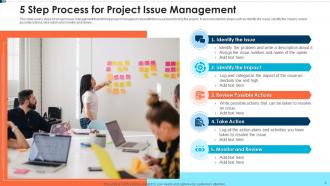
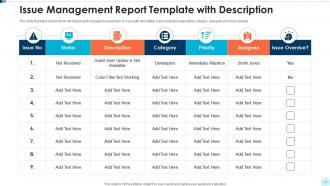
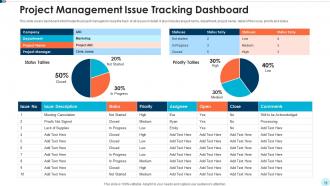
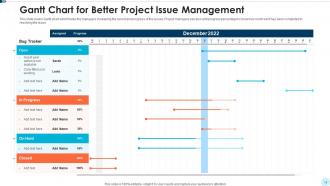
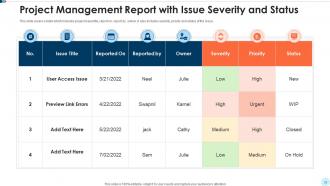
Issue management powerpoint ppt template bundles
Try Before you Buy Download Free Sample Product
Audience
Editable
of Time
Our Issue Management Powerpoint Ppt Template Bundles are topically designed to provide an attractive backdrop to any subject. Use them to look like a presentation pro.
People who downloaded this PowerPoint presentation also viewed the following :
Issue management powerpoint ppt template bundles with all 44 slides:
Use our Issue Management Powerpoint Ppt Template Bundles to effectively help you save your valuable time. They are readymade to fit into any presentation structure.
FAQs for Issue management powerpoint
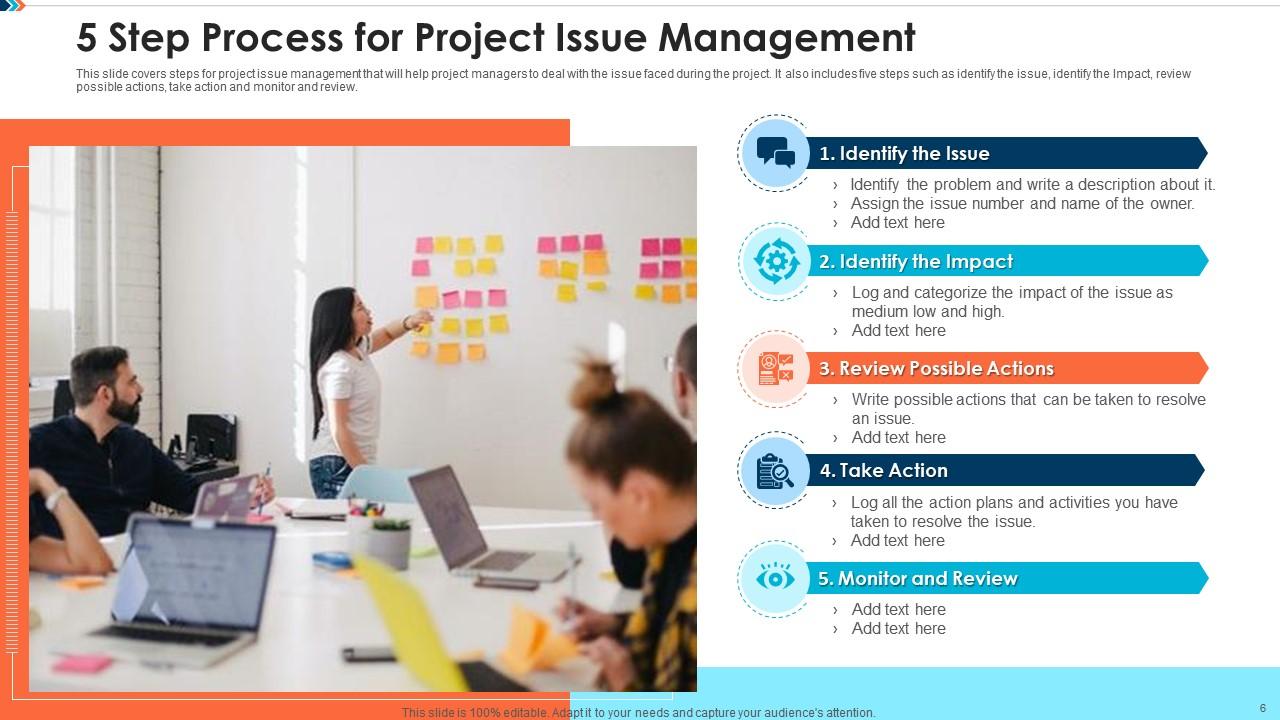
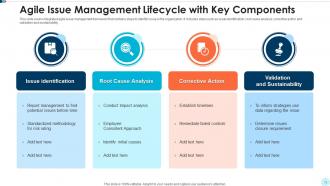
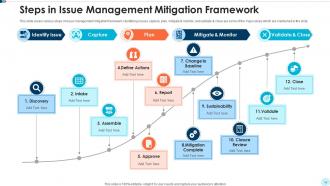
So basically you need four things sorted: log issues properly, categorize and prioritize them, assign clear ownership, and track everything until it's done. Most teams totally bomb the logging part though - they either write novels or jot down "website broken" and call it a day. Set up standardized workflows so people aren't constantly asking "wait, whose job is this?" Also make sure someone's actually tracking progress because stuff just dies otherwise. Oh and start simple with your tracking system - don't build some complex monster right away. Build around what your team actually does, not some theoretical perfect process.
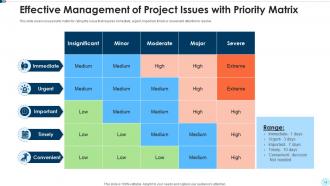
So I'd set up a simple matrix - high/medium/low for both impact and urgency. Customer stuff gets priority, but honestly don't let the loudest person always win. That's a trap I've seen teams fall into. Make SLA timelines for each level and actually follow them. When you're assigning work, think about who's available and who knows that area best. Review priorities weekly since things change fast. The main thing is documenting your process so everyone's on the same page. Otherwise you'll just be putting out fires based on who complains most.
Dude, communication literally makes or breaks everything here. Keep everyone in the loop about what's going down and what you're doing about it. People start freaking out and making stuff up when they don't hear from you. Then small problems turn into total disasters. Also, talking to people actually helps you figure out what's really happening - the folks dealing with it directly usually have the best info. Don't wait for people to ask for updates either. Send regular check-ins even if nothing's changed. I swear, radio silence just makes everyone panic and come up with crazy theories.
Issue templates are honestly a game changer - they'll save you so much back-and-forth with bug reports. Basically you're pre-filling all the stuff people always forget to mention. Browser version, steps to reproduce, that kind of thing. I used to spend half my day chasing down missing details. Templates standardize everything too, so your whole team follows the same process when logging issues. Makes sorting and assigning way easier. Just figure out what types of issues you get most, then build forms with the right prompts for each one. Trust me, your future self will thank you.
Jira's everywhere but honestly it's such overkill for most projects. GitHub Issues is solid if you're already coding there. Linear's pretty clean too. Asana and Monday.com work well if your team likes the visual stuff - my old manager was obsessed with those colorful boards. Azure DevOps makes sense if you're already deep in Microsoft land. Here's the thing though - don't get caught up picking the "best" one. Simple tools that people actually use beat fancy ones that sit there collecting dust. Try free versions of like 2-3 with your team for a week. You'll know pretty quickly which one clicks.
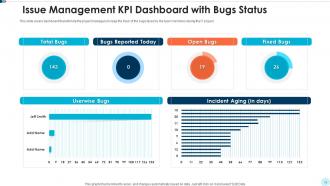
Honestly, data analytics is a game-changer for handling issues. It'll show you patterns you'd miss otherwise - like which problems pop up most or when things usually go sideways. Track your basics first: how many issues, resolution times, what's causing them. From there you can actually predict problems instead of scrambling to fix them. Plus you'll figure out resource stuff - maybe you need extra people on Mondays or that one feature keeps breaking (we've all been there). Short version: it shifts you from reactive to proactive, which feels amazing once you get there.
Honestly, getting stakeholders involved upfront is a game-changer for issue management. They'll spot problems way earlier than you would - saves you from scrambling later. Plus when shit hits the fan, they actually understand what's happening and can help you figure out what's really urgent vs just noisy. I learned this the hard way on a project last year. The trick is knowing which people to loop in for different types of issues. Don't go overboard though - too many cooks and all that. But yeah, if they're part of solving it, they won't blame you when things get messy.
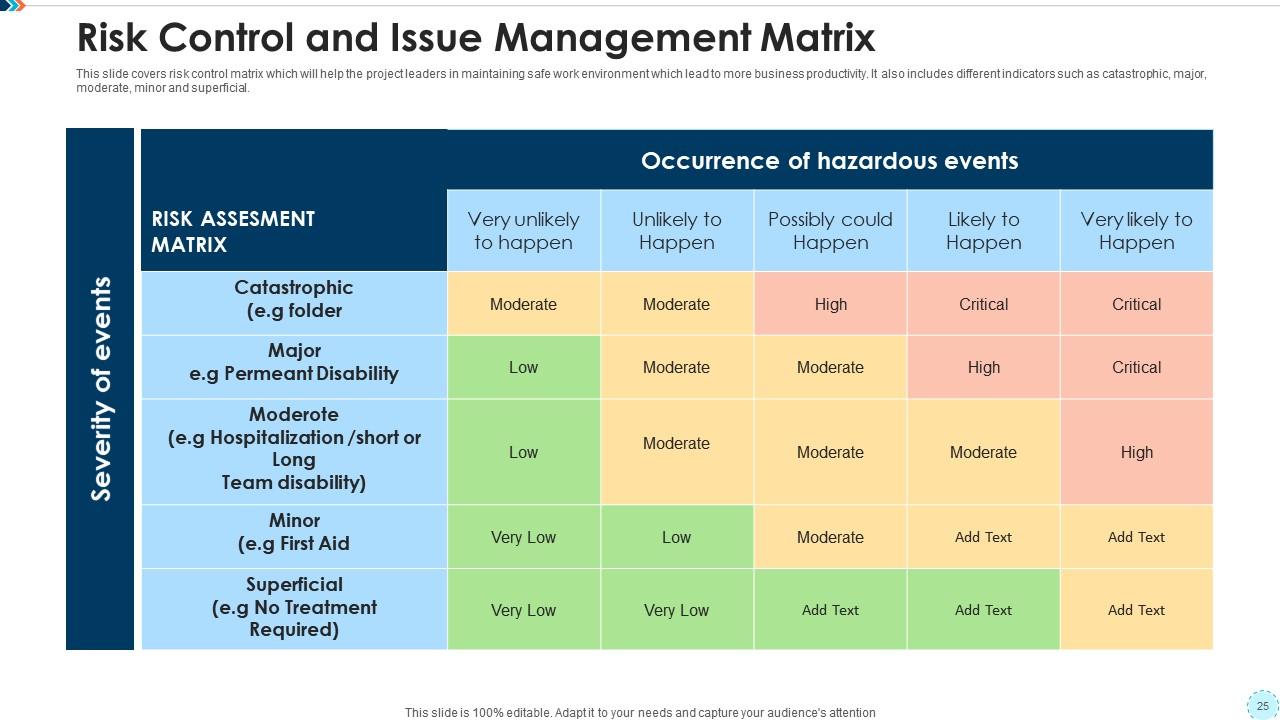
Just bake risk assessment right into how you handle issues. Score each one based on how likely it'll blow up and what damage it could do to the business. Honestly, some bugs just aren't worth losing sleep over. Make it part of your regular process - ask yourself what happens if this thing sits there unfixed for another week or two. Short, quick fixes for the high-impact stuff. Everything else can probably wait in line. The whole point is staying ahead of the really messy problems before they actually become messy, you know?
Honestly, poor communication will drive you insane - that's the biggest one. Scope creep too. You'll get tickets that say "quick fix" and suddenly you're three weeks deep into some massive project nobody planned for. Everything becomes "urgent" so prioritization gets messy fast. Also people escalate stuff to random managers instead of following proper channels, which creates more chaos. Oh and if you don't document things properly in your ticketing system, you'll lose track of everything. Set up clear escalation paths early and don't let people expand scope without pushback - learned that one the hard way!
Look, people need to feel safe calling out problems without getting their heads chopped off. Set up ways for them to speak up - team meetings, anonymous systems, whatever works. Your leaders have to go first though - when they admit their own screwups, everyone else follows. I've watched places where nobody says anything until everything's on fire, and it's brutal. Train managers to ask "what happened?" instead of "who screwed up?" Oh, and actually reward the people who spot issues early. Makes a huge difference.
Don't just fix stuff and move on - that's where most teams mess up. After big incidents, actually dig into what went wrong (root causes, not surface stuff). Yeah, documentation sucks but you'll thank yourself when you're debugging at 3am and find notes from a similar issue last year. Set up templates that make people think about patterns they've seen before. Oh, and do regular team retrospectives to spot trends. The best part? Eventually you start catching problems before they explode. Way better than constantly fighting fires.
Honestly, be super specific when you document stuff - none of that "system down" garbage that tells you nothing. Include what broke, who it affected, timestamps, and how you actually fixed it. I learned this the hard way after spending hours trying to figure out an issue someone had "resolved" with zero details. Templates are your friend for common problems. Oh, and use a system where people can actually search by date or severity later. The whole point is that someone who wasn't there can read it and understand what went wrong without having to hunt you down for answers.
Start with resolution time and customer satisfaction scores - those two are non-negotiable. Escalation rate shows you when things are getting messy. First-contact resolution is honestly where the magic happens though, cuts down so much repeat work. Oh, and track volume trends weekly so you can catch patterns before they blow up in your face. I learned that one the hard way at my last job. These five metrics will show you exactly what's broken and what's working. You can get fancy with analytics later, but this combo gives you everything you need to start fixing things.
So here's the thing - you've gotta keep tweaking your issue tracking as stuff changes. When teams grow or new tools come in, that old system just stops working. Trust me, I watched our team spreadsheet turn into absolute chaos once we hit like 50 people! Ask your team what's driving them crazy right now. Then test new approaches with small groups first - don't go all-in immediately. Honestly, the biggest mistake is getting stuck on "but this is how we do things." Stay flexible. Your future self will thank you when you're not drowning in broken processes that made sense two years ago.
So here's what actually works - give each problem to a real person, not just "the team." Weekly meetings where everyone updates out loud. Trust me, nobody wants to admit they procrastinated in front of coworkers. Get a shared doc or tracker going so the whole mess is visible to everyone. When people can see who's supposed to do what (and when), they usually don't want to be the slacker. Honestly, half the battle is just making everything transparent. Start tomorrow and you'll see the difference pretty quick.
-
Great designs, really helpful.
-
Designs have enough space to add content.
-
Very unique and reliable designs.
-
Great experience, I would definitely use your services further.