

Job Career Powerpoint Ppt Template Bundles





Try Before you Buy Download Free Sample Product
 Impress Your
 Audience
 100%
100% Editable
 Save Hours
 of Time


Our Job Career Powerpoint Ppt Template Bundles are topically designed to provide an attractive backdrop to any subject. Use them to look like a presentation pro.
People who downloaded this PowerPoint presentation also viewed the following :
Job Career Powerpoint Ppt Template Bundles with all 17 slides:
Use our Job Career Powerpoint Ppt Template Bundles to effectively help you save your valuable time. They are readymade to fit into any presentation structure.

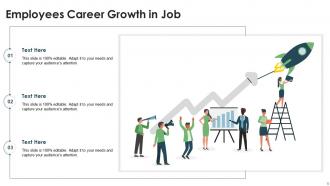







FAQs for Job Career Powerpoint
Honestly, adaptability and digital skills are what everyone's after right now. You've gotta show you can pick up new tools fast and work with all kinds of people. Problem-solving is massive too - like, they want someone who won't need their hand held constantly. Soft skills actually matter as much as the technical stuff, which kinda blew my mind when I was hunting for jobs. Oh, and data analysis is becoming pretty standard everywhere now, even in random industries. My take? Focus on 2-3 of these and dig up real examples from your past that prove you've got them. Makes all the difference.
Hit up everyone you know first - old coworkers, college friends, that random person from the conference (you know the one). Tell them you're job hunting and see if they know anyone. People actually like helping out if you're cool about it. Ask for coffee chats or advice about companies instead of just "got any jobs?" LinkedIn events are decent too, though some can be kinda awkward. Professional groups in your field are worth joining. Oh, and be ready to return favors when you can - networking goes both ways.
Personal branding actually matters way more than I thought it would. You're basically controlling how people see you professionally instead of just hoping for the best. Show up consistently on LinkedIn, at work events, wherever - and people start remembering you for the right stuff. Honestly thought it was all hype at first, but it really does help recruiters notice you and gets colleagues excited to work with you. The trick is figuring out what makes you different, then just... being that person everywhere. Sounds cheesy but it works. You'll end up being the go-to person for opportunities in your space.
Honestly? Super important. Most people don't realize how obvious generic resumes are to hiring managers - they can tell instantly. I made this mistake early on, sent like 50 identical resumes and got crickets lol. Now I always customize for each job. Pull keywords straight from their posting and work them into your bullet points. Shows you actually read what they want instead of just mass-applying. Yeah it takes an extra 10-15 minutes per application, but the response rate is so much better. Plus you're competing with people who won't bother doing this, so easy win there.
Having a mentor is honestly a game-changer for your career. They give you the real inside scoop on your industry and help you make way smarter decisions. You'll get personalized advice and brutal honest feedback about your blind spots - which sucks but is so necessary. Plus they open doors to networks you'd never access otherwise. Some of my best opportunities came through mentor connections, not random job applications. They help you dodge stupid mistakes too. Oh and they develop into advocates who actually recommend you for stuff. Start small though - find someone whose path you admire and just ask for 20 minutes of their time.
Definitely research the company beforehand so you can talk specifically about what you'd bring to the table. I used to just wing the behavioral questions and it was obvious - practice those STAR method examples ahead of time. Come up with good questions about team culture and growth stuff. Oh and do a test run of your route the night before, trust me on this one. Dress a notch above whatever their dress code is. Show up early with extra resumes. Honestly, being overprepared beats being naturally talented but unprepared every single time.
Honestly, online certs can really help your career - just depends on your field. Tech, marketing, and project management love them way more than traditional stuff like law or medicine. Pick ones that actually matter though, like from Coursera, AWS, or Google. Don't just grab random certificates to flex on LinkedIn lol. They're solid for filling skill gaps and showing employers you're motivated. Sometimes they're literally required for jobs. But here's the thing - you better actually know the material because interviewers will definitely quiz you on it. I've seen people get caught completely off guard with that.
First thing - dig into what skills you already have that actually transfer over. You'll be shocked how much overlaps. LinkedIn is honestly your best bet for finding people who made similar jumps. Pick their brains about the transition. Do your homework on the industry so you don't sound clueless in interviews. Maybe grab a certification if there's an obvious gap. Your resume needs a total reframe - same experience, but spin it for the new field. And honestly? This stuff takes forever, so don't get discouraged. Most people who stick with it end up way happier though.
So remote work isn't going anywhere - that's basically locked in now. AI's gonna create some jobs but yeah, it'll kill others too. Healthcare and cybersecurity are blowing up right now, plus anything green energy related. Data skills are everywhere these days. Like, even marketing people need to know analytics now which is kinda wild. More folks are doing freelance/contract stuff instead of the traditional 9-to-5 thing. My advice? Start learning digital tools and get familiar with AI before you have to. Sustainability jobs are huge right now, and honestly eldercare too since everyone's aging.
Honestly, you don't have to pick just one thing. Look at what you're actually passionate about, then figure out if any of those could realistically pay rent. Maybe you love gaming but end up designing apps for game companies - that counts! Tons of people I know keep their creative stuff as side projects while working normal jobs that fund it. Talk to people already doing what sounds cool to you. Oh and be real about your money situation too - like how much time you actually have to make this switch. Sometimes the perfect overlap takes a while to find, but it's worth hunting for.
Honestly, you gotta spread your skills around and not put all your eggs in one basket. Learn new tech, cross-train in related areas - I've watched way too many people get totally screwed when their industry shifted overnight. Network regularly (not just when you're desperate for work) and keep in touch with old coworkers. Save up 3-6 months of expenses so you're not taking the first crappy offer that comes along. Stay plugged into what's happening in your field through newsletters or whatever. Oh, and keep your resume fresh even when things are going well - you never know when opportunity might knock.
Look, performance reviews are basically your career GPS. Yeah, the criticism stings but that's honestly where you'll find the most useful stuff. Don't get hung up on random one-off comments - pay attention to patterns instead. Ask your manager for concrete examples of what they mean by "needs improvement" because that's usually pretty vague. Then set some actual measurable goals. Maybe it's stepping up as a leader or getting better at the technical stuff. Oh, and definitely circle back in a couple months to show you're making progress. Keeps you on their radar in a good way.
Honestly, the biggest mistakes I see people make are just blasting their resume everywhere without customizing it. Like, companies can totally tell when you're copy-pasting applications. Also don't be that person who ghosts after an interview - super unprofessional and this industry is way smaller than you'd think. Interview prep is huge too, can't just wing it. Oh and relying only on job boards is pretty limiting. Hit up your network, follow up on applications (but not annoyingly), and track where you've applied so you don't accidentally apply twice. Rejections suck but they're honestly just steering you toward something better.
LinkedIn's your best bet - get that profile looking good and start sharing stuff about your industry. Twitter's solid for following the big names and jumping into conversations. If you're doing anything creative, Instagram could work too. One thing though - don't post anything you'd regret your boss seeing. Trust me on that one lol. Being real matters way more than being salesy. Honestly, just spend like 15 minutes a day commenting on posts from industry people. Way better than shouting into the void with your own content.
Dude, those internships and entry-level jobs are honestly worth way more than whatever they're paying you. You get actual hands-on experience that college totally doesn't prepare you for - like learning how office politics work or what the job really looks like day-to-day. Plus the people you meet? Those connections are gold. Your intern buddy could end up being your reference in five years, or maybe even your boss someday. It's also a good reality check to see if you actually want to stay in that field. The pay might suck now, but trust me - the skills and network you build will pay off big time later.
-
I've been looking for a good template source for some time. I'm happy that I discovered SlideTeam. Excellent presentations must try!
-
Impressive templates. Designing a presentation is fun now!