


Lost Sales Powerpoint PPT Template Bundles





Try Before you Buy Download Free Sample Product
 Impress Your
 Audience
 100%
100% Editable
 Save Hours
 of Time


Introducing our comprehensive Lost Sales PPT, a powerful tool designed to help businesses understand and tackle the hidden challenges of lost sales. This presentation provides in-depth insights into the causes, impacts, and solutions for lost sales, ensuring organizations can optimize their revenue potential. With a focus on Lost Sales Reports, Inventory Stockout, and Loss of Sale, this PPT offers a step-by-step guide on identifying and preventing lost customers. Dive into the Lost Sales Analysis section to uncover valuable data-driven strategies for regaining lost deals and opportunities. Dont let the hidden costs of lost sales hinder your business growth. Arm yourself with our Lost Sales PPT and unlock untapped potential in your sales pipeline. Maximize your revenue and drive success like never before.
People who downloaded this PowerPoint presentation also viewed the following :
Lost Sales Powerpoint PPT Template Bundles with all 35 slides:
Use our Lost Sales Powerpoint PPT Template Bundles to effectively help you save your valuable time. They are readymade to fit into any presentation structure.

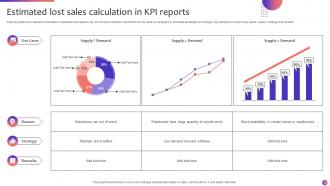
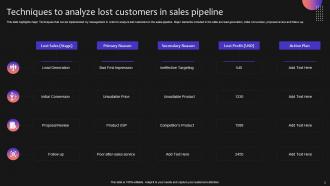

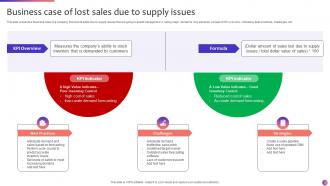


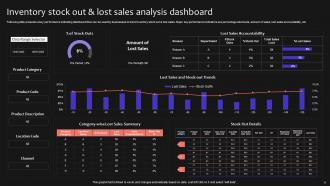













FAQs for Lost Sales Powerpoint
Dude, it's usually pricing or you're taking forever to get back to people. Seriously, I've watched deals crash just because someone waited three days to return a call. Your competitors might have better offers, or honestly? Your sales process just sucks. If you can't explain why you're different or what problem you're solving, customers will bounce. Also - and this one's big - ask people who said no WHY they picked someone else. Most companies skip this step but it's gold. Oh, and check how fast your team responds to leads. Timing matters way more than people think.
Okay so first thing - you gotta track where people are bailing and actually ask them why. Most sales teams just guess (which is useless tbh). Set up your CRM to log the real reasons: price, timing, they went with someone else, missing features, whatever. But here's what actually works - call or survey the lost prospects within like a week. Don't wait. People will tell you the truth if you're not weird about it. Then look for patterns each month. You'd be surprised how obvious the fixes become once you see the same complaints three times in a row.
Look, the best way is to directly ask lost prospects what went wrong - they'll usually tell you straight up. Survey them, check G2 reviews where people don't hold back, and dig through support tickets from customers who seem frustrated. You're hunting for patterns here. Three people complain your pricing's confusing? Time to fix that. Demo feedback is brutal but super helpful too. Oh, and set up monthly check-ins to review all this feedback - otherwise you'll just collect data and never use it. The hard part isn't finding problems, it's actually changing what you're doing.
Dude, training your staff is seriously the best thing you can do about lost sales. When they actually know your products, they're way better at handling customer complaints and can suggest other stuff when you're out of something. Confident employees just naturally sell more - I swear it's like night and day. My buddy's store cut their lost sales by 30% doing regular product sessions. Don't make it some huge formal thing though. Just do quick 15-minute team meetings weekly covering your bestsellers and the questions customers always ask. Way more effective than those marathon training days nobody remembers anyway.
Honestly, templates are a game changer for sales teams. Your reps won't accidentally skip important stuff or ramble through messy pitches anymore. New hires especially love having that structure - gives them confidence instead of winging it. Clients get a smoother experience too since everything flows better and hits their main concerns. I'd probably start with just 2-3 templates for your biggest client types. Oh, and make sure they're actually easy to customize - nobody wants to sound robotic. You'll definitely see better conversion rates once everyone's on the same page.
Don't just give up on those prospects - they're worth circling back to. I'd send personalized emails that actually address why they said no originally, plus share case studies or product updates that might flip their thinking. Mix up your approach too - LinkedIn, phone calls, whatever works. Honestly, some of my best conversions have come from prospects I waited like 8 months to re-contact. There's something about that "just checking in" vibe that doesn't feel so salesy. You could throw in a limited-time offer or just ask what made them pass initially. The trick is staying visible without being that annoying person blowing up their inbox every week.
Yeah, longer sales cycles are deal killers honestly. Prospects get distracted, budgets get frozen, decision-makers bail for new jobs. There's just too much time for things to go sideways. Plus they'll find your competitors or their priorities will completely shift - happens all the time. What works is figuring out where deals usually get stuck in your process and cutting the fat. Keep them engaged with stuff that actually matters to them, not those pointless "just checking in" calls. Always push for the next real milestone. Short cycles win deals, period.
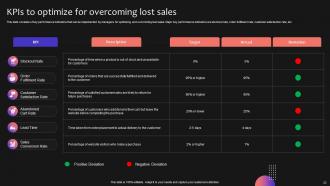
Track your conversion rates by channel first - that's where the money is. Cart abandonment and CRM lost deal values too. Getting competitor win rates is tricky but worth it if you can swing it. Sales cycle length matters more than people think. Lead response times, seasonal loss patterns, all that stuff. Segment everything - customer type, deal size, why deals died. Honestly, manual monthly analysis is a nightmare, so set up dashboards that update automatically. Makes spotting trends way easier when you're not drowning in spreadsheets every few weeks.
Dude, CRM tools are seriously clutch for this stuff. They'll auto-follow up so leads don't just vanish into the void. Set alerts for when prospects ghost you, and you can see exactly where your deals are getting stuck. The visibility thing is wild – like you'll actually notice patterns about response times and common objections. When Sarah was out last week, I could jump right into her conversations because everything's tracked. Start with pipeline alerts and automated reminders. Trust me on this one.
Dude, buyers get spooked for so many reasons. They'll start overthinking if they actually need whatever they're buying or worry they're blowing too much cash. Too many choices? That just freezes people up completely. Plus there's the whole social thing - like what if their partner thinks it's stupid or friends judge them for it? Sometimes they just panic for literally no reason at all, which is wild but happens constantly. Oh, and if you're being too pushy with the "limited time" stuff, that backfires hard. Best thing you can do is keep it simple, don't be sketchy, and actually help them feel good about deciding.
Okay so basically you want automated email sequences for cart abandoners and cold leads who ghost you. First message should go out within 24 hours - something chill like "saw you were checking out our X product." Then wait 3-5 days between follow-ups. Add testimonials, maybe a discount, whatever adds actual value. Honestly, I've watched companies send like 12 desperate emails in a week and it's just cringe. Don't do that. Always include an unsubscribe option because nobody wants to feel trapped. Most importantly though - track everything so you know which emails actually work and which ones are just annoying people.
Dude, your online presence is probably costing you more sales than you realize. When people can't find you online or your stuff looks sketchy, they just bounce to competitors. Your website might be outdated, social media dead - basically you're invisible to buyers actively searching for what you sell. It's wild how many people research businesses online before buying anything now. Even if someone's interested, they'll still Google you first. If they find nothing or something that looks unprofessional, they're gone. I'd start by checking what actually shows up when you search your business name, then fix the worst stuff first.
Honestly, just get those two teams in a room together on the regular. Weekly meetings work way better than random email chains that nobody reads anyway. First thing - agree on what counts as a "good" lead so marketing isn't sending over garbage. Your messaging has to match too, because nothing kills deals faster than promising stuff you can't deliver (learned that one the hard way). Don't forget about content that actually helps close deals, not just the flashy top-of-funnel stuff. Track pipeline quality instead of just lead numbers - that's where the real money happens.
Honestly, most businesses think they know why customers bailed but they're usually dead wrong. You've gotta dig into the real reasons - was it pricing? Product sucked? Service was terrible? The companies that actually turn things around get brutally honest first. Some even call up lost customers directly (super awkward but it works). Quick wins usually come from fixing basic operational mess-ups before tackling the big strategic stuff. I'd start by looking at your recent losses and see if there's a pattern. Sometimes the answer's staring right at you.
Oh man, you're so right to think about this. Most sales teams completely ignore what their competitors are doing and then wonder why deals slip away. Track who you're losing to and dig into the actual reasons why. Like, don't just note "lost to Company X" - find out if it was price, features, timing, whatever. Set up some quick way to capture this stuff from your sales calls and those awkward post-loss conversations. Once you see the patterns, you can actually fight back instead of just hoping for the best. It's honestly a game-changer when you finally start doing it consistently.
-
Excellent Designs.
-
Great combination of visuals and information. Glad I purchased your subscription.