

Drop Shipping Powerpoint Ppt Template Bundles




Try Before you Buy Download Free Sample Product
 Impress Your
 Audience
 100%
100% Editable
 Save Hours
 of Time


Our Drop Shipping Powerpoint Ppt Template Bundles are topically designed to provide an attractive backdrop to any subject. Use them to look like a presentation pro.
People who downloaded this PowerPoint presentation also viewed the following :
Drop Shipping Powerpoint Ppt Template Bundles with all 21 slides:
Use our Drop Shipping Powerpoint Ppt Template Bundles to effectively help you save your valuable time. They are readymade to fit into any presentation structure.





FAQs for Drop Shipping Powerpoint
Honestly, the startup costs are insanely low - no warehouse, no inventory sitting around collecting dust. You can test random products without getting stuck with boxes of stuff nobody wants, which is huge. Sure, profit margins aren't amazing, but when you're just starting? Worth it. I spent like two hours yesterday helping my cousin set up his first store from his couch lol. Focus gets to be all marketing and customer stuff instead of logistics. I'd probably pick one niche first though - don't go crazy right away.
Dude, product selection will literally make or break your whole thing. Don't just pick stuff you think is cool - I learned that the hard way. Look for products that actually solve problems for specific people, not just random trendy gadgets everyone's already hawking. Check if your suppliers can deliver on time (seriously, this matters more than you think). Google Trends is your friend for seeing real demand. Oh, and profit margins obviously need to be decent. Start small with maybe 5-10 products, test what actually sells, then expand from there. Way better than going crazy with a huge catalog right away.
Dude, the two biggest mistakes? Sketchy suppliers and not knowing your actual profit margins. I learned this the hard way lol. Always order samples first and check their shipping speeds - cheap suppliers will screw you over when customers start complaining. Also, stay away from super saturated niches where everyone's just competing on price. That's a nightmare. Calculate ALL your costs upfront: product, shipping, ads, platform fees. People burn through ad money so fast without realizing they're barely breaking even. Start with small test batches before going big.
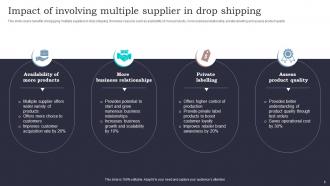
Definitely start by testing a few suppliers with small orders - don't go big right away. Communication matters a lot, so see how fast they respond and ask for product samples upfront. Those super cheap overseas ones? Yeah, they'll usually screw you over with garbage quality, learned that the hard way. Check their fulfillment times and return policies too. You want suppliers who can handle your volume and are cool with blind shipping (no their branding on packages). Look for decent reviews and some kind of business certification if possible. Stick with 2-3 solid ones instead of spreading yourself thin initially.
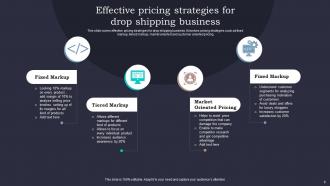
Dude, pricing can literally make or break your dropshipping business. You've gotta hit that sweet spot between competitive prices and decent profit margins - easier said than done tbh. Research what competitors are charging constantly, then factor in everything: product cost, shipping, fees, ads. I'd start testing different price points on your best sellers and watch those conversion rates like a hawk. Oh and since you can't control supplier costs like regular stores, your markup game needs to be on point. Short sentences help here. Track what actually gets people to buy, not just what looks good on paper.
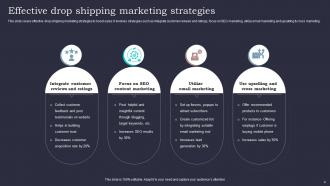
Honestly, I'd go hard on social media first - Facebook and Instagram ads are perfect for dropshipping because you can show off your products and retarget visitors. TikTok's blowing up too if you're targeting younger people. Once you get some sales going, email marketing becomes super valuable. You could also do content stuff like blogs or YouTube for SEO, but that takes forever to pay off. Oh and influencer partnerships can be gold if you find the right people. Don't try everything at once though - pick one platform, get good at it, then branch out. Way easier that way.
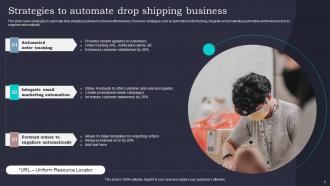
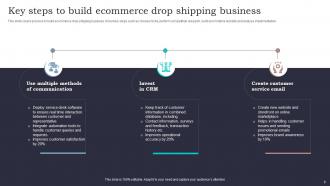
Dude, communication is everything when you're not touching the actual products. Tell customers upfront what to expect with shipping - like, be honest about delays because people will lose their minds if packages show up late without warning. I learned this the hard way lol. Track everything obsessively and keep buyers in the loop. Having your suppliers on speed dial helps too when things go sideways. You're basically the go-between who needs to actually solve problems, not just collect money and vanish. Gets messy fast if you're disorganized about it.
Honestly, shipping time can totally make or break your dropshipping business. People are so used to Amazon's 2-day delivery that waiting 2-3 weeks feels like forever now. You'll definitely get angry customers, refund requests, and bad reviews if things take too long. I learned this the hard way lol. Set super clear expectations right from the start about how long shipping actually takes. Maybe offer faster shipping for people who don't want to wait? Oh, and always tell customers it'll take longer than you think it will - better to surprise them when it arrives early than have them mad it's late.
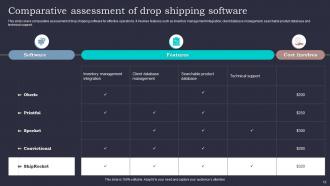
Dude, definitely start with Oberlo or Spocket - they handle all the boring order fulfillment stuff automatically. DSers is solid for tracking inventory too, though honestly the interface takes some getting used to. Shopify's pretty much the go-to platform since it plays nice with most dropshipping tools. Oh, and set up Google Analytics from day one or you'll be flying blind on what's actually working. The monthly fees seem steep at first but trust me, the time you'll save is crazy. I'd just pick maybe two tools to start - don't go overboard right away.
For sure you can! The thing is, your customers never see your suppliers anyway - so focus on everything they DO see. Your website needs to look professional, and honestly, good customer service is huge. Most dropshippers suck at responding quickly, so that's an easy win. Custom packaging inserts help too if you can swing it. Social media is where you'll really build that connection though - nail your brand voice there and be consistent across everything. I've seen people absolutely kill it just by having their branding down and treating customers right. Your logo, messaging, all that visual stuff matters more than people think.
Ok so drop shipping gets tricky legally. Sales tax is honestly the worst part - you might owe it where your suppliers are, not just your state. Consumer protection stuff matters too, like being upfront about shipping delays and returns. Business licenses are obvious but easy to forget. If you're using overseas suppliers, import rules become a thing. Oh and product liability - even though you're not making anything, you can still get blamed if products are defective. Definitely worth talking to a lawyer before you dive in. Trust me, it's way better than dealing with problems later.
Okay so first thing - get your returns policy sorted before you launch anything. Most drop shippers do it one of two ways: either customers send stuff back to you first, then you forward it to your supplier, or they ship directly to the supplier. Honestly? Go with the direct route if you can, way less of a pain. Just heads up though - your refund timing has to match however long your suppliers take to process everything and send your money back. Oh and definitely be upfront about longer wait times since you're basically the middleman. Track everything so you don't lose returns in the shuffle.
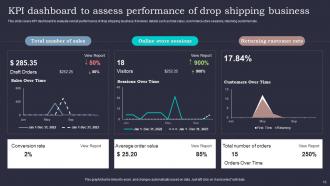
Track your conversion rate, average order value, and customer acquisition cost first - those are the big ones. Cart abandonment will kill you with dropshipping since people already worry about shipping times, so watch that closely. I'd also keep an eye on profit margins per product and your return rates. Supplier stuff matters too - how fast they ship and whether they actually have stock. Oh, and lifetime customer value if you can swing it. Honestly, just start with a basic spreadsheet and track everything weekly. You can always upgrade to fancy tools once you're making money.
Honestly, Instagram and TikTok are your best bet - they're built for showing off products visually. Don't just spam "buy this!" though. Mix in demos, behind-the-scenes stuff, maybe repost what customers share about your products. Facebook ads still work decent, but organic posts there are basically dead now (which sucks). Pick ONE platform where your people actually are and post daily there. Way better than posting randomly across three different apps. The biggest thing? Actually reply to comments and DMs. So many businesses just post and disappear.
Honestly, automation tools are getting crazy good at handling inventory and customer stuff - definitely worth checking out if you haven't. AI product research is where it's at right now for finding winners fast. The whole social commerce thing is blowing up too... TikTok Shop, Instagram checkout, all that. Oh and sustainability matters way more now - customers actually care about eco-friendly packaging and whatnot. Might sound boring but suppliers who get this are doing really well. I'd start playing around with some automation tools soon and maybe look into those greener suppliers since it's only gonna get bigger.
-
You can rely on SlideTeam whenever you run out of designs for your presentation. Thank you so much SlideTeam!
-
Professionally designed slides with color coordinated themes and icons. Perfect for enhancing the style of the presentations.