


Material Planning Powerpoint Ppt Template Bundles




Try Before you Buy Download Free Sample Product
 Impress Your
 Audience
 100%
100% Editable
 Save Hours
 of Time


Our Material Planning Powerpoint Ppt Template Bundles are topically designed to provide an attractive backdrop to any subject. Use them to look like a presentation pro.
People who downloaded this PowerPoint presentation also viewed the following :
Material Planning Powerpoint Ppt Template Bundles with all 30 slides:
Use our Material Planning Powerpoint Ppt Template Bundles to effectively help you save your valuable time. They are readymade to fit into any presentation structure.







FAQs for Material Planning Powerpoint
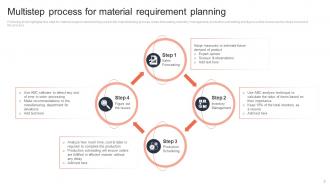
Key components of an effective material planning process include demand forecasting, inventory optimization, supplier management, procurement scheduling, and resource allocation coordination. These elements work together by streamlining supply chain operations, minimizing carrying costs, and ensuring material availability, with many manufacturing organizations finding that integrated planning systems ultimately deliver enhanced operational efficiency and competitive advantage.
Demand forecasting significantly impacts material planning by enabling accurate inventory requirements, optimizing procurement schedules, and minimizing stockouts or excess inventory costs. Through predictive analytics and historical data analysis, organizations streamline supplier relationships, reduce carrying costs, and enhance customer satisfaction, with many manufacturing and retail companies finding that accurate forecasting delivers competitive advantages and operational efficiency.
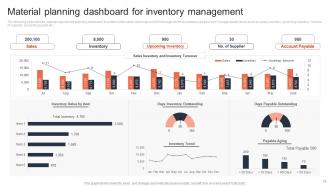
Inventory management serves as the backbone of effective material planning, controlling stock levels, optimizing reorder points, minimizing carrying costs, and ensuring material availability across production cycles. Through strategic inventory controls, manufacturers streamline procurement processes, reduce waste, and maintain operational continuity, with many organizations finding that integrated inventory systems ultimately deliver significant cost savings and enhanced supply chain efficiency.
ERP systems enhance material planning efficiency by automating inventory tracking, providing real-time demand forecasting, and integrating supplier data across departments. These technologies streamline procurement processes, minimize stockouts and excess inventory, and enable data-driven decision making, with many manufacturing and retail organizations finding that automated planning reduces costs while improving service levels.
Common material planning challenges include demand forecasting inaccuracies, supplier reliability issues, inventory optimization complexities, lead time variabilities, and supply chain disruptions. These obstacles can be mitigated through advanced analytics, diversified supplier networks, automated inventory systems, and strategic safety stock management, with many manufacturing organizations finding that integrated planning platforms ultimately deliver enhanced operational efficiency and reduced costs.
Companies balance just-in-time inventory with material planning through demand forecasting, supplier partnerships, flexible procurement strategies, and buffer stock management for critical components. This strategic combination enables manufacturers and retailers to minimize carrying costs while ensuring production continuity, with many organizations finding that hybrid approaches deliver operational efficiency and supply chain resilience.
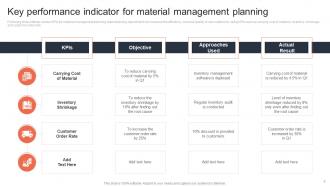
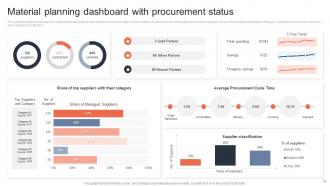
Essential metrics for measuring material planning success include inventory turnover rates, stockout frequency, carrying costs, supplier delivery performance, and demand forecast accuracy. These metrics enable organizations to streamline operations by reducing waste, minimizing storage expenses, and enhancing customer satisfaction, with many manufacturing and retail companies finding that tracking these indicators delivers improved cash flow and competitive advantage.
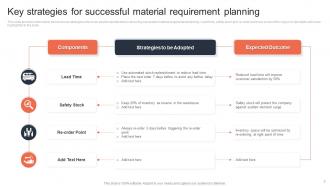
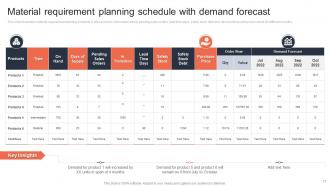
Lead times significantly influence material planning by determining procurement schedules, safety stock levels, inventory optimization strategies, and supplier selection criteria. Longer lead times require organizations to forecast demand more accurately and maintain higher buffer stocks, while shorter lead times enable just-in-time approaches, ultimately delivering reduced carrying costs and improved cash flow management.
Effective collaboration strategies include integrated planning platforms, real-time data sharing, joint forecasting sessions, collaborative performance metrics, and cross-functional teams. Through shared visibility systems, partners can synchronize demand signals, optimize inventory levels, and reduce supply chain disruptions, with many organizations finding that collaborative partnerships deliver faster response times, lower costs, and enhanced customer satisfaction in increasingly complex markets.
Seasonal demand variability significantly influences material planning by requiring flexible inventory strategies, adjusted safety stock levels, and dynamic supplier agreements to accommodate fluctuating requirements. Organizations in retail, agriculture, and tourism industries must balance carrying costs with stockout risks, using demand forecasting and collaborative planning to optimize inventory levels, ultimately delivering improved customer service while minimizing excess inventory costs.
Material Requirements Planning (MRP) is crucial for manufacturing efficiency, enabling precise demand forecasting, inventory optimization, production scheduling, and cost control through systematic resource allocation. Through automated calculations and integrated planning systems, manufacturers streamline procurement processes, minimize carrying costs, and reduce stockouts, while ensuring timely production delivery, ultimately delivering enhanced operational efficiency and competitive advantage in increasingly complex supply chain environments.
Firms leverage data analytics in material planning by implementing predictive forecasting algorithms, demand pattern analysis, supplier performance metrics, inventory optimization models, and real-time consumption tracking. Through machine learning and historical data analysis, manufacturers, retailers, and healthcare organizations minimize stockouts, reduce carrying costs, and improve supplier relationships, while ultimately achieving 15-30% inventory reduction and enhanced operational efficiency.
Environmental considerations in material planning include sustainable sourcing, carbon footprint reduction, waste minimization, lifecycle assessment, and circular economy principles. These approaches enable organizations to streamline resource allocation while enhancing operational efficiency, with many manufacturers and retailers finding that sustainable procurement ultimately delivers cost savings, regulatory compliance, and competitive advantage in an increasingly environmentally-conscious marketplace.
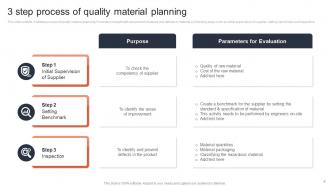
Companies ensure material quality while planning for availability by implementing rigorous supplier qualification processes, establishing quality agreements with multiple vendors, and utilizing predictive analytics for demand forecasting. Through strategic supplier diversification and real-time inventory monitoring systems, organizations maintain consistent quality standards while avoiding stockouts, with many manufacturers finding that integrated quality-availability frameworks ultimately deliver enhanced operational efficiency and reduced supply chain risks.
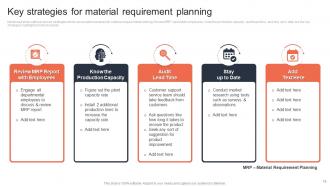
Industry leaders follow best practices including demand forecasting integration, supplier relationship optimization, inventory level balancing, cross-functional collaboration, and data-driven decision making. These approaches streamline operations by reducing excess inventory, minimizing stockouts, and enhancing supply chain visibility, with many manufacturing and retail organizations finding that strategic material planning ultimately delivers cost reductions and improved customer satisfaction.
-
“As you have innovative ideas and they are all customizable, this saves a huge chunk of your time to prepare well-read presentations.”
-
Templates are beautiful and easy to use. An amateur can also create a presentation using these slides. It is amazing.