PI Planning Powerpoint Ppt Template Bundles
Try Before you Buy Download Free Sample Product
Audience
Editable
of Time
Our PI Planning Powerpoint Ppt Template Bundles are topically designed to provide an attractive backdrop to any subject. Use them to look like a presentation pro.
People who downloaded this PowerPoint presentation also viewed the following :
PI Planning Powerpoint Ppt Template Bundles with all 32 slides:
Use our PI Planning Powerpoint Ppt Template Bundles to effectively help you save your valuable time. They are readymade to fit into any presentation structure.
FAQs for PI Planning Powerpoint
So basically you're all trying to get on the same page about what's happening next quarter. Everyone figures out dependencies, spots potential problems early, and commits to realistic goals. Honestly, it can feel like drinking from a fire hose sometimes but it's worth it. You'll walk out knowing exactly how your stuff fits into the bigger plan and what other teams are counting on you for. Oh, and definitely prioritize your backlog beforehand - you'll need to negotiate scope when you realize your team can't actually do everything. The whole point is having confidence in your roadmap instead of just crossing your fingers and hoping.
Dude, PI Planning is so much better than regular waterfall stuff. You actually get everyone in the same room for 2 days instead of having one person try to figure everything out alone. Way more collaborative. Plus you're only planning like 8-12 weeks out, not trying to predict what'll happen next year (which is impossible anyway). The cool part is when teams start talking, they catch all these dependencies and capacity issues right away. Honestly it gets pretty chaotic but in a good way? Just try getting all your stakeholders together next time instead of doing the usual silo thing.
You definitely need your Product Owner, Scrum Master, and full dev team - can't do it without them. Release Train Engineer should be there too, otherwise things fall apart quickly (learned that one the hard way). Business owners are key since they know the priorities and context. Your architect needs to be present, plus any stakeholders who can actually make decisions on the spot. Oh, and make sure you have backup decision-makers lined up - nothing's worse than waiting around because the one person who can approve something didn't show up. Always confirm who's coming beforehand.
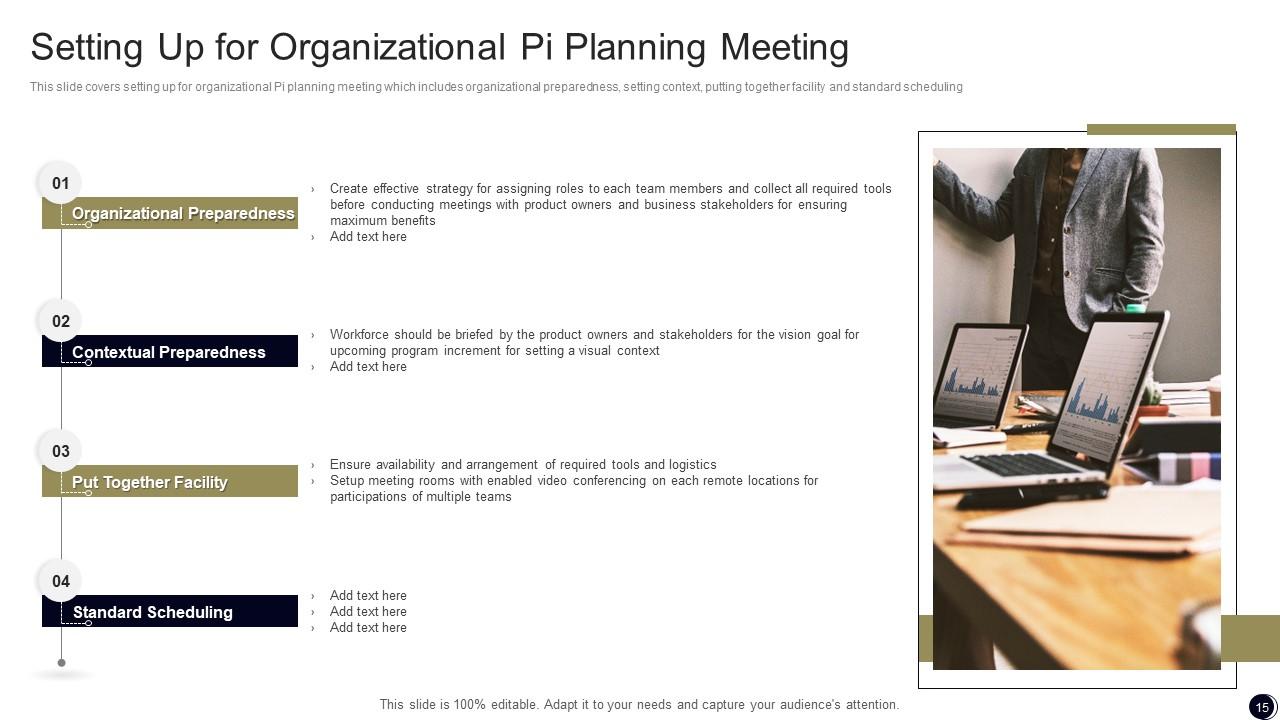
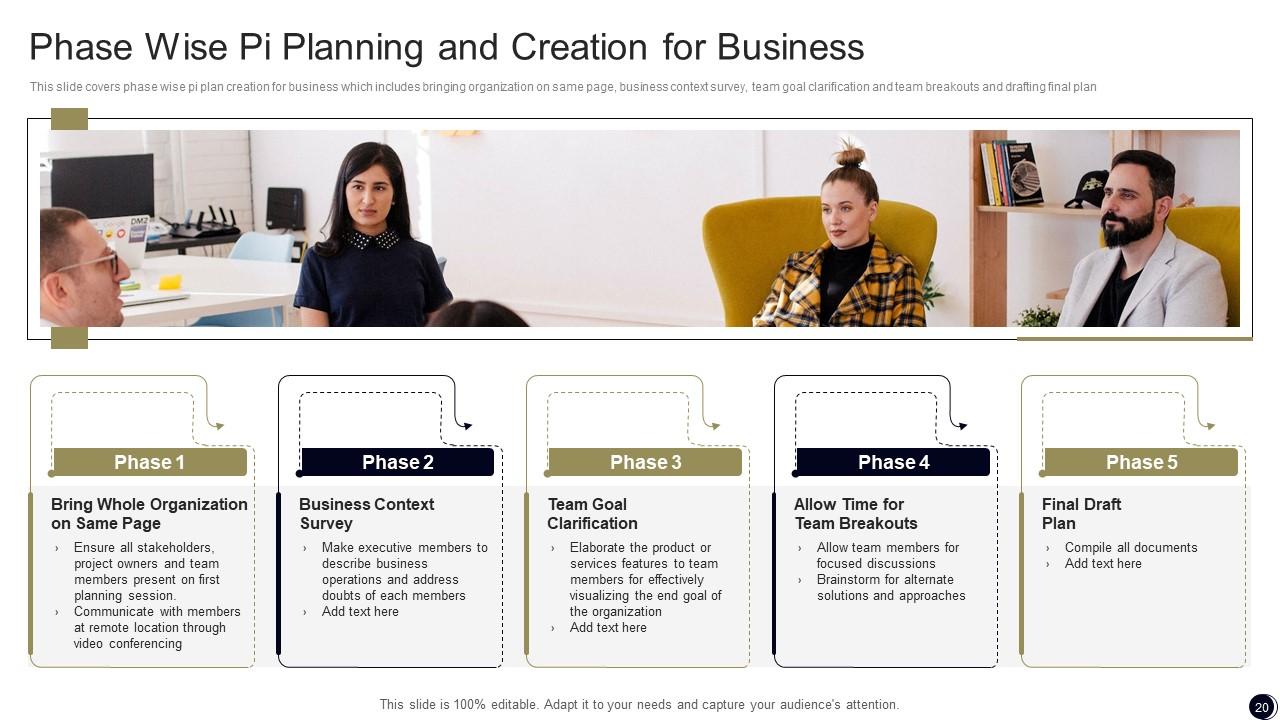
Start reviewing your backlog about a week out and get priorities straight. Your Product Owner needs to prep user stories with solid acceptance criteria - this part's crucial. Make sure everyone actually understands the business objectives beforehand. Trust me, it prevents so much chaos during the real event. Get architects to flag technical dependencies early too. Oh, and book meeting rooms plus order tons of coffee! People get cranky without caffeine. The whole point is walking in with everyone on the same page about what you're building. Then you can spend time figuring out how instead of arguing about what.
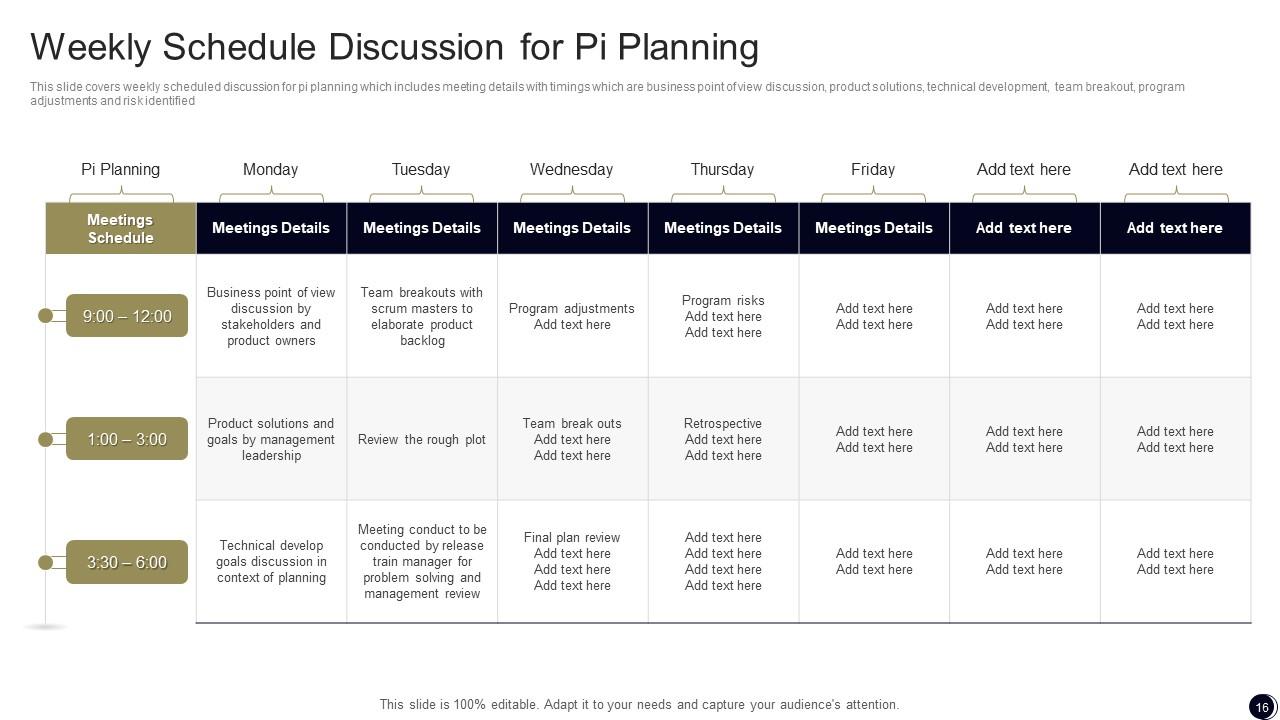
Breakout rooms are your friend here - way less scary than having everyone stare at you in the main room. Start with the messiest cross-team stuff first thing in the morning when people actually have energy. Walking through the board together is clutch for spotting conflicts early. Oh, and set up a "parking lot" for random issues that pop up but aren't urgent - saves you from going down rabbit holes. Dot voting works great for prioritization without the endless back-and-forth. Don't let one person run everything though. Switch up who's facilitating so it doesn't get stale.
So basically, dependencies pop up during those team breakout sessions when everyone's mapping their features and suddenly realizes "oh crap, we need X team to build this thing first." Most teams use dependency boards or some digital tool to track it all - though honestly, I've seen some pretty messy sticky note situations that somehow work better than the fancy software. Then during management review, teams hash out timing and who's doing what. The trick is getting everything out in the open early instead of discovering it halfway through the sprint. Don't be shy about asking for what you need!
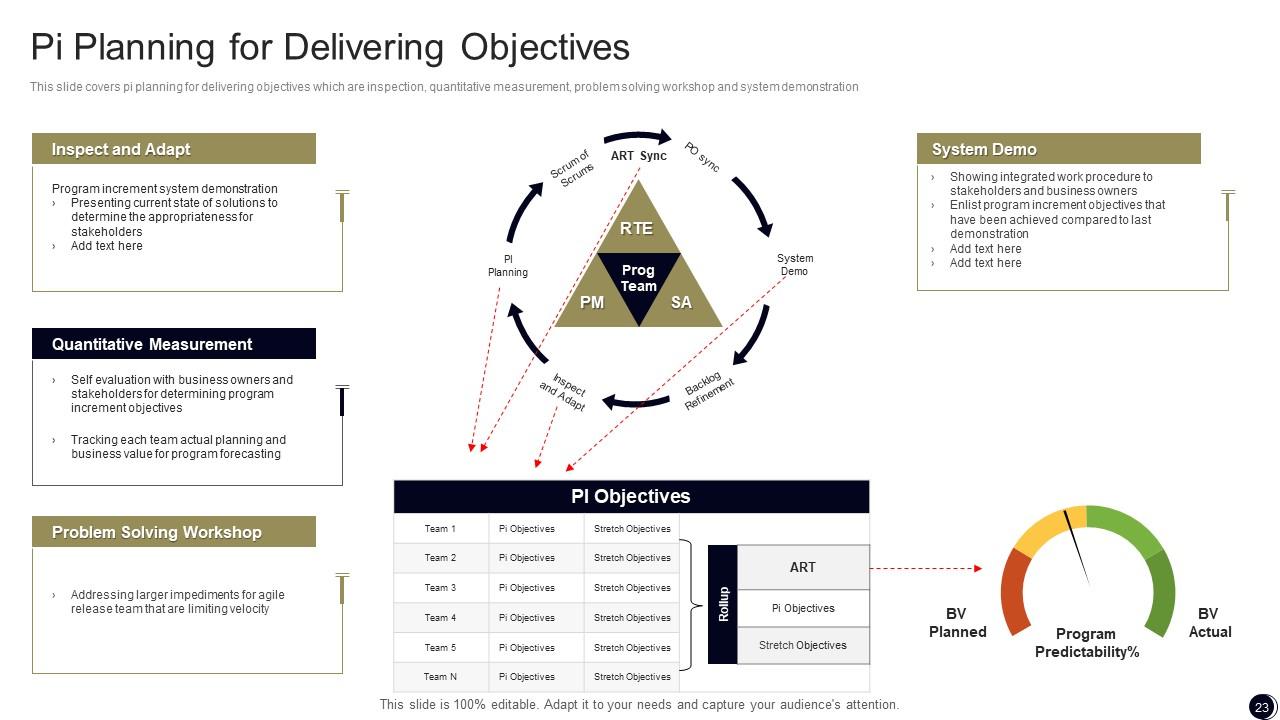
Okay so there are four main things you'll want to track after PI Planning. Plan confidence is the easiest one - just check if teams rated their plans 3+ out of 5. Then there's commitment reliability, which is basically did they actually deliver what they said they would? Feature completion percentage comes next, and honestly this one can sting if scope creep destroyed everything. The last one is dependency resolution - how many blockers got identified and fixed during planning? I'd start with confidence scores since they're super easy to grab. Build from there once you get the hang of it.
Honestly, the tech stuff is make-or-break - get everyone decent video/audio first or you're screwed from the start. I'd say cameras mandatory, and someone needs to actively pull remote people into conversations (it won't happen naturally, trust me). Set up breakout rooms that match your in-person groups, use something like Miro for collaborative work. Oh, and rotate who speaks so the office people don't just dominate everything. Build in extra time for when someone inevitably has connection issues. The key thing? Don't just hope remote folks will jump in - you need someone facilitating their participation constantly.
Don't try planning every tiny detail - it's exhausting and pointless. Buffer time is huge because dependencies always take longer than expected. Also, shut down the people who love hearing themselves talk (you know the type). Your POs need to come with actual priorities, not vague ideas they're still figuring out. Cramming too much into the agenda just means you'll blow through conversations that actually matter. Oh, and call out risks early instead of crossing your fingers and hoping stuff works out later. Trust me on that one.
Ugh, this happens all the time! First thing - figure out if it's actually urgent or just someone panicking. Can it wait? Great, toss it in the next PI. If not, you'll need to have that awkward conversation with your team and PI leads about what gets cut. Something's gotta give, right? Document it all in your backlog and update those PI objectives. Here's the thing though - don't just quietly take it on hoping nobody notices (been there, done that, got the burnout t-shirt). Be super transparent with stakeholders about what this means for your original commitments. Make sure other teams know too so everyone's on the same page about deliverables.
Honestly, getting people engaged is all about making them feel like they actually matter. Define roles upfront so nobody's just sitting there scrolling Instagram. Rotate who presents during breakouts - keeps everyone on their toes. Physical stuff helps too, like sticky notes and visual boards. Check-ins are clutch though. Have each person share what's blocking them instead of letting everything disappear into some endless backlog. Ask direct questions and actually DO something with their answers. Oh, and if your group is massive? Break it down into smaller sessions. People get way less shy when there's only like 4-5 of them talking.
So basically, PI Planning throws everyone in a room (virtual these days, whatever) to hash out the next 10-12 weeks together. Teams start spotting dependencies early - like when Team A realizes they're screwed without Team B's stuff by sprint 3. Way better than finding that out halfway through, trust me. Leadership finally sees what's doable vs their fantasy roadmap. The real win? No more silos where teams work in isolation then act shocked when things don't line up. Just show up knowing your team's actual capacity and constraints so you can have real conversations, not just optimistic BS.
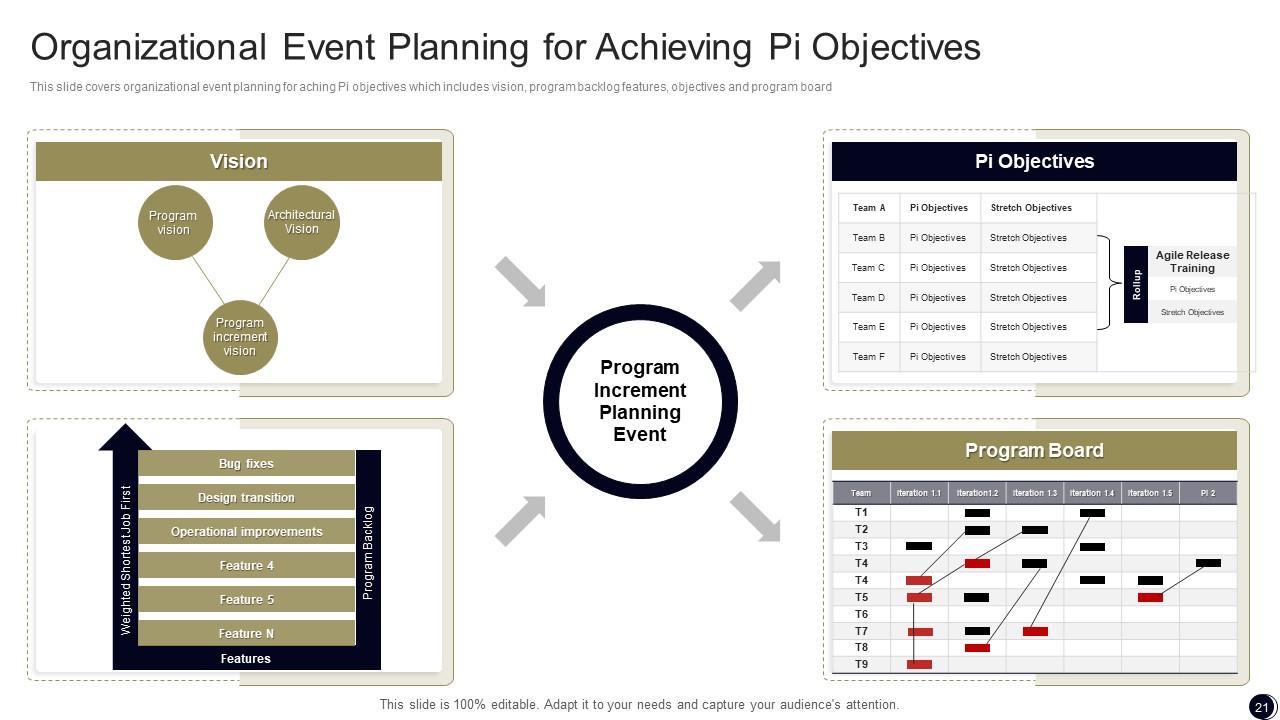
Miro or Mural are solid picks for your program board - way better than trying to wrangle spreadsheets. If everyone's in the same room though, honestly nothing beats actual sticky notes on a wall. Something about moving physical stuff around just clicks better. Remote teams obviously need Zoom/Teams for the sessions, plus you'll want Jira or Azure DevOps after to track everything. Oh and Confluence is clutch for parking lot items - trust me on that one. Just don't overthink the tool selection. Pick whatever your ART already uses daily.
Honestly, you can't just show up for the kickoff and then vanish into meetings. Stay put during PI Planning - teams will need quick decisions when they hit walls. Be there to kill roadblocks and sort out priority conflicts on the spot. Once planning wraps, your main job becomes playing defense against scope creep. Reality never matches the plan anyway, so set up regular check-ins and be ready to pivot. Trust what your teams commit to and give them breathing room. The worst thing you can do is micromanage after they've already figured out their approach.
You definitely need to grab feedback after each PI Planning - like immediately, while it's fresh. Ask what sucked, what worked, where people got lost. I've watched teams just... not do this? Then they wonder why every quarter feels like groundhog day with the same issues. But here's the thing - actually use the feedback. Don't just toss responses into some survey graveyard. Look for patterns and tweak your approach next time. Maybe change up the agenda or how you're running things. Honestly, just do a quick retro right after your next session and see what comes up.
-
My presentations were a bit amateur before I found SlideTeam’s designs. I’ve been able to find slides for nearly every topic I’ve had to present. Thanks, Slideteam!
-
“I really like the convenient operation and professionalism I saw on the SlideTeam website. I want to express my regards and appreciation to the team.”