

McDonalds Investor Funding Elevator Pitch Deck Ppt Template





Try Before you Buy Download Free Sample Product
 Impress Your
Audience
 100%
Editable
 Save Hours
of Time


Check out our professionally designed McDonalds Investor Funding Elevator Pitch Deck. This Investor Presentation discusses the food industry current challenges, followed by McDonalds key solutions. Moreover, this Pitch Presentation also includes an introduction to the company, key insights on its product and service offerings, unique selling propositions, client testimonials, financial performance, and key milestones achieved to make the business appealing to investors. Furthermore, the Investor Pitch Deck includes a market overview with insights on business potential reflecting favorable financial projections and supporting slides on investment requests and allocation of funds. Lastly, this Investor Pitch Deck includes information on the core team, a comprehensive organizational structure, a shareholding pattern, and an exit strategy with contact information. Download our 100 percent editable PPT, which is also accessible with Google to a more significant extent.
People who downloaded this PowerPoint presentation also viewed the following :
Content of this Powerpoint Presentation
Slide 1: The slide introduces McDonald’s Investor Funding Elevator Pitch Deck. State your company name.
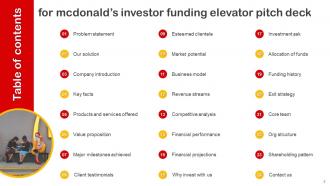
Slide 2: The slide dislays Table of contents for the presentation.
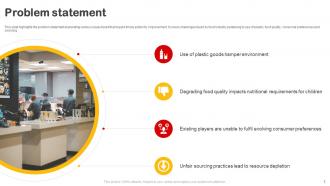
Slide 3: This slide highlights the problem statement elaborating various issues faced that require timely action for improvement.
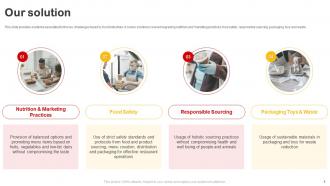
Slide 4: This slide provides solutions associated to the key challenges faced by food industries.
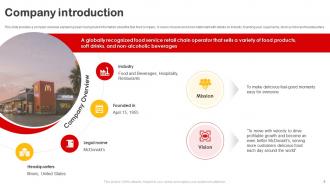
Slide 5: This slide briefs a company overview explaining basic background information about the fast food company.
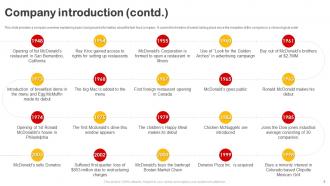
Slide 6: This slide continues a company overview explaining basic background information about the fast food company.
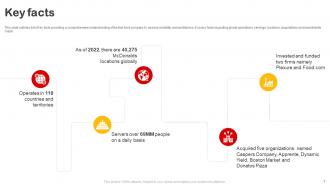
Slide 7: This slide outlines list of key facts providing a comprehensive understanding of the fast food company to assess credibility and worthiness.
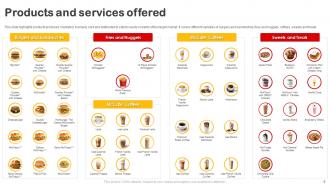
Slide 8: This slide highlights products produced, marketed, licensed, sold and distributed to satisfy needs or wants of the target market.
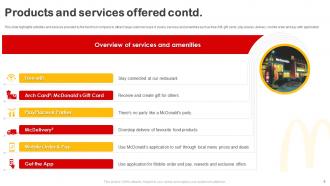
Slide 9: This slide renders activities and services provided by the fast food company to attract large customer base.
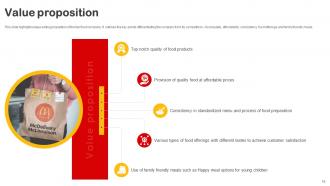
Slide 10: This slide represent unique selling proposition of the fast food company.
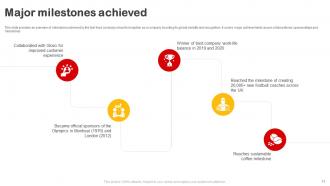
Slide 11: This slide provides an overview of milestones achieved by the fast food company since its inception.
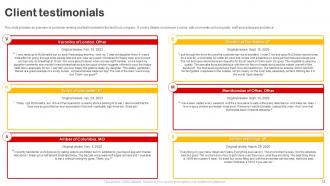
Slide 12: This slide provides an overview of customer reviews and testimonials for the fast food company.
Slide 13: This slide depict details on clientele base of the fast food company.
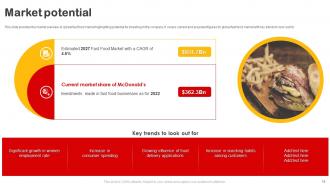
Slide 14: This slide briefs the market overview of global fast food market highlighting potential for investing in the company.
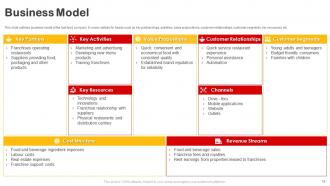
Slide 15: This slide outlines business model of the fast food company.
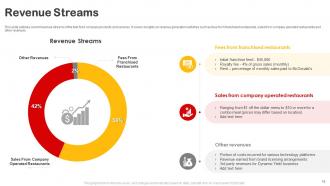
Slide 16: This slide highlights current revenue streams of the fast food company products and services.
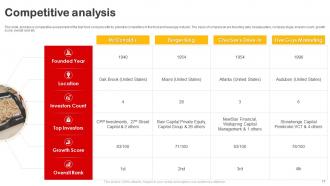
Slide 17: This slide provides a comparative assessment of the fast food company with its potential competitors in the food and beverage industry.
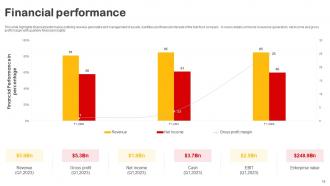
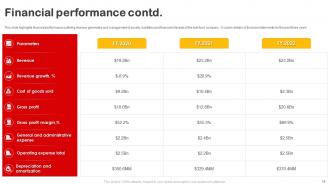
Slide 18: This slide shows financial performance outlining revenue generated and management of assets, liabilities and financial interests of the fast food company.
Slide 19: This slide highlights financial performance outlining revenue generated and management.
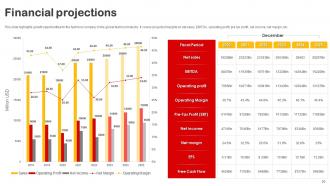
Slide 20: This slide renders growth opportunities for the fast food company in the global fast food industry.
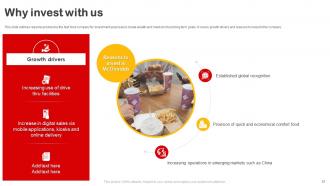
Slide 21: This slide outlines reasons provided by the fast food company for investment purposes to create wealth and meet short and long term goals.
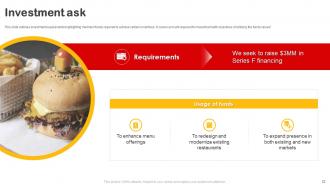
Slide 22: This slide renders investment requirements highlighting minimum funds required to achieve certain incentives.
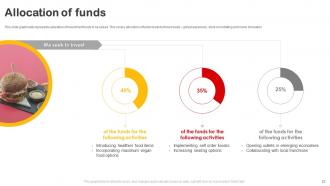
Slide 23: This slide graphically represents allocation of investment funds to be raised.
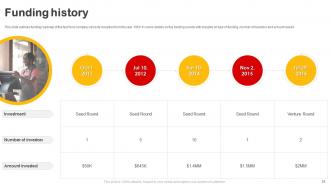
Slide 24: This slide outlines funding roadmap of the fast food company since its inception from the year 1950.
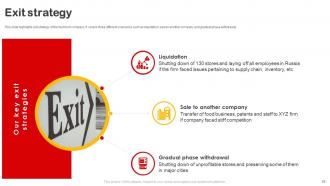
Slide 25: This slide highlights exit strategy of the fast food company.
Slide 26: This slide provides a glimpse of team members involved with working of the fast food company.
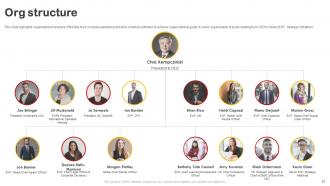
Slide 27: This slide renders organisational structure of the fast food company explaining direction of certain activities to achieve organisational goals.
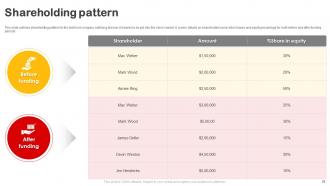
Slide 28: This slide outlines shareholding pattern for the fast food company outlining division of shares to be put into the stock market.
Slide 29: This slide highlights contact details outlining various communication methods to approach the fast food company.
Slide 30: This slide shows all the icons included in the presentation.
Slide 31: This slide is titled as Additional Slides for moving forward.
Slide 32: This is a Timeline slide. Show data related to time intervals here.
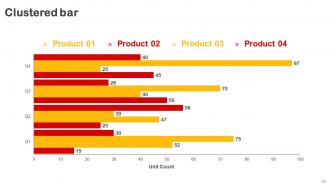
Slide 33: This slide provides Clustered Column chart with two products comparison.
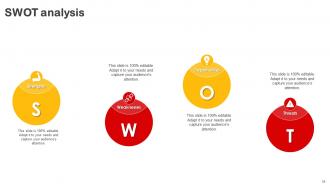
Slide 34: This slide shows SWOT describing- Strength, Weakness, Opportunity, and Threat.
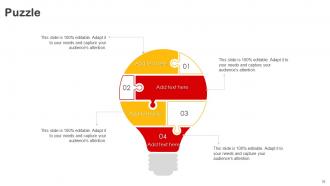
Slide 35: This slide contains Puzzle with related icons and text.
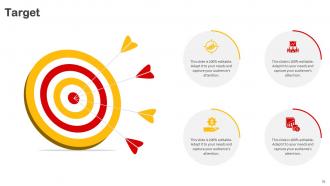
Slide 36: This is Our Target slide. State your targets here.
Slide 37: This slide displays Mind Map with related imagery.
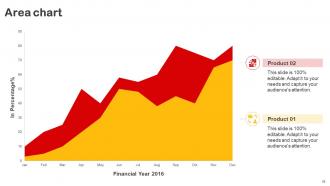
Slide 38: This slide depicts Area chart with two products comparison.
Slide 39: This is Our Goal slide. State your firm's goals here.
McDonalds Investor Funding Elevator Pitch Deck Ppt Template with all 47 slides:
Use our McDonalds Investor Funding Elevator Pitch Deck Ppt Template to effectively help you save your valuable time. They are readymade to fit into any presentation structure.













FAQs for McDonalds Investor Funding Elevator Pitch
So McDonald's funding is pretty straightforward - they're dumping money into franchises, tech stuff, and real estate. The digital ordering and delivery push makes total sense honestly, especially after everyone got used to ordering from their couch during COVID. Restaurant renovations are big too. But here's the thing - real estate is where they actually make bank since they own most locations and just lease them back to franchisees. Pretty clever business model if you ask me. Check their quarterly reports for capex breakdown if you want the real details on where investor cash is going.
So McDonald's is pretty smart about this - they use investor money mainly for franchise expansion instead of opening their own stores everywhere. Prime real estate acquisition is huge for them, plus they dump cash into tech infrastructure that franchisees actually need. The whole franchise thing honestly just makes sense because it cuts their risk while they still collect fees and royalties. They're big on targeting emerging markets too, which requires serious capital for supply chains and menu adaptation. It's kind of brilliant how they balance corporate investment with franchisee partnerships to scale without going broke.
Honestly, franchisees are like McDonald's secret weapon for growth. When you open one, you're dropping $1-2.3 million upfront plus paying them ongoing royalties and rent. McDonald's basically figured out how to expand everywhere without risking their own money - pretty smart if you ask me. The franchisee takes all the financial risk while McDonald's just collects steady payments from thousands of locations. It's way more predictable than funding restaurants themselves. Kind of makes you wonder why more companies don't do it this way.
Yeah so McDonald's got way smarter about this stuff during downturns. They basically shifted most of the financial risk onto franchisees instead of owning stores themselves. Pretty clever honestly - they just collect those steady royalty checks while franchise owners deal with the headaches. Back in '08 this strategy totally saved their ass. The "asset-light" thing sounds fancy but it's really just them saying "you pay for everything, we'll take our cut." If you're checking out their stock, watch that franchise percentage - it keeps going up and that's exactly what investors want to see.
McDonald's literally chases whatever consumers want with their spending - it's wild how fast they pivot. Health trends hit? Boom, millions into salads and apple slices. Plant-based got trendy so they dumped cash into McPlant (which honestly bombed in half their markets but oh well). COVID made everyone order through apps, so they immediately shifted huge budgets toward delivery partnerships and digital stuff. They're basically always moving money around based on what people are actually buying and how they want to order. It's like they're constantly playing catch-up with food trends.
So McDonald's basically gets investors hyped about their tech stuff that actually makes money. Their mobile app numbers are solid, plus those ordering kiosks and AI drive-thru systems really do speed things up. The delivery partnerships perform well too - honestly their digital sales growth is kinda nuts when you look at the data. Kitchen automation gets mentioned a lot in their presentations, along with some supply chain analytics thing. Oh, and their loyalty program generates crazy amounts of customer data that investors love. I'd focus on how their same-store sales tie back to these tech rollouts if you're digging into their investor docs.
Honestly, McDonald's biggest issue is how much they lean on debt - makes them super vulnerable when interest rates jump. Their whole franchise thing is risky too because when those individual owners start struggling, McDonald's feels it immediately since that's where most of their money comes from. The real estate play is actually pretty smart, but man, it locks up so much cash in properties. Consumer spending drops? Franchisees get hit first, then corporate takes the hit. I'd watch their debt ratios closely and see how healthy their franchisees look in the next earnings reports.
Yeah so McDonald's sustainability thing is actually moving their stock price. ESG funds are eating it up because they've got that 2050 net-zero pledge and the packaging goals. Institutional investors basically have to hit sustainability targets now, so McDonald's renewable energy stuff makes them an easy pick. Consumers care way more about this than they used to - honestly it's kinda wild how much it matters now. Their sustainability reports are legit influencing analyst ratings and which funds will even touch them. If you're eyeing MCD stock, that green angle isn't just PR anymore.
Yeah, McDonald's metrics definitely impact investor confidence - it's basic cause and effect stuff. Consistent revenue growth and solid same-store sales make investors way more comfortable putting their money in. The franchise model is genius for this since it creates those predictable cash flows everyone loves. Dividend payments don't hurt either, obviously. But watch what happens when things go south - declining traffic or shrinking margins will tank investor sentiment fast. I always check their quarterly calls to see how Wall Street's actually feeling about where they're headed. Those calls tell you everything.
So McDonald's doesn't really do the traditional investor funding thing anymore - they've basically flipped their whole strategy. Since 2014 they've bought back over $20 billion in stock, which honestly seems insane to me. They're way more focused on paying shareholders than raising new money. The big shift was selling off company-owned stores to franchisees. That move generated crazy cash flow. Now they self-fund everything through this asset-light model instead of going to outside investors. If you're looking at their finances, debt refinancing is where the action is - not equity raises.
McDonald's does quarterly earnings calls and annual meetings to keep investors updated. Their SEC filings are actually pretty detailed too - they don't really hide the bad stuff when things go south. Investor days are where they get into the nitty-gritty about franchise health and strategy. Their IR team is solid about answering questions. Honestly, their investor relations website is way better maintained than most companies I've looked at - they actually update it regularly which is nice. You can find all their reports and calls posted there if you want to dig into how transparent they're being.
So McDonald's gets most of their money through corporate bonds and selling stock on the NYSE (ticker MCD). Bonds are honestly their go-to move - they'll issue different types with various payback timelines to fund new locations, operations, whatever they need. Stock sales are pretty standard stuff. They've got credit lines too, plus convertible securities here and there, but debt is where they really focus. Oh, and if you want the nitty-gritty details, their 10-K filing breaks down the whole debt situation. That'll show you exactly how they're funding everything.
Look, McDonald's can't just chill when Chipotle and Chick-fil-A keep upping their game. They're throwing money at tech upgrades and menu stuff because everyone's scrapping for customers right now. It's honestly pretty brutal out there. Instead of playing it safe, they're going all-in on growth moves - new store designs, digital ordering, that kind of thing. I mean, sitting on cash would be corporate suicide at this point. If you're watching their moves, check how much goes to digital transformation versus just opening more locations. That'll tell you where they think the industry's heading.
So McDonald's actually built a real estate business that just happened to sell burgers - that's where the real money was. Pretty smart when you think about it. Their franchisees became both customers AND investors, which is honestly brilliant. Document your processes like crazy right now because investors want to see you can replicate success, not just stumble into it once. Don't just chase funding - build multiple revenue streams first and nail your unit economics. A boring, systematic business model will get you way more investor interest than some flashy product that only works sometimes.
Dude, McDonald's just has insane money to throw at marketing. They can test stuff worldwide and outspend everyone else by ridiculous amounts. That's why you see them everywhere during big events - Olympics, March Madness, whatever. They buy all the premium spots. When plant-based burgers got trendy? Boom, they jumped on it instantly. Honestly, it's kind of annoying how they can just try things, fail, and keep going until something works. Smaller chains can't compete with that kind of budget - McDonald's basically has unlimited tries while everyone else gets maybe one shot.
-
The best part about SlideTeam is their meticulously prepared presentations (complete-decks and single-slides both), infused with high-quality graphics and easy to edit. All-in-all worthy products.
-
Visually stunning presentation, love the content.