


Neuromarketing Powerpoint Ppt Template Bundles





Try Before you Buy Download Free Sample Product
 Impress Your
 Audience
 100%
100% Editable
 Save Hours
 of Time


Our Neuromarketing Powerpoint Ppt Template Bundles are topically designed to provide an attractive backdrop to any subject. Use them to look like a presentation pro.
People who downloaded this PowerPoint presentation also viewed the following :
Neuromarketing Powerpoint Ppt Template Bundles with all 26 slides:
Use our Neuromarketing Powerpoint Ppt Template Bundles to effectively help you save your valuable time. They are readymade to fit into any presentation structure.
-
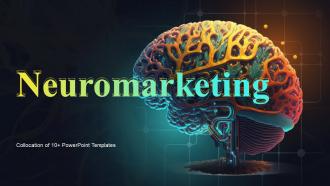
Neuromarketing Powerpoint Ppt Template Bundles
-
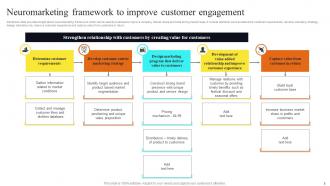
Neuromarketing Powerpoint Ppt Template Bundles
-
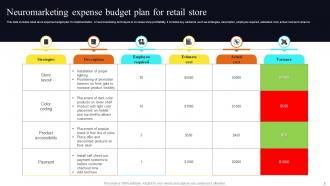
Neuromarketing Powerpoint Ppt Template Bundles
-
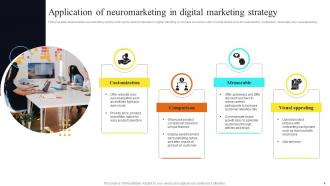
Neuromarketing Powerpoint Ppt Template Bundles
-
Neuromarketing Powerpoint Ppt Template Bundles
-
Neuromarketing Powerpoint Ppt Template Bundles
-
Neuromarketing Powerpoint Ppt Template Bundles
-
Neuromarketing Powerpoint Ppt Template Bundles
-
Neuromarketing Powerpoint Ppt Template Bundles
-
Neuromarketing Powerpoint Ppt Template Bundles
-
Neuromarketing Powerpoint Ppt Template Bundles
-
Neuromarketing Powerpoint Ppt Template Bundles
-
Neuromarketing Powerpoint Ppt Template Bundles
-
Neuromarketing Powerpoint Ppt Template Bundles
-
Neuromarketing Powerpoint Ppt Template Bundles
-
Neuromarketing Powerpoint Ppt Template Bundles
-
Neuromarketing Powerpoint Ppt Template Bundles
-
Neuromarketing Powerpoint Ppt Template Bundles
-
Neuromarketing Powerpoint Ppt Template Bundles
-
Neuromarketing Powerpoint Ppt Template Bundles
-

Neuromarketing Powerpoint Ppt Template Bundles
-

Neuromarketing Powerpoint Ppt Template Bundles
-

Neuromarketing Powerpoint Ppt Template Bundles
-

Neuromarketing Powerpoint Ppt Template Bundles
-

Neuromarketing Powerpoint Ppt Template Bundles
-

Neuromarketing Powerpoint Ppt Template Bundles
FAQs for Neuromarketing Powerpoint
So neuromarketing tracks how your brain actually reacts to ads using EEG scans, fMRI, eye-tracking - that kind of stuff. Pretty wild tech honestly. The big difference from regular marketing research? People lie in surveys, even unintentionally. Your brain doesn't though. It shows real emotional responses and what actually grabs attention versus what people *think* caught their eye. Way more accurate than focus groups where everyone's trying to sound smart. If you want to test this out, eye-tracking studies are probably your best starting point - you'll be shocked at where people actually look versus where you assumed they would.
So basically you can hook people up to fMRI machines or EEG to literally watch their brains react to your stuff in real time. Way better than surveys since most people don't even know why they buy things anyway. Shows you which emotions fire off, where their eyes go on packaging, what actually makes them want to purchase. Honestly the brain data is pretty wild - you'll see patterns people would never admit to. Perfect for tweaking product design or figuring out ad placement. Don't go crazy though, maybe test it with one campaign through a neuromarketing company first.
Look, emotions are what actually make people buy stuff - logic barely matters. Your brain's limbic system handles purchasing decisions, so you've got to hit those feelings through colors, images, whatever works. Nike doesn't just sell shoes, they make you feel like you can conquer the world, you know? That's the whole game right there. Use brain scans and biometric testing to figure out which emotions click with different groups. Map out what feelings you want your brand to trigger first. Then test creative approaches until you find what lights up people's brains. Sounds kinda manipulative when I put it that way, but it works.
Honestly, neuroscience stuff works really well for ads. Start with emotional hooks and storytelling - your brain literally lights up differently when hearing stories. Colors matter too. Warm ones create urgency, cool blues build trust. Show people actually using your product instead of just product shots. Mirror neurons make us copy what we see others doing. Visuals beat text every time since brains process images crazy fast (like 60,000x faster). Throw in some scarcity or social proof - we're basically sheep who hate missing out. A/B test this approach and you'll probably see engagement jump pretty quick. Worth trying at least.
Honestly, three big things to watch out for: consent, manipulation, and privacy. People need to actually get what brain data you're collecting - don't bury it in some massive terms document nobody reads. The manipulation part is huge though. You can't use tactics that bypass people's rational thinking, especially with kids or anyone dealing with addiction. That's just messed up. Privacy-wise, brain data is way more intimate than regular consumer stuff, so lock that down tight. I'd set up some clear internal rules about what's absolutely off-limits and check your campaigns regularly. Better safe than sued, you know?
So basically, companies use brain scans and stuff to figure out what actually makes us buy things - not what we *think* makes us buy them. Turns out most decisions happen emotionally first, then we make up logical reasons after. It's kinda scary honestly. They design everything from packaging to store layouts based on triggering the right feelings in your brain. You know how you suddenly feel loyal to certain brands for no real reason? That's probably these subconscious triggers working. I always try to notice how brands make me feel now rather than just listening to their sales pitch.
Oh yeah, there's some cool stuff here! Frito-Lay switched from shiny to matte chip bags after EEG tests showed the glossy ones made people feel guilty. Sales went up after that. Campbell's redid their soup labels using eye-tracking data - way better shelf appeal. Hyundai's probably the wildest example though. They used brain scans during car design to figure out which interiors hit people right emotionally. Pretty crazy if you ask me. For your stuff, I'd honestly start with basic A/B testing first. Maybe throw in some simple biometric feedback before you go full neuroscience lab mode - that brain-scanning equipment costs a fortune.
Your brain reacts to colors and sounds way before you consciously process them - it's wild how automatic it is. McDonald's uses red because it creates urgency, while blue (like Facebook) makes you feel trust. Music tempo affects shopping speed too. Slower beats = more browsing time. Oh, and apparently scents can keep people in stores 40% longer, which honestly seems like overkill to me but whatever works I guess. Most people don't even realize they're being influenced. For your campaigns, try testing different color schemes or background music. Won't change your message but could definitely bump up those conversion rates.
Look, the main problem is lab results don't match real shopping behavior. Tiny sample sizes, fake environments - you know how it is. People's brains light up for stuff they'll never actually buy. I've seen ads that fascinated me but then I totally ignored the product at Target. Neural activity shows interest, sure, but it can't predict when someone's broke, influenced by friends, or just changes their mind last second. There's that whole correlation thing too. Honestly? Use it for general direction, not gospel truth about what people will purchase.
Dude, neuromarketing is actually pretty wild for product design. Eye-tracking shows exactly where people look first on packaging - then you just put your important stuff there. Brain scans reveal which colors and shapes make people feel good, even when they can't articulate why in focus groups. What's crazy is how different age groups literally process visuals differently. Instead of just hoping something "looks nice," you're designing based on real brain activity. Honestly beats guessing every time. Next redesign you do, maybe try some basic eye-tracking first? Even simple tests give you way better insights than traditional feedback.
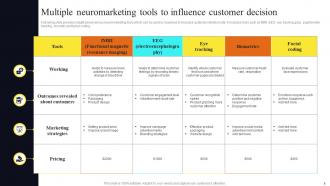
So there's EEG for brain waves, fMRI for deeper brain imaging, eye tracking, and biometric stuff like heart rate. Honestly, the coolest part is how it shows what people actually feel vs what they tell you in surveys - totally different sometimes! Eye tracking literally maps where your eyes go on websites or packaging. EEG catches those instant reactions to ads. fMRI goes way deeper into subconscious stuff and memory. It's wild how much traditional research misses those gut reactions. If you're thinking about trying this, I'd start with eye tracking - it's way more accessible than the brain scanning stuff and you'll actually get clear insights you can use.
So basically, neuromarketing can totally transform your social media game. Eye-tracking studies show exactly where to put your call-to-action buttons for max clicks. Colors and images that hit different emotional triggers? EEG data reveals all that stuff. Here's what's wild - dopamine research proves why random posting times work better than sticking to a schedule. Your brain craves that unpredictability. Social proof beats logic every time in brain scans, so definitely push user-generated content and reviews hard. Oh, and test simpler visuals first - cognitive overload kills engagement. Less clutter = better performance usually.
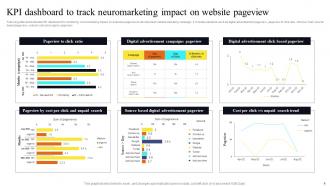
Focus on eye-tracking for attention and EEG stuff for emotional responses - that's your core data right there. Pupil dilation shows cognitive load too, which is pretty useful. But here's the thing: all that brain data is useless if nobody's actually buying anything. You've gotta track your normal metrics like click-through and conversion rates alongside the neural stuff. I'd start with maybe 2-3 brain metrics that match what you're trying to achieve, then A/B test different versions. The magic happens when you can connect strong neural responses to actual purchases. Don't get too caught up in the fancy tech though.
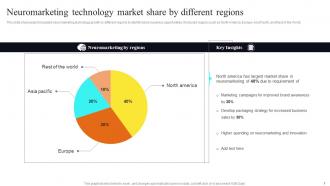
So your brain gets wired differently depending on where you grew up, right? Colors that work great in America might totally bomb in Asia. Same with facial expressions and social stuff. I found this out the hard way when a campaign I worked on completely floored in Japan - honestly thought I'd researched enough but nope! Eye contact alone means totally different things between individualistic vs collectivistic cultures. You're way better off doing separate neuromarketing research for each region instead of assuming one size fits all. Even basic emotional triggers don't translate, so definitely test locally first.
AI emotion recognition and biometric feedback are seriously taking off right now. VR testing is getting big too - companies can watch how people actually move through fake store setups before dropping serious cash on renovations. Mobile neuromarketing's exploding since we're all basically phone zombies anyway. Honestly, the coolest shift is moving away from those crazy expensive lab studies toward constant consumer insights using wearables and phone sensors. Don't overthink it though. Pick one tech and test it on a single campaign first - no need to flip your whole strategy overnight.
-
The design is clean-cut, modern, and sleek, keeping the users' needs in mind. The multiple uses make this product worth every penny!
-
Awesomely designed templates, Easy to understand.