


Organic growth powerpoint presentation slides




Try Before you Buy Download Free Sample Product
 Impress Your
 Audience
 100%
100% Editable
 Save Hours
 of Time


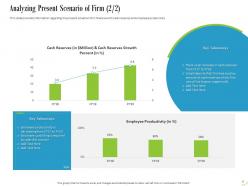
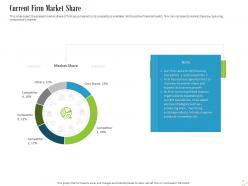
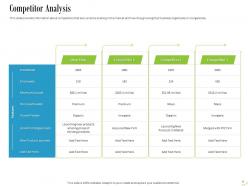
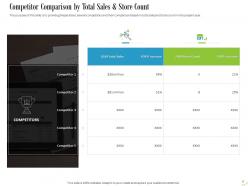
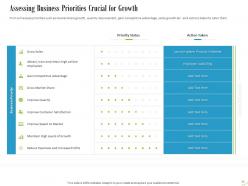
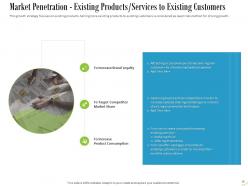
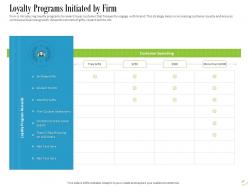
Analyze the present scenario of the firm with revenue generated and net profit earned with the aid of this content ready Organic Growth PowerPoint Presentation Slides. Present the firm's current markets share as compared to its competitors using the professionally designed incremental growth PPT slideshow. Provide information about your competitors that are currently existing in the market and how they are growing their business organically and inorganically. Take the assistance of the visually appealing revenue growth PowerPoint templates to assess business priorities that are crucial for growth such as market share, competitive advantage, quality improvement, sales growth, etc. Utilize the topic-specific business growth strategy PowerPoint complete deck to analyze possible future events such as expected units of sales, revenue generated and Capex, etc. You can also use the growth planning PPT graphics to focus on existing customers that can increase brand loyalty. Thus download this ready-to-use organic growth strategy PowerPoint presentation to maximize customer outreach. Convince them you have the expertise with our Organic Growth Powerpoint Presentation Slides. They help demonstrate your authority.
People who downloaded this PowerPoint presentation also viewed the following :
Organic growth powerpoint presentation slides with all 59 slides:
Use our Organic Growth Powerpoint Presentation Slides to effectively help you save your valuable time. They are readymade to fit into any presentation structure.

























FAQs for Organic growth
Honestly, just double down on what's already working for you. Look at your current customers - they're gold. Keep them happy, ask for feedback, then actually use it to make your stuff better. Cross-selling to people who already trust you is like picking low-hanging fruit. Content marketing sounds boring but it genuinely works if you stick with it (most people give up too early). From there, think about adjacent markets where your skills actually translate. Way easier than starting from scratch. Oh, and seriously audit your current channels first - you might be sitting on something that just needs more gas.
Track revenue that's actually coming from your existing business, not from buying other companies or random windfalls. Year-over-year growth is key, plus customer retention and same-store sales if you've got multiple spots. Honestly, separating real growth from market fluctuations is a pain - way harder than it sounds. Don't get caught up in monthly numbers since organic growth happens slowly. Quarterly tracking works better. Oh, and establish your baseline right now so you have something real to compare against later. Otherwise you're just guessing.
Dude, happy customers are literally your best salespeople. They'll tell their friends, write good reviews, and keep coming back without you spending a dime on ads. Way better ROI than most marketing honestly. Plus they usually end up buying more stuff over time since they already trust you. I'd focus on those little moments where you can surprise them - doesn't have to be huge gestures. Oh and definitely track your Net Promoter Score if you aren't already. Shows you how many people would actually recommend your business to others.
So here's the thing about brand loyalty - it's like having customers do your marketing for free. When people actually love what you're selling, they'll tell their friends without you asking. Way cheaper than trying to find new customers all the time (seriously, the cost difference is insane). Your loyal people also buy more often and spend more money each time. Oh, and they're way more forgiving when you mess something up. Just focus on not disappointing them consistently and giving them genuine value. That's really what turns random buyers into people who'll defend your brand online.
Honestly, content marketing and SEO are where you'll see the biggest payoff long-term - no ad spend needed. Social media's solid if people actually engage with your posts (not just like and scroll). Email marketing is so underrated though. It brings people back and gets them referring friends. Word-of-mouth is obviously amazing, but you've gotta ask for referrals and make it dead simple for people. Oh, and don't try to be everywhere at once - pick maybe two things you can actually nail instead of half-assing everything. Trust me on that one.
Honestly, just post stuff that actually helps people instead of constantly trying to sell them things. Nobody wants to follow an account that's basically one giant ad - it's so transparent and annoying. Pick maybe 2 platforms max where your people actually spend time and get really good at those first. Share behind-the-scenes content, reply to comments like a real person, and be patient because this stuff takes forever to build up. I know everyone wants instant results but organic growth is slow. Focus on real conversations over follower counts - those relationships are way more valuable anyway.
Dude, content marketing is like your free growth machine. You're publishing stuff people actually want to read (unlike ads everyone blocks), which gets you climbing Google rankings and pulling in real leads. Each piece you create builds on the last one - honestly it's pretty addictive once you see it working. What I'd do first? Figure out the top 3 questions your customers always ask you. Then just create content around those. That's your starting point right there. The traffic and authority come naturally when you're solving real problems people have.
Honestly? Just make stuff that actually helps people with real problems they're dealing with. Word-of-mouth beats any fancy ads. Hang out where your customers are already scrolling - engage in those communities, don't just lurk. SEO matters too so people can find you when they're googling random stuff at 2am. Pick one platform and get really good at it first - spreading yourself thin is pointless. Partner with businesses that complement yours, make it super easy for happy customers to refer friends. User-generated content is gold if you can swing it. The "hacks" that work best are usually just being helpful consistently.
Ugh, organic growth is brutal honestly. Takes forever - like we're talking years sometimes while everyone's breathing down your neck wanting results yesterday. Plus you're fighting for market share without just buying out the competition, which would be so much easier lol. The upfront costs are insane too - R&D, marketing, hiring good people. Then there's the whole nightmare of trying to scale without everything falling apart quality-wise. I'd say be super real with your leadership about timelines from day one. Focus on metrics that actually matter instead of the flashy stuff that looks good in presentations.
So here's the thing - engaged employees are like rocket fuel for growth. They stick around longer (goodbye constant hiring headaches), come up with better ideas, and honestly just care more about making customers happy. Plus they'll actually talk up your company instead of trash-talking it at happy hour. The numbers don't lie either - companies with engaged teams typically grow 2-3x faster revenue-wise. It's wild how much of a difference it makes. Start tracking engagement scores and watch how they line up with your growth metrics. You'll see the connection pretty quickly once you start paying attention to it.
Honestly, partnerships are like a cheat code for growth. You get access to their customers, they get yours - win-win. Instead of spending tons on ads, you're basically borrowing each other's credibility. Look for companies that already serve your dream customers but don't compete with you directly. Maybe you do web design and they handle social media? Perfect match. You can cross-promote, create stuff together, or even bundle services. I've seen businesses double their reach this way without spending extra on marketing. Just make sure their audience would actually want what you're selling - otherwise you're both wasting time.
Track revenue growth, customer acquisition cost, and lifetime value - those are your bread and butter metrics. Market share and organic traffic are solid too, just harder to nail down sometimes. I wasted way too much time obsessing over Instagram followers early on (don't do that). Pick 3-4 metrics that actually match your growth plan and stick with them. The biggest mistake? Switching up your KPIs every few months because you read some new article. Consistency beats perfection here.
Look, innovation is basically how you grow without buying other companies or begging investors for cash. You're creating new ways to make money or making your current stuff way better. Build products people actually want. Fix processes that suck. Make customers happier - the usual stuff, but done right. Here's the thing though: your team needs to feel safe trying weird ideas without getting fired. That's honestly the hardest part. Don't just make tiny improvements either. Go big or find completely new problems to solve. Oh, and start with small tests first - you don't want to blow your budget on something that bombs.
Look at Starbucks - they went from 17 stores to everywhere by nailing customer experience first, then expanding slowly instead of just buying out competitors. Amazon's crazy too, started with books and somehow ended up selling literally everything. Patagonia's different but smart - they stuck to their values and built this insane customer loyalty. Here's what they all did: reinvested profits back into R&D, better service, and strategic expansion. Honestly, Amazon's trajectory still blows my mind. But that's your playbook right there - grow from within rather than acquire your way up.
So the thing is, when you really get your audience, you can create stuff that actually hits different. They'll share it because it speaks to them. I swear, half the battle is just knowing what problems they're dealing with and where they hang out online. Then you show up there with real solutions instead of random content nobody cares about. Word-of-mouth happens naturally when people feel understood. Plus they stick around way longer. Honestly, just start stalking your analytics and actually ask your current customers what they think - that feedback is pure gold.
-
Appreciate the research and its presentable format.
-
Very unique and reliable designs.