


Online marketing powerpoint presentation slides






Try Before you Buy Download Free Sample Product
 Impress Your
 Audience
 100%
100% Editable
 Save Hours
 of Time


Select our professionally designed Online Marketing PowerPoint Presentation Slides to give a comprehensive introduction to online marketing. This content ready internet marketing PowerPoint complete deck contains visually appealing templates such as elements of digital marketing, email marketing strategy, and statistics, budget, dashboard, pay per click advertising, PPC statistics, strategies, budget, dashboard, SEO strategy statistics and budget, display advertising statistics, strategies, budget, dashboard, social media marketing statistics, strategies, budget, dashboard, content marketing strategies, budget, dashboard, social media marketing statistics, strategies, budget, dashboard, online marketing channels, return on investment, strategy framework, roadmap to internet marketing, summary, etc. Showcase digital customer targeting techniques with the help of this easy to understand digital marketing system presentation deck. Apart from this, the internet marketing PPT visuals are apt to present various concepts like online advertising, visual marketing, online marketing, interactive marketing to name a few. Download internet marketing PowerPoint templates to create a planned digital marketing strategy. Our Online Marketing Powerpoint Presentation Slides are educative to the core. All the content is highly enlightening.
People who downloaded this PowerPoint presentation also viewed the following :
Content of this Powerpoint Presentation
Today, with nearly half the world's population wired to the internet, the ever-increasing connectivity has created global shifts in strategic thinking and positioning, disrupting industry after industry, sector after sector. With each passing day, some new technological tool emerges that revolutionizes our lives, further deepening and embedding our dependence on the World Wide Web.
For centuries, people have been marketing and promoting brands, products, and services to attract and engage customers. Traditional marketing, like print, broadcast, or direct mail, recently gave way to digital marketing, which meets customers where they are—on their smartphones, tablets, and laptops.
The internet brought with it a new kind of technology that changed how marketing is done. Advertisers could now reach out to customers via the Google search engine through online shopping, blog posts, and YouTube videos. Google searches, maps, and images account for more than 85 percent of the world’s web traffic. The data was available instantly: How many people clicked on the ad? What percentage of shoppers are females who run marathons? Marketers analyze this data to improve their efforts.
How Online Marketing Works?
Online marketing spreads brand messaging through images, text, or video to reach users who may resonate with it. Sometimes, brands curate an integrated strategy that involves a robust presence with a website, blog, and social media, in addition to using a constant stream of targeted ads and email newsletters to draw users to these sites. Other times, an Instagram post on Sunday night detailing a list of events for the week ahead is enough for a bar business.
Crafting an online marketing strategy right for your business or organization may require trial and error. The internet evolves with its users, so big players like Google, Meta, and Amazon continually adjust algorithms and search displays to win your attention. Your business’s ability to reach the right audience will likely depend on a keen understanding of demographics and purchasing habits and the number of resources you’re willing to put towards capturing that data.
Let's explore the slides!
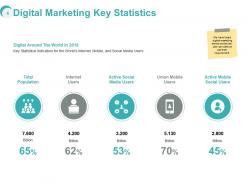
Template 1: Digital Marketing Key Statistics PPT Template
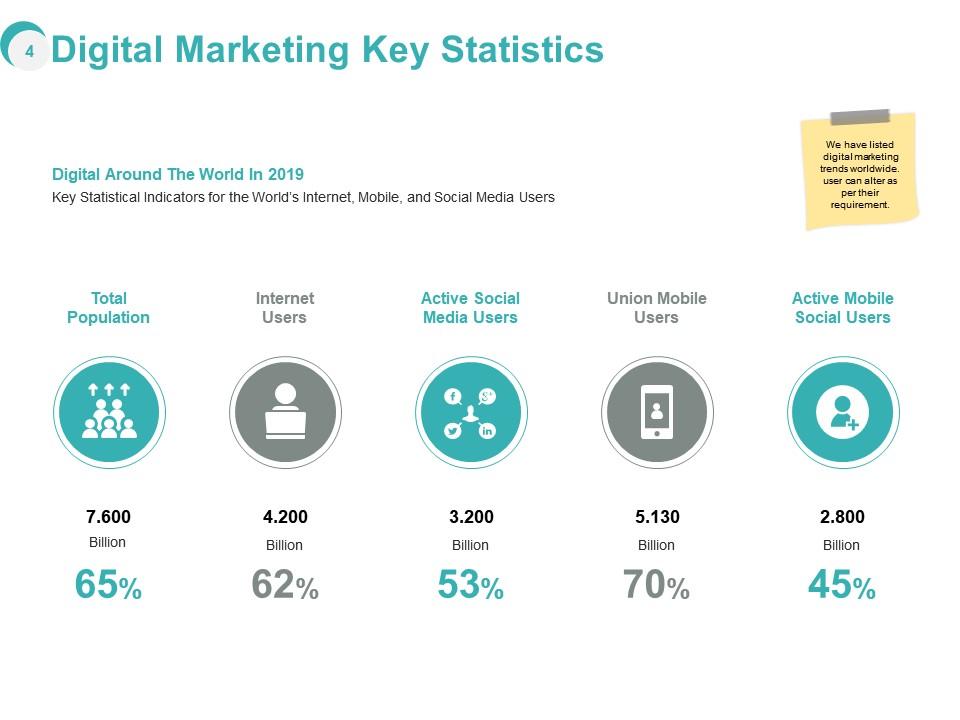
If you’re a digital marketer by profession or a business owner looking to grow their digital presence, keeping an eye on the latest digital marketing stats will help you take stock of the current situation and plan for the future. Use this PPT Template to keep track of increasing internet users, active social media users, union mobile users, and other forms in which users access digital marketplaces. Download Now!
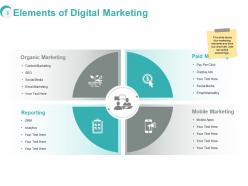
Template 2: Elements of Digital Marketing PPT Template
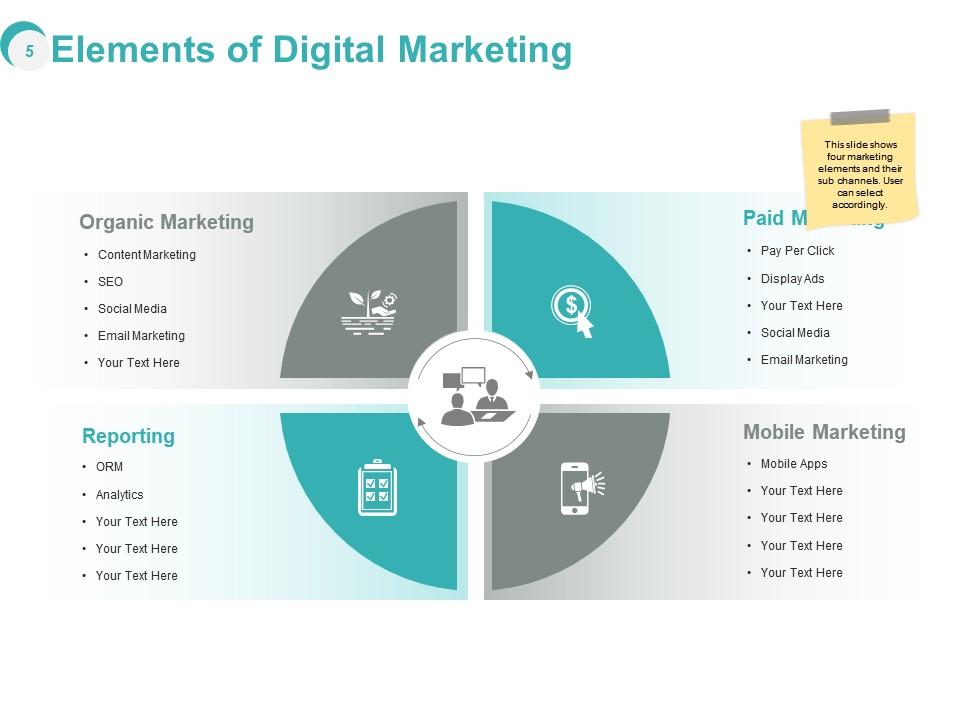
Digital marketing is a comprehensive approach to promoting products, services, or brands using digital channels and technology. The PPT Template highlights four digital marketing forms: organic marketing, paid marketing, reporting, and mobile marketing. Each of these has multiple elements like content marketing, SEO, social media, PPC, display ads, ORM, analytics, and mobile apps, amongst others. Make an optimal marketing mix for your company with this PPT Slide. Download Now!
Template 3: Email Marketing Statistics PPT Template
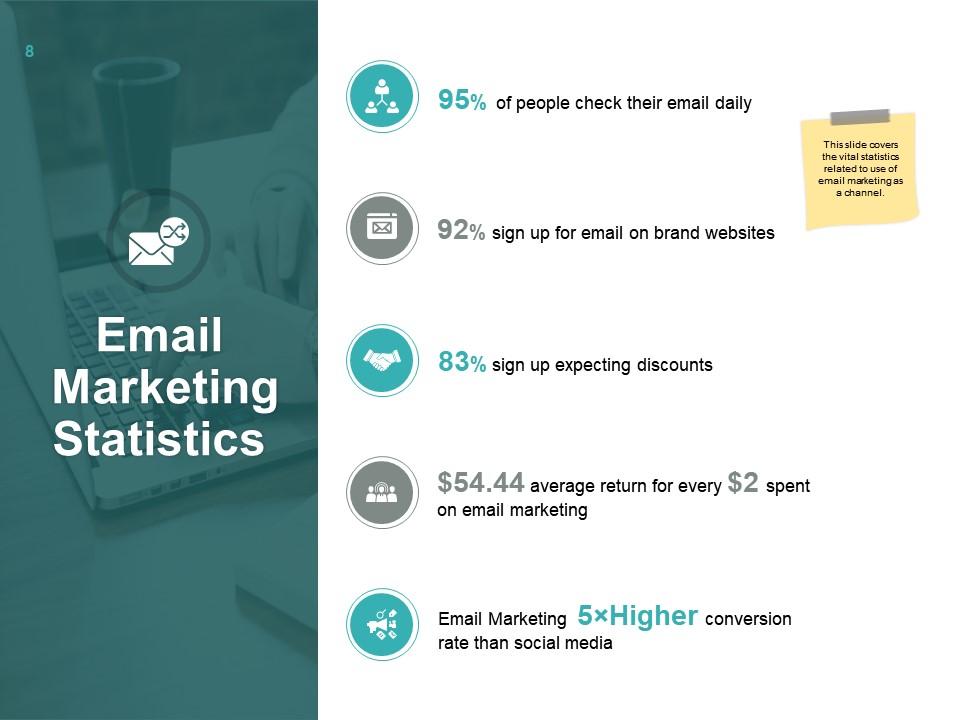
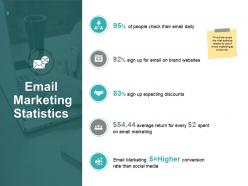
Email marketing allows you to reach your target audience directly with personalized and relevant content. Before starting to plan your email content and schedule, get your hands on this PPT Template. This will enable you to track statistics related to email, and you can keep updating it. It records information like what percentage of people check emails daily, how many sign up for email notifications through brand websites, average ROI, and conversion as compared to social media. Download now!
Template 4: Email Marketing Strategy PPT Template
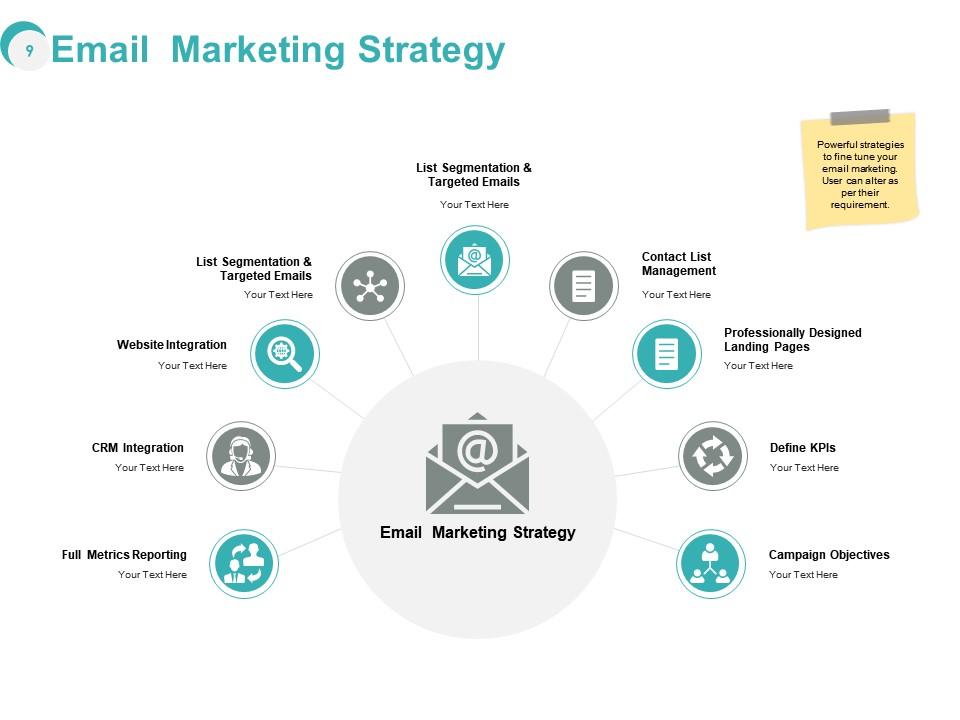
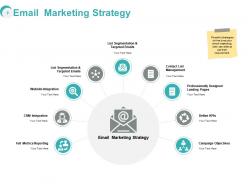
Email marketing aims to build customer relationships, promote products or services, increase brand awareness, and ultimately drive sales. This PPT Template will help you develop a comprehensive email marketing strategy. The slide outlines the key elements that must be considered when developing a plan. It includes reporting, website integration, CRM integration, segmentation, contact list management, KPIs, etc. Get access today!
Template 5: Email Marketing Dashboard PPT Template
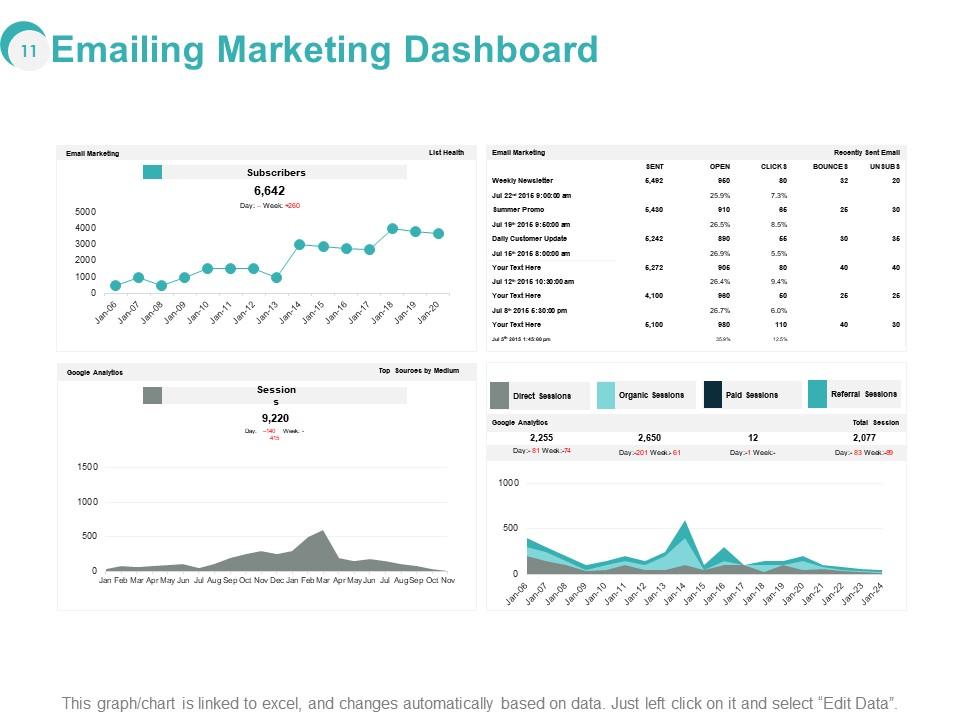
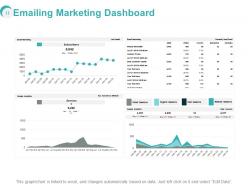
Use this PPT Template to maintain real-time email data. You can track information like the number of subscribers and total number of sessions on visual infographics. In the tables provided, you can record the ROI of weekly newsletters, promotions, daily updates, etc. The template has color-coded graphs that will enable you to segregate direct, organic, paid, and referral sessions at one glance. Download Now!
Template 6: Pay Per Click Statistics PPT Template

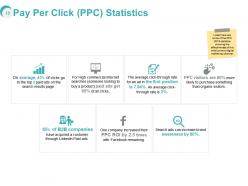
From small start-ups trying to make a mark to corporate giants defending their turf, PPC spending is an index of the digital battleground with global ramifications. Unravel the latest trends in total PPC spending worldwide and delve into the intricacies of average cost-per-click with this PPT Template. It will record key PPC-related statistics like average click-go, click-through rate, organic customer percentage, etc. Download now!
Template 7: Pay-Per-Click Strategies
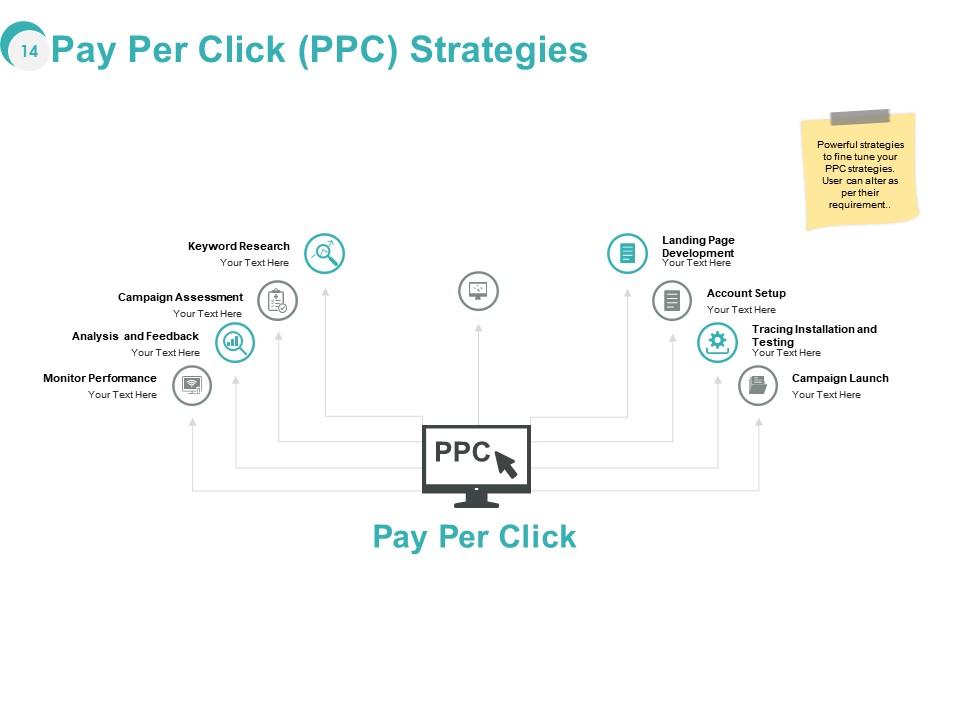
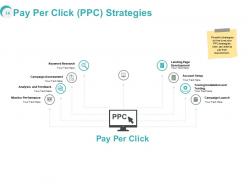
As a marketer, you understand that PPC today is more than just bringing clicks. It is a powerful weapon that, if strategically applied, can soar your business to the next level. Use this PPT Template to plan a solid PPC Strategy. This slide will enable you to include elements like performance monitoring, analysis and feedback, campaign assessment, landing page development, account setup, campaign launch, etc. Download now!
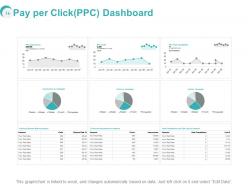
Template 8: Pay Per Click Dashboard PPT Template
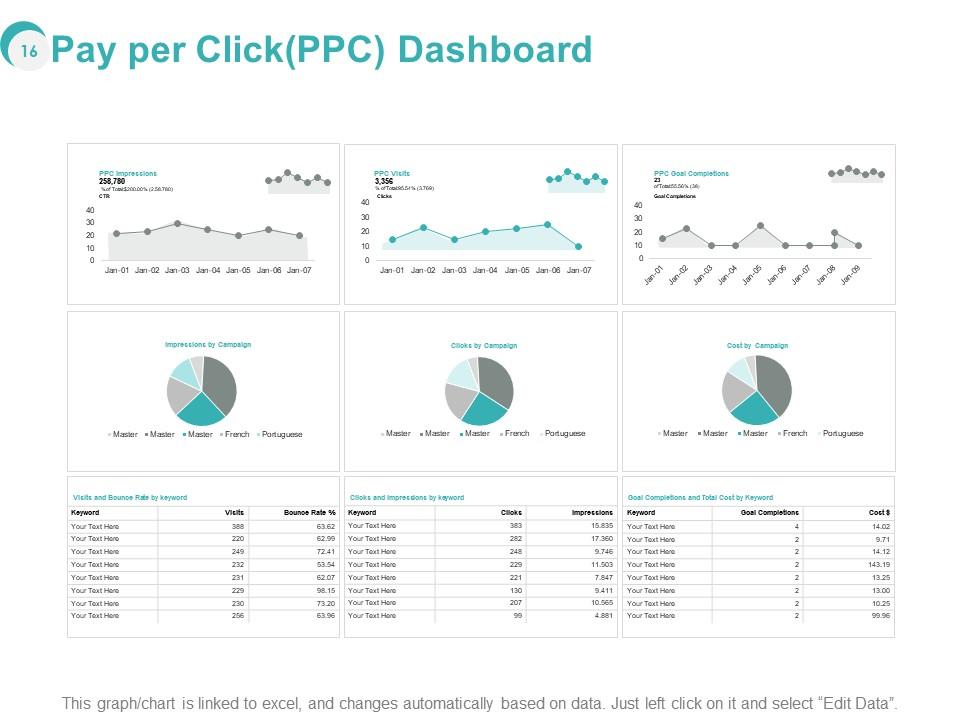
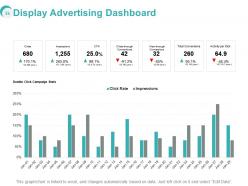
With your fail-proof strategy, this Dashboard Template will help you monitor your performance. Track factors like click rates, bounce rates, campaign costs, etc. The visual infographics, such as the pie chart, graphs, and table, will help you present data to your teams and analyze it for future strategies. Download Now!
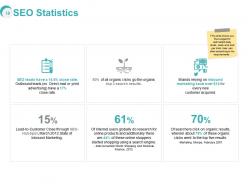
Template 9: SEO Statistics PPT Template
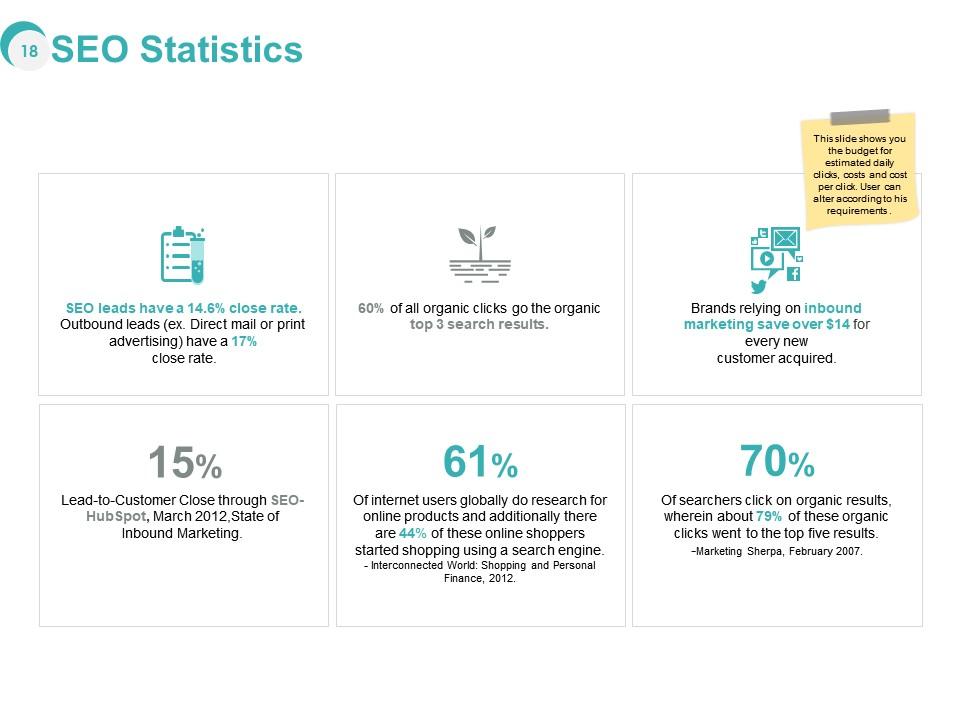
SEO (search engine optimization) is a set of processes aimed at improving a website’s visibility in search engines like Google, with the goal of getting more organic traffic. It is crucial to track data to ensure optimization. Use this PPT Template to do so. You can record lead-to-customer, online search volumes, keyword data, etc. Download Now!
Template 10: SMM Dashboard PPT Template
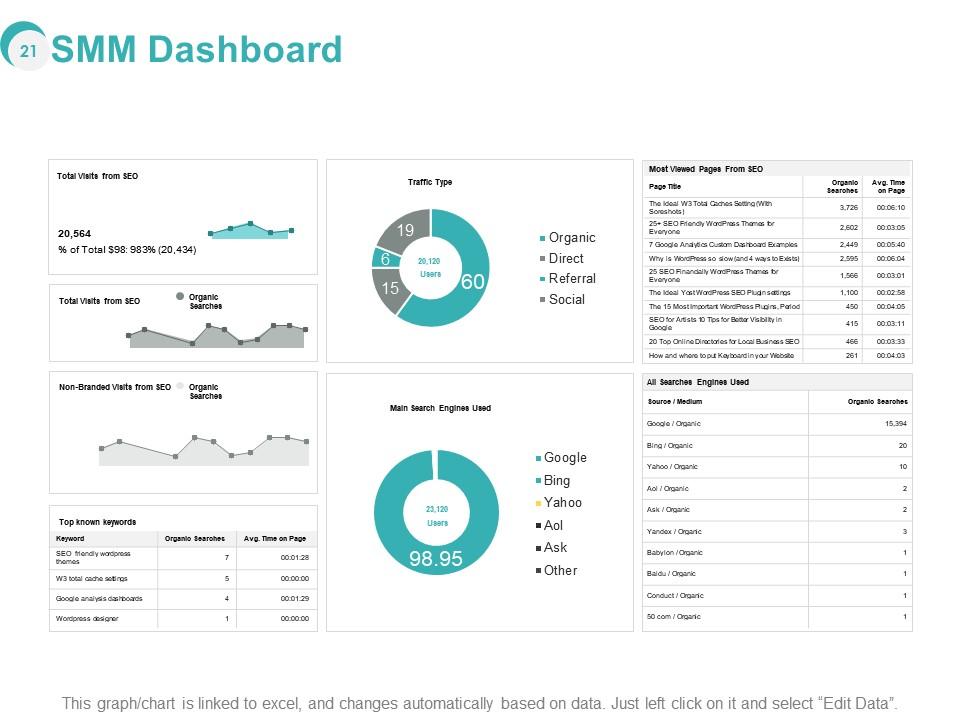
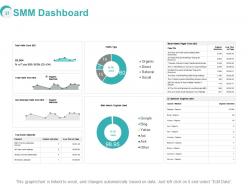
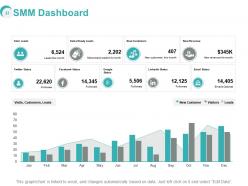
Social media today plays such an essential top-of-the-funnel role that it’s important to understand how to align the platform's usage to meet your goals. Use this dashboard to track total visits and clicks from each social media and other platforms. With this data, you can find the platform that gets you maximum customers; this will help you make budget plans for the next term. Download Now!
Up your Online Marketing game!
Whether you are an established business or a small start-up, wasting time and money on marketing campaigns is a common brand fear. A well-executed digital marketing strategy is needed to help you achieve your marketing objectives and grow your business. Use the Online Marketing PPT Presentation to strategize your marketing game.
With new technology, new platforms, tools, and techniques continue to emerge, giving marketers even more opportunities to connect with their target audience.
From big data and blockchain to AI and augmented reality, the future of digital marketing will allow digital marketers to increase personalization and reach customers in new ways. Check out template guides!
Online marketing powerpoint presentation slides with all 61 slides:
Build a connect with our Online Marketing Powerpoint Presentation Slides. They will be good conduits for your thoughts.


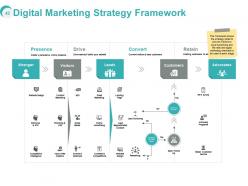

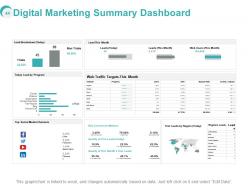

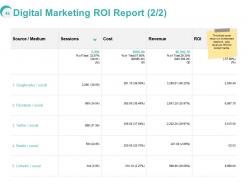




FAQs for Online marketing
Okay so first thing - figure out who you're actually talking to, like really narrow it down. Content has to be useful, not just pretty. Stay active on social but honestly, pick like 2-3 platforms max because otherwise you'll burn out trying to be everywhere. SEO's still huge for getting found naturally. Email marketing is weirdly effective (I know it sounds old school but trust me). Track your data so you know what's actually working vs. what you think is working. The trick is making everything connect instead of having your Instagram doing one thing while your website does something totally different. Quality over quantity every time.
Stop being so sales-y all the time - people can smell that from a mile away. Just pick 2-3 platforms where your customers actually are and stick to them. Post 3-4 times a week (I know, sounds like a lot but you'll get into a rhythm). Share what's really happening behind the scenes, answer questions when people ask them. The algorithm thing is real - it rewards you for actually talking back to people. Honestly, being a little messy and real beats perfect posts every time. Build relationships first, then worry about selling stuff. Trust me on this one.
Look, SEO is honestly the best way to get people finding your stuff without spending money on ads. Most folks don't even look past Google's first page - I know I don't. So you want to figure out what your audience is actually typing into search bars, then work those keywords into your blog posts and videos naturally. Don't stuff them in weird places though, that looks spammy. The technical side matters too, but start with keyword research first. Once you nail that, you'll get way more qualified visitors hitting your content organically.
Dude, email marketing crushes everything else ROI-wise - like $36-42 back for every dollar you put in. Social media and paid ads can't even come close. The best part? You actually own your email list, so when Instagram decides to mess with their algorithm again, you're not screwed. People check email every day anyway. Yeah, building a decent list takes forever and your open rates will probably suck at first (mine definitely did). But seriously, you're missing out on easy money if you skip this. Just start with a basic welcome sequence - nothing fancy.
Honestly, everything's moving toward short-form video right now - TikTok, Reels, YouTube Shorts. Even boring B2B companies are crushing it there, which still blows my mind. AI personalization is huge too, but privacy changes from Apple and Google made targeting way trickier. Connected TV ads are everywhere since everyone's ditching cable but still watching Netflix obsessively. Voice search matters more now with all these Alexas sitting around. Oh, and you definitely need to test video content if you haven't - the attention's just not on static posts anymore.
Honestly, analytics is a game changer because you'll actually know what's working instead of just throwing stuff at the wall. Track which channels bring your best customers and where people bail on your sales process. Your gut might say one thing, but the numbers don't lie! Don't get caught up in vanity metrics like page views though - focus on stuff that actually makes you money. I'd start with conversion tracking, then maybe pick 3-4 key things to check weekly. Use that data to double down on winners and ditch whatever's flopping.
Dude, video marketing is a total game changer. People remember like 95% of what they watch vs only 10% of what they read - crazy difference. Videos get shared 1200% more than regular posts too, which honestly blew my mind when I first heard that stat. Facebook and Instagram's algorithms love video content, so you'll naturally reach more people. Your engagement will go through the roof. Don't overthink the production side though - I started with just my phone filming product demos and random behind-the-scenes stuff. Works way better than you'd expect without fancy gear.
Dude, you HAVE to make your site mobile-friendly. More than half of people browse on their phones now, so you're basically telling potential customers to go away if it doesn't work well on mobile. Google ranks mobile-optimized sites higher too, which is huge for getting found. I watched a client's traffic tank last year because of this exact issue - it was painful to see. Mobile users get impatient fast, so responsive design and quick loading are must-haves. Oh, and make sure buttons are big enough to actually tap without zooming in. Test it on a few different phones first and tackle the worst problems.
Dude, biggest mistakes I see? People try to be everywhere at once and blow their budget. Pick like 1-2 channels max when you're starting. Also, way too many people have zero clue who they're actually targeting - that's death right there. Mobile optimization gets ignored constantly and it tanks conversions every time. Give your campaigns at least 2-3 weeks before you panic and change everything. Oh, and actually look at your analytics instead of just hoping for the best. A/B test your landing pages too - I know it's boring but it works. Honestly, most failures happen because people expect miracles in week one.
Honestly, it's all about being real with people instead of just shoving your stuff in their faces. Find where your people actually spend time online, then share things that genuinely help them out. Ask questions! Answer their comments - and I mean actually answer, not those generic "thanks for sharing" responses that make everyone cringe. Live Q&As work great, plus try getting your community to create content too. Here's the thing though - you've gotta listen way more than you talk. People know when you're being fake. Set aside like 30 minutes daily just to engage properly. Celebrate your members when they do cool stuff. Makes a huge difference.
Honestly, forget chasing follower counts - it's all about finding creators whose audience actually matches yours. I made this mistake once and the campaign was a total disaster lol. Look for people whose values align with your brand instead. Micro-influencers are perfect for testing what works before you spend big money. Give them creative freedom but set clear expectations upfront - nobody wants those awkward "can you reshoot this?" conversations later. Track engagement over reach too. Those smaller, authentic partnerships convert so much better than throwing money at mega-influencers who don't really get your brand anyway.
So basically A/B testing is where you take two versions of whatever - email subject lines, ad copy, landing pages, button colors, you name it - and show version A to half your audience and version B to the other half. Then you just see which one performs better. No more guessing what actually works! I usually tell people to test one thing at a time though, otherwise you won't know what caused the difference. The results can be pretty dramatic too. Even tiny changes compound over time and make a real difference in your numbers.
Honestly, just don't be shady with people's data - get consent before tracking anything. Be upfront about what you're actually selling instead of using clickbait headlines (even though I get why it's tempting). Don't target people who are obviously vulnerable or use those sneaky design tricks to force purchases. Oh, and when someone wants to unsubscribe, let them! It's annoying when companies make that impossible. Quick test: would you be pissed if another company pulled the same tactics on you? If yes, don't do it.
Honestly, most people mess this up by not connecting their ad spend to actual sales - I see it all the time. Get conversion tracking set up in Google Analytics or whatever CRM you're using so you can see which campaigns actually make money, not just generate clicks. Customer acquisition cost and lifetime value are the numbers that matter. Oh, and don't expect people to buy immediately - they usually bounce around different touchpoints first. Pick one campaign to start with and track it from beginning to end. Once you've got that dialed in, just copy the same process for everything else. Way easier than trying to do it all at once.
Start with Google Analytics and Google Ads - those are non-negotiable. For social media, Buffer or Hootsuite will save your sanity. Email marketing? Mailchimp's solid, though I personally like ConvertKit better. Don't fall into the trap of buying every tool that pops up on Product Hunt (guilty). Canva's a lifesaver for graphics unless you want everything looking super amateur. If SEO's your thing, grab SEMrush or Ahrefs for keyword stuff. Master these first, then expand. Way too many people collect tools like Pokemon cards and never actually use half of them.
No Reviews