


Social Media Marketing Campaign Powerpoint Presentation Slides
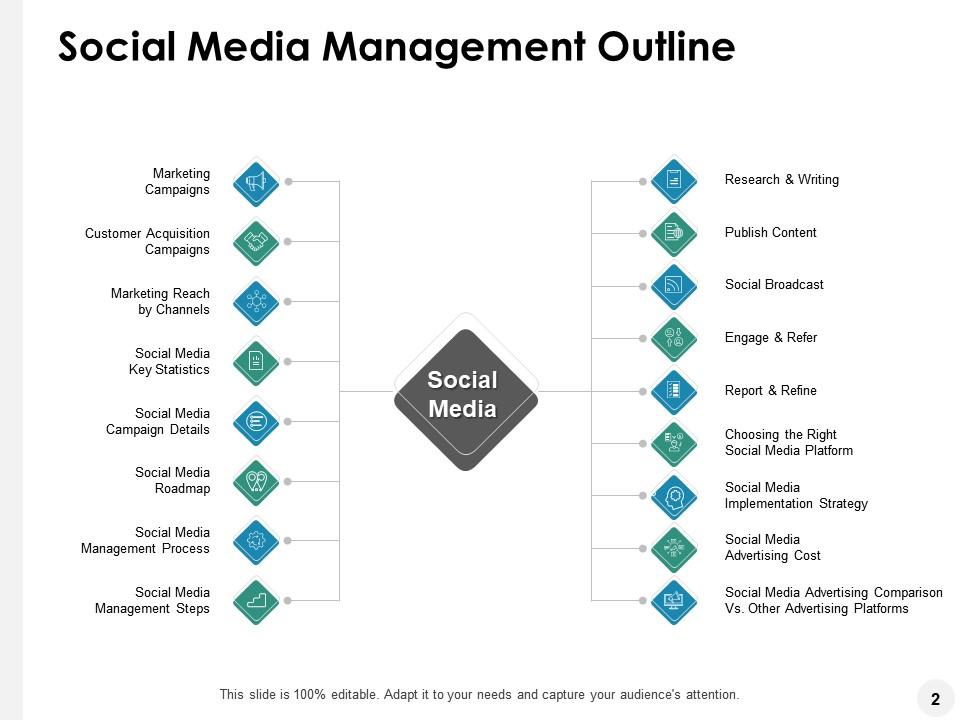
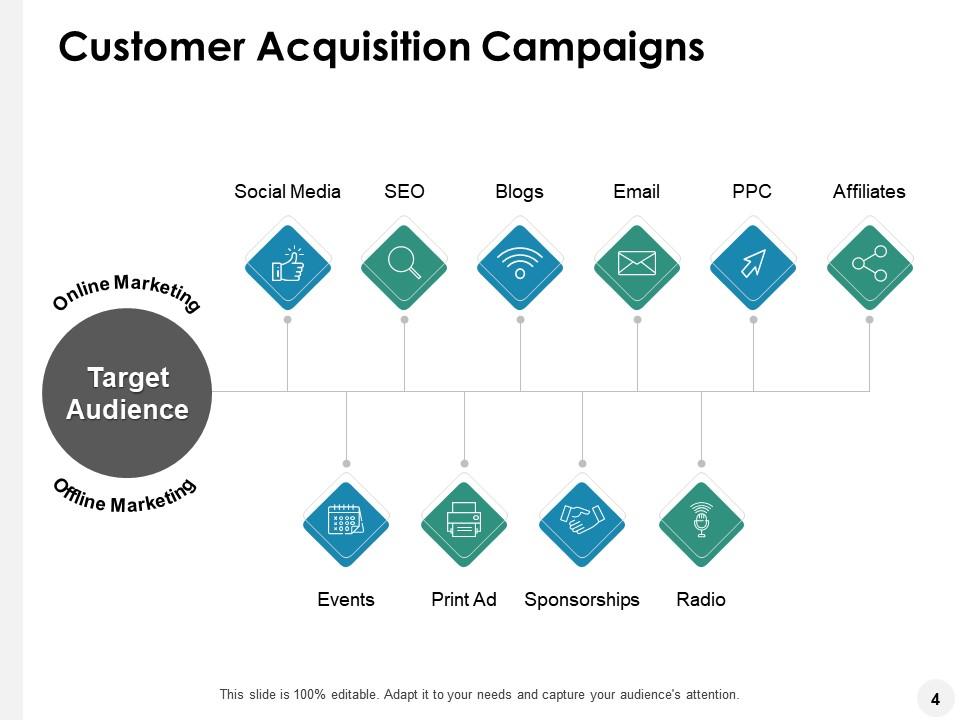
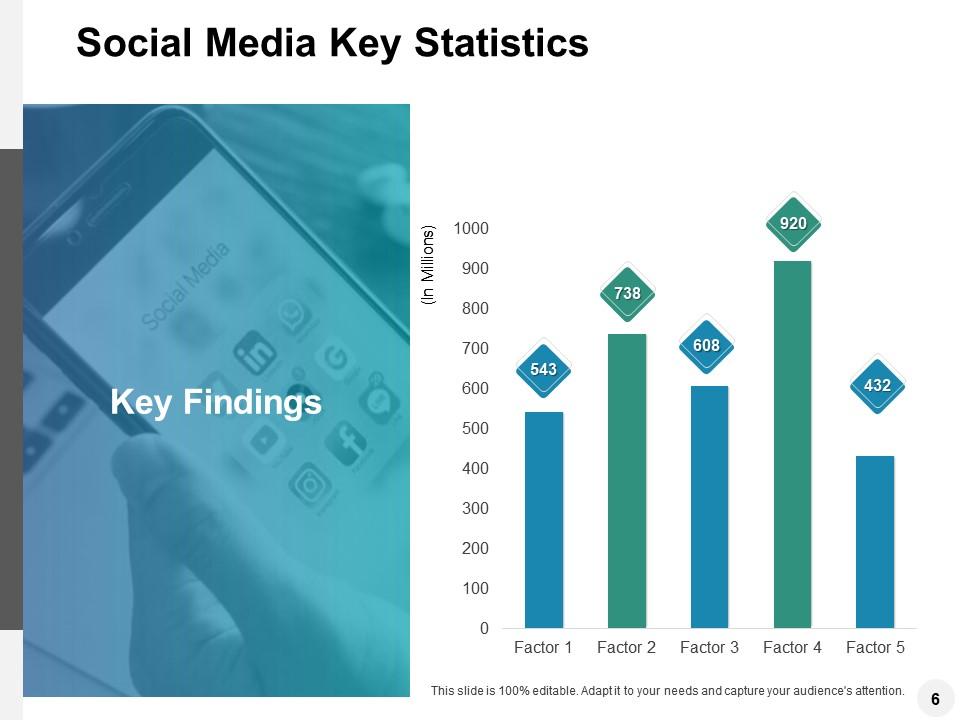
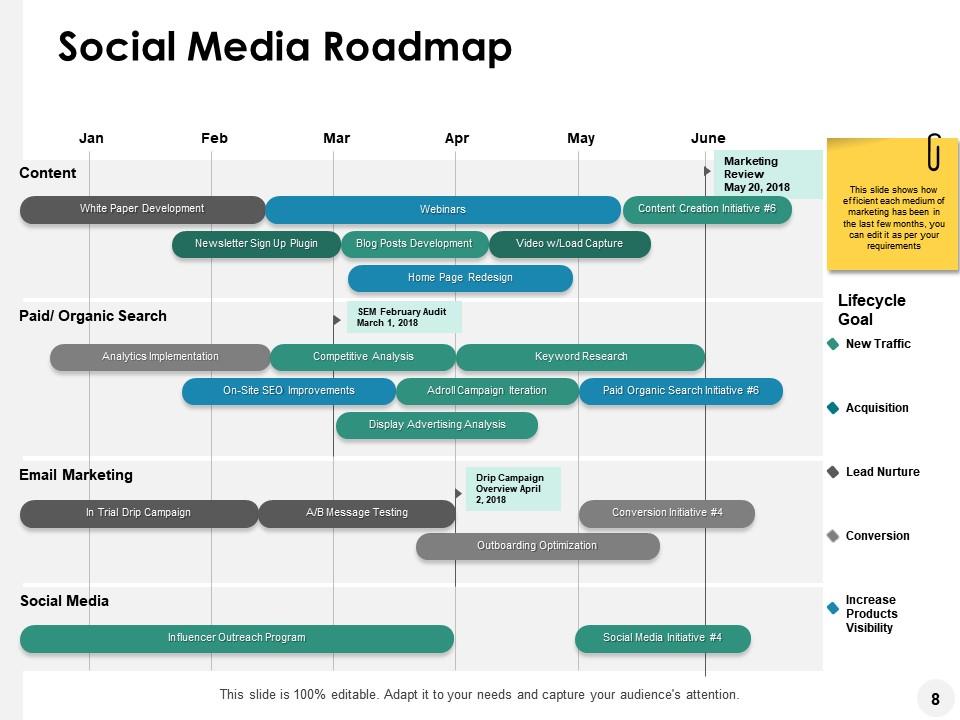
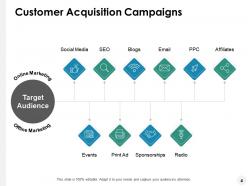
Employ this Social Media Marketing Campaign PowerPoint Presentation Slides to outline the online advertising campaign. You can mention the various spheres such as customer acquisition campaign, marketing reach by channels, social media key statistics, roadmap, management process, and steps, etc. Discuss with your colleagues the activities involved like research & writing, publish content, social broadcast, engage and refer, etc by taking the assistance of this online sales campaign PPT theme. You can explain how your firm can choose from the various mediums undertaken like print ads, online advertising, trade fairs, telemarketing, social media, referrals, and direct mail as per the requirements. Elucidate the different online and offline marketing campaigns to attract more consumers to opt for your enterprise by incorporating this brand awareness campaign PowerPoint template. By utilizing this social media advertising PPT theme, you can compare the best and worst channels for marketing reach and focus more on the top-performing channels. Therefore, download our social media marketing ppt templates and accelerate your business.
Employ this Social Media Marketing Campaign PowerPoint Presentation Slides to outline the online advertising campaign. You ..









-

- Google Slides is a new FREE Presentation software from Google.
- All our content is 100% compatible with Google Slides.
- Just download our designs, and upload them to Google Slides and they will work automatically.
- Amaze your audience with SlideTeam and Google Slides.
-

Want Changes to This PPT Slide? Check out our Presentation Design Services
-

- WideScreen Aspect ratio is becoming a very popular format. When you download this product, the downloaded ZIP will contain this product in both standard and widescreen format.
-

- Some older products that we have may only be in standard format, but they can easily be converted to widescreen.
- To do this, please open the SlideTeam product in Powerpoint, and go to
- Design ( On the top bar) -> Page Setup -> and select "On-screen Show (16:9)” in the drop down for "Slides Sized for".
- The slide or theme will change to widescreen, and all graphics will adjust automatically. You can similarly convert our content to any other desired screen aspect ratio.
Compatible With Google Slides

Get This In WideScreen
You must be logged in to download this presentation.


Do you want to remove this product from your favourites?
PowerPoint presentation slides
This complete deck covers various topics and highlights important concepts. It has PPT slides which cater to your business needs. This complete deck presentation emphasizes Social Media Marketing Campaign Powerpoint Presentation Slides and has templates with professional background images and relevant content. This deck consists of total of thirty five slides. Our designers have created customizable templates, keeping your convenience in mind. You can edit the colour, text and font size with ease. Not just this, you can also add or delete the content if needed. Get access to this fully editable complete presentation by clicking the download button below. It is Google Slides compatible.

People who downloaded this PowerPoint presentation also viewed the following :
Content of this Powerpoint Presentation
Do you have a campaign idea for social media in the works?
Whether this is your first campaign or you want to rehash your social media strategy, this blog might just help you overcome challenges such as:
-
Where to start?
-
How do you organize the tasks?
-
Where should your focus be?
Regardless of the type of social media campaign, you must commit to flawless planning and execution. You see, these action points provide an opportunity to showcase your brand in a new light, connect with your target audience, and achieve your strategic, and overall objectives.
At SlideTeam, we have curated a free Social Media Campaign Template to make campaign planning easier and, more importantly, to ensure that you are covering all bases!
The 100% editable and customizable nature of our PowerPoint Templates provides you with the structure and the desired flexibility to edit your presentations.
Let’s explore!
Template 1: Marketing Campaigns
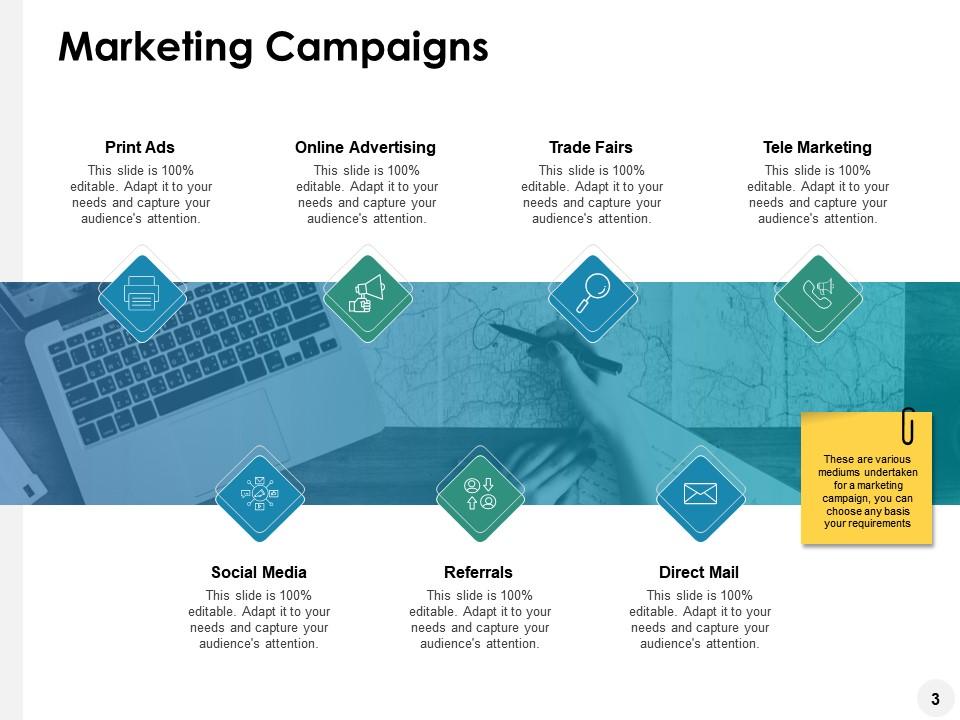
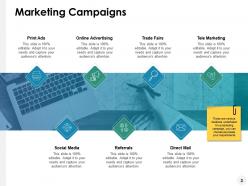
This PPT Slide helps brainstorm campaign ideas to ensure you pick the perfect one for your brand! It discusses seven types of social media campaigns: print ads, online advertising, trade fairs, telemarketing, social media, referrals, and direct mail. To take a call, you can record explanatory statements under each marketing campaign type.
Template 2: Marketing Reach by Channels
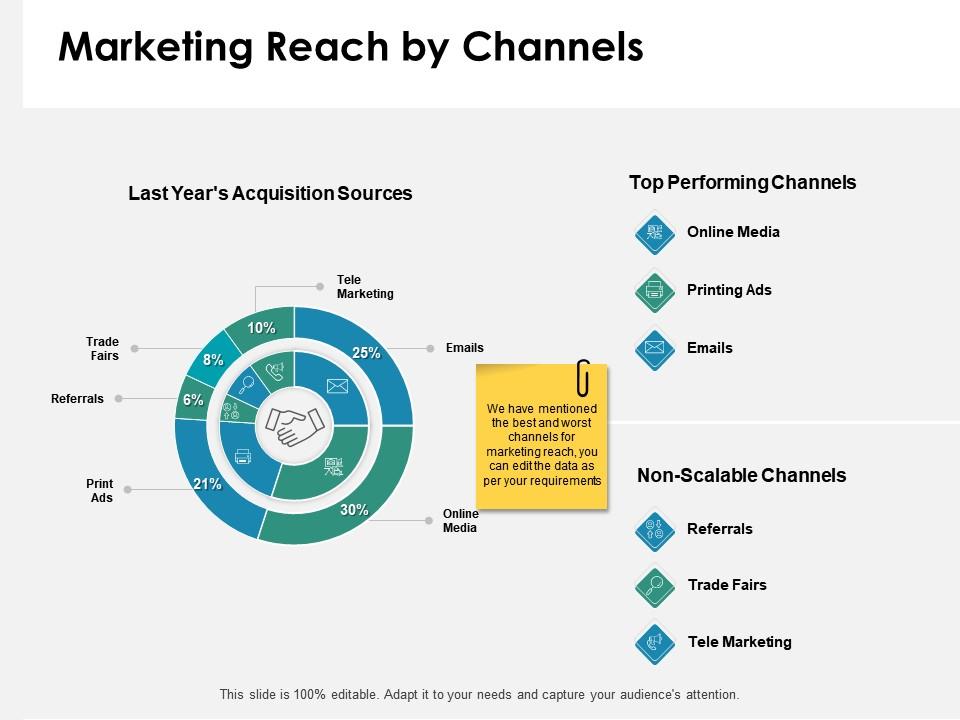
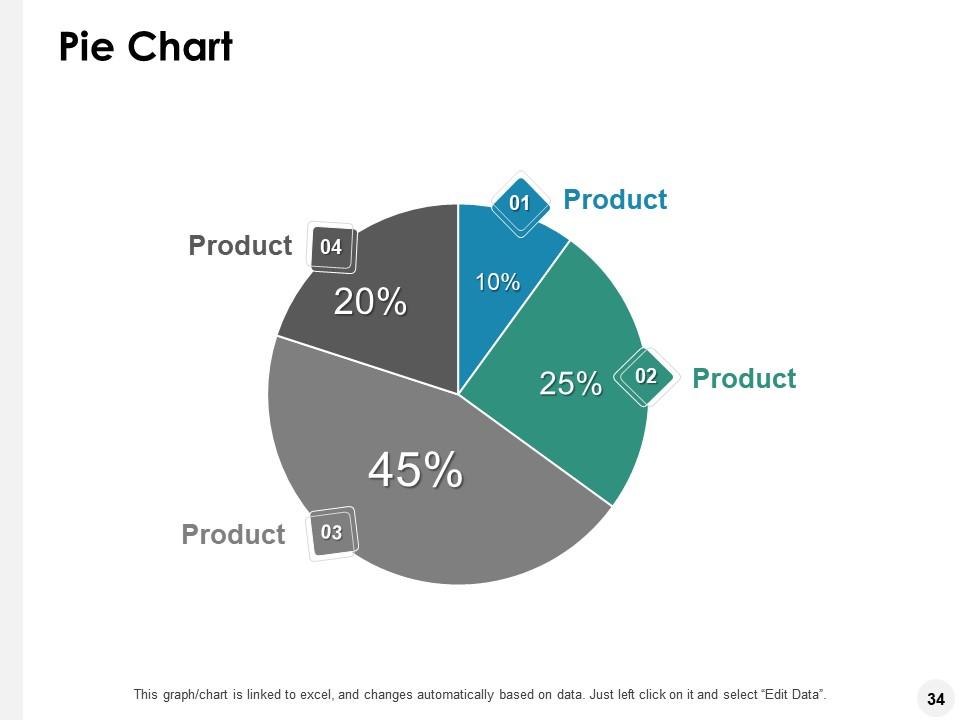
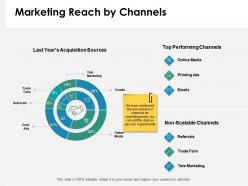
The above PPT defines marketing channels into three broad categories: Last year’s acquisition sources, top-performing channels, and non-scalable channels. This division helps you assess which marketing channels you must prioritize. With a pie chart describing last year’s acquisition sources (with marketing reach for each channel), you have data-backed intel for anticipating this year’s reach.
Template 3: Social Media Campaign Details
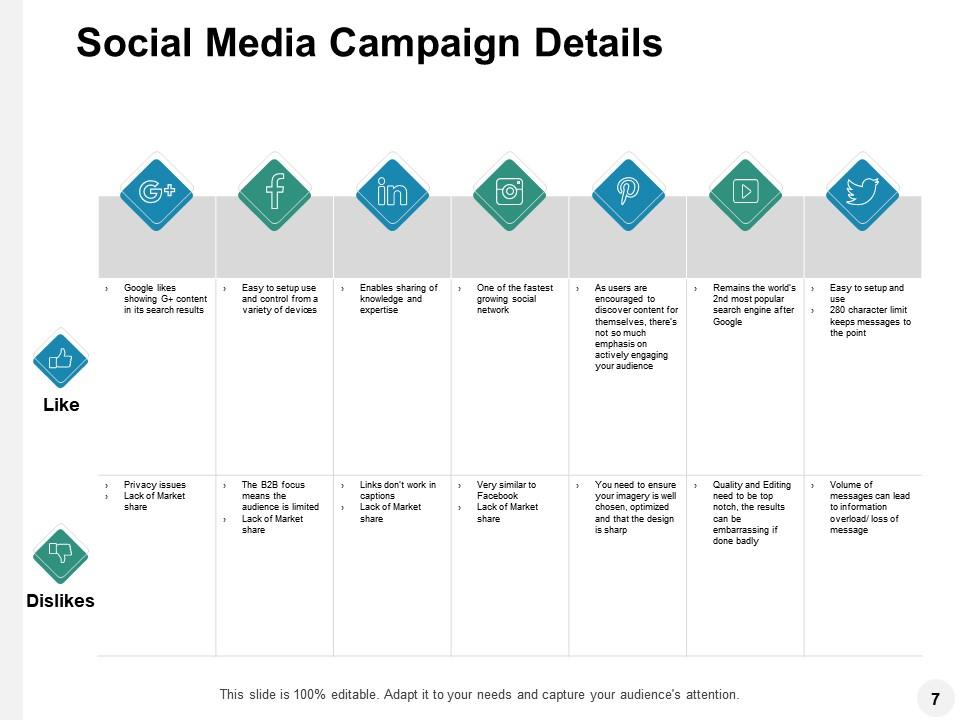
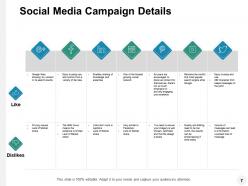
Relying on one person to do all the work is foolish, as is using just one social media channel. The above PPT Slide helps describe your marketing campaigns across platforms, including Google, Facebook (now Meta), LinkedIn, Instagram, Pinterest, YouTube, and Twitter (now X). It also records likes and dislikes for each campaign, ensuring you are on top of things that need immediate attention.
Template 4: Social Media Management Process
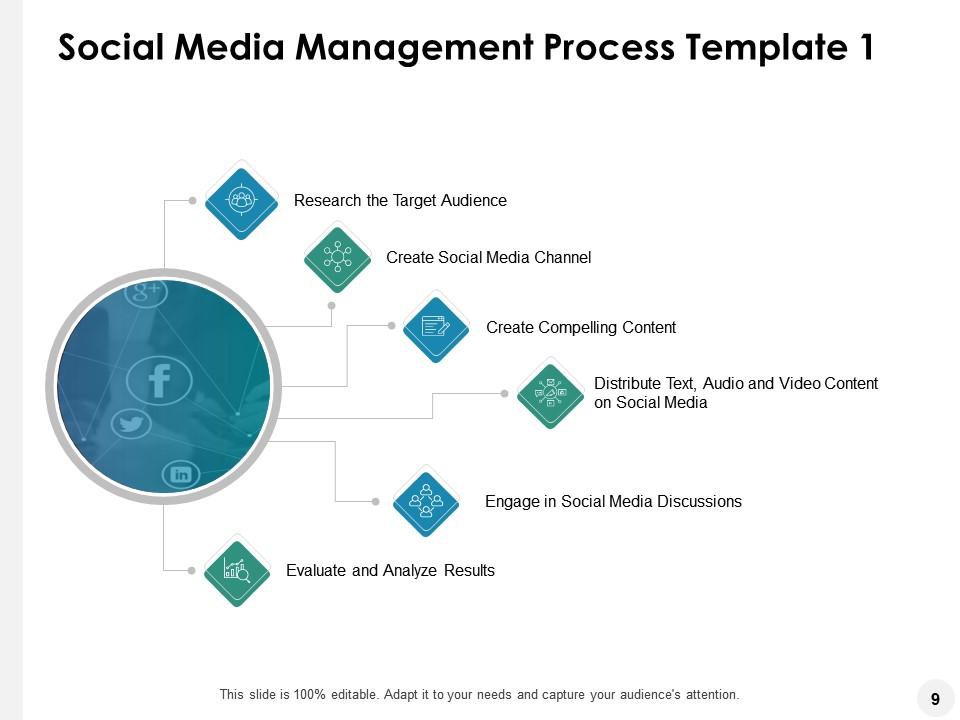
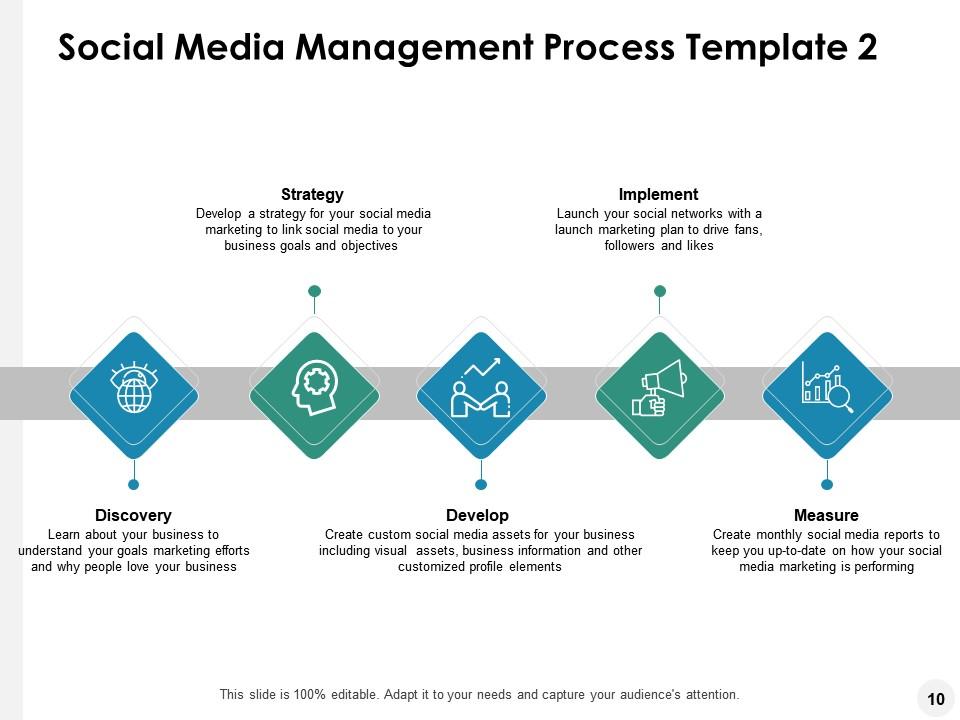
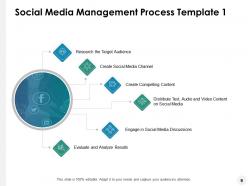
Social Media is not for everyone! There’s science and logic behind every successful campaign (not luck)! With this PPT Preset, you get a targeted six-step social media management process on a clear layout! The steps include researching the target audience, creating social media channels, creating compelling content, distributing content, engaging in social media discussions, and evaluating and analyzing results.
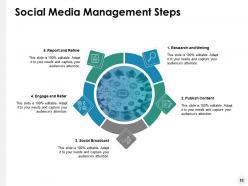
Template 5: Social Media Management Steps
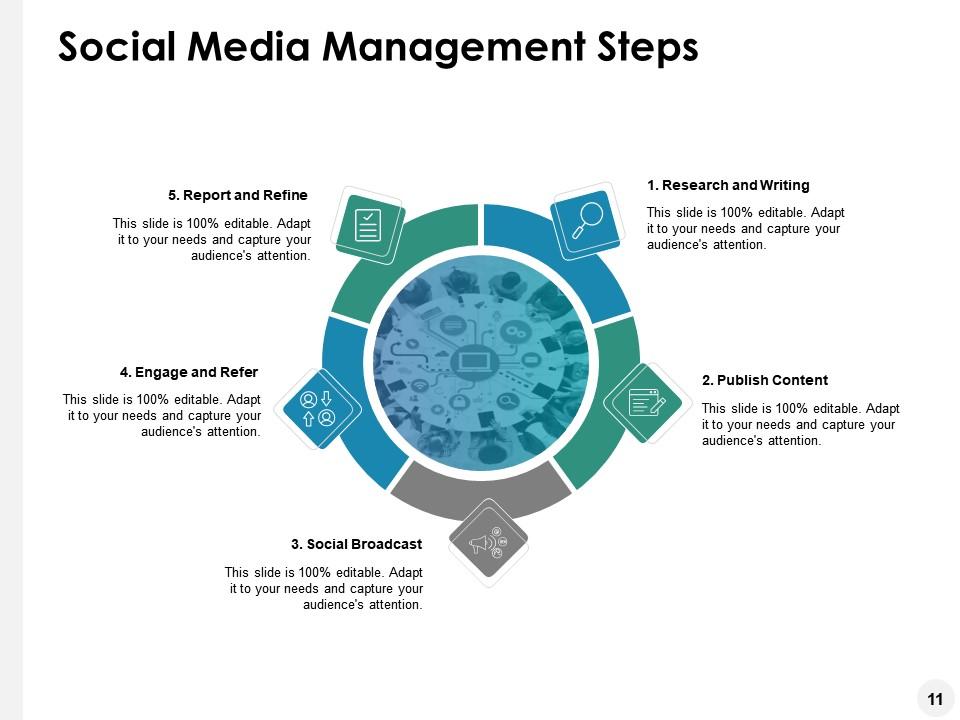
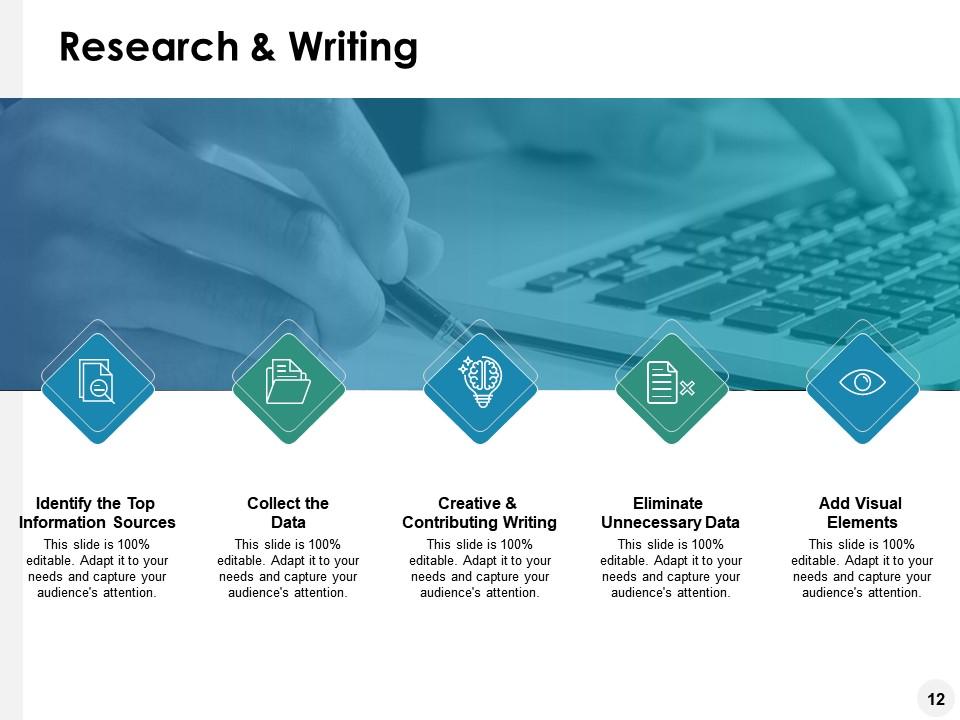
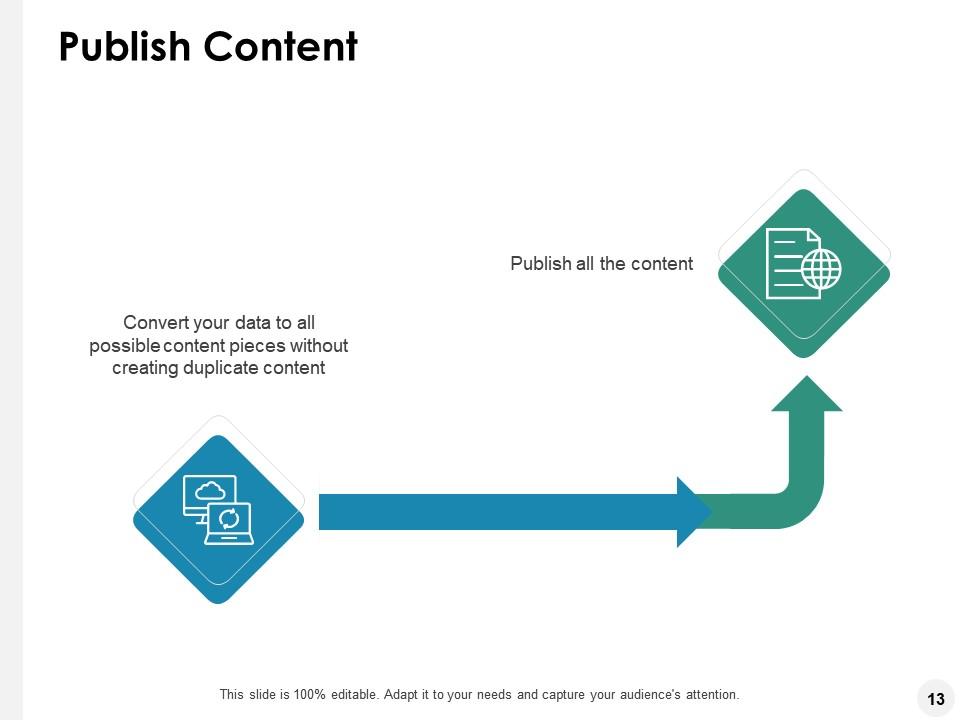
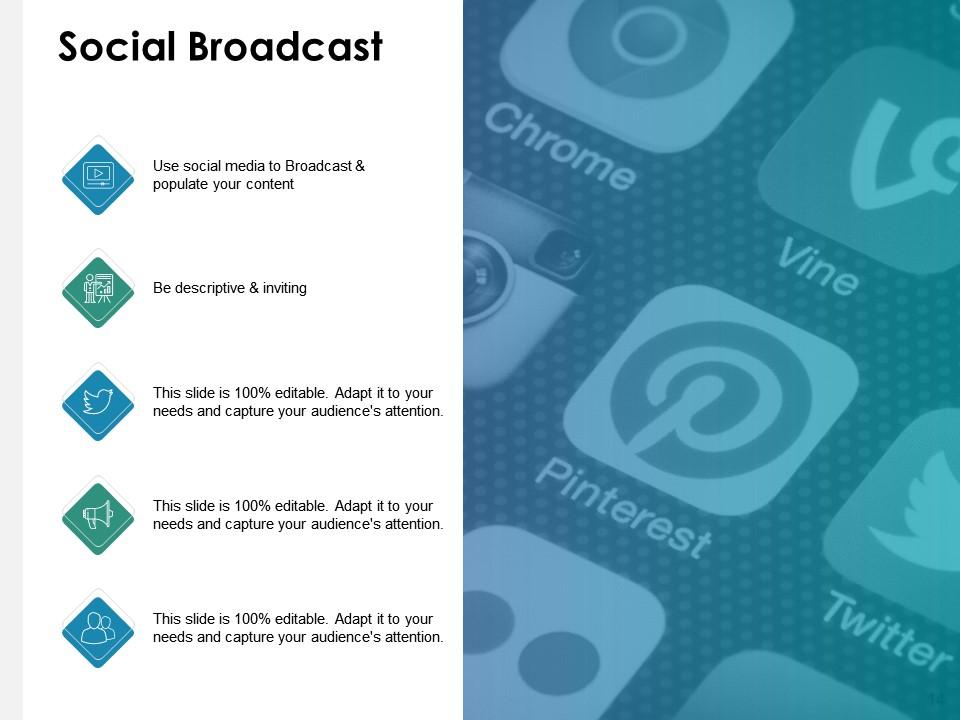
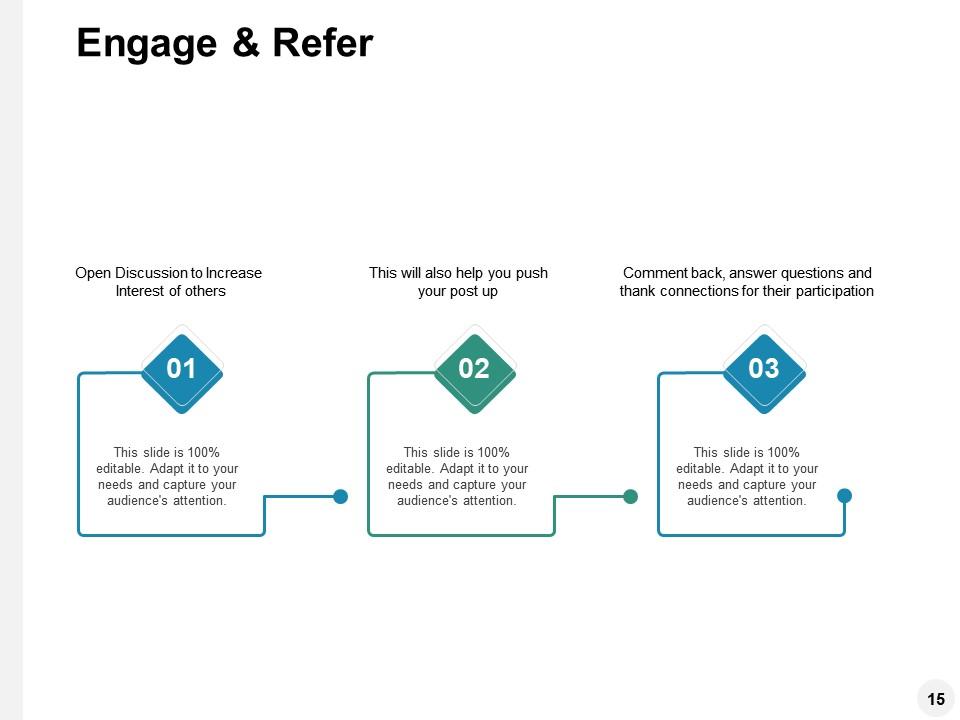
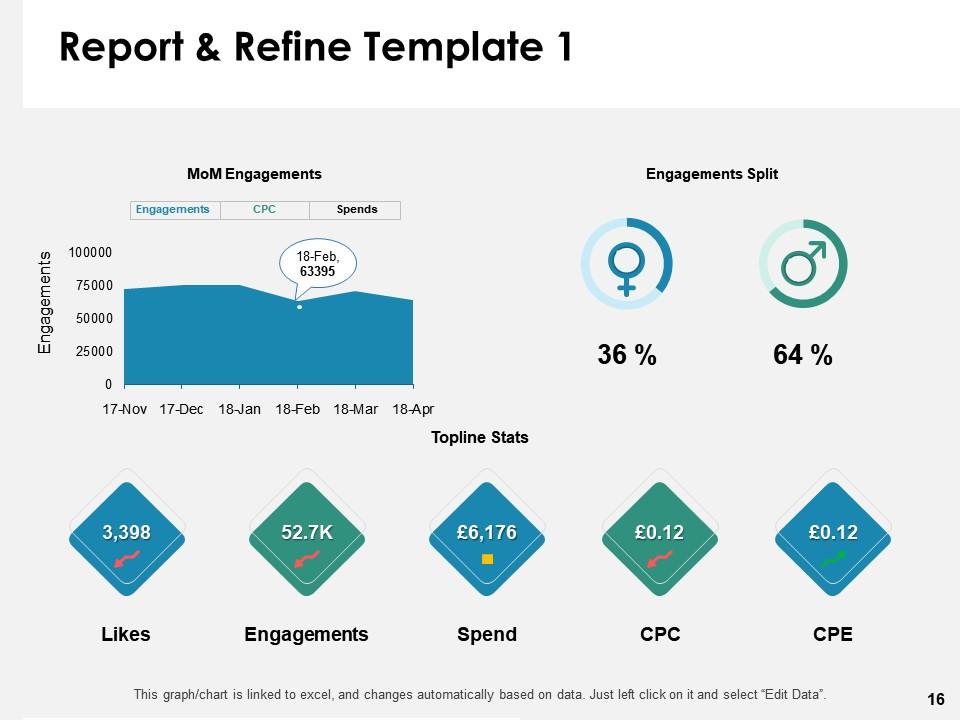
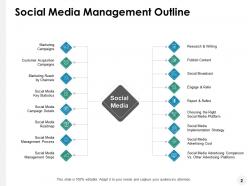
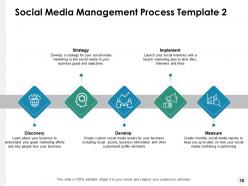
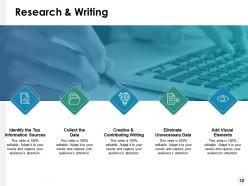
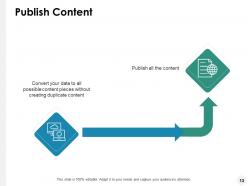
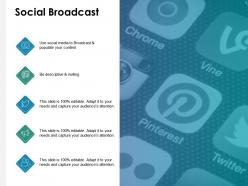
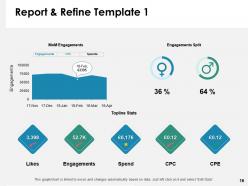
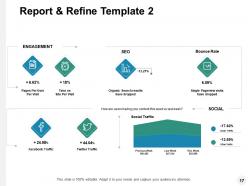
This slide complements the previous one. Consolidated into just five steps, this PPT Template covers the whole social media management process. The steps include research and writing, publishing content, social broadcasting, engaging and referring, and reporting and refining.
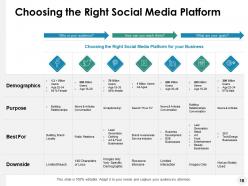
Template 6: Choosing the Right Social Media Platform
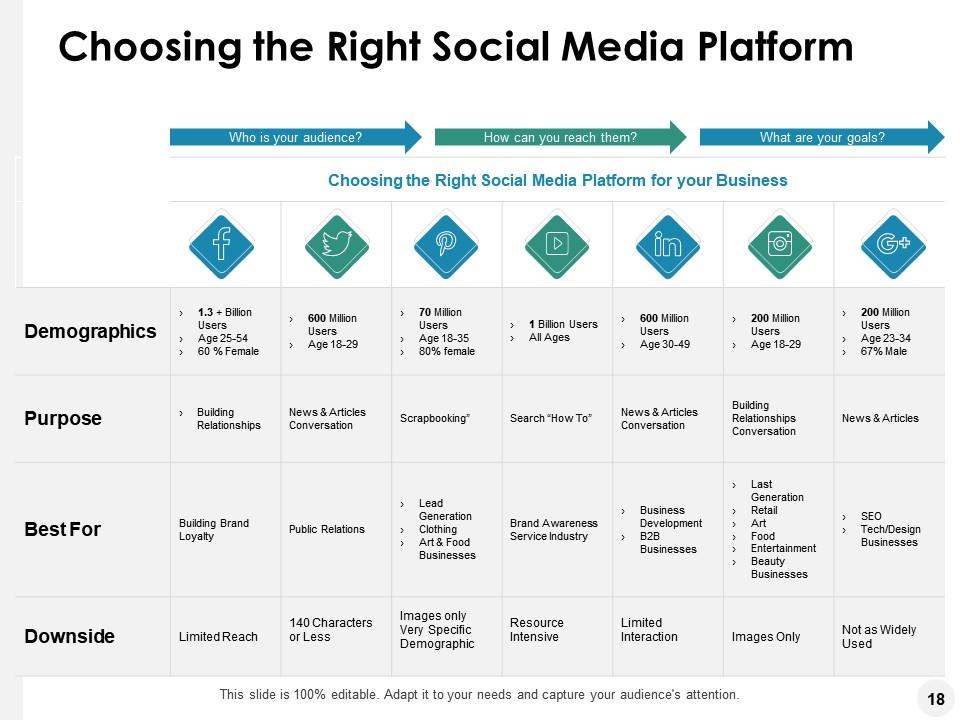
Why choose the right social media platform? Because you won’t invite non-alcoholics to a wine tasting! This PPT Slide compares seven social media platforms, including Google, Facebook (now Meta), LinkedIn, Instagram, Pinterest, YouTube, and Twitter (now X), on the Demographics, Purpose, Best For, and the Downside.
Template 7: Social Media Advertising Cost
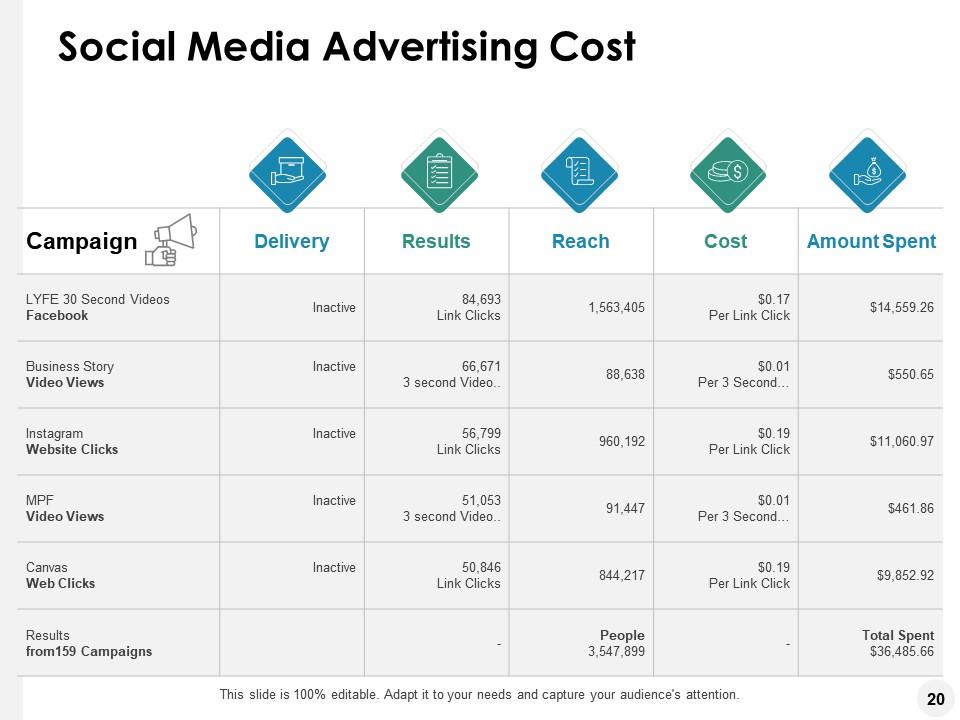
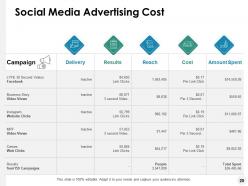
This predesigned PPT Set lists up to six marketing campaigns recording key statistics. It covers their delivery status, results, reach, cost, and total amount spent. This information helps in analyzing which campaign was the most cost-effective and craft similar ones. Similarly, the low-performing campaigns can be rehashed to deliver better results.
******
Over To You
The blueprint for a successful social media campaign is clear: detailed planning, a structured approach, and sharp focus. SlideTeam's Social Media Marketing Campaign Template is designed for professionals who aim for precision and adaptability. Tailor it to fit your brand's narrative and market positioning, ensuring each post aligns with your strategic goals.
Social Media Marketing Campaign Powerpoint Presentation Slides with all 35 slides:
Use our Social Media Marketing Campaign Powerpoint Presentation Slides to effectively help you save your valuable time. They are readymade to fit into any presentation structure.
-
Designs have enough space to add content.
-
Very unique, user-friendly presentation interface.
