


Online Business Market Overview Powerpoint Presentation Slides





Try Before you Buy Download Free Sample Product
 Impress Your
 Audience
 100%
100% Editable
 Save Hours
 of Time


Select our expertly planned and designed Online Business Market Overview PowerPoint Presentation Slides to present your online business plan. This ready-made internet marketing introduction PowerPoint introduction deck contains 24 slides for example, elements of eCommerce industry outline, online marketing strategy, e-commerce participants, internet business key growth drivers, e-commerce marketing solutions, e-commerce environment, e-commerce challenges, online business model, key activities, value proposition, customer relationships, customer segment, cost structure, global reach, and many more. Aside from this, the online industry outline PPT visuals are well-suited to showcase different ideas identified with this theme. Best of all, this online business introduction PPT slideshow is fully editable, and you can make changes according to your needs and requirements. So simply download internet business market overview PowerPoint templates and leave a positive impact on your audience. Hold your ground in any contest with our Online Business Market Overview Powerpoint Presentation Slides. It enables you to compete with the best.
People who downloaded this PowerPoint presentation also viewed the following :
Content of this Powerpoint Presentation
Slide 1: This slide introduces Online Business Market Overview. State Your Company Name and begin.
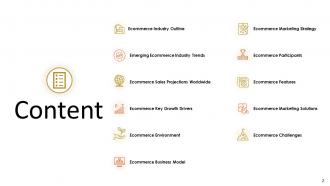
Slide 2: This slide shows Contents of the presentation.
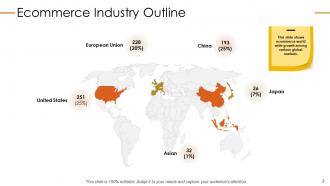
Slide 3: This slide presents Ecommerce Industry Outline to show world wide growth among various global markets.
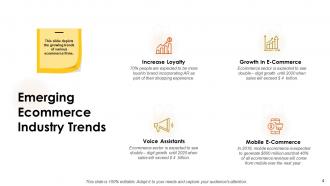
Slide 4: This slide displays Emerging Ecommerce Industry Trends to help in depicting the growing trends of various ecommerce firms.
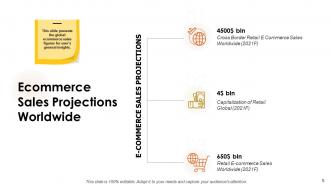
Slide 5: This slide represents Ecommerce Sales Projections Worldwide with sales figures for user’s general insights.
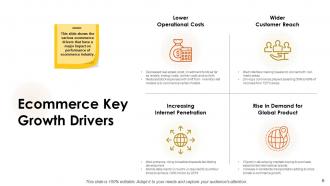
Slide 6: This slide shows the various E-commerce key growth drivers that have a major impact on performance of ecommerce industry.
Slide 7: This slide showcases Ecommerce Environment to describe the various factors that impact the functioning of ecommerce industries.
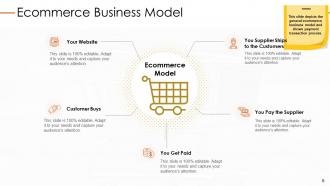
Slide 8: This slide depicts the general E-commerce business model and shows payment transaction process.
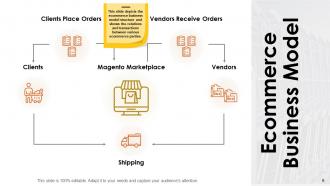
Slide 9: This is an optional slide for Ecommerce Business Model.
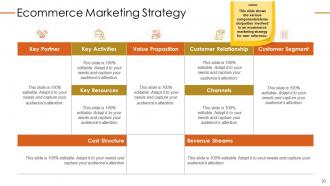
Slide 10: This slide shows the various components/elements/parties involved in an ecommerce marketing strategy for user reference.
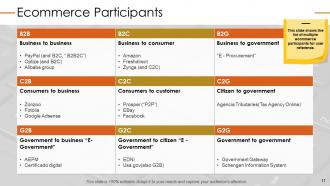
Slide 11: This slide presents the list of multiple ecommerce participants for user reference.
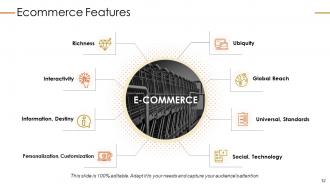
Slide 12: This slide displays Ecommerce Features describing- Richness, Interactivity, Information, Destiny, Personalization, Customization, Ubiquity, Global Reach, Universal, Standards, Social, Technology.
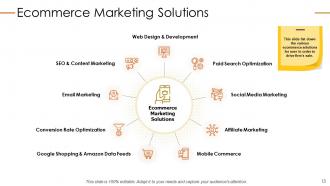
Slide 13: This slide list down the various ecommerce marketing solutions for user in order to drive firm’s sale.
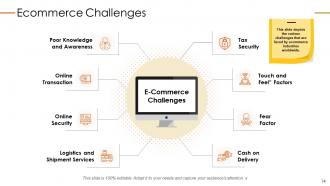
Slide 14: This slide depicts the various challenges that are faced by ecommerce industries worldwide.
Slide 15: This is Our Mission slide with related imagery and text.
Slide 16: This is Our Best Team slide with names and designation.
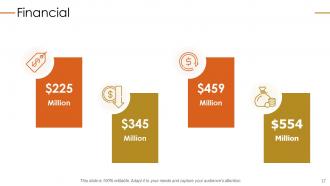
Slide 17: This is a Financial slide. Show your finance related stuff here.
Slide 18: This is Our Goal slide. Show firm's goals here.
Slide 19: This is a Puzzle slide with text boxes.
Slide 20: This is a Venn slide with additional text boxes.
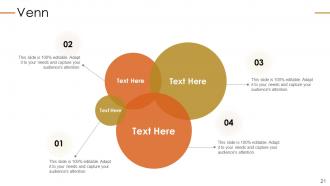
Slide 21: This is an optional Venn slide.
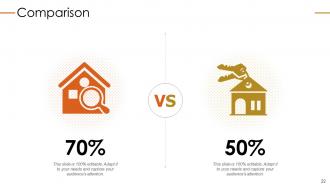
Slide 22: This is a Comparison slide to state comparison between commodities, entities etc.
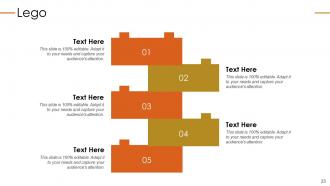
Slide 23: This is a Lego slide with text boxes to show information.
Slide 24: This is a Thank you slide with address, contact numbers and email address.
Online Business Market Overview Powerpoint Presentation Slides with all 24 slides:
Our Online Business Market Overview Powerpoint Presentation Slides compensate for any shortfall. Make your package a presentable whole.






FAQs for Online Business Market Overview
Honestly, AI integration is everywhere right now - businesses are automating customer service, content creation, you name it. Subscription models keep growing too. Social commerce is insane though, like TikTok Shop basically turned scrolling into shopping. People want personalized experiences but also eco-friendly options, which is kind of a tricky balance. Remote work tools are still huge since the pandemic (obviously). Mobile-first is non-negotiable if you're starting something new. Oh, and definitely look into AI early on - it'll save you so much time with operations once you get it set up right.
Dude, e-commerce has totally flipped the script for traditional retail. Most brick-and-mortar stores are either scrambling to go omnichannel or they're dying - seriously, have you been to a mall lately? It's depressing. The smart ones turned their stores into showrooms or pickup spots instead of just selling stuff. They're dumping tons of money into online platforms and delivery to keep up. Honestly, if you're doing traditional retail now, you're basically running a tech company that sells products on the side. That's just the reality.
Honestly, social media is where your customers are living these days. They're scrolling, finding new stuff, and deciding what to buy right there on the apps. It's way cheaper than old-school ads too. Plus if you nail your content, the organic reach can be insane - I've seen random brands blow up on TikTok literally overnight. But here's the thing, don't spread yourself too thin trying to post everywhere. Pick like 1-2 platforms where your people actually hang out and focus there. You'll build real connections through comments and DMs instead of just shouting into the void.
Honestly, just stick with content marketing and social media when you're starting out. They're cheap and you'll actually connect with people instead of just throwing money around. Yeah, SEO matters too but that's more of a long game thing. Email marketing has crazy good ROI once you get people subscribing - I was shocked when I saw those numbers. Paid ads? They'll drain your budget super fast if you don't know what you're doing yet. Build up your organic stuff first so you actually understand your customers. Then maybe add some paid later. Oh and don't try to do everything - pick like 2-3 things and nail those instead.
Okay so three main things to focus on: keyword research, content, and local SEO stuff. First figure out what people actually type into Google - I usually just start typing in the search bar and see what pops up, or use their free keyword tool. Blog about those topics consistently. Local SEO is honestly where most small businesses mess up - grab your Google Business listing and make sure your address/phone number matches everywhere online. It's kinda boring work but it pays off. I'd start with maybe one blog post weekly and fix your current pages first before going crazy with new content.
Dude, just go with Shopify, WooCommerce, or Squarespace honestly. Shopify's super beginner-friendly - pick a template, boom, you're selling stuff. Gets expensive with all the fees though, which kinda sucks. If you're already into WordPress, WooCommerce gives you tons of control but you'll actually need to know what you're doing. Squarespace looks gorgeous but you can't customize much. I spent way too long researching this when I started my thing last year. Most people just overthink it - grab Shopify for easy mode or WooCommerce if you like tinkering. You can switch later anyway.
Yeah so it totally depends on what industry you're dealing with. E-commerce people just want their stuff fast and hassle-free returns. SaaS customers? They're way more focused on reliability and decent support when things break. Social media is weird though - users will put up with almost anything if you're fun enough to scroll through. Fintech is the complete opposite - security and being upfront about everything matters most there. Oh and here's the thing that always surprises people: strategies that crush it in one space often flop hard in another. You really gotta dig into what actually bugs your specific customers before building anything.
Honestly, you need to keep an eye on AI personalization and voice shopping - that stuff's getting crazy accurate. People are buying more through Alexa now, especially boring repeat stuff like detergent. AR is huge too since customers can try things virtually and return way less. Oh, and social commerce is everywhere - my sister literally bought shoes from a TikTok ad last week. Instagram checkout is wild. I'd probably start with a basic chatbot or maybe test some Instagram posts with purchase links? Don't go crazy expensive right away.
Dude, you absolutely need mobile optimization or you're screwed. Most people shop on their phones now - like 60% or something crazy like that. Google even ranks mobile-friendly sites higher in searches. My buddy learned this the hard way when his store tanked because it looked awful on phones. People won't stick around if your site loads slow or they can't tap buttons easily. Test it on different devices first. Then work on speed and making everything easy to navigate with thumbs. Trust me on this one.
Honestly, cash flow will probably kill you before anything else does. Customer acquisition costs are insane those first few months - like way worse than you think. Finding your actual target audience is tough too when you're just some random new brand nobody trusts yet. You'll be drowning in boring operational stuff - payment systems, inventory, shipping logistics. Oh and you have to do literally everything yourself since hiring people isn't happening anytime soon. My biggest tip? Pick one thing your product does really well and nail that first. Don't try solving everyone's problems right away.
Dude, privacy stuff is literally making companies flip their entire data strategy upside down. Customers aren't clueless anymore - they actually know what's happening with their info. So now businesses are dumping money into better consent forms, clearer policies, way more secure storage. That whole "break things fast" Silicon Valley vibe? Doesn't work when you're dealing with someone's personal data, trust me. Companies that don't get this are losing customers left and right, plus getting smacked with huge fines. Honestly, smart businesses are turning privacy into their selling point instead of just checking boxes.
Honestly, just focus on the basics first. Conversion rate, customer acquisition cost, and lifetime value - those three will tell you way more than any fancy dashboard. Revenue growth is obvious but churn rate matters too if you've got repeat customers. I used to obsess over follower counts until I realized they mean basically nothing for actual sales. Monthly active users is solid though. Oh, and profit margins - because making money without keeping any of it is just... yeah, don't do that. You can always layer on more specific stuff once you nail these fundamentals.
Honestly, just be real with people - that's like 90% of it. Post actual customer reviews, including the meh ones. Make your return policy super clear and actually answer when customers hit you up with problems. Your site needs to look legit but don't go all corporate-y because people see right through that fake stuff. Do what you say you'll do, when you said you'd do it. Oh, and the brands killing it right now? They show behind-the-scenes content and own their screwups. I'd start by looking at where customers get frustrated most and fix those things first.
Honestly? Southeast Asia and Latin America are where it's at right now. Indonesia, Vietnam, Brazil, Mexico - all these places have growing middle classes getting online but aren't totally saturated with e-commerce yet. India's massive too, but man, the competition there is brutal these days. What's cool is you've got people with more spending money just starting to shop online, plus the internet infrastructure is finally catching up. Oh, and definitely go mobile-first since most folks there never even used desktop. You'll want to dig into local payment methods and shipping partners for whatever region fits your product best.
Yeah so subscription models totally mess with people's heads in weird ways. Instead of just buying something once, customers start overthinking whether they'll actually use it monthly. They get super picky upfront. But here's the thing - once they're subscribed, canceling feels like losing something they already own, which is kinda manipulative if you think about it. The psychology is wild though. For your business, you gotta crush that first impression of value, then keep delivering consistently or people will bail fast.
No Reviews