

Internet marketing powerpoint presentation slides





Try Before you Buy Download Free Sample Product
 Impress Your
 Audience
 100%
100% Editable
 Save Hours
 of Time


Want to strategize your online marketing? Our professional team has created pre-designed internet marketing PowerPoint presentation slides. This content ready well created digital advertising PPT templates cover topics like marketing objectives, e-mail marketing, blogging, pay per click advertising, social media marketing, digital promotion, performance overview, weekly/monthly/yearly performance, search engine optimization, website performance review, monthly traffic source overview, organic visits and backlinks, web traffic insights, lead generation activities, paid search analytics and many more. Online publicity presentation graphics gives company owners the freedom to promote their products or services and generate instant response. Not only this, by using these online marketing PowerPoint graphics, you can also represent various other topics like social channel promotion, promotional communication, business branding, company promotion, company marketing, brand awareness, online advertising, content selling, display advertising, influencer promoting etc. So without waiting anymore, download our internet marketing presentation PPT layout and give a boost to your products and services. Adjust the data as you desire with our Internet Marketing Powerpoint Presentation Slides. Your ideas acquire a great degree of accuracy.
People who downloaded this PowerPoint presentation also viewed the following :
Content of this Powerpoint Presentation
Slide 1: This slide showcases Internet Marketing Concepts and Strategies. State your company name and begin.
Slide 2: This slide presents Agenda. Add the company agenda and use it.
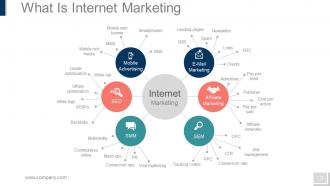
Slide 3: This slide showcases What Is Internet Marketing?
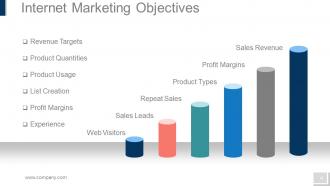
Slide 4: This slide presents Internet Marketing Objectives with these of the main characteristics- Revenue Targets, Product Quantities, Product Usage, List Creation, Profit Margins, Experience, Sales Revenue, Profit Margins, Product Types, Repeat Sales, Sales Leads, Web Visitors.
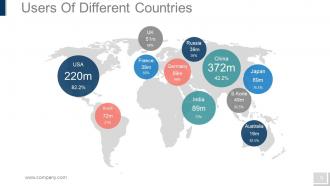
Slide 5: This slide presents Users Of Different Countries.
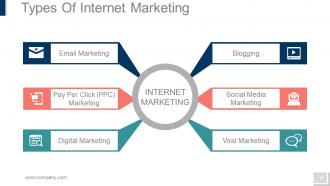
Slide 6: This slide showcases Types Of Internet Marketing with these of the categories- Email Marketing, Digital Marketing, Blogging, Social Media Marketing, Viral Marketing, Pay Per Click (PPC) Marketing.
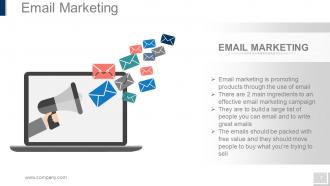
Slide 7: This slide presents Email Marketing with which further represent the information.
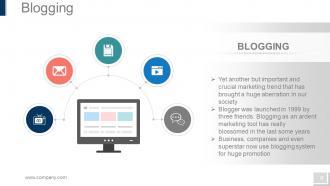
Slide 8: This slide showcases Blogging. You can add the blogging and add the information.
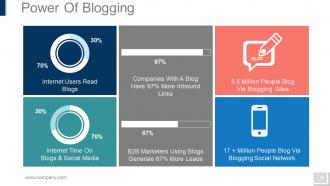
Slide 9: This slide shows Power Of Blogging.
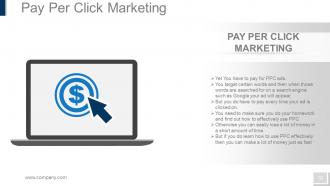
Slide 10: This slide presents Pay Per Click Marketing.
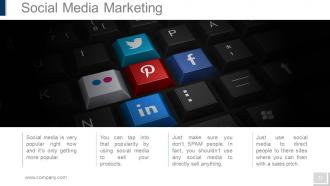
Slide 11: This slide showcases Social Media Marketing with these of the social networking imagery background.
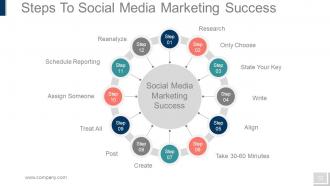
Slide 12: This slide presents Steps To Social Media Marketing Success with these of the stesp- Reanalyze, Only Choose, Schedule Reporting, State Your Key, Assign Someone, Write, Treat All, Align, Post, Take 30-60 Minutes, Create, Research, Social Media Marketing Success.
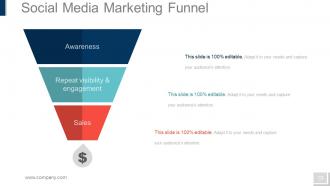
Slide 13: This slide showcases Social Media Marketing Funnel with these three of the steps- Sales, Repeat visibility & engagement, Awareness.
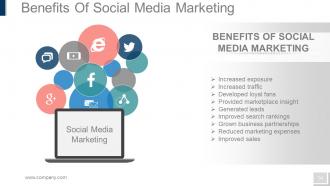
Slide 14: This slide showcases benefits of Social Media Marketing with these of the Increased exposure, Increased traffic, Developed loyal fans, Provided marketplace insight, Generated leads, Improved search rankings, Grown business partnerships, Reduced marketing expenses, Improved sales, Social Media Marketing.
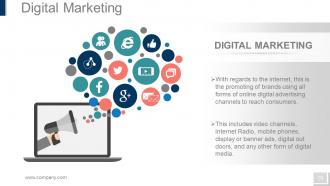
Slide 15: This slide showcases Digital Marketing. Add the details of the digital marketing and use it.
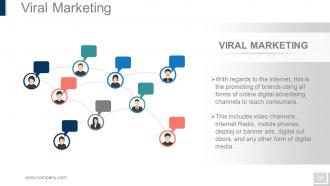
Slide 16: This slide shows Viral Marketing. You can use this to show up the viral marketing techniques and process.
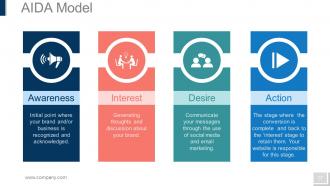
Slide 17: This slide presents AIDA Model with these of the four characteristics- Awareness, Interest, Desire, Action.
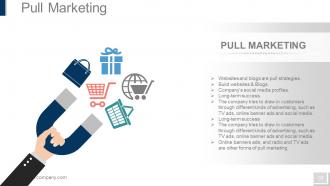
Slide 18: This slide showcases Pull Marketing in which you can use the few of the stages- Websites and blogs are pull strategies, Build websites & Blogs, Company’s social media profiles, Long-term success, Online banners ads, and radio and TV ads are other forms of pull marketing,
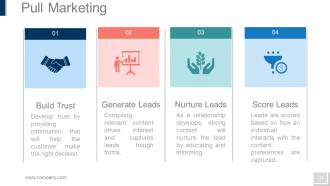
Slide 19: This slide presents Pull Marketing with these of the four different kind of categories- Generate Leads, Nurture Leads, Score Leads, Build Trust.
Slide 20: This slide showcases Push Marketing with a loudspeaker imagery.
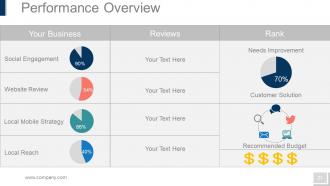
Slide 21: This slide presents Performance Overview with these of the different Rank, Needs Improvement, Customer Solution, Recommended Budget, Reviews, Your Business, Local Mobile Strategy, Local Reach, Social Engagement, Website Review.
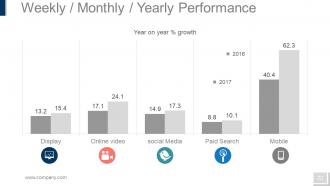
Slide 22: This slide presents Weekly / Monthly / Yearly Performance.
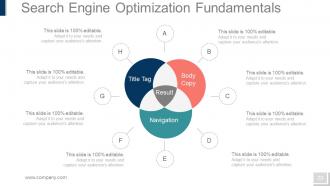
Slide 23: This slide showcases Search Engine Optimization Fundamental with these four of the main categorization- Title Tag, Body Copy, Navigation, Result.
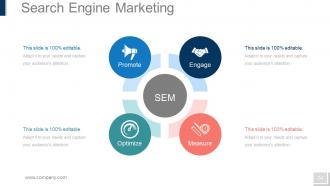
Slide 24: This slide presents Search Engine Marketing which further showcases SEM Promote, Engage, Measure, Optimize.
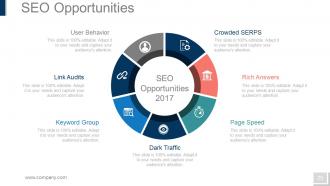
Slide 25: This slide shows SEO Opportunities with these of the different analysis steps- User Behavior, Crowded SERPS, Link Audits, Keyword Group, Rich Answers, Page Speed, Dark Traffic.
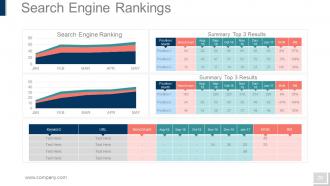
Slide 26: This slide presents Search Engine Rankings with which you can add the details.
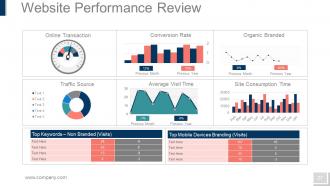
Slide 27: This slide shows Website Performance Review with these of the parameters- Online Transaction, Conversion Rate, Previous Month, Previous Year, Organic Branded, Previous Month, Previous Year, Average Visit Time, Previous Year, Traffic Source, Site Consumption Time.
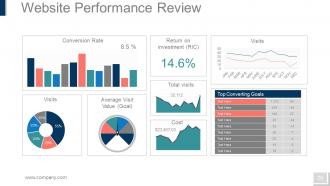
Slide 28: This slide presents Website Performance Review.
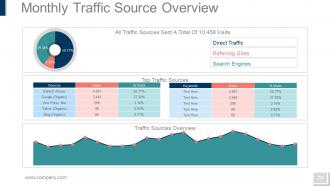
Slide 29: This slide showcases Monthly Traffic Source Overview with these of the various factors- Top Traffic Sources, Direct Traffic, Referring Sites, Search Engines, Traffic Sources Overview.
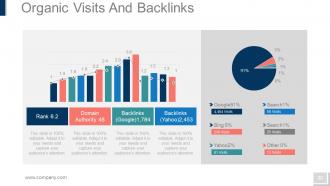
Slide 30: This slide presents Organic Visits And Backlinks.
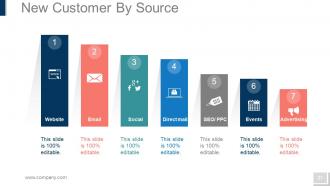
Slide 31: This slide showcases New Customer By Source with these important parameters- Advertising, Events, SEO/ PPC, Direct mail, Social, Email, Website.
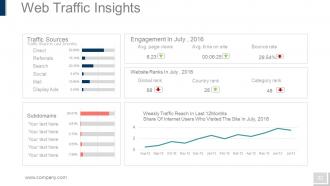
Slide 32: This slide shows Web Traffic Insights.
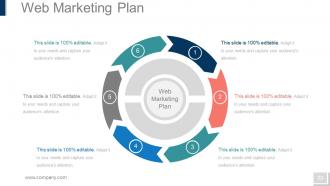
Slide 33: This slide showcases Web Marketing Plan.
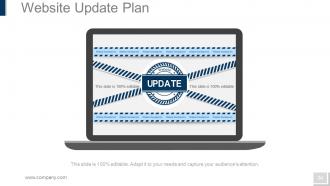
Slide 34: This slide presents Website Update Plan with the six steps of circular diagram.
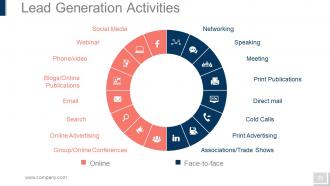
Slide 35: This slide shows Lead Generation Activities with these of the factors- Print Advertising, Cold Calls, Meeting, Print Publications, Speaking, Direct mail, Networking, Associations/Trade Shows, Webinar, Group/Online Conferences, Online Advertising, Search, Email, Phone/video, Social Media, Blogs/Online Publications Face-to-face, Online.
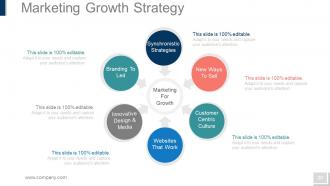
Slide 36: This slide presents Marketing Growth Strategy with these of the seven important factors- Marketing For Growth, Branding To Led, Innovative Design & Media, Websites That Work, Customer Centric Culture, New Ways To Sell, Synchronistic Strategies.
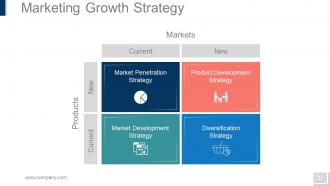
Slide 37: This slide presents Marketing Growth Strategy with quadrant and four of the major concerns- Diversification Strategy, Market Development Strategy, Product Development Strategy, Market Penetration Strategy.
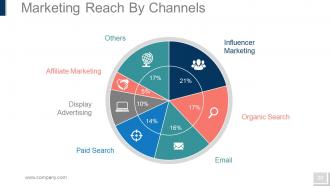
Slide 38: This slide showcases Marketing Reach By Channels with these of the following seven important channels- Organic Search, Email, Influencer Marketing, Paid Search, Display Advertising, Affiliate Marketing, Others.
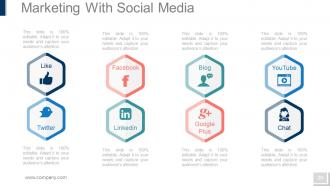
Slide 39: This slide presents Marketing With Social Media.
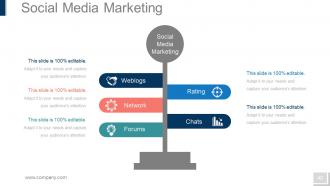
Slide 40: This slide showcases Social Media Marketing with these five of the considered five factors- Rating, Chats, Weblogs, Network, Forums.
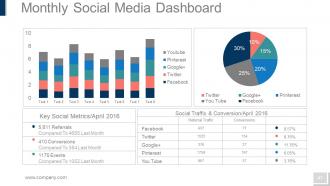
Slide 41: This slide shows Monthly Social Media Dashboard and also includes Key Social Metrics.
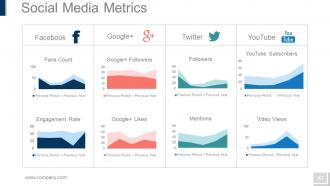
Slide 42: This slide presents Social Media Metrics with four of the prospects.
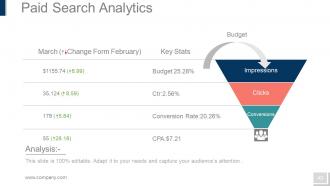
Slide 43: This slide showcases Paid Search Analytics.
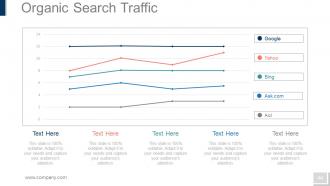
Slide 44: This slide presents Organic Search Traffic these of the main four search engines- Google, Yahoo, Bing, Ask.com, Aol.
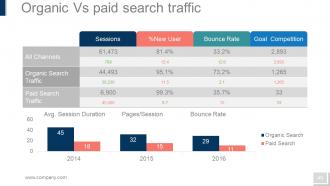
Slide 45: This slide showcases Organic Vs paid search traffic with these of the various Avg. Session Duration, Pages/Session, Bounce Rate, Sessions, Bounce Rate, Goal Competition.
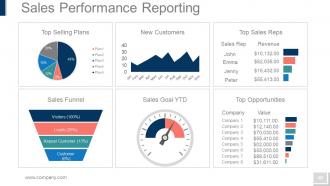
Slide 46: This slide presents Sales Performance Reporting.
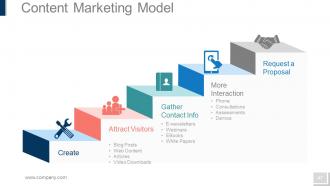
Slide 47: This slide showcases Content Marketing Model with different steps and stages.
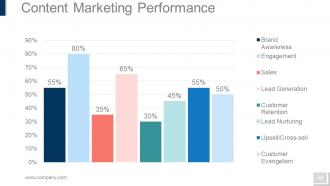
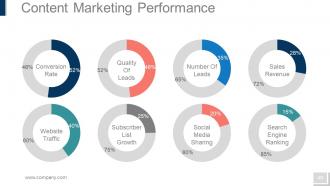
Slide 48: This slide presents Content Marketing Performance.
Slide 49: This slide showcases Content Marketing Performance with these different parameters- Sales Revenue, Search Engine Ranking, Social Media Sharing, Number Of Leads, Subscriber List Growth, Quality Of Leads, Website Traffic, Conversion Rate.
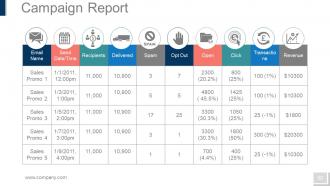
Slide 50: This slide presents Campaign Report.
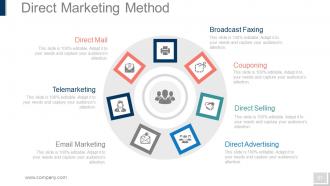
Slide 51: This slide showcases Direct Marketing Method with these of the following stages- Broadcast Faxing, Couponing, Direct Selling, Direct Advertising, Email Marketing, Telemarketing, Direct Mail.
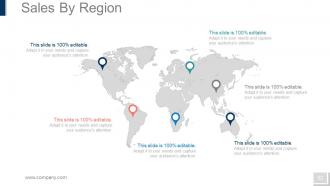
Slide 52: This slide showcases Sales By Region.
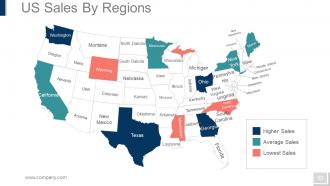
Slide 53: This slide presents US Sales By Regions.
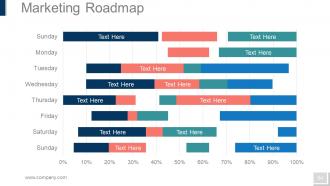
Slide 54: This slide showcases Marketing Roadmap.
Slide 55: This slide is titled Additional slides to proceed forward.
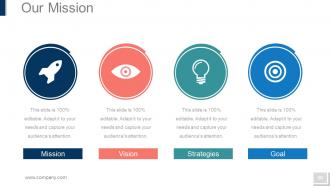
Slide 56: This is Our mission slide with imagery and text boxes to go with.
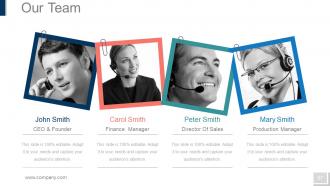
Slide 57: This is Our team slide with names and designation.
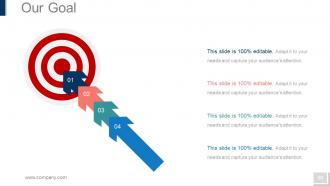
Slide 58: This is an Our Goal slide. State your important goals here.
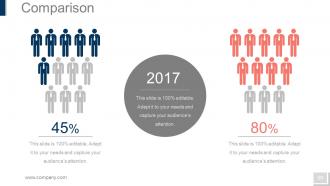
Slide 59: This slide shows Comparison of Positive Factors v/s Negative Factors with thumbsup and thumb down imagery.
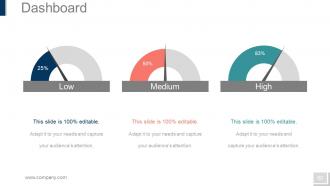
Slide 60: This is a Dashboard slide to show- Strategic System, Success, Goal Process, Sales Review, Communication Study.
Slide 61: This is a Thank You image slide with Address, Email and Contact number.
Internet marketing powerpoint presentation slides with all 61 slides:
Advocate the development of green habits with our Internet Marketing Powerpoint Presentation Slides. Encourage folks to have an eco-friendly attitude.

FAQs for Internet marketing
You'll want to nail down SEO first so people can actually find you, then focus on creating content that doesn't suck. Social media matters, but only hit the platforms where your people actually are - don't waste time on TikTok if you're selling accounting software to 50-year-olds. Email marketing is huge for staying in touch directly. Paid ads can get you quick results if you've got budget. Analytics are non-negotiable though - seriously, you can't improve what you don't measure. The trick is making everything work together instead of treating them like separate projects. Start with maybe 2-3 things you can actually do well.
Honestly, just focus on the basic ROI math first - (revenue - cost) / cost × 100. Get conversion tracking set up in Google Analytics so you can see what's actually making you money, not just getting clicks. Email marketing is usually way better ROI than paid ads, just saying. Don't go crazy with metrics right away though. Pick like 2-3 things to watch - maybe cost per acquisition and conversion rates. You can always add more data later. Oh, and definitely look at customer lifetime value since some campaigns bring tons of cheap customers who barely spend anything.
So SEO is just making your site show up when people Google stuff you sell. You research what your customers actually type in, then build content around those words. Fix your site structure too, get some decent backlinks - search engines will bump you up higher. Think of it like... you know how some stores are right on Main Street and others are hidden behind a gas station? Better SEO = Main Street visibility. More people clicking through to your site. Honestly the keyword research part is kinda tedious but it's where you gotta start.
Honestly, consistency is everything - but don't just post and disappear. Actually talk to people who comment, ask questions in your captions. Behind-the-scenes stuff performs way better than polished posts anyway. Stories and reels are getting crazy reach right now, so focus there. The algorithm basically rewards anything that keeps people engaged longer. Oh, and trends are huge but only if they actually make sense for your brand. I'd pick maybe two platforms max and nail those first - spreading yourself everywhere just makes everything mediocre.
Honestly, interactive stuff is where it's at right now - polls, quizzes, live Q&As get insane engagement. Video's still huge obviously, but the polished corporate thing is kinda dead. People want messy behind-the-scenes content from actual employees, not marketing fluff. AI personalization is working really well too, like customizing posts based on what users actually click on. Oh and community building - discussion threads, user-generated campaigns, that whole thing. I'd pick one interactive format and just test it this month. See what sticks, you know?
Okay so three things that'll actually move the needle on your email conversions: personalization (use their name, segment your lists by behavior), timing (Tuesday-Thursday mornings are solid but test your specific audience), and crystal clear CTAs. Your subject lines should stay under 50 characters. Make those buttons pop visually too. Honestly though? A/B test literally everything. Subject lines, button colors, email length - whatever. I got weirdly obsessed with testing send times last month and discovered our audience loves Sunday evenings for some reason. Start with one element per campaign and see what clicks. Don't go crazy testing five things at once or you'll never know what worked.
Honestly, just nail one clear thing above the fold - what you're selling and why they need it right now. Your headline should focus on benefits, not boring features. Remove the nav menu (I know, sounds crazy but it works). Testimonials or client logos near your button help tons. Speaking of buttons - make yours pop with contrast colors. Short forms only! Ask for the bare minimum. Oh, and this is huge - your page copy needs to match whatever brought them there. Like if your ad says "free trial," your landing page better say that too. Test different headlines because you'll be surprised what actually converts.
So basically you bid on keywords and your ads pop up when people search for them. Only pay when someone actually clicks though, which is pretty cool. Google or Facebook runs these mini auctions every time someone searches - your bid matters but so does how good your ad is. Honestly, don't go crazy with spending at first. Pick super specific keywords that match what you're selling, set a small daily budget, and see what actually gets people to buy. You can always throw more money at it later once you know what works.
So here's the deal with influencer marketing - it gets your brand in front of people who already trust that person's opinion. Their followers don't see it as an ad, which is huge. You're basically piggybacking on someone else's credibility and audience. Pretty smart, right? The trick is finding influencers whose followers actually match your target market. I'd honestly start with micro-influencers instead of the big names - they usually have way better engagement rates and won't cost you a fortune. Plus their audiences tend to be more genuine.
Okay so first thing - ditch the vanity metrics like followers. Focus on what actually matters: conversion rates, customer acquisition costs, lifetime value. Google Analytics is your best friend here, plus whatever insights your social platforms give you. I used to drown in all the random data until I figured this out lol. Set up proper conversion tracking so you know which channels bring actual sales vs just eyeballs. Then A/B test everything - ad copy, landing pages, email subject lines. Make small tweaks weekly instead of massive overhauls monthly. Honestly? Pick one platform, nail its analytics first, then branch out.
Dude, you NEED mobile optimization - like 60% of people browse on their phones now. Google's algorithm literally favors mobile-friendly sites too. Think about it this way: if your site sucks on mobile, you're losing half your potential customers before they even see what you're selling. That's just dumb business honestly. Mobile users are impatient as hell and want everything to load instantly. Can't navigate easily? They'll bounce in seconds. My advice? Pull up your site on your phone right now and see how janky it looks. Fix whatever's broken or slow.
So basically A/B testing is just comparing two versions of your campaigns to see what actually works. You can test subject lines, ad copy, buttons, send times - pretty much anything on Facebook, Google, whatever platform. I was honestly blown away when tiny tweaks boosted my conversion rates like 20-30% the first time. Only change one thing at a time though, otherwise you won't know what made the difference. Oh and start with your biggest campaigns first since you'll get results faster, then just roll out whatever wins.
Okay so basically - be transparent about sponsored stuff, don't collect data without telling people, and cut out those sketchy dark patterns that trick users into purchases. Privacy matters too. Some brands are honestly just sleazy with their tactics, but playing fair actually works better long-term anyway. Always honor unsubscribe requests right away (like, immediately), don't spam the hell out of people, and make sure your targeting isn't discriminating against anyone. Oh and here's the thing - if you'd be annoyed by a company doing something to you, probably don't do it to your customers either.
First thing - get that pixel tracking set up on your site. Then build custom audiences around specific actions, like people who ditched their cart or checked out pricing but didn't bite. Facebook and Google make this pretty easy once you figure it out. Here's the thing though - don't just spam the same ad to every visitor. That's amateur hour. Segment your audiences and create different campaigns for each funnel stage. I'd start with cart abandoners since they're already warmed up and way more likely to come back.
Marketing automation is honestly a lifesaver for repetitive stuff - email sequences, social posts, all that tedious work. You can run campaigns around the clock and get way better data tracking. The downside? It feels super impersonal sometimes. Customers totally notice when everything sounds like it came from a template factory. Bad timing or irrelevant messages will annoy people fast. Quality platforms cost serious money too. I'd say start small - pick your most mind-numbing tasks first, then slowly add more while keeping some actual human interaction in the mix. Don't automate everything or you'll lose that personal connection.
-
Editable templates with innovative design and color combination.
-
Nice and innovative design.