E commerce industry overview powerpoint presentation slides
Try Before you Buy Download Free Sample Product
Audience
Editable
of Time
Our content ready E-Commerce Industry Overview Powerpoint Presentation Slides will help you to present all the information in an extremely visual and proficient way. Not just this, you can utilize this online business overview PowerPoint templates to exhibit topics, for example, web-based sales, web-based sales challenges and many others. This internet business description PowerPoint format is planned by exceptionally educated proficient designers. You can use this online business introduction complete deck to show the services and offerings of your products and services to the clients. This e-commerce industry introduction PPT slideshow has different 23 slides like e-commerce industry outline, emerging e-commerce industry trends, e-commerce key growth drivers, e-commerce environment, e-commerce business model, e-commerce marketing strategy, e-commerce participants, e-commerce features, e-commerce challenges, and other additional slides. Download our e-commerce industry overview PowerPoint presentation slides today and attract your onlookers. Weld your thoughts with our e commerce ppt Slides. They will form a strong connection.
People who downloaded this PowerPoint presentation also viewed the following :
Content of this Powerpoint Presentation
Slide 1: This slide introduces Ecommerce Industry Overview. State Your Company Name and begin.
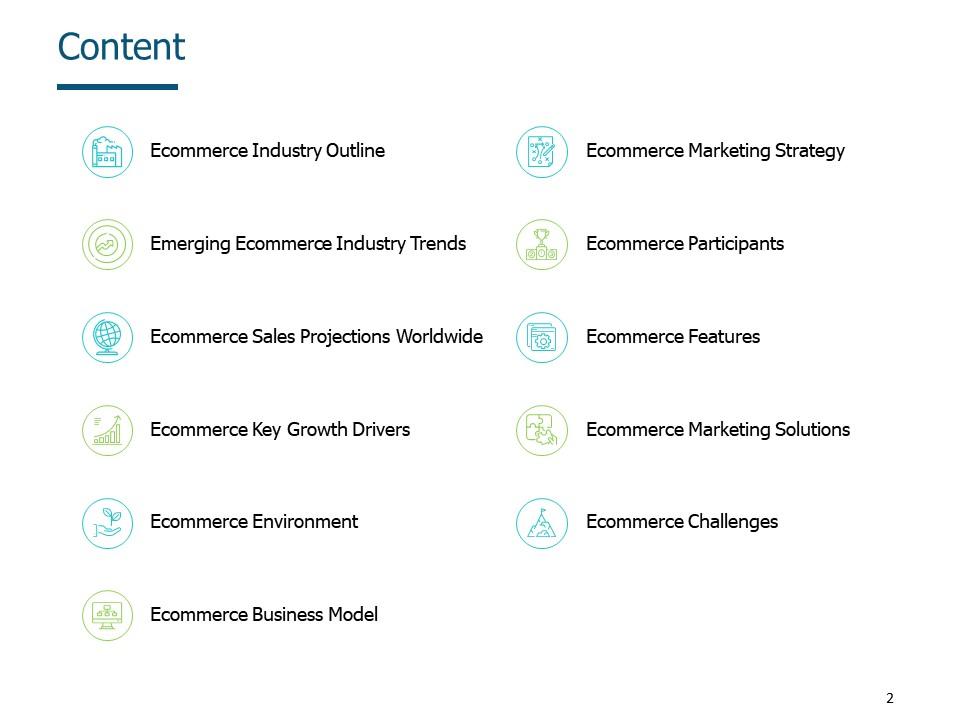
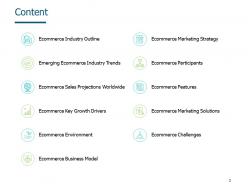
Slide 2: This slide shows Contents of the presentation.
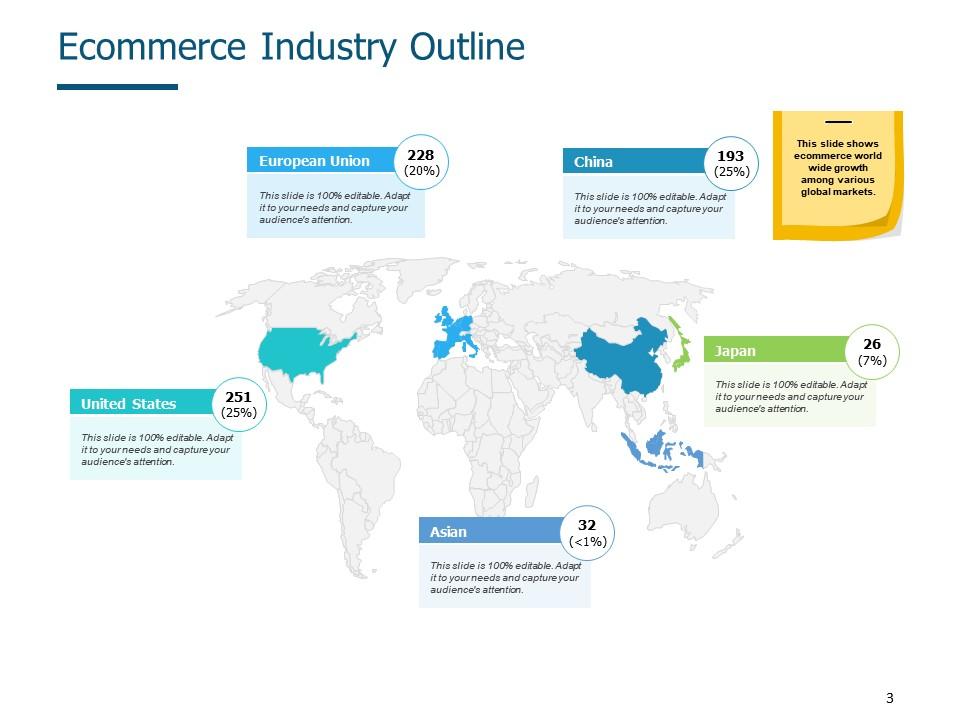
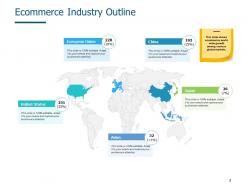
Slide 3: This slide presents Ecommerce Industry Outline to show world wide growth among various global markets.
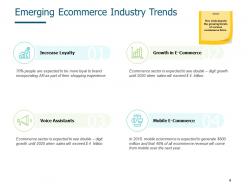
Slide 4: This slide displays Emerging Ecommerce Industry Trends to help in depicting the growing trends of various ecommerce firms.
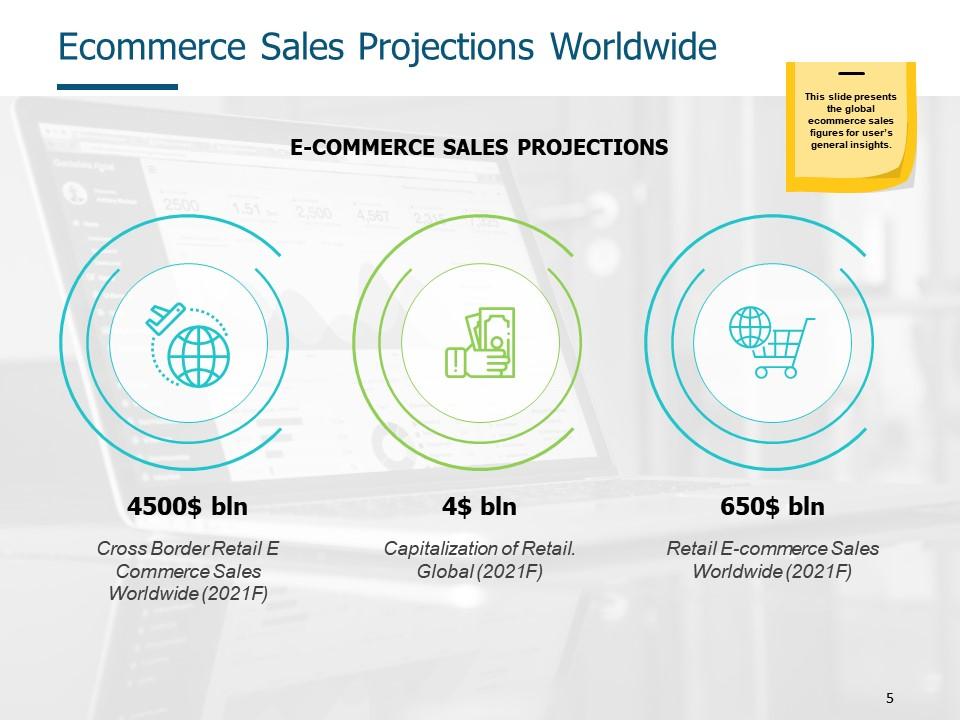
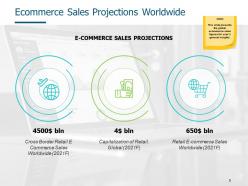
Slide 5: This slide represents Ecommerce Sales Projections Worldwide with sales figures for user’s general insights.
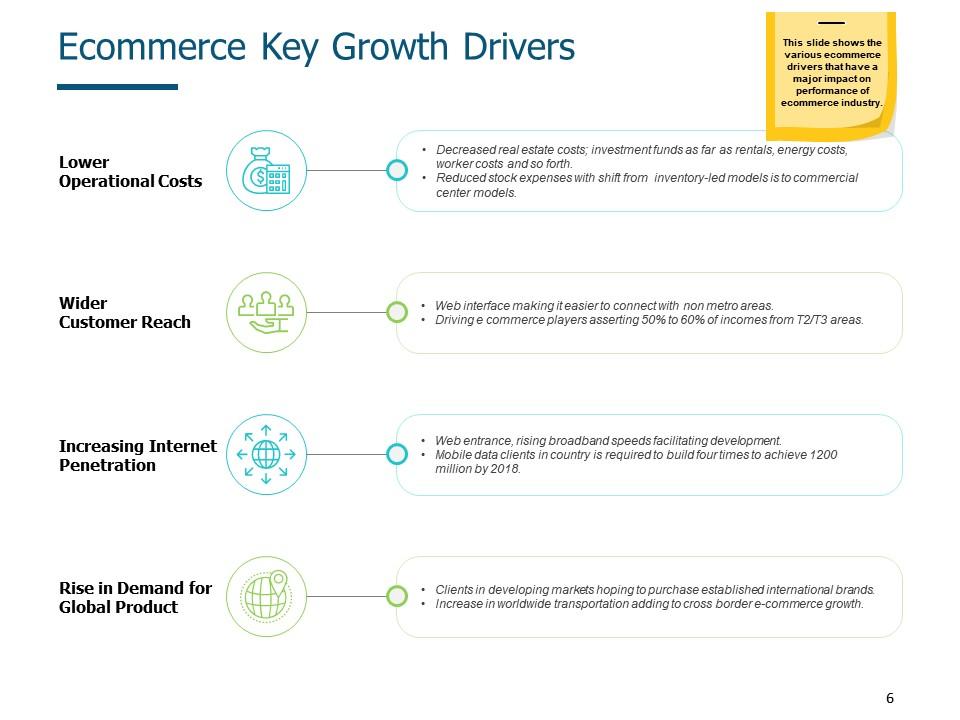
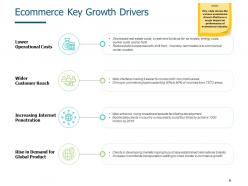
Slide 6: This slide shows the various E-commerce key growth drivers that have a major impact on performance of ecommerce industry.
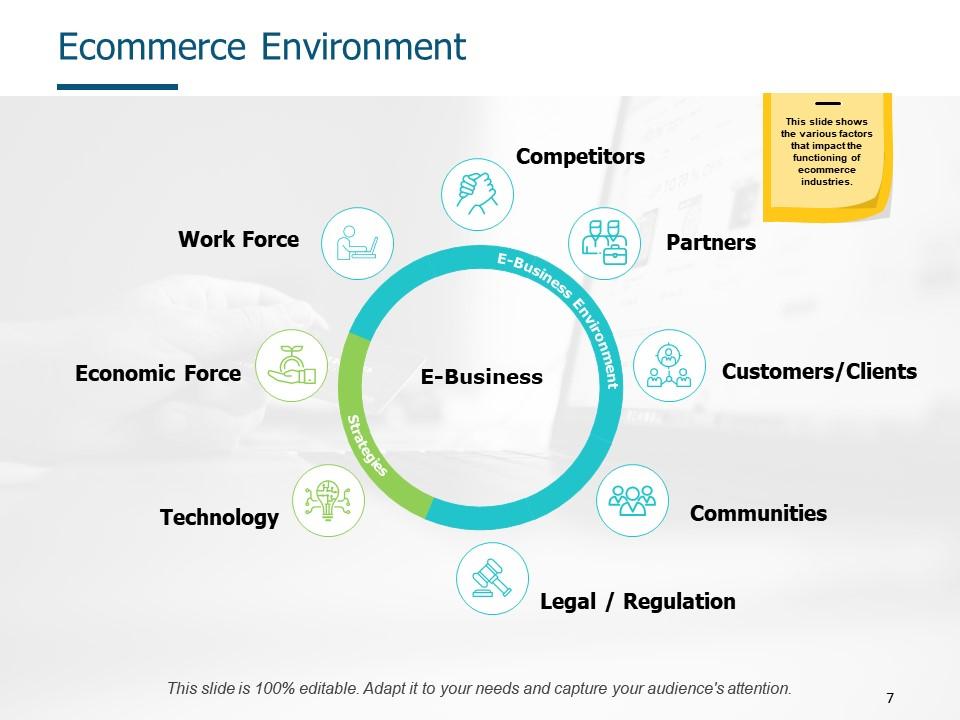
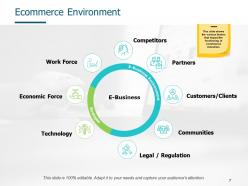
Slide 7: This slide showcases Ecommerce Environment to describe the various factors that impact the functioning of ecommerce industries.
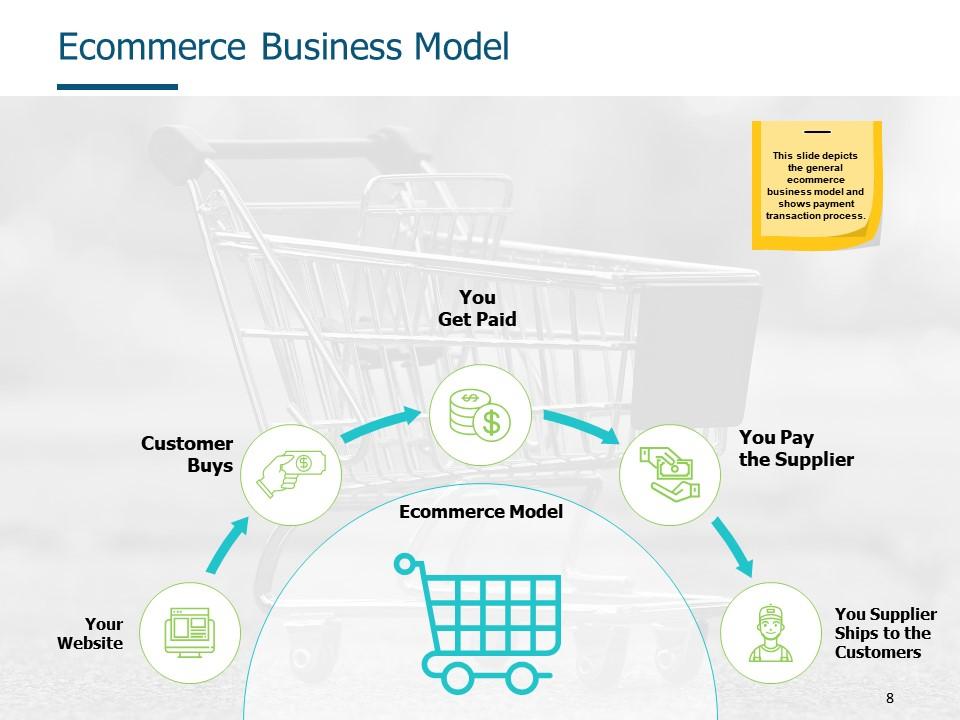
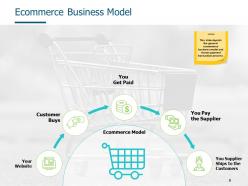
Slide 8: This slide depicts the general E-commerce business model and shows payment transaction process.
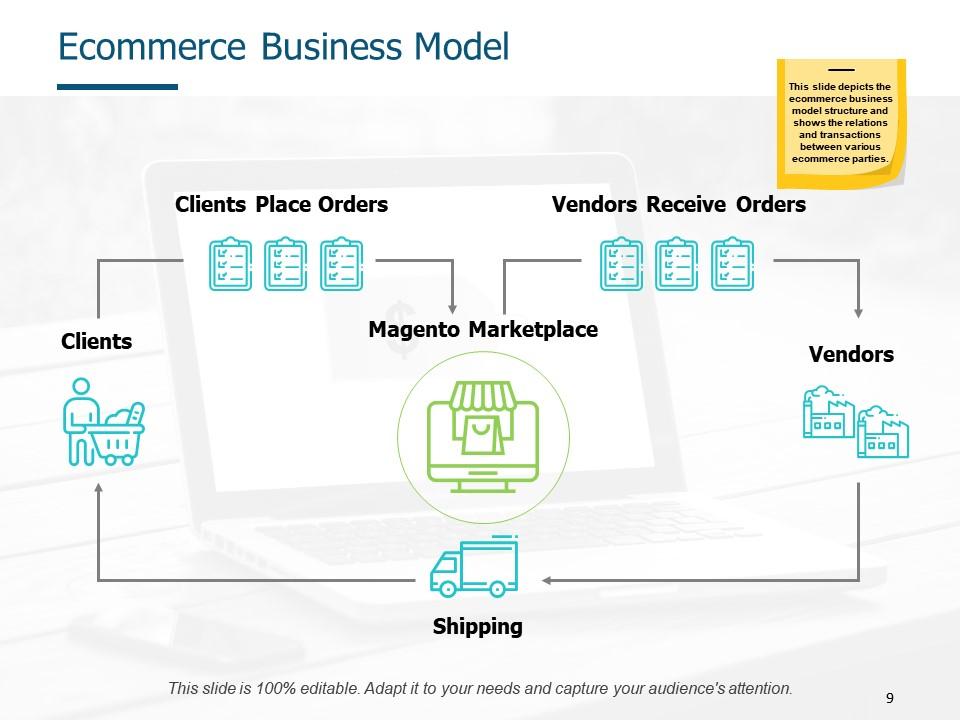
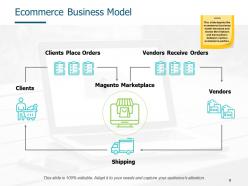
Slide 9: This is an optional slide for Ecommerce Business Model.
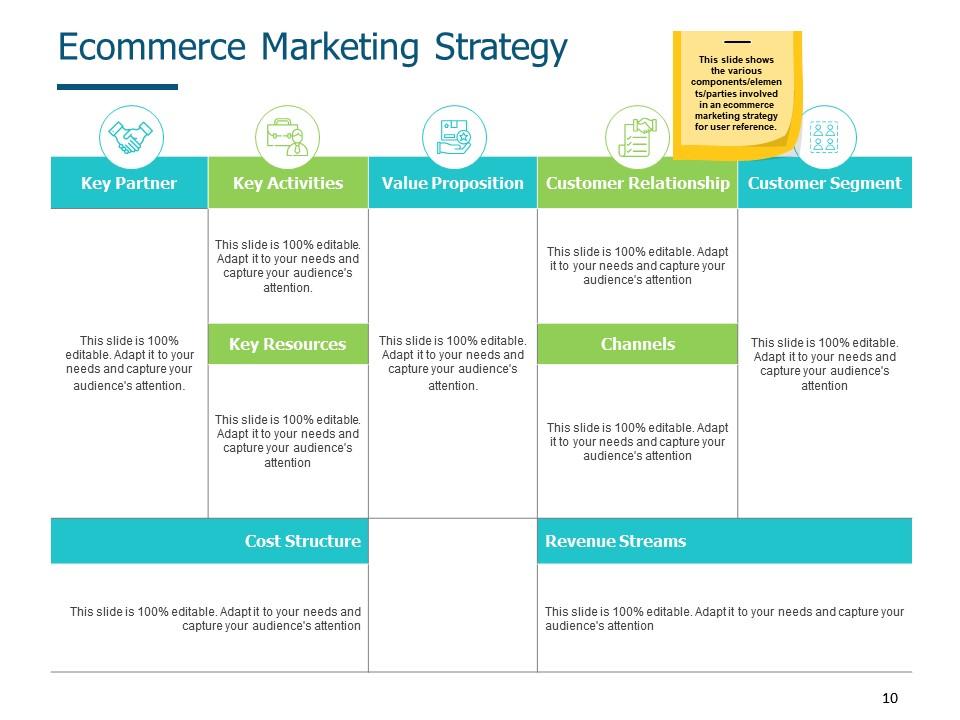
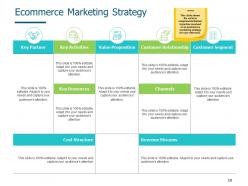
Slide 10: This slide shows the various components/elements/parties involved in an ecommerce marketing strategy for user reference.
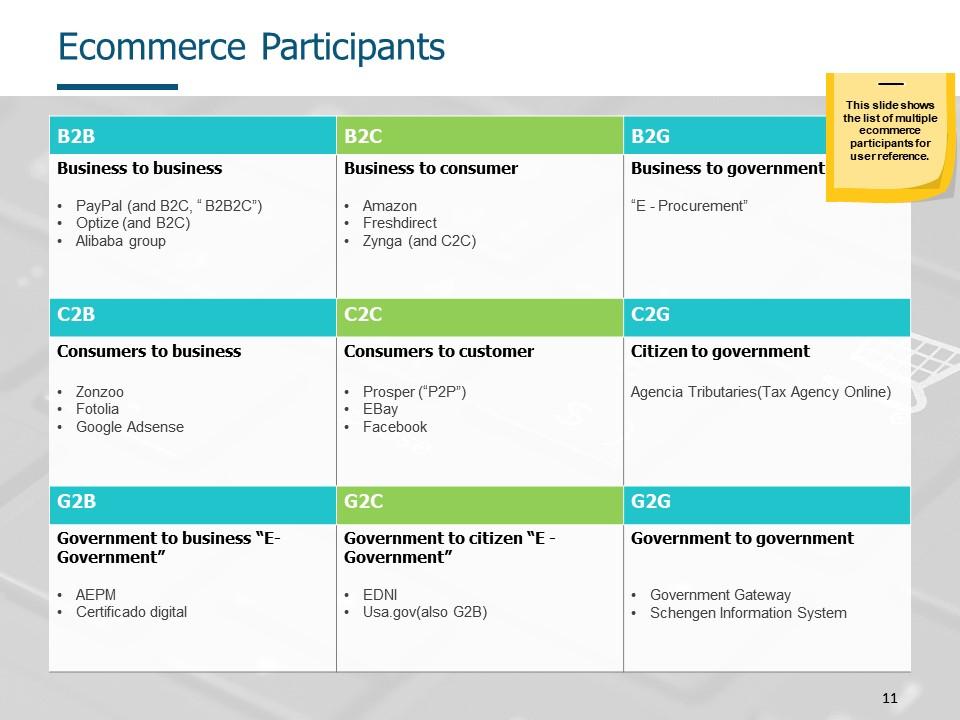
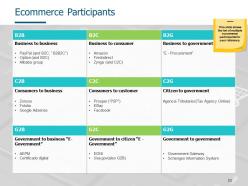
Slide 11: This slide presents the list of multiple ecommerce participants for user reference.
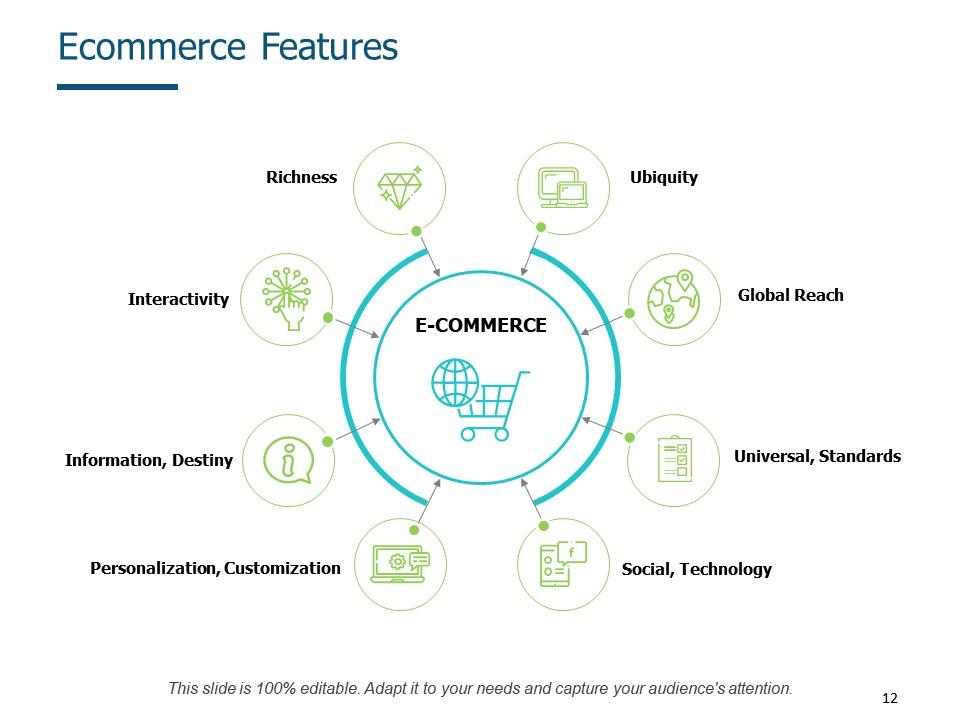
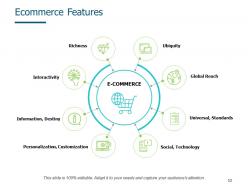
Slide 12: This slide displays Ecommerce Features describing- Richness, Interactivity, Information, Destiny, Personalization, Customization, Ubiquity, Global Reach, Universal, Standards, Social, Technology.
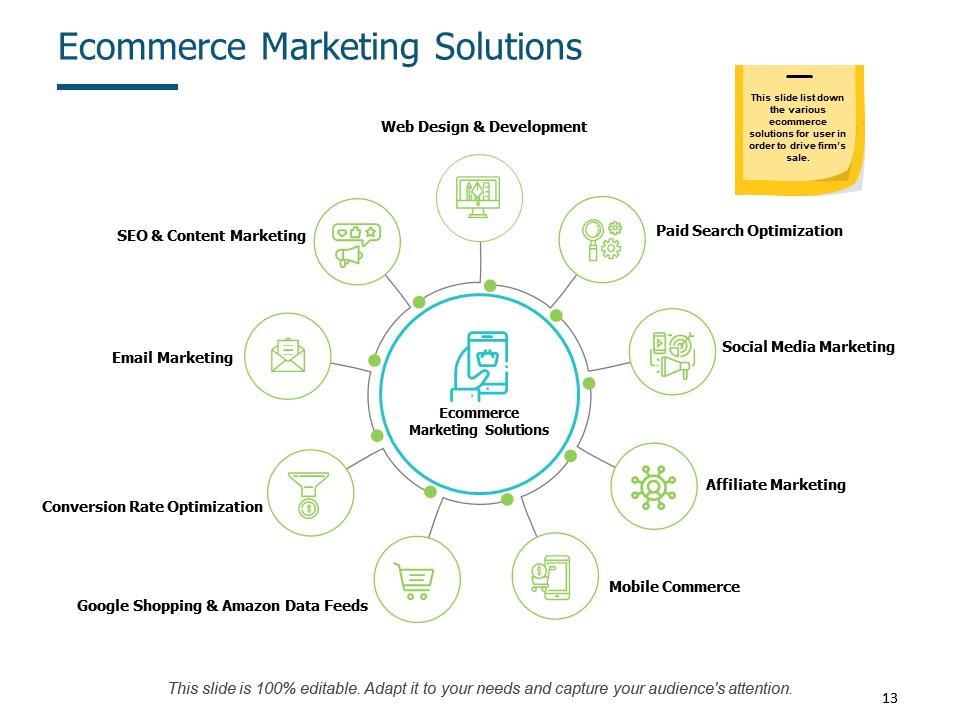
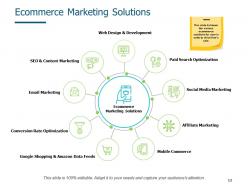
Slide 13: This slide list down the various ecommerce marketing solutions for user in order to drive firm’s sale.
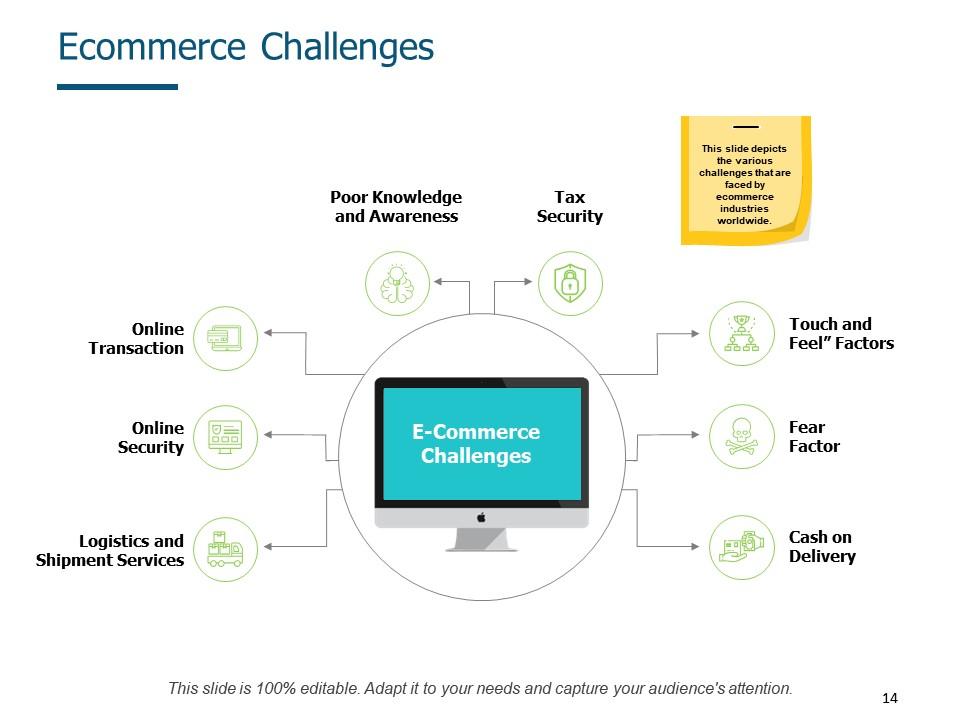
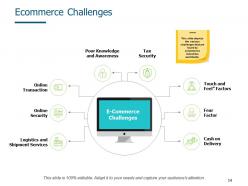
Slide 14: This slide depicts the various challenges that are faced by ecommerce industries worldwide.
Slide 15: This is Our Mission slide with related imagery and text.
Slide 16: This is Our Best Team slide with names and designation.
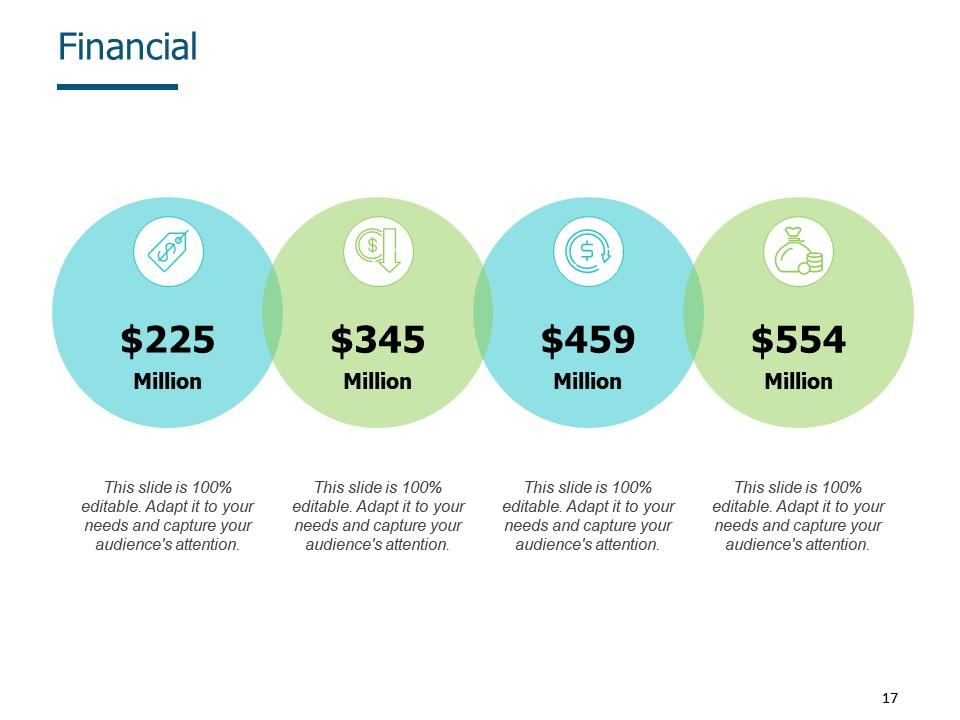
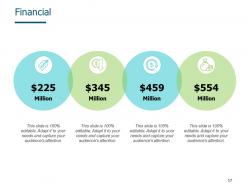
Slide 17: This is a Financial slide. Show your finance related stuff here.
Slide 18: This is Our Goal slide. Show firm's goals here.
Slide 19: This is a Puzzle slide with text boxes.
Slide 20: This is a Venn slide with additional text boxes.
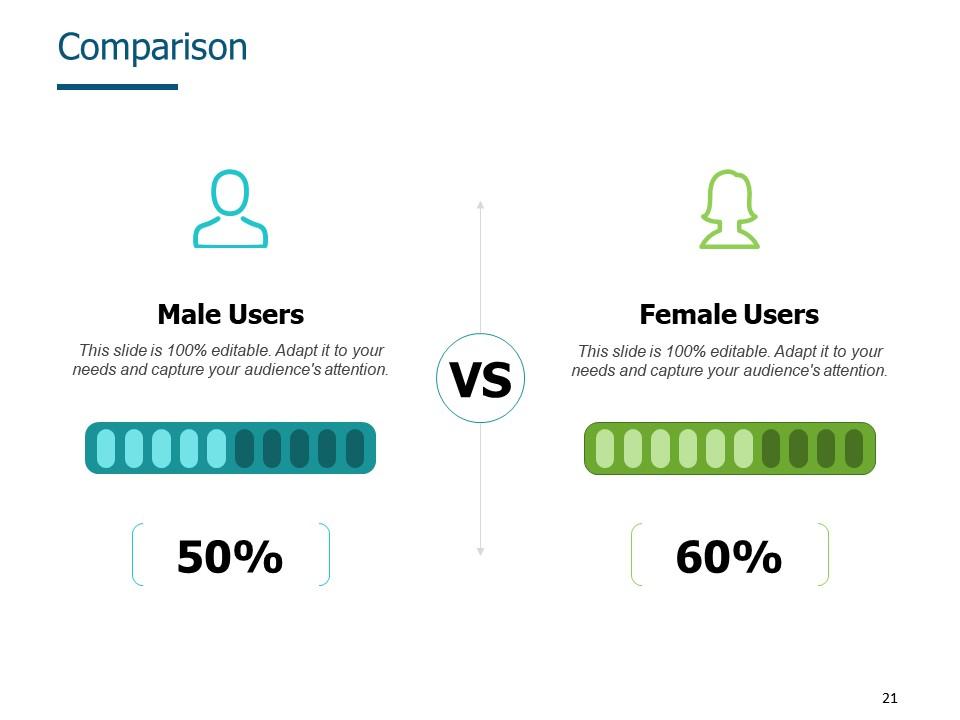
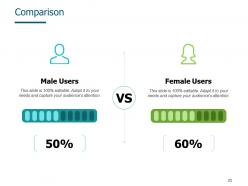
Slide 21: This is a Comparison slide to state comparison between commodities, entities etc.
Slide 22: This is a Lego slide with text boxes to show information.
Slide 23: This is a Thank You slide with address, contact numbers and email address.
E commerce industry overview powerpoint presentation slides with all 23 slides:
Our E Commerce Industry Overview Powerpoint Presentation Slides get the adrenaline flowing. They generate the desire for action.
FAQs for E commerce industry overview
Biggest things I'm seeing right now? AI personalization is huge - customers want stuff tailored to them. Social commerce too, like TikTok Shop making it so easy to buy without leaving the app. My cousin literally does all her shopping through Instagram stories now lol. Subscription models are everywhere, voice shopping's picking up, and everyone's obsessed with sustainable packaging. Oh and mobile-first isn't negotiable anymore. Honestly I'd start with personalization - there are simple AI tools that help even smaller stores recommend products better and actually bump up sales.
Honestly, customer behavior is like your roadmap for everything. People shop on phones constantly now, so mobile optimization becomes priority one. They're price-comparing like crazy (which is kinda exhausting but whatever), meaning you need solid competitive pricing and clear value props. Reviews and testimonials are huge since everyone wants that social proof before buying. Your analytics will show you where people bail during checkout - that's gold right there. I'd say the trick is watching these patterns through A/B tests and tweaking your site design and messaging based on what actually works, not what you think should work.
Dude, you'll literally lose half your sales without mobile optimization - no joke. Most people are shopping on their phones these days. If your site takes forever to load or has those annoying tiny buttons, customers bounce immediately. I made this mistake on my last project and it was painful to watch. Your site needs to load in under 3 seconds. Make the navigation thumb-friendly and checkout super simple. Here's what I do - test it on your own phone first. If it pisses you off to use, your customers will hate it too.
Skip the polished ads - real customer photos and behind-the-scenes stuff performs way better anyway. Instagram and TikTok are perfect for this. Respond to comments fast and throw in reviews/testimonials when you post. Here's the thing though: don't just spam products constantly. Mix in content people actually want to see. I'd honestly just pick one platform first instead of spreading yourself thin everywhere. Post consistently for like 30 days and see what hits. Engagement beats having tons of followers who don't care. Oh, and user-generated content is basically free marketing gold.
Honestly? Go with Stripe or PayPal to start. Stripe's got the best developer tools if you care about that stuff, and PayPal just works because everyone trusts it already. Square's decent too - more useful if you're doing any face-to-face sales though. Really depends on where you're selling and what your site's built on. I mean, you can always add more payment options later once you figure out what your customers actually want to use. Both integrate with basically everything, so you can't really go wrong either way.
Honestly, it's all about making customers feel seen instead of just blasting them with random stuff. When you nail personalization - like showing them products based on what they've bought before or browsed - they'll find things faster and stumble onto stuff they didn't even realize they wanted. Works for everything too: homepage content, emails, product recs. Your conversion rates will thank you. The magic happens when you use their data right and create those "wait, how did they know I needed this?" moments. That's what actually gets people hooked and coming back for more.
Honestly, get your payment stuff and security locked down first - that's where people will bail if it feels sketchy. Mobile is huge since everyone's shopping on their phone these days. Make sure your hosting can actually handle traffic spikes because there's nothing worse than your site crashing right when you're getting sales. Oh, and don't overthink the checkout process - keep it simple so people don't just give up halfway through. I'd start small with the basics and build out features later. SEO and inventory management matter too, but payment processing is really your foundation.
Honestly, logistics can make or break your whole e-commerce game. Bad supply chain = customers waiting forever and you're hemorrhaging money on storage costs. But nail it? You'll get faster deliveries, cheaper shipping, and way better inventory flow. The key is predicting what people actually want to buy (easier said than done, I know). Then streamline your warehouse setup and find solid shipping partners. Oh, and definitely audit your current process first - figure out where things are getting stuck. My cousin's business almost died because they ignored this stuff for too long.
Honestly, start with your product pages - that's where the money is. Write unique descriptions and don't forget alt text on images. Category pages are super underrated too. The boring technical stuff actually moves the needle more than most people realize - site speed, mobile optimization, schema markup for products. Reviews are basically free SEO content since they keep adding fresh text to your pages. Oh, and create buying guides around your products to catch people in research mode. I'd focus on your top sellers first since you'll see results faster there. Clear URLs matter too, obviously.
Honestly, data analytics is a game changer for e-commerce - it shows you exactly what your customers are doing and why. You can figure out which products actually make money, see where people bail during checkout, and catch trends early. Like, way better than just guessing what's working. Plus you'll know the perfect time to restock and which ads are worth your budget. Oh and pricing strategies for different customer types - that's huge. I'd start with something simple like tracking abandoned carts first. Once you see how much insight you get from that, you can expand into other areas.
Dude, start with PCI compliance - that's where hackers go first for payment info. SSL certificates are obviously mandatory, no question. Two-factor auth for accounts is clutch too. You'll want everything encrypted, both stored data and when it's moving around. Honestly, the liability stuff will wreck you if something goes wrong, so don't mess around with shortcuts. Keep doing security audits regularly - I learned that one the hard way. Oh, and update your software constantly because most breaches happen through old vulnerabilities that could've been patched.
Dude, international shipping can totally make or break your business. Like, it opens up huge markets but the logistics are insane - customs paperwork, crazy shipping fees, different delivery expectations everywhere. Honestly, I'd start small with maybe two countries max and find a good fulfillment partner who knows what they're doing. Don't try to figure out international customs laws yourself, trust me on that one. Be super upfront about shipping costs too - customers hate surprise fees. Test it out first before going full global. When it works though, you're selling everywhere instead of just locally.
Yeah, e-commerce definitely hurts the environment - all that packaging waste and shipping emissions add up fast. Plus so many returns just get thrown out instead of resold, which is honestly ridiculous. But you can totally fix this stuff! Use eco-friendly packaging, find delivery companies with electric trucks, make your shipping routes smarter. Oh and write really detailed product descriptions so people don't return as much. Carbon-neutral shipping is getting easier to offer too. Customers actually give a damn about green practices more than most business owners realize, so don't be shy about promoting what you're doing.
Dude, AR/VR could be a game changer for your store. Start with AR try-ons for stuff people return most - like furniture placement or virtual makeup testing. Customers can literally see how that couch fits in their living room through their phone camera. Pretty wild, right? VR's even cooler but more complex - imagine customers walking through your entire store virtually. Honestly, the furniture thing works best in my experience. Don't go crazy though. Pick one feature, see if people actually use it, then build from there. The tech isn't as expensive as it used to be either.
Honestly, don't try to beat them at their own game - that's impossible. Pick one specific thing they're ignoring, maybe a weird niche or demographic nobody cares about yet. Reply to customer emails yourself and actually remember who they are. Handwritten thank you notes sound cheesy but people lose their minds over that stuff. Your story matters way more than just saying "we're awesome" like everyone else does. Get those first reviews any way you can, even if it means bribing your mom. Start super small and local first - you can't conquer the world on day one.
No Reviews