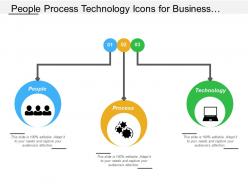
People process technology icons for business management

Rating:
90%
People process technology icons for business management
Slide 1 of 5
Favourites Favourites

Try Before you Buy Download Free Sample Product

Audience Impress Your
Audience
Editable 100%
Editable
Time Save Hours
of Time
The Biggest Sale is ending soon in
0
0
:
0
0
:
0
0
Rating:
90%
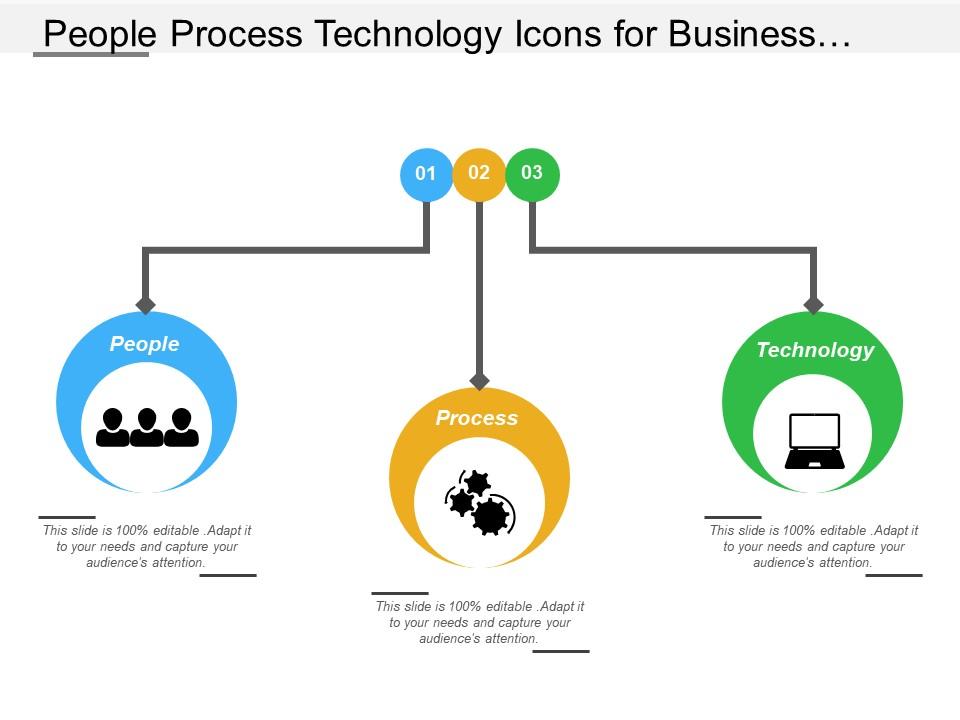
Presenting this set of slides with name - People Process Technology Icons For Business Management. This is a three stage process. The stages in this process are 3 Successful Organizational Transformation Elements Icons, People Process Technology Icons.

FAQs for People process technology icons

You'll need four main things: process mapping, automation tools, performance tracking, and some kind of governance setup. Start by visually mapping your current processes - I'd pick whatever's driving everyone crazy right now as your test case. Automate the boring repetitive tasks where it actually makes sense. Analytics are huge because you literally can't fix what you're not measuring first. Oh, and don't skip change management - I've seen amazing frameworks totally bomb just because people refused to use them. Once you get that first process working smoothly, roll it out everywhere else.

So here's the thing with BPM - it basically shows you where your work gets stuck. You map out how things actually happen (not how they're supposed to happen) and suddenly you're like "why are we doing it this way??" Honestly, most companies have so much weird redundant stuff they don't even realize. Once you see the whole picture, you can test changes fast and actually measure if they worked. Makes you way more flexible when things change - which, let's be real, happens constantly now. Just pick one process that's driving everyone crazy and start there.

Look, good tech is what makes BPM actually work. Automation handles the boring stuff while analytics show you what's broken in real-time. Process mining tools dig up bottlenecks you didn't even know existed. Then you've got dashboards so you can see what's happening instead of guessing. Honestly? Doing BPM without decent technology is painful - like using a flip phone when everyone else has smartphones. Just make sure whatever tools you pick actually talk to your current systems. There's nothing worse than buying software that creates more problems than it solves. Focus on stuff your team will genuinely use day-to-day.

So basically you want to track both the nitty-gritty stuff and the big picture. Cycle times, error rates, cost per process - that's your efficiency data right there. But don't sleep on customer satisfaction and employee morale either. Seriously, if your team hates the new process, it's doomed from day one. Oh, and definitely set your baselines before you change anything - learned that one the hard way. Pick maybe 3-5 metrics that actually matter to your goals and stick with them. The soft stuff like how people feel about working? That matters way more than most executives realize.

Ugh, people absolutely hate it when you mess with their workflows - that's gonna be your biggest headache. Also don't even think about automating stuff that's already a mess process-wise. Getting different systems to play nice together? Good luck with that. Your bosses will probably think this takes like 2 weeks when it's really gonna be months. Oh and if your data sucks going in, automation just makes bad data faster. Honestly just pick one simple thing to start with. Get everyone on board first or you'll be fighting uphill the whole time. Document everything properly too.

BPM makes your customer experience way smoother by cutting out delays and reducing those annoying errors that drive people crazy. Map out how customers actually move through your processes - you'll be shocked at the weird bottlenecks you find. Like why does approval take forever? Or why do departments keep dropping the ball on handoffs? Once you can see everything laid out, it's easier to catch problems before customers get frustrated. Oh, and definitely start with just one customer journey from beginning to end. Don't try to fix everything at once - that never works.

Honestly, regular monitoring is your best friend here. Track some key metrics and check them monthly - you'll catch problems early. Your employees are gold mines for this stuff since they're doing the actual work daily. Try running those process mapping workshops where everyone can redesign workflows together (they're actually pretty fun). Start with just one process, see what happens, then expand from there. Oh, and don't sleep on tech upgrades - automation can save you tons of time. The whole thing works best when you keep that feedback loop going between management and floor staff.

Honestly, BPM works great with Lean and Six Sigma - it's like the digital foundation that makes everything actually work. Map your processes with BPM tools first. Then hit them with Lean to cut waste and Six Sigma's DMAIC for defect reduction. The real win? BPM gives you live data to track improvements, which is what both methodologies are hungry for. Most companies I know throw all three at problems together - BPM automates and monitors while the other two handle strategy stuff. Oh, and don't try to boil the ocean. Pick one messy process and test all three on it first.

Honestly, data analytics is like having x-ray vision for your processes. You can track stuff like how long tasks take, error rates, where resources get wasted - then actually see what's slowing you down. The patterns are wild too. Maybe your team tanks every Monday or certain steps drag during busy periods. Way better than just guessing what's broken, right? I'd pick maybe 2-3 metrics for whatever process matters most and just... watch them for a month. You'll probably be surprised what you find.

So BPM lets you bake compliance stuff right into your processes instead of tacking it on later. Map out your regulatory requirements to specific controls, then the system just enforces them automatically. Pretty neat, actually. You'll get approval workflows and audit trails built in, plus real-time tracking of who's doing what. I've seen companies catch violations early with automated alerts - way better than scrambling after the fact. The documentation side is solid too. Honestly, once it's set up properly, compliance becomes way less of a headache since everything's consistent across the org.

Honestly, map out ALL your stakeholders first - yeah, the obvious ones but also whoever's gonna be stuck using this thing every day. Get them in those mapping sessions right away because trust me, nothing tanks a BPM project like pissed off users who feel ignored. Communication is huge here. People hate surprises, especially when it's about changing how they work. Listen to what's actually bugging them and work that feedback in - don't just pretend to care. Oh, and give them real ownership in the solution. When people feel like they helped build it, they'll actually use it instead of finding workarounds.

Dude, BPM is honestly a game-changer for breaking down those stupid departmental walls. You map out shared processes so everyone can actually see how their work connects to other teams - no more flying blind. Teams start spotting where things get handed off and where bottlenecks happen. Communication gets way better too since people finally understand what others need from them. I'd say grab stakeholders from different departments and map out just one cross-team process first. You'll be shocked how much clearer everything becomes. It's like... why didn't we do this sooner?

Dude, training is HUGE for BPM stuff - like, it literally determines if your whole thing works or crashes and burns. People will just fight the changes if they don't get what's happening. Plus they need to know why you're doing this, not just the step-by-step. Here's the thing though - your team actually catches problems during training sessions that you totally missed. Super helpful. Don't rush it or try to save money there. Get their input as you go too. Way easier than scrambling to fix everything later when it's all messed up.

BPM totally saved remote work from being a disaster. Most companies rushed to digitize everything - onboarding, approvals, customer stuff - because nobody could walk over and tap someone on the shoulder anymore. Cloud-based automation became huge, plus all those real-time collab tools. Honestly, it's less about making things faster now and more about just knowing what everyone's actually doing when they're scattered everywhere. I'd start by looking at whatever processes you still can't do remotely - that's where you'll find the best wins.

Honestly, it depends on how big your company is and what you're dealing with. Appian and Pega are solid if you need something robust, or Microsoft Power Automate works well too. But here's the thing - tons of teams get stuck overthinking this stuff instead of just picking something. Nintex handles simpler workflows really well. If you're new to this whole BPM thing, maybe start small with Zapier or Process Street's free version first? That way you can show it actually works before spending real money. Oh, and whatever you choose, make sure people will actually use it consistently. The fancy option means nothing if it sits there collecting dust.

Ratings and Reviews

90% of 100
Review Form
Write a review
Most Relevant Reviews
  1. 80%

    by Cornell Hamilton

    Understandable and informative presentation.
  2. 100%

    by Donny Elliott

    Best way of representation of the topic.

2 Item(s)

per page: