


Project proposal waste management ppt powerpoint ideas summary cpb
You must be logged in to download this presentation.




Try Before you Buy Download Free Sample Product
 Impress Your
 Audience
 100%
100% Editable
 Save Hours
 of Time


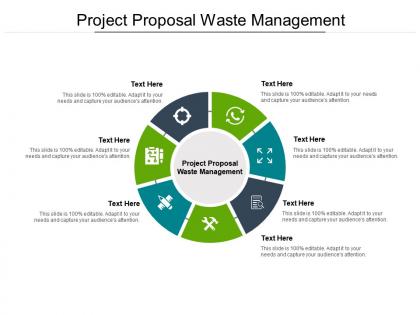
Our Project Proposal Waste Management Ppt Powerpoint Ideas Summary Cpb are explicit and effective. They combine clarity and concise expression.
People who downloaded this PowerPoint presentation also viewed the following :
Project proposal waste management ppt powerpoint ideas summary cpb with all 2 slides:
Give your audience a fulfilling experience. They will find our Project Proposal Waste Management Ppt Powerpoint Ideas Summary Cpb elevating.

FAQs for Project proposal waste management ppt powerpoint
Dude, contamination is killing you - like 30% of recycling streams are just trash at this point. Your infrastructure is ancient and can't handle the volume. Transportation costs are brutal because nobody's figured out decent routes yet. People still throw pizza boxes in recycling (seriously?), which makes everything worse. Plus you can't find workers anywhere. Look, start with figuring out where your contamination's coming from and fix those garbage routes. Those two things will save you the most money right off the bat. Everything else can wait.
Honestly, the AI sorting stuff is getting crazy good - way better than people at identifying different plastics and materials. Smart bins with sensors can auto-sort waste, and there's RFID tracking so you can see what's happening with your waste streams in real time. Mobile apps help teach people what goes where (because let's be real, most of us are still confused about recycling rules). The contamination rates drop big time with automated systems. I'd say start small though - maybe pilot one technology first instead of going full overhaul mode. Those optical sorting machines are pretty impressive if you've ever seen them work.
Honestly, public awareness makes or breaks these programs. People need to get WHY they're sorting trash - otherwise you just end up with contaminated recycling bins everywhere. Better participation happens when folks actually understand the point. Communities that know what's up will even vote for better waste infrastructure funding. I've watched so many solid programs crash because nobody explained anything to residents first. You gotta make it visual and simple though - maybe throw in some local wins to get people excited. Show them their effort actually does something instead of just disappearing into the void.
Honestly, start with whatever you're throwing out the most - that's where you'll see the biggest impact. Cornstarch plastics and mushroom packaging are game changers for biodegradable stuff. Glass jars and metal containers last forever if you go the reusable route. Bamboo's pretty solid too since it grows ridiculously fast. Oh, and recycled cardboard is always a safe bet. Those heavy-duty plastic bins might seem counterintuitive but they're worth it if people actually reuse them. Just audit your current waste streams first - no point fixing the small stuff when you're hemorrhaging waste somewhere else, you know?
So it really depends on what each country can actually afford and how much space they have. Japan goes completely overboard with sorting - we're talking 27 different categories, which honestly seems excessive. Sweden's wild though, they literally import other people's trash to power their cities. Germany's crushing it with recycling tech and super strict rules. Most developing countries are still stuck with landfills since the infrastructure costs are brutal. Nordic countries love their waste-to-energy plants, and South Korea's really aggressive about food waste specifically. For your proposal, I'd look at countries with similar economies and population density - that's gonna give you the most realistic ideas you can actually pull off.
Look, the savings are actually pretty huge when you break it down. Start by checking what you're spending on waste disposal right now - that's your baseline. Better efficiency means lower disposal fees, plus you can make money back through recycling programs. There's job creation too, which is way bigger than people think. No more emergency pickups or overflow headaches, and you dodge those nasty environmental fines. Transportation costs drop, you're less dependent on landfills... honestly, it all adds up fast. The waste management sector is kind of having a moment right now.
Honestly, start by checking what you're actually throwing out - I bet half of it's still usable! Go digital with receipts and invoices, that cuts down tons of paper waste. Buy stuff in bulk so there's less packaging to deal with. Set up those sorting stations around the office (people are lazy, make it obvious where things go). Getting your team involved is huge though - if they don't care, nothing works. Oh and track it monthly so you can see if you're actually making progress or just spinning your wheels.
So there's this crazy plasma gasification tech that literally vaporizes trash at insane temperatures - looks like something from a movie tbh. AI sorting systems are getting really good at pulling out recyclables before everything gets burned. Denmark and Japan are killing it with implementation if you want to see what's actually working. Oh, and the anaerobic digestion stuff can handle way more complex organic waste now. Modular systems are smart too since you don't need huge upfront investment. New catalysts are boosting energy while cutting emissions. Worth looking into!
So basically your city controls everything about trash - pickup days, what bins to use, how to handle hazardous stuff, composting rules if they have them. I'd hit up your city's environmental services site first to see what hoops you gotta jump through. Some places are crazy strict about this (my neighbor got fined for putting cardboard in the wrong bin, no joke). The regulations also mess with pricing since they decide which companies can even operate in your area. Better to know the rules upfront than deal with angry city officials later.
Dude, composting is actually a game changer for waste stuff. You'll divert like 30% of household trash from landfills - mostly food scraps and yard clippings that would just sit there making methane. Once you get the hang of it, there's something weirdly satisfying about the whole process. All that "trash" becomes killer soil for gardens without needing chemical fertilizers. My neighbor started doing it and now acts like some composting guru, but honestly it works. If your area's thinking about it, maybe start with a small test run? Main thing is teaching people what actually goes in the bins vs what doesn't.
Honestly, you've gotta make it super convenient or people won't bother. Better recycling signs help - sounds boring but it works. Set up at places where folks already hang out like farmers markets or school stuff instead of expecting them to come find you. Community challenges are gold though, like getting neighborhoods to compete on waste goals. My friend's area did this and people got weirdly competitive about it lol. Social media works if you show real families sharing tips, not just generic posts. Make participation feel rewarding and visible. People love seeing their neighbors doing interesting things!
Track your diversion rates first - that's how much stays out of landfills. Cost per ton matters too, obviously. Contamination in recycling streams will make or break you, trust me on that one. Customer participation is critical because what's the point if nobody uses it? Greenhouse gas reductions look good for reporting, plus any revenue from selling recyclables or compost. Honestly, start small with maybe 3-4 metrics instead of going crazy with spreadsheets. Set up monthly tracking so you can catch problems early. A simple dashboard works better than some fancy system you'll never actually check.
You know, waste management is actually pretty massive for climate stuff. Landfills pump out tons of methane, and all those garbage trucks guzzling fuel doesn't help either. But here's the thing - when you recycle or compost instead of just tossing everything, you're cutting down greenhouse gases big time. Reusing materials also means companies don't have to make as much new stuff, which saves crazy amounts of energy. Honestly, I'd start by just looking at what you're throwing away most. That'll show you where the biggest wins are. The whole circular economy thing really works if you actually stick with it.
Dude, improper waste disposal is no joke for your health. Contaminated water and soil breed nasty bacteria that cause respiratory problems, skin infections, and stomach issues. Plus all that garbage attracts rats and mosquitoes - which honestly grosses me out but they're also disease carriers. Kids and older people get hit the hardest. Here's the thing though: even after you clean up the mess, health problems can linger for years. So whatever you're reviewing, just make sure they've got solid containment and disposal plans from day one.
So basically governments and NGOs work best when they split responsibilities - NGOs handle the community outreach stuff since people actually trust them, while governments do policy and big infrastructure. Joint funding for recycling programs works really well too. Honestly, the pilot program approach is probably your best bet. NGOs figure out what locals actually need (not what politicians think they need), then government can scale up whatever works. Oh and shared data collection helps both sides. Start by checking which NGOs are already doing environmental work in your area, then see which government departments aren't completely useless at this stuff.
No Reviews