

Research Methodology Process Analysis Development Strategy Framework Gear Instrument




Try Before you Buy Download Free Sample Product
 Impress Your
 Audience
 100%
100% Editable
 Save Hours
 of Time


Our Research Methodology Process Analysis Development Strategy Framework Gear Instrument are topically designed to provide an attractive backdrop to any subject. Use them to look like a presentation pro.
People who downloaded this PowerPoint presentation also viewed the following :
Research Methodology Process Analysis Development Strategy Framework Gear Instrument with all 11 slides:
Use our Research Methodology Process Analysis Development Strategy Framework Gear Instrument to effectively help you save your valuable time. They are readymade to fit into any presentation structure.
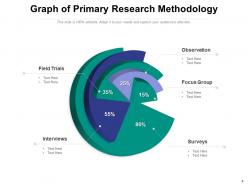
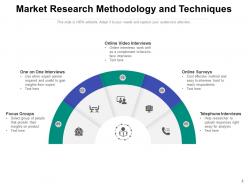
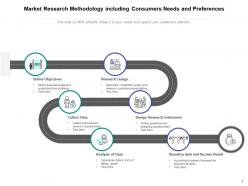
FAQs for Research Methodology Process Analysis Development Strategy
Okay so there's basically three types: quantitative, qualitative, and mixed methods. Quantitative is all about numbers and stats - surveys, experiments, that stuff. Way more straightforward if you ask me. Qualitative digs into the "why" through interviews and observations (honestly some of the coolest insights come from just watching people). Mixed methods just uses both approaches together. Pick based on what you're actually trying to figure out. Measuring relationships between things? Go quantitative. Exploring how people feel about something or their experiences? That's qualitative territory. Figure out your real question first, then the method becomes pretty obvious.
Okay so basically quantitative research is all about numbers and stats - you're measuring stuff you can actually count. Qualitative is the opposite, focusing on people's experiences and the "why" behind their behavior through interviews and observations. Think of it this way: quantitative is like surveying 500+ people to find patterns you can analyze statistically. Qualitative feels more like detective work (which honestly makes it way more interesting) - you're going deep with smaller groups to understand what's really going on. You'll get hard data from quantitative studies, but qualitative gives you the story that explains what those numbers actually mean. Use quantitative when you need proof, qualitative when you need context.
So mixed methods is pretty smart - you're getting qualitative depth plus quantitative backing. Think of it like having two people confirm the same story instead of just one. Way more solid. Triangulation catches stuff you'd miss otherwise, and honestly? Reviewers eat that methodological combo up. I always lean toward mixing approaches when validity matters - don't put everything on one method. Oh, and the statistical power really helps when you're trying to make broader claims. It's just more convincing overall.
Okay so first things first - get that IRB approval sorted early, don't wait till the last minute like I did once. Your participants need to actually understand what they're getting into, not just sign some confusing form. Let them bail whenever they want, no questions asked. Their data? Guard it with your life - seriously, you don't want to be the person explaining a breach to your supervisor. Think hard about whether you might accidentally screw over vulnerable groups. Power dynamics are tricky too, especially if there's any hierarchy involved. When you're unsure, just be extra careful.
Okay so first thing - figure out exactly who you're trying to study, then pick a sampling method where everyone has an equal chance of getting picked. Random sampling is definitely the way to go. You've got simple random, stratified, cluster sampling... depends on your population really. I personally love stratified when you have clear subgroups like different age ranges or income brackets - keeps everything proportional. Sample size matters but honestly? Quality over quantity always wins. Don't forget people will drop out or just not respond, so plan for that. Oh and document everything so people can actually judge if your sample makes sense.
Here's what I've learned from making this mistake before - get multiple people to review your methods upfront. Pre-test everything with a small group first. Document like crazy (trust me on this one). Use different data sources when you can, it backs up your findings better. Train anyone collecting data the same way so you're not comparing apples to oranges later. The pilot testing thing is huge - you want to catch problems before you're stuck with wonky data. Oh, and make sure you're actually measuring what you think you're measuring. Sounds obvious but it's easier to mess up than you'd think.
So basically, your methodology is everything - it determines what your results can even tell you. Qualitative gets you those deep insights but you can't really generalize to everyone. Quantitative lets you make those statistical claims, though you might miss the juicy details. Your sampling decides who you're actually representing, and how you collect data affects what people will actually tell you (huge factor people overlook). Whether you're hunting for themes or testing hypotheses completely changes how you read the same exact data. My advice? Pick based on what you genuinely need to find out, not what you're comfortable with.
Random sampling and control groups are your best friends here - use them whenever you can. Blinding your data collection is seriously underrated, like it actually makes a huge difference. I'd also grab data from multiple sources to double-check your findings. Oh, and definitely get someone else to look over your methods before you start - you'll miss stuff you're too close to see. My prof always said to think about bias prevention during planning, not after you've already collected everything. Way easier that way. Transparent documentation helps too, obviously.
Surveys are solid for getting quick data from loads of people without breaking the bank. Super easy to crunch the numbers too. But here's the thing - you're stuck with pretty shallow responses most of the time. People lie, misread questions, or just phone it in (and honestly, who can blame them with survey overload these days?). You can't dig deeper when something interesting pops up either since you've already locked in your questions. I'd say go for surveys when you need broad trends or want to test something specific. Just don't expect deep insights - maybe throw in some interviews if you really want the juicy stuff.
Honestly, context is everything when picking your research method. Can't do a 5-year study on a 6-month budget - learned that one the hard way! Your timeline, resources, and who you can actually access will narrow things down fast. Cultural stuff matters too, plus whatever hoops your institution makes you jump through. The research question itself usually points you toward qual or quant anyway. Here's what I'd do: write down all your real constraints first. Then see what methods actually work within those limits. Way better than falling in love with some fancy approach that won't fit your situation.
Honestly, the worst mistakes I see are people jumping in without clear research questions - like, what are you actually trying to find out? Sample bias will kill your results too. Always pilot test your methods first because what sounds good in theory often falls apart. I learned this the hard way lol. Your methods need to actually measure what you think they're measuring (shocking how often this gets overlooked). Watch for confirmation bias sneaking into everything you do. Sample size matters more than people realize, and don't forget ethics approval early or you'll be scrambling later. Sketch everything out first and get feedback.
Honestly, you can't skip the lit review - it's like your GPS for picking methods. Other researchers have already tried stuff, failed at things, figured out what actually works. I always end up changing my original plan once I see what's already been done (sometimes pretty drastically lol). Plus it shows you gaps where your research could actually contribute something new. Don't reinvent the wheel when someone's already tested a solid approach you can build on. Start reading early and let it shape your whole methodology. Trust me, reviewers will expect you to justify every choice anyway.
Honestly, just focus on building real rapport first - like actually chat with them and listen to what they're saying. I've noticed that being genuinely curious about their experiences works so much better than just following your script religiously. Make them comfortable so they'll actually open up. Ask questions that let them tell their own story instead of yes/no stuff. Oh, and try some creative approaches too - maybe photos or storytelling exercises to get deeper conversations going. You want them feeling like partners in this, not lab rats. Trust me, small talk at the beginning isn't wasted time.
Dude, the research game has totally changed. AI can crunch data analysis in hours instead of weeks now. Blockchain keeps your data secure, IoT devices grab real-time info at crazy scales. Cloud storage means you can collaborate with people anywhere without spending a fortune on servers. VR experiments? Yeah, that's actually a thing now - sounds weird but it works. Honestly, the coolest part is processing data in ways that literally didn't exist five years ago. My advice? Pick one automation tool for your current project. Even something small will save you tons of time.
Think of pilot testing as your practice run before the real deal. You'll spot confusing survey questions, figure out if interviews drag on too long, or discover your data tools are garbage. Trust me, I've literally never done one that didn't uncover some disaster waiting to happen. Plus it helps you nail down realistic timelines and what things actually cost. Yeah, it feels like extra work upfront - honestly kind of annoying when you just want to dive in. But seriously, budget the time for a decent pilot. Your future self will thank you when you're not scrambling to fix everything mid-study.
-
Appreciate the research and its presentable format.
-
Thanks for all your great templates they have saved me lots of time and accelerate my presentations. Great product, keep them up!
-
Commendable slides with attractive designs. Extremely pleased with the fact that they are easy to modify. Great work!
-
Excellent design and quick turnaround.