Process Methodology Powerpoint Presentation Slides

Rating:
100%
Process Methodology Powerpoint Presentation Slides
Slide 1 of 20
Favourites Favourites

Try Before you Buy Download Free Sample Product

Audience Impress Your
Audience
Editable 100%
Editable
Time Save Hours
of Time
The Biggest Sale is ending soon in
0
0
:
0
0
:
0
0
Rating:
100%
Presenting this set of slides with name - Process Methodology Powerpoint Presentation Slides. The deck constituents are Process Methodology, Process Framework, Process Analysis.

Content of this Powerpoint Presentation

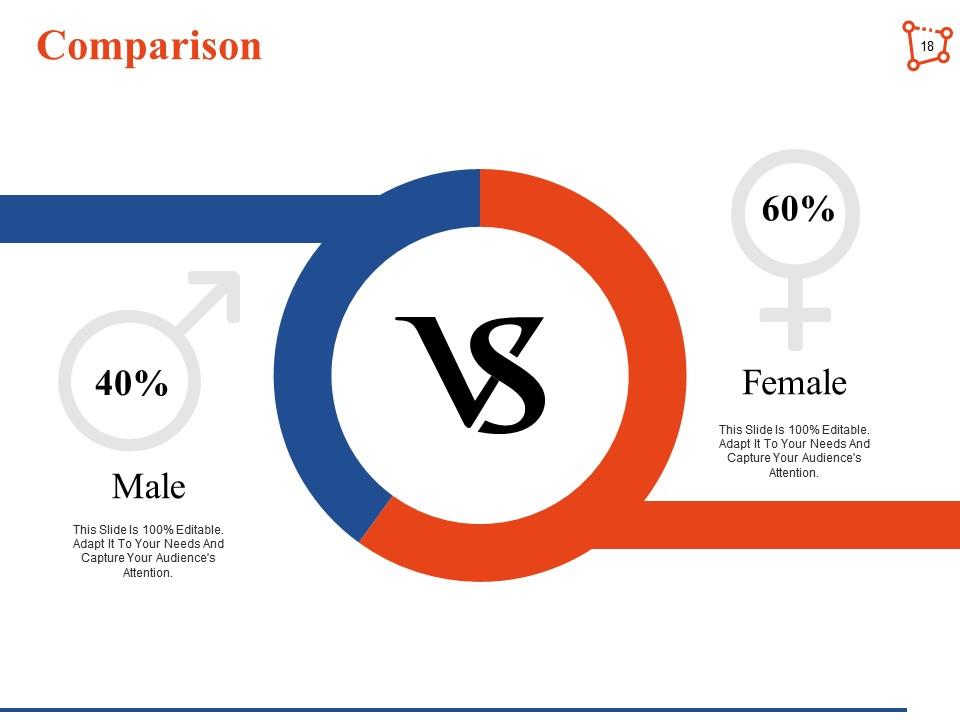
Slide 1: This slide introduces Process Methodology. State Your Company Name and get started.
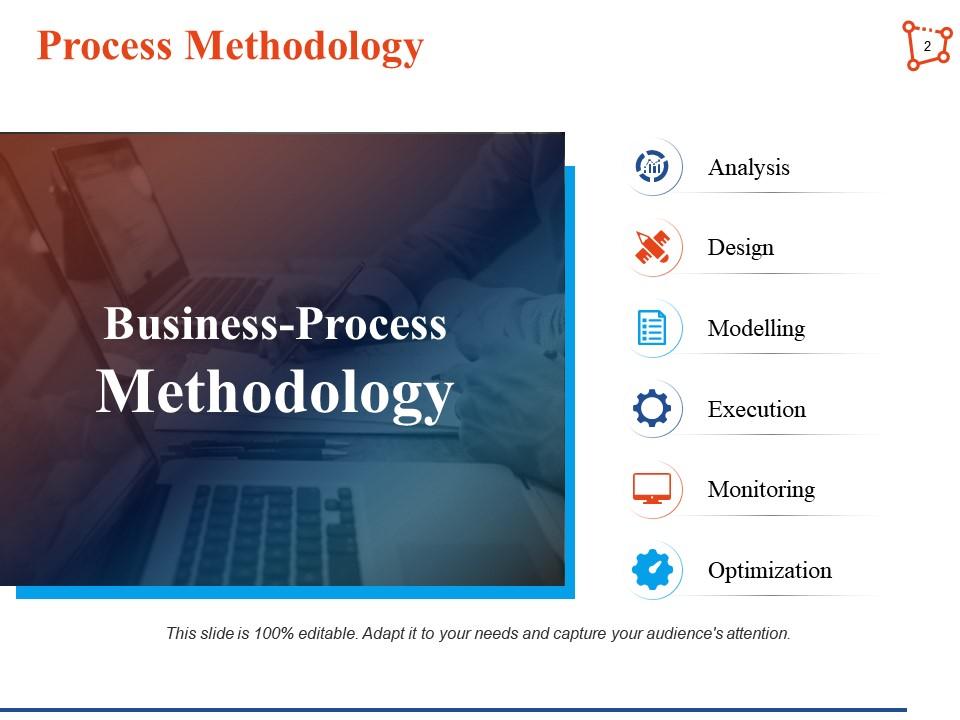
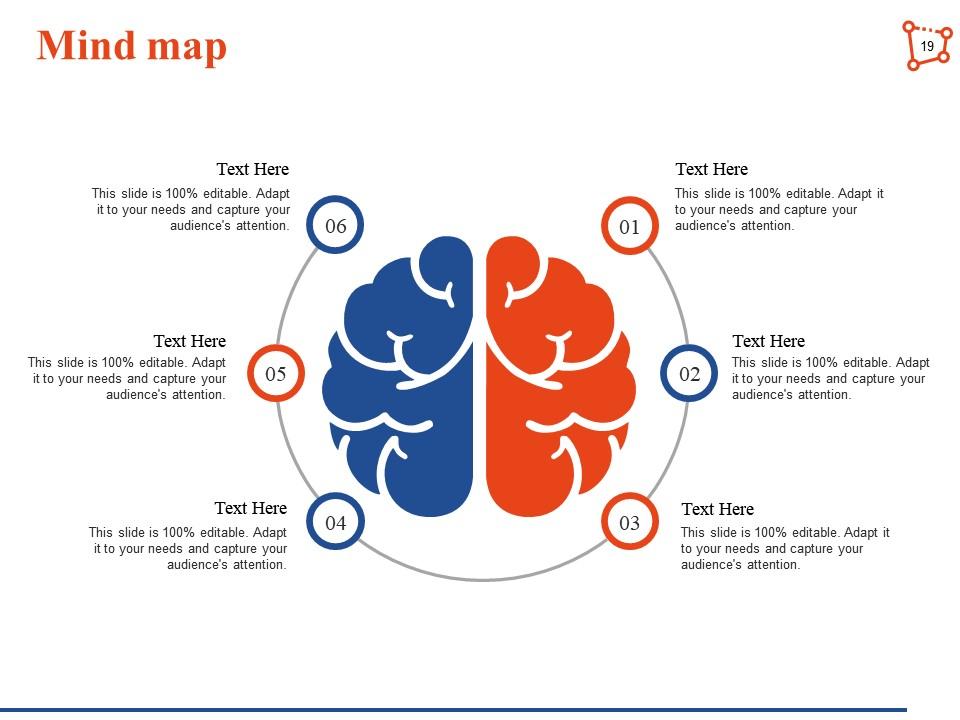
Slide 2: This slide showcases Process Methodology with the following subheadings- Analysis, Design, Execution, Modelling, Monitoring, Optimization.
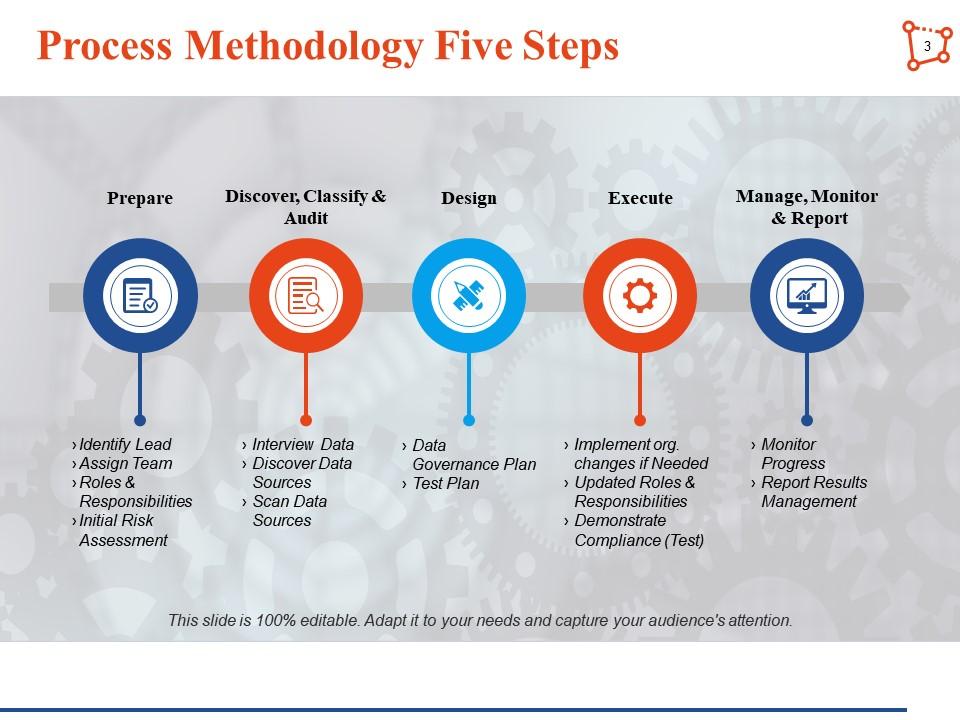
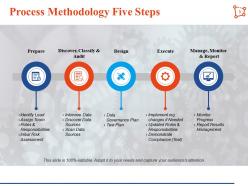
Slide 3: This slide presents Process Methodology Five Steps- 1: Prepare (Identify Lead, Assign Team, Roles & Responsibilities, Initial Risk Assessment) 2: Discover, Classify & Audit (Interview Data, Discover Data Sources, Scan Data Sources) 3: Design (Data Governance Plan, Test Plan) 4: Execute {Implement org. changes if needed, Updated Roles & Responsibilities, Demonstrate Compliance (Test)} 5: Manage, Monitor & Report (Monitor Progress, Report Results Management).
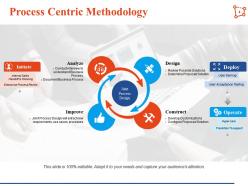
Slide 4: This slide presents Process Centric Methodology showing Joint Progress Design going through- a: Analyze (Conduct interview to understand Business Process, Document Business Process) b: Improve (Joint Process Design will extract new requirements, use cases, processes) c: Design (Review Possible Solutions Determine Proposed Solution) d: Construct (Develop Customizations Configure Proposed Solution)
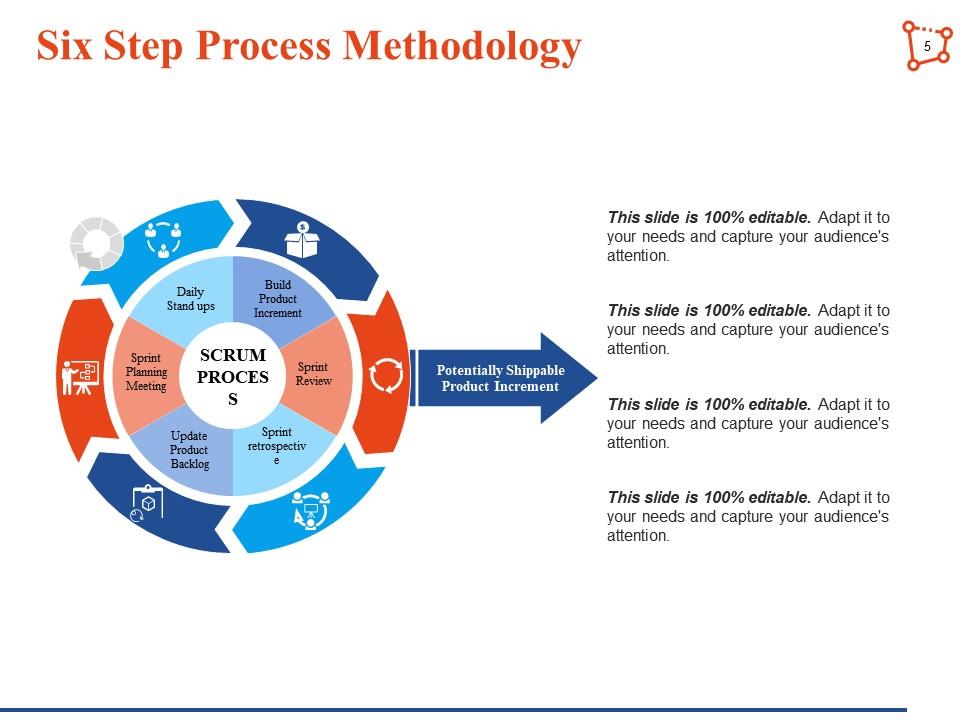
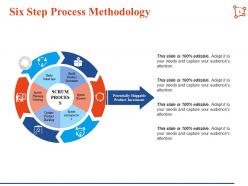
Slide 5: This slide presents Six Step Process Methodology in Scrum Process to reach Potentially Shippable Product Increment.The six step process is- Daily Stand ups, Build Product Increment, Sprint Review, Sprint retrospective, UpdateProduct Backlog, Sprint Planning Meeting.
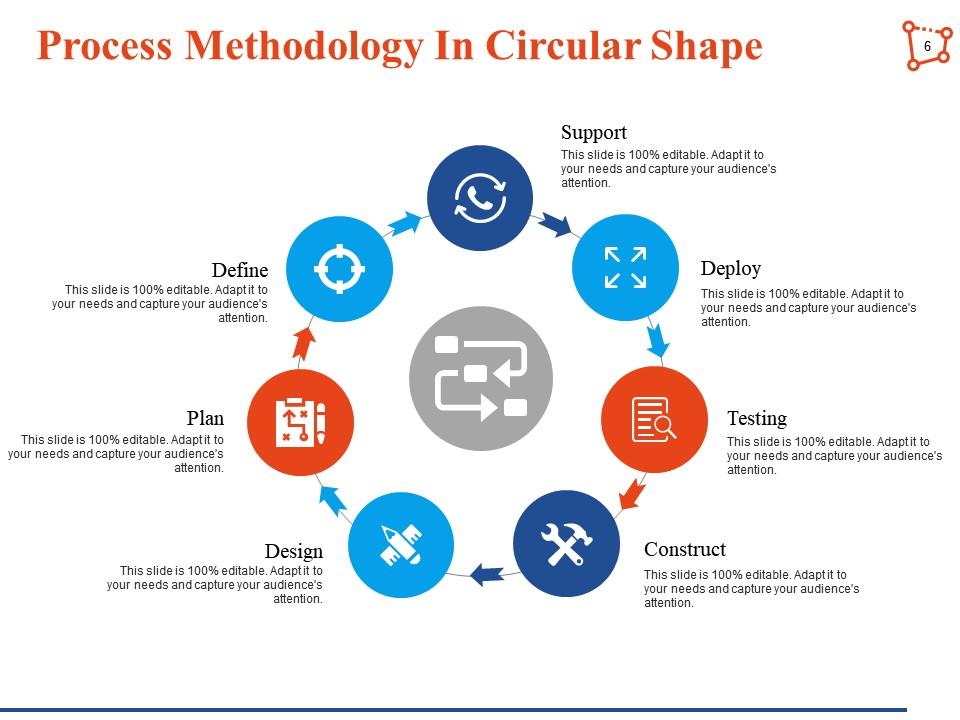
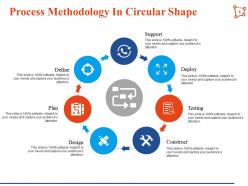
Slide 6: This slide presents Process Methodology In Circular Shape with the following headings- Support, Deploy, Testing, Construct, Design, Plan, Define.
Slide 7: This slide shows Process Methodology Icons to use as per need.
Slide 8: This is a Coffee Break image slide to halt.
Slide 9: This slide is titled Charts & Graphs to proceed forward.
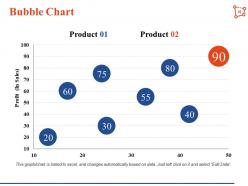
Slide 10: This slide shows a Bubble Chart for product/entity comparison.
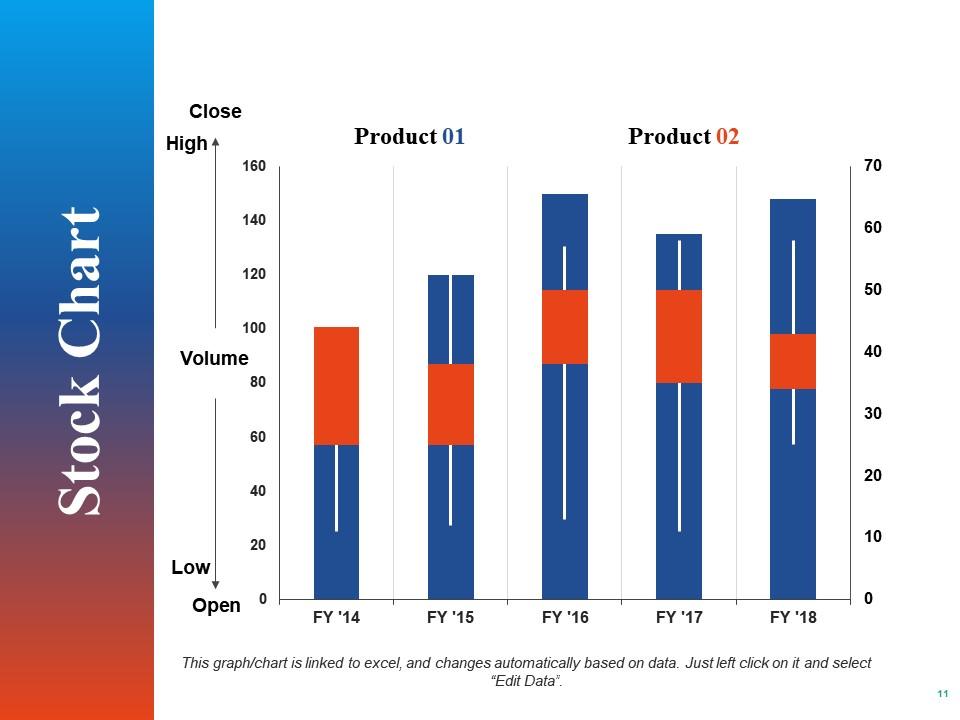
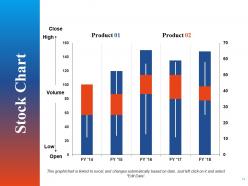
Slide 11: This slide showcases a Stock Chart with Open, Low, High, Close as parameters to calculate.
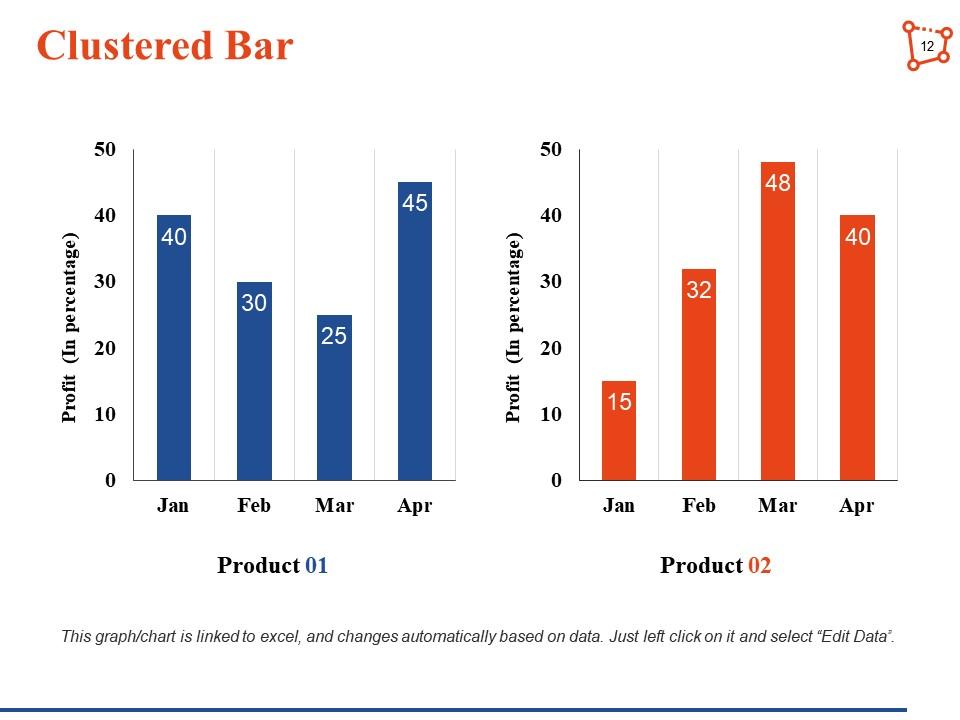
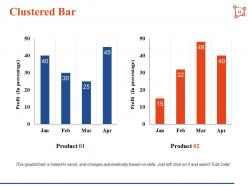
Slide 12: This slide shows a Clustered Bar for product/entity comparison.
Slide 13: This slide is titled Additional Slides to move forward.
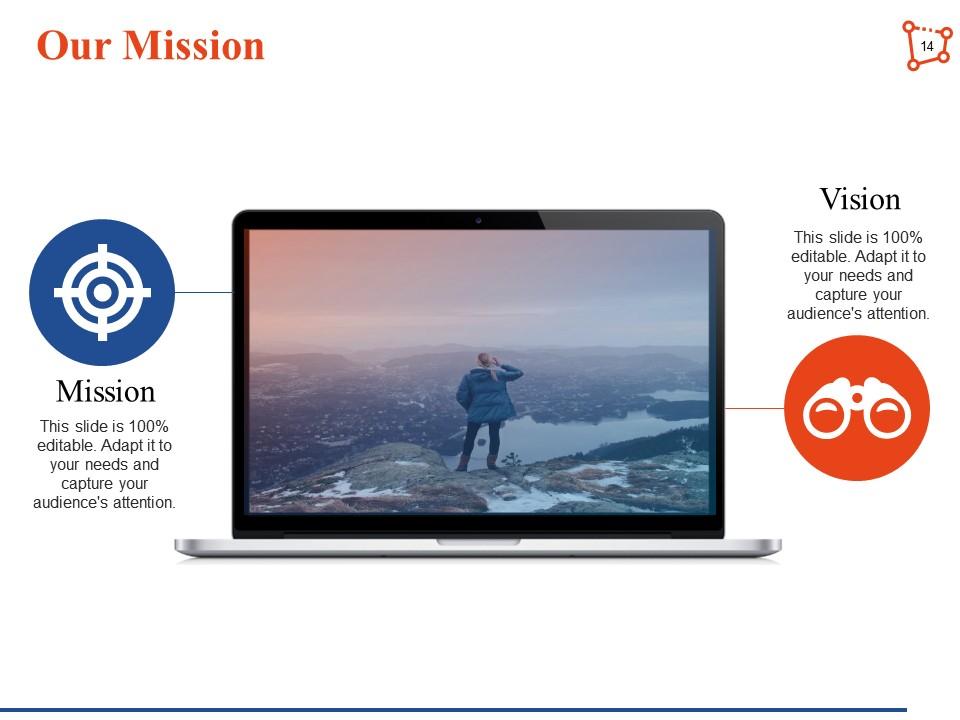
Slide 14: This is our Mission slide with Vision and Mission. State them here.
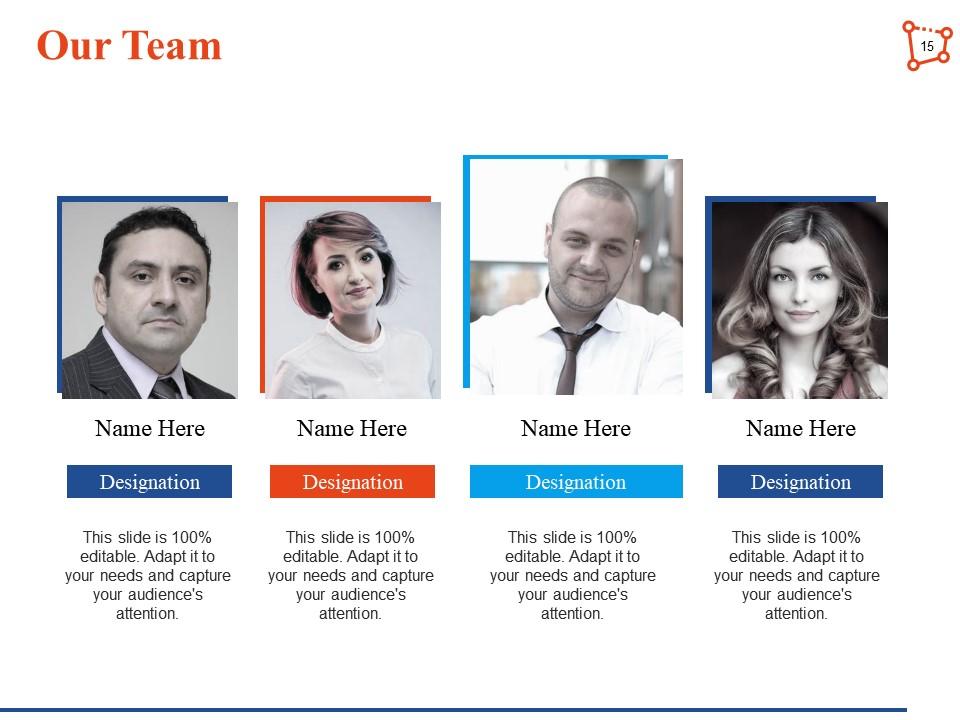
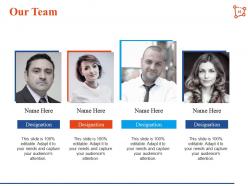
Slide 15: This slide presents Our Team with name, designation and image box.
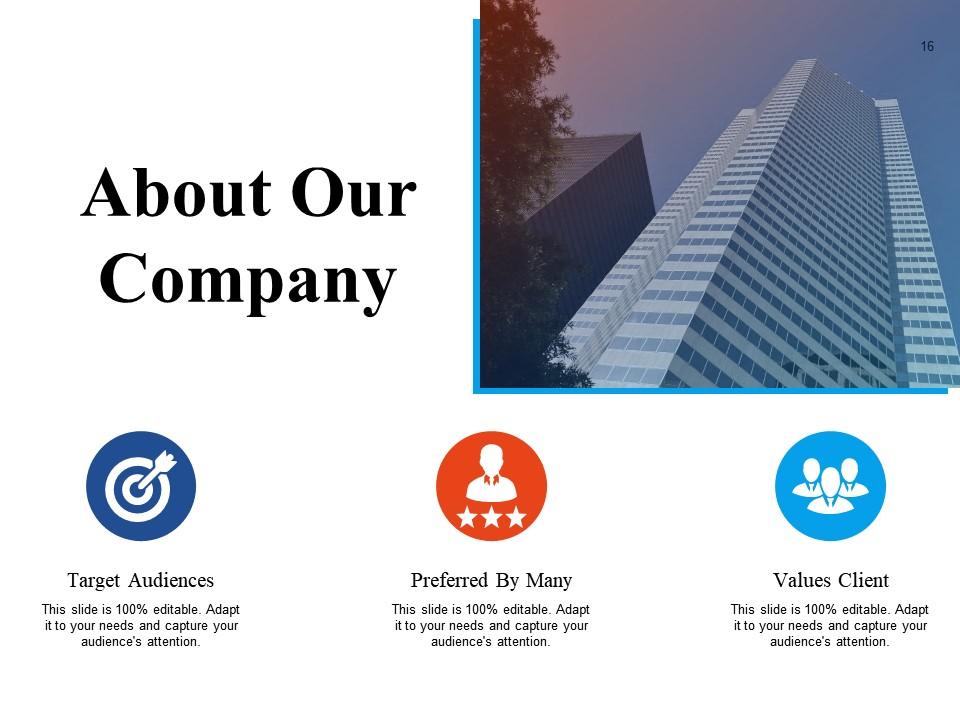
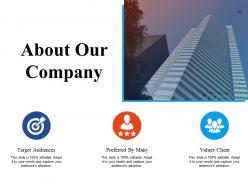
Slide 16: This slide showcases About Our Company with- Values Client, Preferred By Many, Target Audiences as examples to state about.
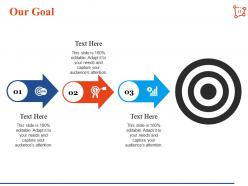
Slide 17: This slide shows Our Goal. State your goals here.
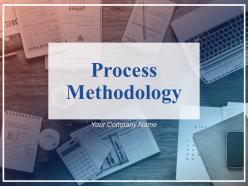
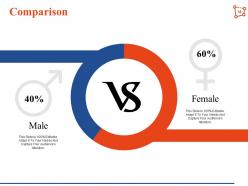
Slide 18: This is a Comparison slide for male and female. Compare gender aspects here.
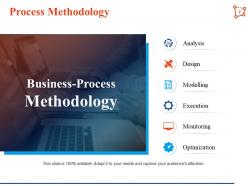
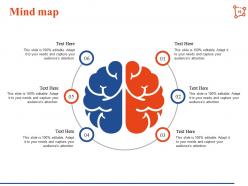
Slide 19: This slide showcases a Mind map. State information, specifications etc. here.
Slide 20: This is a Thank You slide with Address# street number, city, state, Email Address, Contact Numbers.

FAQs for Process Methodology

Start by mapping what you're doing now - sounds obvious but most people skip this step. You'll want clear goals and roles so everyone knows their lane. Build in some feedback loops too, otherwise you're just guessing if anything's working. Make it flexible enough for when stuff goes wrong (because it will), but structured enough that people aren't confused. Document everything even though it's tedious as hell. Focus on your biggest headaches first - don't try fixing everything at once. Measurable results are key so you actually know if you're improving or just spinning your wheels.

Honestly, map out what you're already doing before changing anything - otherwise you're flying blind. Don't just grab whatever methodology is hot right now (I swear, everyone thinks they need Six Sigma). Find something that actually matches how your team works. Train people properly and give them breathing room to adjust. Leadership has to be on board or you'll just be banging your head against a wall. Oh, and roll it out slowly! Pick a small pilot project first to show it works. Nobody wants their whole world flipped upside down overnight.

Dude, you absolutely need stakeholder buy-in from the start. Otherwise your methodology just sits there unused. These people know the actual pain points and what'll work in practice - honestly, I've watched so many "brilliant" processes crash and burn because no one bothered asking users what they needed. Get them involved throughout development, not just for some final approval meeting. When people help build something, they actually want to use it later. Run workshops, collect feedback constantly. Don't wait until the end or you'll regret it.

Honestly, having a process methodology is like having GPS instead of just driving around hoping you'll find your destination. You catch problems before they blow up. Everyone knows what's expected. Timelines actually make sense for once - stakeholders eat that stuff up. I watched one team slash their rework by 40% just by sticking to a framework. The trick is finding something that fits how your team actually works. Don't force some bloated system nobody will use. Start simple and make it a habit first. Way better than winging every single project.
Track efficiency stuff like cycle time and throughput - how fast things move through your system. Quality metrics matter just as much though: defect rates, how often you're redoing work, customer satisfaction. Stakeholder feedback is honestly where you'll get the real story since they deal with your process every day. Also check if people are actually following the methodology - I've seen great systems fail because nobody used them. Pick maybe 3-4 metrics that align with what you're trying to achieve. Then just track consistently over time. Don't go crazy with too many data points right away.
So basically, process mapping lets you see exactly how work moves through your team - like a flowchart but actually useful. You'll catch bottlenecks and weird handoffs that slow everything down. Honestly, it's kind of eye-opening how messy most workflows really are. New hires love it too since they don't have to dig through random emails trying to figure out who does what. The best part? You can spot delays and redundancies you never noticed before. My advice - just pick one simple process and map it out completely. I guarantee you'll find gaps that'll make you wonder how anything gets done around there.

Basically you've gotta flip everything to async communication instead of live meetings. Use shared boards, docs with version control, and set up solid handoffs between time zones. Daily standups? Forget the talking part - just do written updates people can check whenever they're awake. Documentation becomes your best friend (honestly should've been doing this already). Map out all the spots where your current process assumes everyone's physically there, then figure out how to make those work remotely. Remote forces you to think harder about your processes, which usually makes them way better anyway. It's more work upfront but totally worth it.

First, write down every step in order - what goes in, what comes out, where decisions happen. Flowcharts are your friend here because honestly, nobody wants to read a novel when they're trying to figure something out. Don't just say what to do, explain why each step matters. Oh, and definitely include the weird exceptions that always seem to pop up. Test your instructions on someone who's never done it before - they'll catch stuff you missed. Keep the language simple and update it whenever the process changes (which it will).

Tech will totally change how you roll out processes - it automates the boring stuff and keeps everyone on the same page. Workflow software and process mapping tools let you see everything visually, assign tasks, and spot bottlenecks instantly. Managing complex processes by hand? That's honestly just torture at this point. Pick tools that actually work with how your team operates, not whatever has the flashiest demo (learned that one the hard way). Start with your biggest headaches first, then grab specific tools to fix those problems.

Honestly, the biggest pain is gonna be people who just refuse to change. They're stuck in their old ways even when those ways suck. Productivity will tank at first while everyone's figuring things out - that's just reality. Different departments will adopt it at totally different speeds, which gets messy. Plus your existing tools might not play nice with the new methodology. Leadership says they're on board until they don't see instant results, then suddenly they're questioning everything. Oh, and start small! Pick a team that's actually excited about it and show off those early wins to convince the skeptics.

Honestly, just bake review cycles into what you're already doing. Pick metrics that actually tell you something useful - not the fluffy stuff that makes reports look pretty. Schedule monthly check-ins where people can call out what's driving them crazy and brainstorm fixes. Don't try to fix everything at once though, that's a recipe for burnout. Grab one process that's been annoying everyone and experiment with it first. Make it systematic so it doesn't fall through the cracks. Quarterly deep-dives work well too. The whole point is catching problems before they snowball into bigger headaches.

Dude, this stuff really does make or break everything. People won't follow new processes if they don't get why it matters - I've seen so many "mandatory" procedures that everyone just ignores lol. Training helps them feel confident instead of lost. But honestly? Buy-in is even more crucial. You can train someone perfectly, but if they think the whole thing is stupid, they'll half-ass it. Start with explaining the why first. Once they actually care about the outcome, teaching the how becomes way easier. Both pieces have to work together though.

So it really depends on your industry's biggest headache. Healthcare goes crazy with Lean Six Sigma because one mistake could literally kill someone - they're all about compliance and safety first. Manufacturing? Totally different story. They use stuff like Kaizen or Toyota's system, and honestly they'll obsess over saving 10 seconds on an assembly line. The whole thing comes down to what you absolutely can't mess up. Figure out if your industry prioritizes safety, speed, quality, or keeping costs down. That'll tell you which methodology actually makes sense instead of just picking whatever sounds trendy.

Don't overcomplicate it - that's like the

Ratings and Reviews

100% of 100
Review Form
Write a review
Most Relevant Reviews
  1. 100%

    by Michael Allen

    Easily Understandable slides.
  2. 100%

    by Deon Warren

    Easily Understandable slides.

2 Item(s)

per page: