

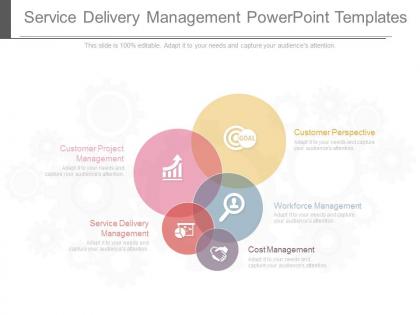
Service delivery management powerpoint templates




Try Before you Buy Download Free Sample Product
 Impress Your
 Audience
 100%
100% Editable
 Save Hours
 of Time


Get flexibility galore with our Service Delivery Management Powerpoint Templates. You will be delighted by the amazing array of choices.
People who downloaded this PowerPoint presentation also viewed the following :
Service delivery management powerpoint templates with all 7 slides:
Deliver a blow to their confidence with our Service Delivery Management Powerpoint Templates. The competition will go haywire.





FAQs for Service delivery
Map out what you've got first, then figure out what's driving you crazy. You'll need solid SLAs so everyone knows what to expect, plus monitoring tools that actually catch issues before customers do. Incident management is huge - have a plan for when stuff breaks. Change management too, since honestly most outages happen right after deployments. Capacity planning saves you from those awkward "sorry everything's crawling" conversations. Regular check-ins with stakeholders keep things smooth. But real talk? Good communication between your team and users makes or breaks everything else.
Track response times, resolution rates, and SLA stuff first - that's your baseline data. Customer satisfaction scores matter way more than people think though. First-call resolution is huge, and don't forget escalation rates. Employee happiness actually affects service quality too, which sounds obvious but gets overlooked constantly. Honestly, I'd rather have a simple dashboard I check weekly than some fancy system that intimidates everyone. The feedback comments often tell you more than the numbers anyway.
Honestly, tech is what keeps service teams sane these days. It handles all the boring repetitive stuff automatically and gives you actual visibility into what's happening. Tools like ServiceNow or Jira make incident management way smoother. AI chatbots deal with the basic questions so your team doesn't lose their minds answering the same thing 50 times a day. Analytics help you find where things are getting stuck. The trick is finding stuff that plays nice with what you already have - nobody needs another system that doesn't talk to anything else. Map out what's driving you crazy first, then find solutions.
Look, SDM is really about not disappointing your customers - which sounds obvious but you'd be surprised how many companies mess this up. Map out your current delivery process first, then figure out where communication usually falls apart. That's where the problems start. You want clear processes so you can actually predict timelines and maintain quality. Nobody likes nasty surprises, especially paying customers. The visibility piece is huge too - you'll spot issues before they turn into angry phone calls. Honestly, half the battle is just setting realistic expectations upfront and then following through.
Ugh, resource constraints are the worst - plus you're always dealing with unclear expectations and teams that can't communicate properly. Seriously feels like juggling fire half the time! Set super clear SLAs from day one, that's huge. Regular stakeholder check-ins help too, and definitely use project management tools to track everything (I swear by them). Always build buffer time because something will go wrong, trust me. Oh and audit your current processes first - figure out where the actual pain points are. Being proactive beats scrambling to fix disasters later.
Honestly, start by mapping out what your customers actually go through right now - you'll probably find some pretty obvious gaps. Get your processes consistent first. Same scripts, same training, whether they're texting you or standing in your lobby. The tricky part is making sure customer info actually follows them around (why is this still so hard in 2024?). Cross-train your people too. Phone reps give way better help when they've worked the floor. Share systems between channels so nobody's starting from scratch. Most companies think they're doing this already but... they're really not.
Track response time and how fast you resolve issues - customers definitely notice when they're waiting forever. First-call resolution is clutch since nobody wants to repeat their sob story to three different people. Customer satisfaction scores matter, obviously, plus SLA compliance keeps you on track. Cost per ticket and agent utilization help with the budget side. Oh, and escalation rates - if those are high, someone probably needs more training or your process is wonky. Honestly though? Pick 3-4 metrics that actually align with what your customers care about most.
So SLAs are basically your safety net - they spell out what good service looks like with actual numbers and deadlines. When everything's on fire (aka Tuesday), they help you figure out what to tackle first. Plus they keep everyone honest about what's realistic. Your team knows what they signed up for, customers know what to expect. No more weird conversations about why something took forever. Oh and definitely review them regularly - I learned this the hard way when we were stuck following some ancient SLA that made zero sense anymore. They make planning so much easier though.
Honestly, start small with something like weekly team check-ins - way easier than trying to build some massive feedback system right away. After that, add customer surveys once services wrap up. Real-time dashboards help catch problems before they blow up, but don't sleep on the random conversations either. I've gotten some of my best insights just chatting with clients over coffee or whatever. The trick is actually doing something with what you hear instead of just collecting feedback for the sake of it. Oh, and internal retrospectives with your team are clutch - they'll tell you stuff customers won't.
Honestly, good training is a game-changer for your team's performance. Your staff will handle tricky customer issues way faster when they actually know what they're doing. Confidence shows - customers can totally sense when someone knows their stuff versus when they're just winging it. Don't make it a one-and-done thing though. Keep it rolling with regular updates on both technical skills and communication. Oh, and here's what I'd do first: figure out where your team's struggling most, then build training around those specific gaps. Short bursts work better than marathon sessions too.
Honestly, get one person to own the whole mess - not just individual vendor stuff. Map out how everything connects first (you'll probably find some terrifying gaps). Then set up shared goals that make vendors actually work together instead of just checking their own boxes. Those weekly calls with everyone? Super boring but they prevent disasters. Trust me on this one. Also standardize how they report things or you'll go crazy jumping between different dashboards. Basically treat it like one big team rather than separate deals. The interdependency mapping part is annoying but you gotta do it.
Think of service delivery management as connecting what your company wants with how you actually help customers. Map your service processes to business goals - so if you're trying to keep customers around, track satisfaction scores and how fast you respond. Once you get that connection, it clicks. Every service activity should tie back to something specific like revenue growth or cutting costs. Honestly, most companies overthink this part. Just list your top 3 business objectives first, then figure out which services actually support each one. That's your starting point right there.
Dude, digital transformation totally changes the service game. Automation handles all the boring stuff, AI predicts when things might break, and customers can actually help themselves without calling you every five minutes. The analytics are probably the coolest part though - you catch problems way before they explode. Honestly? Start small or you'll go crazy. Just pick whatever process makes you want to pull your hair out right now and fix that first. Once you see how much easier life gets, the rest starts making sense. Trust me on this one.
Crisis mode means you gotta cut the fluff and focus on what's actually critical. Ditch all those nice-to-have services - they'll survive. Switch to weekly planning instead of those drawn-out monthly meetings (thank god, right?). Communication becomes your lifeline here, so honestly just over-do it. Daily check-ins with key people. Simple dashboards everyone can actually find and read. Your teams need flexibility to pivot fast, so build in clear escalation paths for urgent stuff. I learned this the hard way - people would rather hear too much than be left wondering what's happening.
Honestly, service delivery is changing fast right now. AI's taking over basic support stuff - chatbots handle simple tickets while analytics actually predict problems before they blow up. Everything's moving to service models where you focus on real outcomes instead of just closing tickets (which is way better tbh). Remote work pushed everyone toward self-service portals. Oh, and companies finally care about employee experience too, not just customers. Start automating the boring repetitive tasks first. That's where you'll see quick wins without overwhelming your team.
-
The content is very helpful from business point of view.
-
Great experience, I would definitely use your services further.