


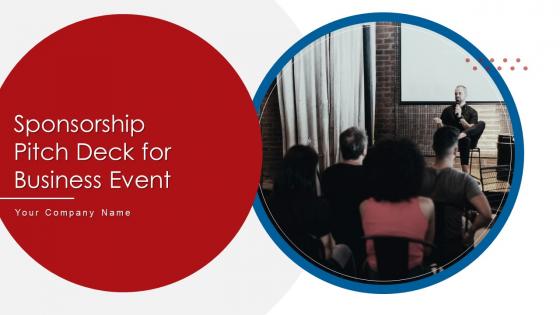
Sponsorship Pitch Deck For Business Event Ppt Template




Try Before you Buy Download Free Sample Product
 Impress Your
 Audience
 100%
100% Editable
 Save Hours
 of Time


When it comes to organizing corporate events, most event planners rank securing sponsors as one of the topmost challenging aspects of their job. Check out our efficiently designed Corporate Event Sponsorship Pitch Deck that will assist the event planners or event planning startups to gain the interest of the best possible corporate event sponsors. At first, event startups can develop the investors interest by using slides about us, our underlying magic, and social media reach. The corporate event highlights section will assist the agencies in providing in-depth detail about their event, covering the corporate event overview, target market, guest speakers, and timeline. Corporate event planners can use slides to gain sponsors attention, namely sponsorship packages, benefits, and opportunities for sponsors. One can even present stats and info related to in-depth corporate event details like guest speakers, VIPs, target market, etc. Firms can exhibit infographics for their social media reach using elements like followers, average clicks, post reach, post impressions, etc. Customize this 100 percent editable pitch deck now.
People who downloaded this PowerPoint presentation also viewed the following :
Content of this Powerpoint Presentation
Slide 1: This slide introduces Corporate Event Sponsorship Pitch Deck. State Your Company Name and begin.
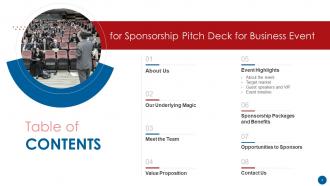
Slide 2: This slide presents Table of Content for the presentation.
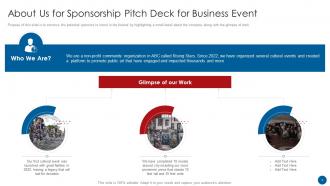
Slide 3: This slide convince the potential sponsors to invest in the festival by highlighting a small detail about the company.
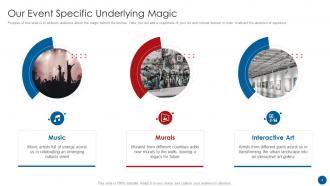
Slide 4: This slide address audience about the magic behind the festival.
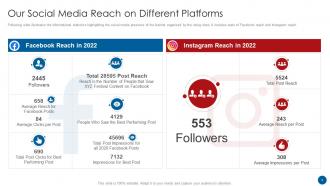
Slide 5: This slide illustrates the informational statistics highlighting the social media presence of the festival organized by the rising stars.
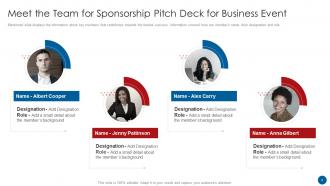
Slide 6: This slide displays the information about key members that contributes towards the festival success.
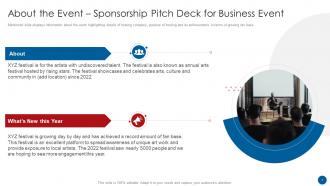
Slide 7: This slide displays information about the event highlighting details of hosting company.
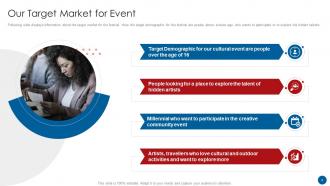
Slide 8: This slide displays information about the target market for the festival.
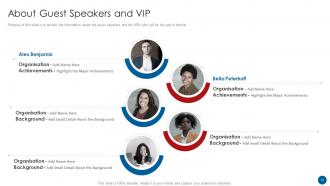
Slide 9: This slide provide the information about the guest speakers and the VIPs who will be the part of festival.
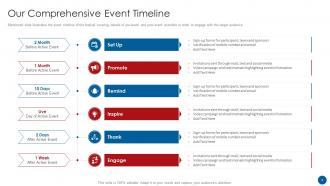
Slide 10: This slide illustrates the event timeline of the festival covering details of pre-event and post-event activities.
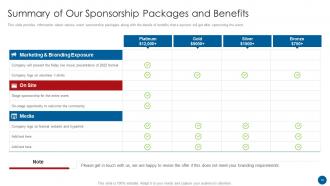
Slide 11: This slide provides information about various event sponsorship packages along with the details of benefits.
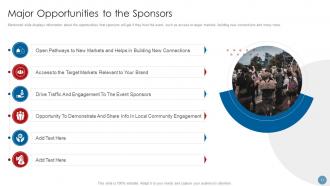
Slide 12: This slide displays information about the opportunities that sponsors will get if they host the event.
Slide 13: This slide presents contact details of company.
Slide 14: This slide displays Icons for Corporate Event Sponsorship Pitch Deck.
Slide 15: This slide is titled as Additional Slides for moving forward.
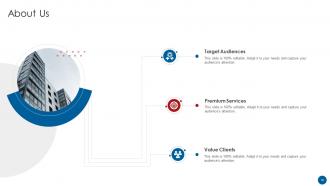
Slide 16: This is About Us slide to show company specifications etc.
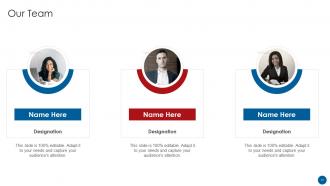
Slide 17: This is Our Team slide with names and designation.
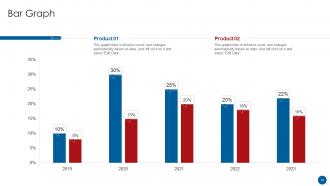
Slide 18: This slide presents Bar chart with two products comparison.
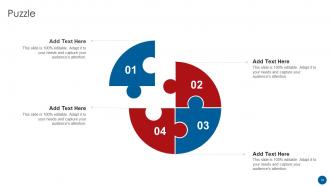
Slide 19: This slide contains Puzzle with related icons and text.
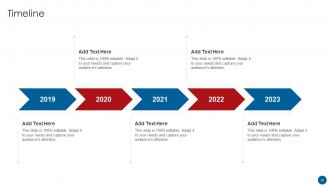
Slide 20: This is a Timeline slide. Show data related to time intervals here.
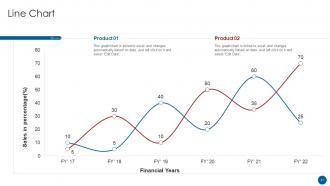
Slide 21: This slide describes Line chart with two products comparison.
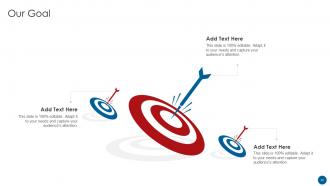
Slide 22: This is Our Goal slide. State your firm's goals here.
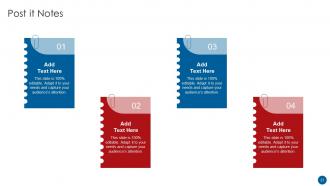
Slide 23: This slide shows Post It Notes. Post your important notes here.
Slide 24: This is a Financial slide. Show your finance related stuff here.
Slide 25: This slide depicts Venn diagram with text boxes.
Slide 26: This is a Thank You slide with address, contact numbers and email address.
Sponsorship Pitch Deck For Business Event Ppt Template with all 31 slides:
Use our Sponsorship Pitch Deck For Business Event Ppt Template to effectively help you save your valuable time. They are readymade to fit into any presentation structure.





FAQs for Sponsorship Pitch Deck For Business
Look, sponsors don't care about vague "brand exposure" anymore - that's just empty marketing speak. You need three things: solid audience data that matches who they're trying to reach, specific deliverables they can actually measure, and a clear value prop that shows potential ROI. Break down the real numbers: exact impressions, demographics, activation opportunities. Your track record matters too if you've got it. Honestly, most people just ask for money without making a business case. Don't do that. Make it stupid easy for them to see why this benefits them, not just you.
Track brand awareness surveys before/after - did people actually notice you were there? Social media's where you'll see the most obvious results: mentions, hashtag use, new followers. Sales attribution gets messy but try anyway. Website traffic spikes are gold, especially from event-specific pages. If you've got a booth, count foot traffic too. Honestly, tracking codes are your best friend here - stick them on everything. Your boss will want hard ROI numbers later and you don't want to be scrambling with "well, we got good vibes" as your only data.
Dude, audience alignment is huge for sponsorships. Brands want to see your followers match their target customers - like demographics, interests, all that stuff. Gaming hardware companies won't touch your cooking channel even if you have a million subs, you know? They're looking for actual overlap because that's how they make money back. I learned this the hard way honestly - pitched to totally wrong brands for months. Pull your analytics and make reports showing how your audience fits what sponsors need. Short sentences work better than long explanations too. Show them their people are literally your people.
Event sponsorship works best for companies trying to reach tons of people - beverage brands, tech companies, financial services, that sort of thing. They get in front of engaged audiences who are already having fun. B2B companies do really well at industry conferences too since they're hitting decision-makers directly. Even local spots like gyms or restaurants can see huge benefits from community events, honestly. The trick is knowing your audience will actually show up. I'd definitely ask event organizers for attendee breakdowns and what past sponsors thought before you dive in. Worth checking those details first.
So basically, sponsorship puts your brand right where people are already engaged and trusting what they're watching. You get that borrowed credibility - kinda like having a mutual friend vouch for you instead of just showing up randomly. People see your logo when they're actually excited about something, which is way better timing than most ads. The visibility feels natural too since it's woven into content they genuinely care about. Honestly, I've seen too many companies sponsor totally random stuff that makes zero sense for their audience. Don't be that guy - pick events or teams your actual customers would follow, or you're just lighting money on fire.
Dude, first thing - research sponsors who actually care about your cause. Don't be that person blasting the same generic pitch to everyone. Show them real ROI and what they'll actually get out of it, not just "exposure" (ugh). Most people suck at follow-up though, that's where you win. Hit them up on LinkedIn, email, whatever works. Oh and this might sound obvious but start building relationships way before you need money. Like, what can you do for them first? Makes the whole thing less awkward when you finally ask.
Oh man, cultural stuff will absolutely wreck your sponsorship if you're not careful. Sports partnerships crush it in the US, but Asian markets? They're way more into family-focused deals. Religious stuff, holidays, even colors can tank your campaign - we had a client whose red branding totally flopped in South Africa because of political baggage. Communication styles vary like crazy too. Honestly, just work with local agencies who get the nuances. Don't try to wing it yourself, you'll burn through budget fast. Trust me on this one.
Honestly, the whole game's changed - companies actually care about values alignment now instead of just throwing logos everywhere. Data's become massive too. Sponsors want real engagement metrics and ROI numbers, not that vague "brand awareness" nonsense from before. Digital stuff is pretty much expected at this point - social activations, virtual experiences, all that. And don't get me started on sustainability partnerships, they're literally everywhere now (which is good I guess?). If you're pitching, show them how your values match up and come with actual measurement plans. Raw audience numbers aren't enough anymore.
Stop begging for handouts and start pitching partnerships instead. Companies want real value - audience numbers, brand exposure, actual ROI they can measure. Build sponsorship packages with concrete stuff like logo placement, social posts, speaking slots at events. Most nonprofits totally blow this by just asking for cash without explaining the sponsor's benefits. Do your homework first. Find companies that actually care about your cause, then hit them with solid audience data. Oh and definitely create impact reports afterward - sponsors love seeing exactly what their money accomplished. Makes renewal conversations way easier.
So digital media basically flipped sponsorship on its head. No more throwing logos everywhere and crossing your fingers - now you can actually track if people care. Social platforms let you hit specific demographics, and interactive content gets people involved instead of just scrolling past. Honestly, those old-school billboard deals feel pretty outdated now. Data proves ROI to whoever's writing the checks. Influencer partnerships work when they're genuine, not forced. Figure out where your audience hangs out first, then build packages around those spots. Way more strategic than it used to be.
Honestly, just make sure the brand actually aligns with what you believe in. Don't take money from companies that'll make you look like a sellout later. Always tell people when something's sponsored - being sneaky about it will bite you in the ass eventually. The biggest red flag is if they want you to change your content style or opinions. Like, if you have to second-guess what you're writing because of them, that's not worth it. Oh and here's my test: would you feel awkward explaining this deal to someone you respect? If yes, pass on it.
Honestly, analytics changed everything for sponsorships. Instead of just throwing money at deals and hoping something sticks, you can actually see what's working. Track your brand awareness, website bumps, social engagement - all that stuff tied to specific activations. The real game-changer though? Breaking down which demographics respond best. Way smarter than the old-school logo plastering approach. A/B test different elements too so you're not wasting budget. My advice: figure out your KPIs before signing anything, then track like crazy. That's how you'll know what to bet on next time.
Ugh, the worst mistake is being super vague about what you're actually delivering. Like, nail down exactly what content you're making and when you're posting it. Also figure out how they'll measure if you're doing well - trust me, you'll thank yourself later when there's no confusion. Don't lowball your rates either (I learned this the hard way). It screws over other creators and makes you look amateur. Watch out for those crazy broad exclusivity things too. Oh, and negotiate payment terms that actually work for your budget - waiting 90 days for payment is brutal. Get everything written down before you create anything, even if they seem cool.
Look, the partnerships that actually last are the ones where you're both genuinely invested in each other winning. Skip the one-time logo slaps and go for multi-year deals instead. Find events where your brand actually makes sense with their crowd and values. Then commit to really working together - like sharing data, creating content together, the whole deal. I've noticed the best sponsor relationships are almost like... business friendships? Both sides actually give a shit about the other's success. Don't just talk about where your logo goes. Have real conversations about what you both want to achieve long-term.
Honestly, the best sponsors are the ones people actually want to interact with. Photo booths work great - everyone's posting those anyway. VR demos are still pretty hot right now too. But here's the thing - don't just throw logos around everywhere. That's lazy and nobody cares. Instead, let sponsors run mini-sessions or set up exclusive networking spots. Gamified challenges get people moving around the event. Before you plan anything though, ask what they're actually trying to accomplish beyond just brand exposure. Then you can build activities that'll actually hit their goals instead of generic booth setups.
-
A library of engaging, customizable and content-ready templates.
-
I can always count on your designs for my professional needs. I believe I found a one-stop-shop for PPTs.