


Step By Step Surgical Procedure Laparotomy PPT Sample ST AI SS




Try Before you Buy Download Free Sample Product
 Impress Your
 Audience
 100%
100% Editable
 Save Hours
 of Time


Elevate your surgical presentations with our Step By Step Surgical Procedure Laparotomy PPT Sample. This comprehensive deck features detailed visuals, clear instructions, and expert insights, ensuring effective communication of laparotomy techniques. Perfect for medical professionals, educators, and students seeking to enhance their understanding of surgical procedures.
People who downloaded this PowerPoint presentation also viewed the following :
Step By Step Surgical Procedure Laparotomy PPT Sample ST AI SS with all 9 slides:
Use our Step By Step Surgical Procedure Laparotomy PPT Sample ST AI SS to effectively help you save your valuable time. They are readymade to fit into any presentation structure.









FAQs for Step By Step Surgical Procedure Laparotomy PPT Sample
A laparotomy basically gives surgeons direct access to your abdominal cavity through a big incision in the belly. Doctors use it when they can't do the job laparoscopically - like for major bowel surgeries, trauma cases, or when they need to explore what's going on inside. You get full visualization and can actually get your hands on everything, which is huge for complex procedures. Obviously it's way more invasive than keyhole surgery though. Recovery takes longer and there's more risk of complications. My surgery rotation taught me it's all about weighing those trade-offs - sometimes you just need that open access to do the job right.
So trauma's the big one - any major blunt force or penetrating injuries where you're worried about internal bleeding. Bowel obstructions, perforations, appendix that's blown, stuff like that. When imaging isn't giving you answers and the patient's going downhill fast, sometimes you just gotta open them up and see what's happening. Planned surgeries too - big bowel resections or complex hernias where laparoscopic won't cut it. Honestly, if someone's crashing with abdominal pain and you can't figure out why, exploratory laparotomy might be your only move.
Oh man, huge difference in recovery time! Laparotomy takes like 4-6 weeks since you've got this big incision healing. Laparoscopic is way easier - most people are back to normal in 1-2 weeks with those tiny cuts. I mean, it makes sense when you think about it. The open surgery does give surgeons better access though, especially for tricky cases. My cousin had laparoscopic and was complaining about being bored at home after a week lol. But yeah, depends on what exactly they're doing and how you heal personally.
So bleeding and infection are the big ones during surgery, plus you've got potential organ damage. Anesthesia issues happen but rarely. After surgery though - that's where it gets tricky. Adhesions are super common but patients never think about them upfront. Hernias can pop up at the incision site later too. DVT and PE risk is why we're annoying about getting them up and moving early (I know, I know). Bowel obstructions are another fun delayed complication. Honestly, spend extra time on the long-term stuff during consent - people get so focused on immediate risks they forget about the things that might bug them months later.
Ok so laparotomy's major surgery, you're gonna need full workup. CBC, BMP, coags, type and screen - crossmatch if you think they'll bleed a lot. EKG and chest X-ray for anyone over 50 or with heart/lung issues. Trust me, anesthesia will actually thank you for ordering upfront instead of day-of chaos. Pregnancy test for women of childbearing age too - yeah, I forgot that once, wasn't fun. Echo or PFTs if you're worried about their cardiac/pulmonary status. Basically just assume something could go sideways and loop in anesthesia early for risky patients.
CT scans are your best friend here - they'll show you anatomy, where the pathology is, and what complications might be waiting for you. MRI helps with tricky cases, especially anything pelvic. Plain films? Pretty useless except for bowel obstruction patterns, honestly. Here's what I learned the hard way: review those images right before you scrub in, don't just trust whatever the radiologist wrote three days ago. Sometimes they miss stuff that seems obvious once you're looking at it fresh. Make sure what you're seeing on imaging actually matches what you felt during your physical exam.
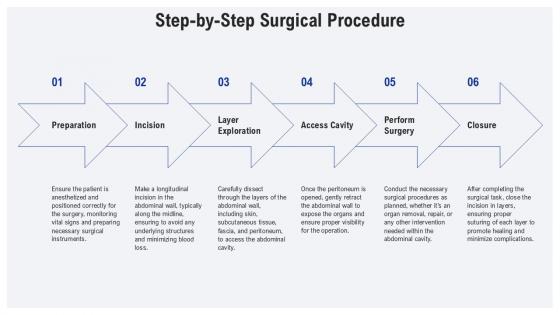
So you'll start with anesthesia and positioning - that part's pretty routine. Make your incision (midline or transverse, depends on what you're dealing with). Open the peritoneum carefully and explore to see what's going on in there. This is where things get wild - could be a quick appendectomy or some crazy complex bowel situation. Address whatever the main problem is first. Irrigate if you need to, check for any bleeding. Then close in layers. Oh, and seriously - do your instrument count before closing. I've seen people get burned on that more times than I can count!
Yeah, surgical approach totally matters for outcomes. Open laparotomy gives you way better visualization - especially for tricky cases - but recovery's longer and you get bigger scars. Laparoscopic is great because smaller incisions mean less pain and faster healing. Though honestly? The learning curve's brutal if you're not doing them constantly. I'd match your approach to how complex the case is and what you're comfortable with. Oh, and don't feel bad about converting from lap to open mid-surgery - I've seen too many people try to push through when they shouldn't. Patient safety wins every time.
Get them moving within 24 hours - seriously, it makes such a difference for preventing pneumonia and clots. Watch that incision site like a hawk for infection or any opening up. Bowel function gets weird after abdominal stuff, so expect some ileus issues. Pain control is huge obviously. I always warn people the first couple days absolutely suck, then it turns around fast. Don't forget fluid balance and keep watching for bleeding. Oh, and any signs their organs aren't happy. Catching problems early is everything - once things spiral it's so much harder to fix.
Honestly, just go with median most of the time. Healing's faster, less painful, and you won't see as many hernias later. Plus it's way easier to close - straight through the linea alba without messing up muscle. Yeah, paramedian used to be the hot thing because everyone thought it'd prevent hernias, but that theory kinda fell flat. Those cuts go right through muscle though, so patients hurt more afterward. I mean, unless there's some weird anatomy going on, median's your best bet. Your patients will definitely appreciate it.
Honestly, adhesions are the biggest worry - they can cause bowel blockages years later. Incisional hernias happen a lot too when the muscle layers don't heal right. Chronic pain at the scar is pretty common, especially if nerves got damaged. Some people just feel... off digestively afterward? Like their gut never quite goes back to normal. The mental stuff is real too - I've seen patients get super anxious about their belly afterward. Definitely make sure they know the warning signs of obstruction though. That's the one that'll send them to the ER.
Honestly, laparotomy has come such a long way - way more precise now. Better imaging like CT and MRI gives surgeons basically a roadmap before they cut, so fewer surprises during surgery. The tools are just better too - advanced electrocautery, improved retractors that don't trash the surrounding tissue as much. ERAS protocols are probably the biggest game-changer though. Gets patients moving way faster post-op, shorter hospital stays. My cousin had one last year and was shocked how quickly she bounced back compared to what she expected. If you're doing open procedures, definitely worth looking into those enhanced recovery elements.
Honestly, laparotomy is what you do when someone's about to die and you need to get in there fast. Massive bleeding, perforated bowel, trauma cases where organs might be shredded - that kind of stuff. Sometimes imaging isn't telling you jack and the patient's circling the drain, so you just have to open them up. It's literally the "we need answers NOW" surgery. Look, if you're even wondering whether they need emergency surgery, they probably do. Don't second-guess yourself on this one - I've seen too many people hesitate when time matters most.
Dude, so much depends on the actual patient you're dealing with. Age matters obviously - a healthy 40-year-old can bounce back from pretty much anything, but that frail 90-year-old with diabetes and heart issues? Totally different conversation. I always look at whether they can actually handle the stress of being cut open for hours. Sometimes though, if they're crashing hemodynamically, you don't really get to choose the gentle approach. Functional status is huge too - are they walking around fine or barely getting by? It's really about seeing the whole picture, not just what's wrong surgically.
So minimally invasive is huge right now - surgeons are doing single-incision approaches whenever they can. The retractor systems have gotten way better, plus the visualization tech is honestly pretty impressive. Hand-assisted laparoscopic techniques are becoming more popular too since they're like a middle ground between open and fully minimally invasive. Even the CO2 insufflation improvements help patients feel way more comfortable afterward. Energy devices are more precise now, which means less trauma to surrounding tissue. I'd definitely stay up to date on the newer retractor designs. Oh, and talk to your OR team - they usually know which visualization equipment actually works well versus the stuff that's just marketing hype.
-
Understandable and informative presentation.
-
Top Quality presentations that are easily editable.