

Stp Analysis Powerpoint Ppt Template Bundles




Try Before you Buy Download Free Sample Product
 Impress Your
 Audience
 100%
100% Editable
 Save Hours
 of Time


Our Stp Analysis Powerpoint Ppt Template Bundles are topically designed to provide an attractive backdrop to any subject. Use them to look like a presentation pro.
People who downloaded this PowerPoint presentation also viewed the following :
Stp Analysis Powerpoint Ppt Template Bundles with all 17 slides:
Use our Stp Analysis Powerpoint Ppt Template Bundles to effectively help you save your valuable time. They are readymade to fit into any presentation structure.






FAQs for Stp Analysis Powerpoint
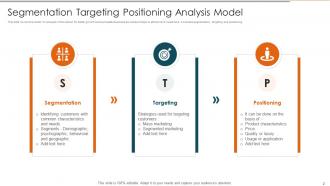
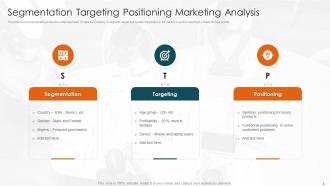
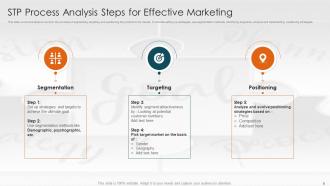
So STP is basically three steps you do in order. Segmentation comes first - break your market into groups based on demographics, behavior, whatever makes sense. Targeting is next where you pick which segments to actually go after (trust me, trying to target everyone is a disaster). Then positioning - how do you want those chosen groups to see your brand vs competitors? The whole thing works way better when these three actually line up. Oh and definitely nail down your segmentation criteria first, makes the other steps way smoother.
Dude, stop throwing your marketing budget at everyone and hoping something sticks. Group your audience first - like demographics, what they actually do, their needs. A college kid isn't gonna respond to the same ad as someone's mom, you know? When you dial this in, your click rates go up and you're not burning cash on people who'll never buy anyway. Honestly, most people overthink this part. Just pick your top 2-3 customer types and try different messages for each group. Way better than that spray-and-pray approach everyone's doing.
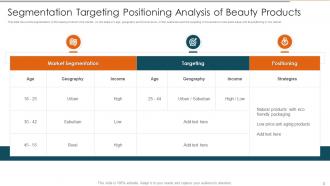
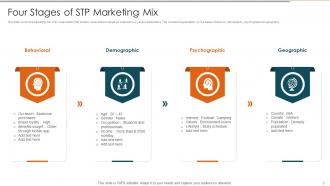
Look at four main things when segmenting: demographics (age, income, where they live), psychographics (their values and lifestyle), how they actually behave as customers, and location differences. Honestly, the behavioral data is where you'll find the real insights - way more useful than just knowing someone's age, you know? Make sure your segments are big enough to actually matter profit-wise and that you can reach them. I'd start with your current customer data to see what patterns pop up. Then do some research to double-check before you build your whole strategy around it. Oh, and don't forget some segments might overlap weirdly.
So for B2B stuff, I'd start with firmographics - company size, industry, revenue, where they're located. Behavioral data is solid too, like how they buy or what tech they use. B2C is totally different though. Psychographics work way better there - lifestyle, values, that kind of thing. Plus demographics like age and income obviously. Geography matters for both but in weird ways - B2B might be "manufacturing areas" while B2C could be "city millennials." I actually think B2B is easier since business decisions make more sense than consumer ones. Start with firmographics for B2B, psychographics for B2C, then add behavioral stuff on top.
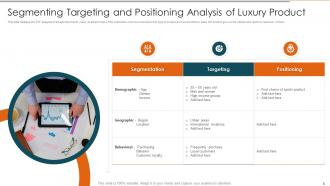
Ok so demographic segmentation is basically figuring out who your customers actually are, then building for them specifically. Age, income, lifestyle - all that stuff directly impacts what features make sense. A Gen Z fitness app needs completely different social features and UI than something for older users, you know? I'd start by mapping your main demographic groups to what they actually need and can pay for. Otherwise you'll waste time building features that sound cool but totally miss the mark. Your whole product roadmap should reflect these real constraints and preferences - it's honestly the difference between success and building something nobody wants.
Ok so psychographic segmentation is basically figuring out the *why* behind what people buy - their values, lifestyle stuff, what they actually care about. Way more useful than just knowing demographics. Sure, a 35-year-old married professional tells you something, but learning they're super eco-conscious and will pay extra for convenience? That's where the magic happens. You can create messaging that actually hits emotionally instead of just guessing. Honestly, it's so much better for predicting what someone might buy next compared to just age/income data. I'd start by surveying your current customers about their interests and values - that'll give you solid profiles to work with.
So geographic segmentation is basically figuring out where to enter markets and how to tweak your approach for each spot. I'd start by mapping out regions based on population density, income, climate - you know, the usual suspects. Different areas need totally different messaging though. Like urban vs rural audiences are practically different species sometimes. Your pricing might change too depending on local economics. It's honestly similar to how dating apps work but for finding your ideal business markets (weird comparison but it fits). Bottom line: ditch the one-size-fits-all strategy and customize for each location you're targeting.
Honestly, you can't do STP without decent market research - it's like building a house without checking if the ground is solid first. Research shows you which segments actually exist and matter, plus what people really want (not what you think they want). Quantitative stuff gives you the numbers - segment sizes, market potential, all that. But don't skip the qualitative side either, because that's where you find out why customers tick. I've seen too many companies skip this step and just wing it based on gut feelings. Spoiler alert: it rarely works out well. The research basically tells you if your positioning will actually land.
Keep a close eye on your segments - things change fast. Customer habits shift, competitors do weird stuff, and economic changes mess with everything. That goldmine segment from last year? Could be totally dead now (seriously happens all the time). Don't go all-in on one segment though. Spread your bets and always have backup targets ready. I'd say run quarterly check-ins on your whole strategy. If the data shows people aren't responding, switch up your messaging or jump to different segments entirely. Stay flexible and follow what the numbers tell you.
Honestly, the biggest mistake I see is people slicing their market way too thin - you end up with segments so small they're useless. Customer needs shift constantly too, so don't treat your segments like they're set in stone. Oh, and here's something that drives me crazy: teams get obsessed with what competitors are doing instead of just focusing on actual customer value. You also can't pick segments based on wishful thinking - use real data, not what sounds good in theory. Make sure you can actually reach these people and measure the segment size. Otherwise you're just shooting in the dark. Always test your assumptions with actual customers first.
Think of STP as your cheat sheet for standing out. You segment the market, pick your target audience, then figure out where you fit. That's where it gets interesting - positioning reveals the gaps competitors miss and problems customers still have. Honestly, most brands skip this step and wonder why their messaging falls flat. Use those insights to build a USP that actually connects because it's rooted in real data. Map out what your target segment needs but isn't getting, then see where competitors are dropping the ball.
So basically you need to watch the money stuff first - revenue per segment, customer lifetime value, conversion rates. That's where you'll actually see if this is working. Email opens, time on site, how often people buy within each segment - all good indicators too. Campaign response rates are probably my favorite metric though, super easy to measure and tells you everything. Oh and definitely compare your segments against each other AND your old pre-segmentation numbers. Don't go crazy with like 20 metrics right away. Pick 3-4 solid ones or you'll just confuse yourself with too much data.
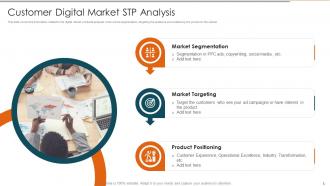
So STP is like your game plan for digital ads. First, you segment your audience using social data and analytics - figure out who's actually out there. Pick which segments you'll target (don't try to hit everyone, that's where campaigns go to die). Then position differently for each group. What this looks like: separate ad sets for different audiences, customize your messaging for each, pick platforms where they actually spend time. Oh and definitely audit your current stuff first - you might already be doing some of this without realizing it.
Nike's probably the best example - they don't just sell shoes, they create totally different campaigns for runners vs basketball players. Geographic stuff works great too, like how Coke changes flavors for different countries (honestly didn't know this until recently). Apple's genius at targeting the "I'm creative and have money" crowd. Netflix? Their algorithm is basically behavioral segmentation on steroids. The thing all these companies do right is they actually stick to their guns. They don't try being everything to everyone. Pick your segment and go all-in instead of spreading yourself too thin across random targets.
So AI can dig through tons of data and find tiny customer segments you'd miss otherwise. Predictive stuff helps you see where segments are heading before they get there. Social listening tracks what people actually care about in real time - that part's honestly pretty game-changing. You can even use AR/VR to test positioning ideas without committing to a full launch. Oh, and automated monitoring keeps tabs on your segments 24/7. My advice? Don't go crazy trying everything at once. Pick one or two tools first, see what works for your situation.
-
“Ample and amazing variety of templates available, really helpful for making professional PPT for day to day workings.”
-
The best collection of PPT templates!! Totally worth the money.