


Options Analysis Powerpoint Ppt Template Bundles




Try Before you Buy Download Free Sample Product
 Impress Your
 Audience
 100%
100% Editable
 Save Hours
 of Time


Our Options Analysis Powerpoint Ppt Template Bundles are topically designed to provide an attractive backdrop to any subject. Use them to look like a presentation pro.
People who downloaded this PowerPoint presentation also viewed the following :
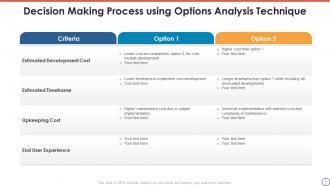
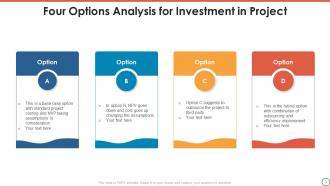
Options Analysis Powerpoint Ppt Template Bundles with all 11 slides:
Use our Options Analysis Powerpoint Ppt Template Bundles to effectively help you save your valuable time. They are readymade to fit into any presentation structure.
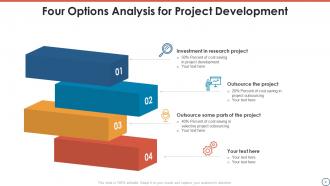
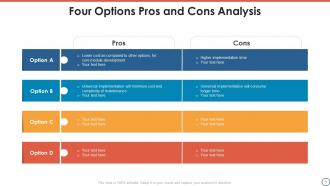
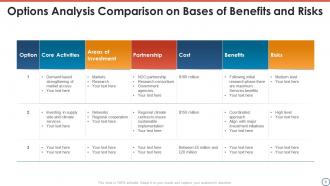
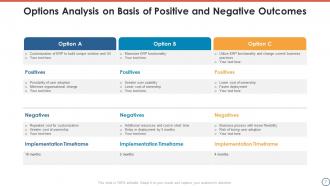
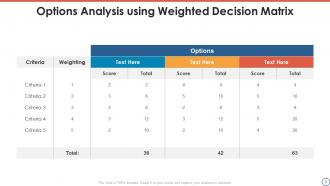
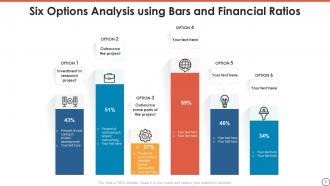
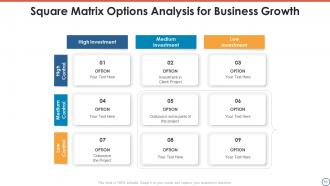
FAQs for Options Analysis Powerpoint
Check the Greeks first - delta, gamma, theta, vega show how your position moves. Compare implied vol to historical vol so you know if you're overpaying. Time decay is absolutely ruthless, factor in your timeline. Wide bid-ask spreads will kill you, so liquidity matters big time. Also peek at open interest and volume - you don't want to get stuck holding something you can't sell. Honestly, IV crush after earnings has burned me more times than I'd like to admit. Paper trade this stuff first before putting real cash on the line.
Options can totally flip your risk around depending on what you're going for. Covered calls cut your downside but you're capped on gains. Protective puts are basically insurance - costs money upfront but saves you if things go south. Iron condors and straddles are more about playing volatility than betting on direction. The math gets crazy complex with some of these, honestly. I'd focus on matching whatever strategy to how much risk you can stomach and where you think the market's headed. Don't just pick something because it sounds fancy - learned that one the hard way.
Volatility basically drives option prices - more volatile stock means pricier options. Makes sense right? Wild swings give your option better odds of hitting, so people pay up. The market prices in "implied volatility" based on what everyone expects to happen. But here's what sucks - volatility changes super fast and can wreck your trade even when you nail the direction. I learned this the hard way lol. Always peek at implied vol before buying, especially around earnings when it goes nuts.
Options are pretty cool for diversification - way more than just buying different stocks. Protective puts work like insurance on your positions. Covered calls? They generate income from stocks you already own, which is nice. Think of it as having multiple tools instead of just one approach. Spreads let you bet on sideways markets too, honestly that's where some people make decent money. I'd start with covered calls on stocks you're comfortable holding long-term anyway. Low risk and you'll get a feel for how the income side works.
So there's no direct formula for this - you gotta use numerical methods. Newton-Raphson is probably your best bet since it's fast and uses vega to converge quickly. Bisection method is more reliable but way slower, which is annoying. Brent's method is kinda like a hybrid approach that's pretty solid too. Honestly though, most platforms just do this stuff automatically in the background. If you're building it yourself, go with Newton-Raphson but make sure your initial volatility guess is decent or it'll struggle to converge. I spent way too much time debugging that once.
Ugh, theta is such a pain when you're buying options. Basically your option bleeds value every single day just because time's passing - even if the stock doesn't move against you. The closer you get to expiration, the faster it dies. It's like watching money evaporate, honestly the worst part of options trading. But here's the flip side - if you're selling options, theta becomes your best friend since you want them to expire worthless. Timing matters a ton though. Don't hold long positions too close to expiration unless you're super confident. Maybe consider some selling strategies instead?
Track your P&L percentage, win rate, and risk-adjusted returns - those are the ones that actually matter. P&L shows how much you're making per dollar you risk. Win rate is just how often your trades work out. The risk-adjusted stuff matters because honestly, wild swings that stress you out aren't worth it even if you're making money. Also keep an eye on max drawdown and how long you typically hold positions before closing. Look back at your last 20 trades and run these numbers - you might be surprised at what you find versus what you think you're doing.
Bull markets? Go with covered calls or cash-secured puts to ride that momentum up. When things turn bearish, protective puts and bear spreads are your friend. But honestly, volatility matters way more than market direction most of the time. High vol means you can sell premium with iron condors and actually make decent money. Low volatility's great for buying cheap options. Sideways markets are perfect for theta strategies - just collect premium while time does the work. Always peek at the VIX first though, it'll show you whether to buy or sell.
Dude, most people mess up by only caring about direction - they totally forget options lose value every single day. Time decay will kill you. Also volatility changes can wreck your trade even if you're right about where the stock's headed. Don't overcomplicate things starting out, simple strategies work better anyway. Oh and those way out-of-the-money options? The stock needs to move WAY more than you think to actually make money. Seriously, paper trade first and don't bet money you can't lose. Check those bid-ask spreads too - some are ridiculously wide.
Dude, tech tools are absolutely crucial for options trading. They crunch huge amounts of data and catch patterns you'd miss otherwise. Bloomberg Terminal and Thinkorswim are solid choices - they'll show you Greeks, implied volatility, all that good stuff in real-time. Trading options without proper software? That's just asking for trouble honestly. These platforms let you visualize different scenarios and backtest your strategies. Oh, and the alerts are clutch when positions hit your targets. I'd start with whatever analytics your broker offers first, then maybe upgrade later if you get more serious about it.
Honestly, puts are probably your best bet here - basically insurance for when your portfolio tanks. Buy them on your biggest holdings or just grab some SPY puts to cover the whole market. When everything crashes, those puts go up and offset your losses. You could also try selling covered calls on stuff you already own for extra income, though let's be real - the premiums won't save you in a major crash. Protective collars work too (buy puts, sell calls on same stock) but you're capping your upside. I'd mess around with small put positions first so you understand the pricing before things actually go sideways.
So American options? You can exercise them whenever you want before they expire. European ones only let you exercise right at expiration. Makes the math way different tbh. Black-Scholes works fine for European options since there's just one exercise date. American options though - ugh, you need binomial trees or Monte Carlo because there's no neat formula. Early exercise gets especially weird with puts when they're deep in-the-money. Honestly I'd start with European options first. Way cleaner to understand. Then you can deal with all the early exercise headaches later.
So the Greeks are basically your risk gauges for options trading. Delta shows how much your option price moves when the stock moves $1. Theta tracks time decay - honestly this one hurts if you're not paying attention. Gamma measures how your delta changes, and vega is all about volatility swings. You don't want to trade blind without these. I'd start with just delta and theta since those are the daily killers, then worry about the others once you get the hang of it. It's like having your car's dashboard vs just guessing what's going on.
Macro stuff totally changes how options play out. When rates move, your time decay math gets wonky. Economic uncertainty jacks up premiums everywhere - which can be annoying if you're buying but great if you're selling. Inflation messes with your delta hedging too. Employment numbers and Fed decisions? They'll wreck complex spreads faster than you think. I always peek at the economic calendar before doing multi-leg trades now. Learned that one the hard way! Just think about how those macro events might hit your Greeks throughout the trade.
Honestly, backtesting is a game-changer for options trading. You're basically testing your strategies against real historical data to see what actually would've happened - way better than just guessing. I usually look back 2-3 years to spot which approaches work in different market conditions. You can fine-tune your entry and exit points, figure out volatility patterns. Just make sure you're accounting for spreads and slippage because otherwise your results will be too optimistic. It's kinda like having a crystal ball, but backwards if that makes sense. Start with whatever strategy you're using now and see where you can tweak it.
-
Unique research projects to present in meeting.
-
I discovered this website through a google search, the services matched my needs perfectly and the pricing was very reasonable. I was thrilled with the product and the customer service. I will definitely use their slides again for my presentations and recommend them to other colleagues.
-
Innovative and attractive designs.
-
Top Quality presentations that are easily editable.
-
Great experience, I would definitely use your services further.