


Travel Agency Business Plan Powerpoint Presentation Slides




Try Before you Buy Download Free Sample Product
 Impress Your
 Audience
 100%
100% Editable
 Save Hours
 of Time


The travel agency business is a part of the travel and tourism industry that focuses on providing affordable and customized packages to travelers. Check out our efficiently designed Travel Agency Business Plan template. It covers details regarding the company executive summary the quick pitch providing information about the business the market trends and the opportunities available in the industry. Our Tourism Industry deck displays the key success factors mission vision and the start-up summary including all the necessary expenses. It exhibits the potential growth analysis including SWOT analysis and Porters five force analysis model customer analysis and market sizing including TAM SAM and SOM. Additionally our Trip Planning module has an offline and online marketing strategy and sales funnel for customer retention. The financial summary includes the basic assumptions which are used for estimating the future scenario analysis showing nominal optimistic and pessimistic cases profit and loss statement cash flow statement balance sheet and providing a DCF valuation model for the business after five years with a graphical representation of all the three financial statements. Get access now.
People who downloaded this PowerPoint presentation also viewed the following :
Content of this Powerpoint Presentation
Slide 1: This slide introduces Travel Agency Business Plan. Commence by stating Your company name.
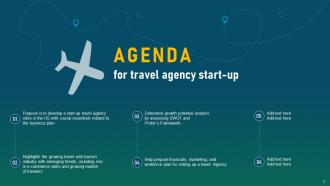
Slide 2: This slide depicts the Agenda of the presentation.
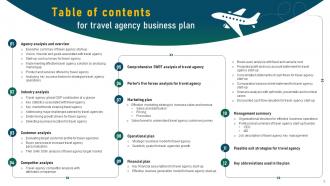
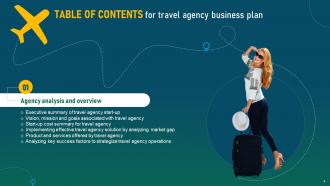
Slide 3: This slide includes the Table of contents.
Slide 4: This slide highlights the Title for the Topics to be covered further.
Slide 5: This slide presents the Executive summary of travel agency start-up.
Slide 6: This slide covers the travel agency industry's vision, mission, and goals.
Slide 7: This slide provides information about start-up expenditures that incur during the process of establishing a travel agency store.
Slide 8: This slide deals with Implementing effective travel agency solution by analyzing market gap.
Slide 9: This slide shows the Product and services offered by travel agency.
Slide 10: This slide focuses on Analyzing key success factors to strategize travel agency operations.
Slide 11: This slide includes the Heading for the Contents to be discussed further.
Slide 12: This slide portrays Travel agency global GDP contribution at a glance.
Slide 13: This slide states the Key statistics associated with travel agency.
Slide 14: This slide continues the Key statistics associated with travel agency.
Slide 15: This is yet another slide contiuing the Key statistics associated with travel agency.
Slide 16: This slide is an extension of the Key statistics associated with travel agency.
Slide 17: This slide exhibits the Key market trends shaping travel agency.
Slide 18: This slide mentions about Addressing the major challenges catered by travel agencies.
Slide 19: This slide deals with Determining growth drivers for travel agency.
Slide 20: This slide emphasizes on Selecting business location for travel agency.
Slide 21: This slide includes the Title for the Ideas to be covered in the upcoming template.
Slide 22: This slide covers an assessment of how the agency's products will fit into a particular market.
Slide 23: This slide continues an assessment of how the agency's products will fit into a particular market.
Slide 24: This slide portrays Buyer personas to increase travel agency personalization.
Slide 25: This slide reveals the TAM SAM SOM analysis of travel Agency target market.
Slide 26: This slide includes the Heading for the Ideas to be discussed further.
Slide 27: This slide shows the Travel agency competitor analysis with attributes comparison.
Slide 28: This slide contains the Title for the Contents to be covered further.
Slide 29: This slide presents a Comprehensive SWOT analysis of travel agency.
Slide 30: This slide highlights the Heading for the Topics to be discussed next.
Slide 31: The slide reveals porter’s five forces model and its implications in the US travel agency.
Slide 32: This slide indicates the Title for the Ideas to be coveerd in the upcoming template.
Slide 33: This slide displays the Effective marketing strategy to increase sales and revenue.
Slide 34: This sldie continues the Effective marketing strategy to increase sales and revenue.
Slide 35: This slide focuses on Effective marketing strategy to increase sales and revenue in terms of Pricing.
Slide 36: The purpose of this slide is to implement an effective go-to-market strategy.
Slide 37: This slide continues the Effective marketing strategy to increase sales and revenue.
Slide 38: This slide illustrates the Sales funnel to understand travel agency customer journey.
Slide 39: This slide indicates the Heading for the Ideas to be covered in the following template.
Slide 40: This slide displays the Strategic business model for travel agency.
Slide 41: This slide depicts the Quarterly goals for travel agencies growth.
Slide 42: This slide contains the Title for the Contents to be discussed further.
Slide 43: This slide states the Key financial assumptions for travel agency start-up.
Slide 44: This slide presents the Effective revenue generation model for travel agency start-up.
Slide 45: The slides highlights the break-even analysis of the firm.
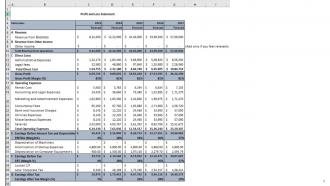
Slide 46: This slide displays the Projected profit and loss account statement for travel agency start-up.
Slide 47: This slide continues the Projected profit and loss account statement for travel agency start-up.
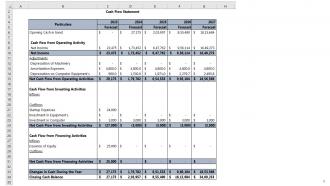
Slide 48: This slide portrays the Consolidated statements of cash flows for travel agency start-up.
Slide 49: This slide continues the Consolidated statements of cash flows for travel agency start-up.
Slide 50: This slide reveals the Comparative balance sheet statement for travel agency start-up.
Slide 51: This slide continues the Comparative balance sheet statement for travel agency start-up.
Slide 52: This slide depicts the Scenario analysis with optimistic, pessimistic and nominal cases.
Slide 53: This slide continues the Scenario analysis with optimistic, pessimistic and nominal cases.
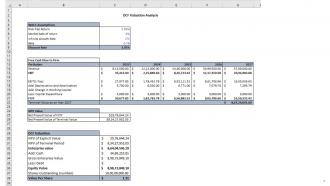
Slide 54: This slide exhibits the Discounted cash flow valuation for travel agency start-up.
Slide 55: This slide includes the Heading for the Ideas to be further discussed.
Slide 56: This slide represents the Organizational structure for effective business operations.
Slide 57: This slide highlights the founder’s biggest professional achievements and most valuable skills.
Slide 58: This slide presents the founder’s biggest professional achievements and most valuable skills.
Slide 59: This slide reveals the Job description of travel agency key management.
Slide 60: This slide continues the Job description of travel agency key management.
Slide 61: This slide depicts the Title for the Contents to be covered in the following template.
Slide 62: This slide states the Possible exit strategies for travel agency.
Slide 63: This slide contains the Title for the Topics to be discussed further.
Slide 64: This slide indicates the Key abbreviations used in the plan.
Slide 65: This is the Icons Slide containing all the Icons used in the plan.
Slide 66: This slide is used for showcasing some Additional information.
Slide 67: This slide represents the organization's Location across the globe.
Slide 68: This is Our goal slide. State your firm's goals here.
Slide 69: This slide elucidates information related to the Financial topic.
Slide 70: This is the Puzzle slide with related imagery.
Slide 71: This is the 30 60 90 days plan slide for effective planning.
Slide 72: This slide exhibits the company Timeline.
Slide 73: This is the Venn diagram slide.
Slide 74: This slide contains the mission, Vision, and goals of the organization.
Slide 75: This slide presents the firm's Roadmap.
Slide 76: This is the Thank You slide for acknowledgement.
Travel Agency Business Plan Powerpoint Presentation Slides with all 81 slides:
Use our Travel Agency Business Plan Powerpoint Presentation Slides to effectively help you save your valuable time. They are readymade to fit into any presentation structure.










































































FAQs for Travel Agency Business Plan
Start with your target market and what services you're actually offering - that's your foundation. Marketing strategy and operational setup come next, plus you'll need solid financial projections for startup costs and revenue. The licensing stuff is tedious but you can't skip it, same with airline/hotel partnerships. Pricing is honestly make-or-break since travel margins suck. Technology matters more than people think - a crappy booking system will kill you fast. Oh, and write an executive summary that actually grabs investors instead of putting them to sleep.
Look, market research is gonna save you from making expensive mistakes. It shows you what travelers actually want vs what your competitors are offering - sometimes there's a huge gap nobody's filling. Like maybe everyone's doing luxury stuff but families need budget options? The data helps you nail down your target customers and their weird booking habits (seriously, people are unpredictable). You can't just wing pricing and services without knowing what's actually selling. Use what you find to build realistic revenue projections and marketing that doesn't suck. Otherwise you're basically throwing darts blindfolded.
So you'll need revenue projections - think commission from bookings, package sales, service fees. Startup costs are huge: office space, licensing, booking software, marketing budget. Monthly expenses too like salaries and rent. Oh and credit card fees - those things are brutal, way more than you'd expect. Cash flow projections are super important, especially monthly for year one since travel gets crazy seasonal. Honestly? Be conservative with your numbers. Way better to beat low expectations than scramble when you've been too optimistic about everything.
Honestly, stop trying to be everything to everyone - that's a losing game. Pick something super specific like solo female adventure travel or accessible tourism and own it completely. Generic trip planning? You're competing with Expedia and that's brutal. Your edge comes from knowing your niche inside and out. Build those relationships with local operators that others can't easily copy. Create trips people literally can't book anywhere else. Oh, and definitely survey your current customers first - ask what drives them crazy about travel planning. That's gold right there.
Tech is honestly everything for travel agencies now. You can't compete without it. Get a solid CRM to remember what clients like, plus booking platforms that connect to airlines and hotels. Mobile apps for updates are pretty much expected too. Social media tools matter since everyone gets travel ideas from Instagram these days - it's crazy how much that drives bookings. But here's the thing: use tech to make your personal service better, not replace it completely. Map out how customers interact with you and figure out where tech can smooth things over.
Look at your existing customers first - what ages, income levels, how often they travel. Social media data is seriously underrated for this kind of stuff. Survey people who've booked with you about why they picked you instead of competitors. Build detailed profiles from all that info, then run targeted campaigns for each group. Don't try appealing to literally everyone though, that's where most people mess up. Pick the 2-3 demographics with best conversion rates and customer lifetime value. Focus your ad spend there instead of spreading it thin everywhere.
Digital marketing and partnerships are your best bet. Instagram's perfect for this - those dreamy travel photos and customer stories perform like crazy. Google Ads work great since people are literally searching for deals. Partner up with hotels and airlines for referrals. Oh, and don't sleep on email marketing - it's boring but people actually book repeat trips from those newsletters. Content like travel blogs builds trust too. My cousin runs a small agency and swears by starting with just Facebook and Google first. You can always add more channels once you've figured those out.
Dude, you've gotta look up your state's licensing stuff before doing anything else. Some states want like $20K+ bonds while others barely ask for paperwork - it's honestly all over the place. Budget for licensing fees, bonds, and compliance costs upfront because they add up fast. Also factor in how long getting licensed takes since you can't sell anything until then. I learned this the hard way when I was researching business ideas last year. Your whole financial plan basically needs to work around these requirements and timelines first.
Hotels and airlines are your bread and butter - they'll hook you up with better rates and exclusive deals. But honestly, the real money maker is partnering with local stuff like restaurants or adventure companies. Creates packages nobody else can offer. Corporate travel partnerships are where it's at though - steady income instead of chasing one-off bookings. Also don't ignore travel bloggers and influencers. Their followers actually listen to them, unlike regular ads that everyone skips. Figure out what you're missing first, then hit up whoever can fill those gaps.
Dude, the biggest mistake is thinking you'll get clients right away - you won't. Startup costs are brutal too. All those licensing fees, insurance, booking software subscriptions? They pile up quick. Oh, and don't just steal someone's marketing playbook because luxury travel tactics will totally flop for budget trips. You need a specific target market, not just "travelers" (aka literally everyone lol). Research your competition hard and save up at least 6 months of expenses before you even think about launching. Trust me on this one.
Put customer feedback right into your service plans and pricing sections - don't just mention it once. Post-trip surveys work great, plus monitor social media and review sites religiously. Trust me, we ignored booking complaints for way too long and it bit us hard! Short surveys get better response rates, honestly. That data shows you service gaps and popular spots that competitors miss. Include real metrics like Net Promoter Scores and response goals. The key is making feedback collection part of your daily routine, not something you remember occasionally. It'll shape your whole customer strategy.
Dude, flexibility is everything in this business. The travel industry gets turned upside down constantly - pandemics, natural disasters, whatever. I've watched so many agencies just vanish because they couldn't roll with the punches. Your business plan can't be this rigid thing sitting in a drawer somewhere. Multiple revenue streams are your friend, and you need cash reserves for when things get messy (and they will). Also maybe check in on your plan every few months? Markets shift, new trends pop up overnight. Honestly, the agencies that survive are the ones that can pivot fast without completely losing their minds.
Honestly, start by ditching your current hotel partners who aren't eco-certified and find ones that actually care about the environment. Carbon offset programs are huge right now - clients eat that stuff up. I'd focus on slow travel packages too since people are getting tired of those crazy rushed trips anyway. Local tour operators over big chains, always. Oh and you can totally niche down into wildlife conservation or community tourism - way less competition there. Just gradually swap out suppliers and make sure you're shouting about these changes to the eco-conscious crowd. They'll pay more for guilt-free travel, trust me.
Get QuickBooks or Xero first - they're solid for invoicing and expense tracking. Payment stuff like Stripe makes client deposits way easier. Spreadsheets are honestly still perfect for cash flow projections when you're starting out (I know, I know, but they work). Expensify's great for tracking your own travel costs. Some booking platforms have decent financial dashboards too if you want everything connected. Oh, and set up automatic bank reconciliation right away - seriously, it saves so much time later. You can always get fancier with the tech stuff once you're making money.
Your business plan needs a whole section on crisis stuff - natural disasters, pandemics, economic crashes, you name it. COVID absolutely destroyed agencies that weren't prepared, which was honestly most of them. Map out your emergency communication, refund policies, and how you'd pivot services when things go sideways. I'd also build in financial cushions and partnerships with suppliers who can be flexible. Oh, and make sure everyone knows their role during emergencies. The biggest thing? Run through different disaster scenarios beforehand. Way better than scrambling when you're actually in crisis mode.
-
Fantastic and innovative graphics with useful content. The templates are the best and latest in the industry.
-
Helpful product design for delivering presentation.