

Us healthcare system ppt presentation examples




Try Before you Buy Download Free Sample Product
 Impress Your
 Audience
 100%
100% Editable
 Save Hours
 of Time


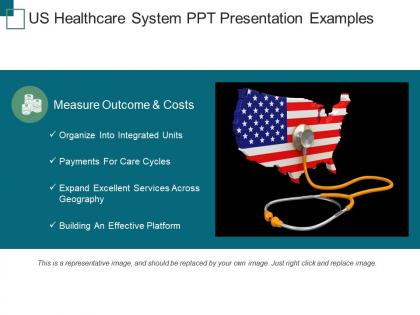
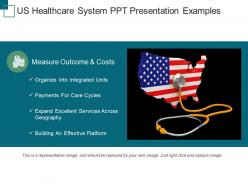
In the case, if you looking for an advanced medical PPT template on the concept of health services than you should use our ready to use US healthcare systems PPT slide. It will help in evaluating the measures of healthcare services. Use this health system PPT diagram to develop a model of growth in the field of human services. It will work as an effective tool for the experts researching on the field of US health service sector such as the health experts, health care professionals, medical students and more. The Pharma companies to evaluate the scope of growth for their industry can also use this health care framework PPT diagram. One can also define the several elements related within the health care system with this PowerPoint design such as the US hospital systems, the health insurance and health programs and more. Thus, simply click on the download link to make an informational Presentation on the concept of US health system. Feel extremely fortunate with our Us Healthcare System Ppt Presentation Examples. The extra bonus will delight you.
People who downloaded this PowerPoint presentation also viewed the following :
Us healthcare system ppt presentation examples with all 5 slides:
Our Us Healthcare System Ppt Presentation Examples can add a comic angle. Let the audience enjoy a bit of fun.


FAQs for Us healthcare system
Ugh, honestly? It's such a mess right now. Costs are insane - like, even with insurance you're still paying crazy deductibles. Access is another nightmare, especially if you're not in a big city. Rural areas are getting hammered with hospital closures. Quality's all over the place too depending on where you live and what you can shell out. My cousin in Montana has to drive 2 hours just to see a specialist. Anyway, definitely shop around for doctors and actually read through your insurance stuff before you need it. Sounds boring but it'll save you headaches later.
Yeah, we spend like double what other countries do per person on healthcare but somehow get worse results? Makes zero sense. Canada, UK, Germany - they all have lower infant mortality and people live longer. Meanwhile we're over here with crazy high drug prices and people just... not going to the doctor because they can't afford it. Administrative costs are insane too - so much bureaucracy. Honestly the whole system feels broken when you dig into it. Commonwealth Fund has solid reports on this if you need actual data to back it up.
Dude, healthcare tech is moving so fast right now. Electronic records mean your doc can instantly see what the specialist said last week. Telemedicine saves you from sitting in waiting rooms for basic stuff - honestly wish I'd used it sooner for my skin thing. AI actually helps catch things doctors might miss in scans and tests. Plus all the boring stuff like scheduling and prescription refills happens automatically now. Remote monitors track chronic conditions from home, which is clutch. When you're picking doctors, go with ones who've upgraded their systems. The difference in efficiency is night and day.
Honestly, your insurance pretty much controls what healthcare you can actually afford here. Good coverage means cheap copays and you'll actually go to the doctor when you should - preventive stuff, specialists, whatever. Crappy insurance though? You'll probably skip appointments or put off getting that weird mole checked because who has $200 lying around. Even decent plans can screw you over if they have those ridiculously high deductibles. I learned this the hard way last year. Anyway, definitely look over your benefits each year and figure out what your out-of-pocket max is so you're not surprised.
Dude, the numbers are honestly pretty wild when you look at what's coming. Baby Boomers hitting their 70s and 80s means healthcare demand is about to explode - we're talking chronic disease management, long-term care, all that expensive stuff. Costs will go through the roof since older people just need way more medical attention. Competition for nurses and doctors will get intense, wait times longer, insurance premiums higher. My aunt's already complaining about finding specialists. If you're doing any healthcare planning at work, factor this demographic tsunami in now before it hits.
Honestly, we need to flip how doctors get paid - right now they make more money treating sick people than keeping you healthy, which is pretty messed up if you ask me. Value-based care would actually reward prevention. Make screenings way more accessible through workplaces, expand community health stuff, use telehealth for quick check-ins. The biggest thing? Cost barriers. People just won't go if they can't afford it. We need policies making wellness visits completely free - not this "covered after you hit your deductible" nonsense that helps nobody.
Ugh, drug prices are just brutal right now. Patients literally have to choose between their meds and paying rent - I've seen people skip doses or split pills just to make them last longer. Obviously that makes everything worse and they end up in the ER, which costs everyone more money. It puts you in such a weird spot as a provider too, like you know what they need but you're constantly thinking "can they actually afford this?" Honestly, the whole thing is pretty messed up. Your best bet is learning about assistance programs and generic options - that stuff actually helps people navigate the chaos.
Money pretty much decides who stays healthy and who doesn't, which sucks but it's true. Poor folks can't afford insurance or decent food - they're stuck in food deserts and crappy housing. Meanwhile, rich people get preventive care and live in nice neighborhoods where they can actually jog without worrying about safety. Education matters too since it affects whether you understand what doctors tell you. Oh, and those community health assessments your city does? They'll show you exactly how bad the gap is just by comparing zip codes.
So there's a bunch of healthcare stuff in Congress right now. Medicare for All is the big flashy one - would kill private insurance completely, which seems pretty unlikely tbh. More realistic is the public option that'd compete with private plans. Drug pricing reform has the best shot though, letting Medicare actually negotiate prices instead of just accepting whatever pharma companies charge. Oh and there's ACA expansion talks, capping out-of-pocket costs and all that. Most of it's stuck because politics, but the drug thing might actually happen since both parties hate expensive meds. I'd watch that one if you need to track this stuff.
Honestly, telemedicine has been huge for rural areas. Patients can video chat with specialists instead of driving 3+ hours just for a 15-minute appointment. Remote monitoring helps with chronic stuff, and mental health services are actually accessible now - which is wild since most small towns have zero psychiatrists. ER visits drop too because people catch problems early rather than waiting until it's an emergency. The reimbursement situation got so much better after COVID hit (thank god). If you're not already exploring telehealth platforms, definitely worth checking out.
Ugh, mental health coverage is such a mess compared to regular medical stuff. Your copays will probably be higher and finding an in-network therapist? Good luck with that - the networks are way smaller. There's supposed to be this Mental Health Parity Act that makes insurers treat it the same as physical health, but honestly the enforcement is all over the place. I learned this the hard way when I was therapist hunting last year. Definitely dig into your specific plan details because you can't just assume it matches your regular medical benefits. Each plan does their own thing.
Dude, pharma companies basically own healthcare policy here. They dump billions into lobbying Congress and the FDA to get their way on drug approvals and pricing. The whole system is honestly pretty messed up - they'd rather push expensive brand names than cheap generics that actually help people. Your doctor's probably getting wined and dined by their reps too. It sucks because this affects what meds you can access and what you'll pay for them. Oh, and rare diseases? Forget about it unless there's serious profit involved. If you're stuck with pricey prescriptions, definitely check out patient assistance programs or ask about generics.
Look, it's been a mixed bag honestly. Prescription monitoring has cut down on docs handing out pills like candy, which helps. Naloxone is way more available now and literally saving people during overdoses. The medication-assisted treatment thing? Works great when people can actually get it - but that's the catch. Access is super patchy depending where you live. Progress has been painfully slow though, not like some miracle turnaround. If you're dealing with this stuff, the combo approach seems best - meds plus therapy together. That's what's actually moving the needle right now.
So the big things to watch for are consent, data limits, and discrimination stuff. Make sure you actually understand what they're doing with your info - those privacy policies are brutal to read but worth skimming. They should only grab what they need and encrypt it properly. What freaks me out most? Insurance companies or your boss potentially seeing your health records to decide coverage or whether to hire you. Genetic testing is weird too - like, do you own that data or what? Just ask upfront what they're collecting and who gets access. Don't just hand over sensitive stuff blindly.
Honestly, community health stuff is way smarter than people realize. Instead of waiting for someone to have a heart attack, you help them manage blood pressure early - saves tons of money. Prevention beats expensive ER visits every time. Things like diabetes programs, mental health support, even just making neighborhoods walkable actually work. Plus they tackle the bigger issues like food deserts and housing problems. I mean, it's basic math really. You should look into what's happening locally - there's probably initiatives you could support or push for more funding.
-
Great experience, I would definitely use your services further.
-
Unique and attractive product design.