


Healthcare administration powerpoint presentation slides





Try Before you Buy Download Free Sample Product
 Impress Your
 Audience
 100%
100% Editable
 Save Hours
 of Time


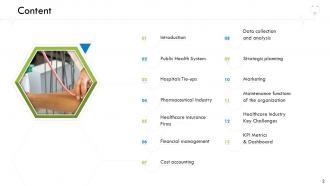
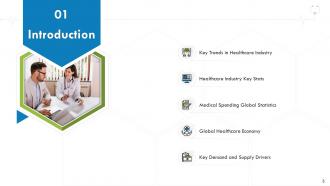
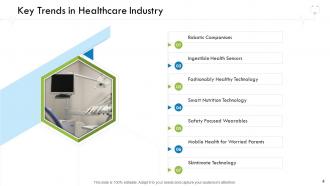
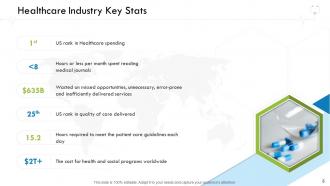
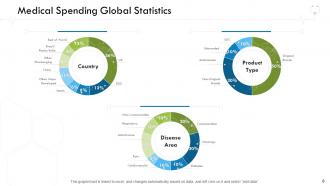
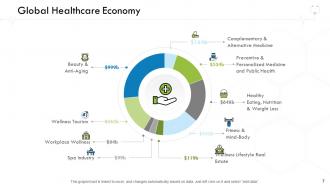
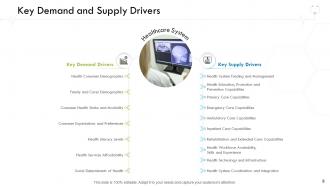
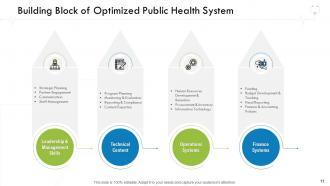
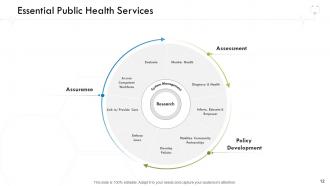
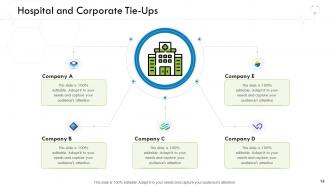
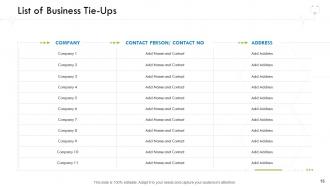
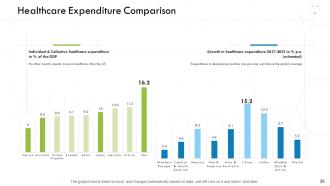
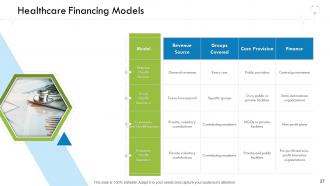
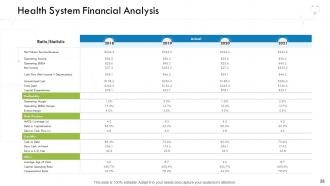
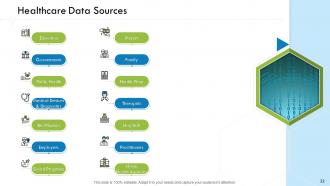
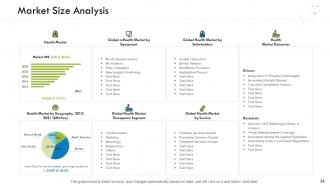
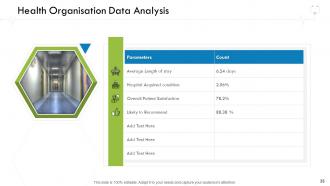
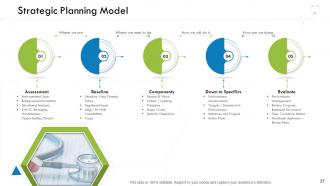
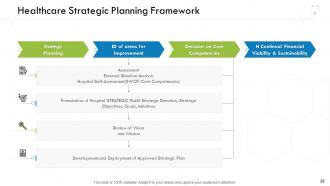
Presenting our Healthcare Administration PowerPoint Presentation Slides to develop a dynamic management system for non-clinical functions. Employ these professionally curated health administration PPT templates to illustrate the uptrends and downtrends in the medical sector. Share the list of modern health techs such as robotics companions, ingestible health sensors, smart nutrition technology, and mobile applications through this medical industry PPT slideshow. Utilize our hospitality PowerPoint layouts to highlight the global medical spending statistics and healthcare economy in a well-organized and structured tabular format. Elaborate on the key demand drivers in the healthcare system like consumer demographics, literacy levels, and affordability using this hospital administration PPT slideshow. State the importance of adequate healthcare management by taking the aid of these hospital sector PPT visuals. Showcase the framework of corporate and hospital tie-ups using this hospital network PowerPoint presentation and educate the audiences about the essential healthcare services. Download this health management PowerPoint deck and provide the data on healthcare sources like governments, education, and social programs.
People who downloaded this PowerPoint presentation also viewed the following :
Healthcare administration powerpoint presentation slides with all 66 slides:
Use our Healthcare Administration Powerpoint Presentation Slides to effectively help you save your valuable time. They are readymade to fit into any presentation structure.



FAQs for Healthcare administration
Honestly, you need both business and people skills - can't really pick one over the other. Financial stuff is huge since you're always dealing with budgets and metrics. But leadership matters just as much because you're managing everyone from doctors (who definitely think they know best) to the support staff who actually make everything work. Problem-solving comes up daily, plus you've got to know regulations like HIPAA. Oh, and data analysis - forgot that one but it's everywhere now. I'd say figure out what you're weakest at and work on that first.
Look, you'll want to get someone who actually knows these regs - like, really knows them, not just pretends to. Build out some basic checklists for your team's daily stuff. Train people when rules change (which happens way more than it should honestly). Run your own audits before the real ones show up. Oh, and this is huge - make sure people can report problems without getting thrown under the bus. Nobody talks if they're scared. Set up monthly check-ins to catch things early. Documentation's boring but it'll save you later. The whole culture thing matters more than most people think.
Honestly, data analytics is a game changer for healthcare admin decisions and cost cutting. Track patient flow patterns and predict when you'll need more staff. Billing inefficiencies become super obvious once you start looking at the numbers - same with readmission trends. I mean, the insights are actually pretty wild when you dig in. Use it for compliance reports, figuring out where resources should go, and quality metrics that genuinely impact patient care. My advice though? Don't try to do everything at once. Pick something specific like scheduling or maybe inventory management to start with.
So basically you're dealing with budgets, forecasting, and tracking all the money coming in from insurance/patients. Operational costs are a nightmare - staffing, supplies, everything adds up fast. Cash flow is honestly the worst part, like financial Tetris but more stressful lol. You'll need to watch metrics like accounts receivable and operating margins religiously. The tricky part? Keeping patients happy while not going broke. Oh, and payment processes are their own special hell. Start with learning your budget cycle first - that's your foundation. Once you get that down, the rest starts making sense.
Communication's the biggest thing - like actually listening to patients and giving them updates when stuff's running late. Check-in should be smooth too. Pain management follow-ups are critical, especially after procedures. But honestly? The random small stuff makes people happier than you'd expect. Comfortable chairs, decent signage, phone chargers - sounds silly but it works. Getting your staff trained on empathy is game-changing for how patients rate everything. I'd start with surveys to see what's actually bugging your patients specifically, then just focus on fixing the worst three things first.
Dude, healthcare admin is getting a total makeover right now. EHR systems are making patient records way less of a nightmare, and AI's taking over scheduling plus insurance pre-auths. Telehealth cuts down on so much paperwork too. The billing stuff? Mostly automated now - your team won't be drowning in manual claims anymore. Predictive analytics help you figure out staffing needs ahead of time, which is honestly pretty cool. Oh, and the changes just in the last couple years have been insane. I'd definitely look at what tech you're already using and see where you can automate the boring repetitive stuff first.
Dude, the money hits first - budgets get absolutely wrecked upfront. Getting your team to actually use the new system? Good luck with that, especially the people who've been doing things the same way forever. Data migration is where things get really fun (and by fun I mean terrifying) - one wrong move and you're missing critical info or dealing with security issues. Oh, and everything takes longer than planned. Training alone will eat up months. My advice? Start with a small pilot group and find your tech-savvy people early. They'll save your sanity when it all goes sideways.
Honestly, you can't just tell people to collaborate and expect magic to happen. Give them actual shared projects where they'll fail unless they work together - maybe a patient satisfaction thing or quality initiative. Those regular huddles? Make them worth people's time, not just boring updates. When departments actually help each other out, celebrate it publicly. Recognition works better than you'd think. Design your workflows so collaboration happens naturally instead of forcing it. Oh, and start small - pair up two departments on something manageable first. You'll learn a lot from how that goes.
Ugh, policy changes are the worst - they mess with literally everything. Your billing, staffing, how you handle patient data, all of it. New regulations come out and suddenly you're retraining everyone and redoing all your documentation. Super fun, right? The budget takes a hit too since you'll probably need different software or hire compliance people. Honestly, I learned the hard way to just assume things will change constantly. Sign up for those industry newsletters and don't make your processes too rigid from the start. Trust me, future you will thank you.
Ethics basically run the show in healthcare admin - they're your go-to for every big decision. Budget cuts? Don't just slash whatever looks expensive. Think about what actually helps patients most. You're juggling patient welfare, fairness, costs, and legal stuff constantly. The main frameworks are beneficence, non-maleficence, autonomy, and justice (sounds fancy but they're pretty straightforward once you get them). Honestly, when I'm stuck on something tough, I just ask myself: "Does this put patients first?" Works like 90% of the time. Sometimes the answer isn't what leadership wants to hear, but that's the gig.
Honestly, start with the basics: financial stuff like operating margins and cost per patient, plus quality metrics - readmission rates and patient satisfaction scores. Most places totally bomb on patient satisfaction but it's huge for your reputation AND reimbursements. Operational efficiency matters too - bed turnover, how productive your staff is. Oh, and definitely track staff turnover because burned out employees = terrible patient care. My advice? Pick maybe 2-3 metrics from each area that actually match your biggest problems right now. Don't go crazy trying to measure everything - you'll just stress yourself out.
Honestly, these programs are game-changers for healthcare admin work. The networking aspect alone is huge - you'll meet other admins dealing with the same headaches you are. They really help with the tough stuff like managing different departments, handling regulatory nightmares, and making those impossible decisions when everything's on fire. Strategic thinking gets way better too, which you need when rolling out new policies. Oh, and change management skills - super crucial for organizational stuff. Definitely go for healthcare-specific programs though, not the generic business ones. Way more relevant to what we actually deal with daily.
Honestly, retention should be your first priority - way cheaper than constantly hiring. Competitive pay and flexible schedules are obvious but listen, most places ignore the burnout thing entirely and that's where they lose people. Exit interviews will tell you exactly what's broken. For new hires, partner with nursing schools and maybe look into loan forgiveness programs. Training current staff to move up is huge too. International hiring works if you can deal with the visa headaches (my cousin's hospital does this). But seriously, fixing why people leave beats scrambling to replace them every time.
So first thing - map out what's actually killing people in your area. Data analytics will show you the real patterns, not just what you think is happening. Focus hard on prevention stuff like vaccination drives and chronic disease programs. Access is huge too - if people can't get to care, nothing else matters. Partnership with local groups is honestly where the magic happens. Don't sleep on those social determinants either - transportation issues, food deserts, all that stuff directly impacts health outcomes. Oh, and health education outreach works better than you'd expect. Target your interventions based on what your specific community actually needs.
Honestly, cultural competence is huge for patient outcomes and keeping your staff happy. Patients actually follow treatment plans better when they feel understood, plus you avoid those messy miscommunication issues. Trust goes way up too. Your organization looks better, recruiting diverse talent gets easier, and you'll hit those Joint Commission requirements without scrambling. Here's what I'd do - skip the generic diversity workshops (they're kinda useless anyway). Instead, survey your patients and staff first to see where you're actually falling short. Then build training around those specific gaps. Way more effective than the cookie-cutter approach most places use.
-
Top Quality presentations that are easily editable.
-
Excellent design and quick turnaround.
-
The Designed Graphic are very professional and classic.
-
Awesomely designed templates, Easy to understand.
-
Great quality slides in rapid time.
-
Very well designed and informative templates.
-
Professional and unique presentations.