


Hospital management powerpoint presentation slides




Try Before you Buy Download Free Sample Product
 Impress Your
 Audience
 100%
100% Editable
 Save Hours
 of Time


Our Hospital Management Powerpoint Presentation Slides are topically designed to provide an attractive backdrop to any subject. Use them to look like a presentation pro.
People who downloaded this PowerPoint presentation also viewed the following :
Content of this Powerpoint Presentation
Managing a hospital is tough, as it deals with the most precious asset of all, the human life. A hospital needs to be the most well-run enterprise by a mile and excellent hospital management makes it possible. Top-notch care for patients has to be a given, while keeping the facility humming.
Any hospital management needs a basic knowledge of healthcare, or at least a deep understanding of the medical field. These professionals act as the conduit between doctors and administrators.
To manage everything, hospital management needs a perfect PPT presentation or checklist. It helps the management to work smoothly.
Hospital Management Templates
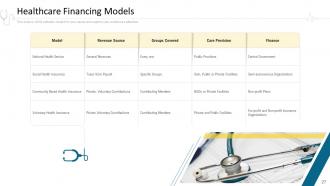
Our hospital management templates are completely editable and customizable. It will help you to streamline every task of the hospital. These templates are pre-designed with some unique sections and features for tracking every detail, responsibility and information. It establishes consistency, making it simple to repeat your present hospital management schedule. This means you can be confident that your team will not skip any steps, allowing you to put on the best facility for the people around who need help.
Let us explore a few hospital management slides you must include in your presentation.
Template 1- Global Healthcare Economy
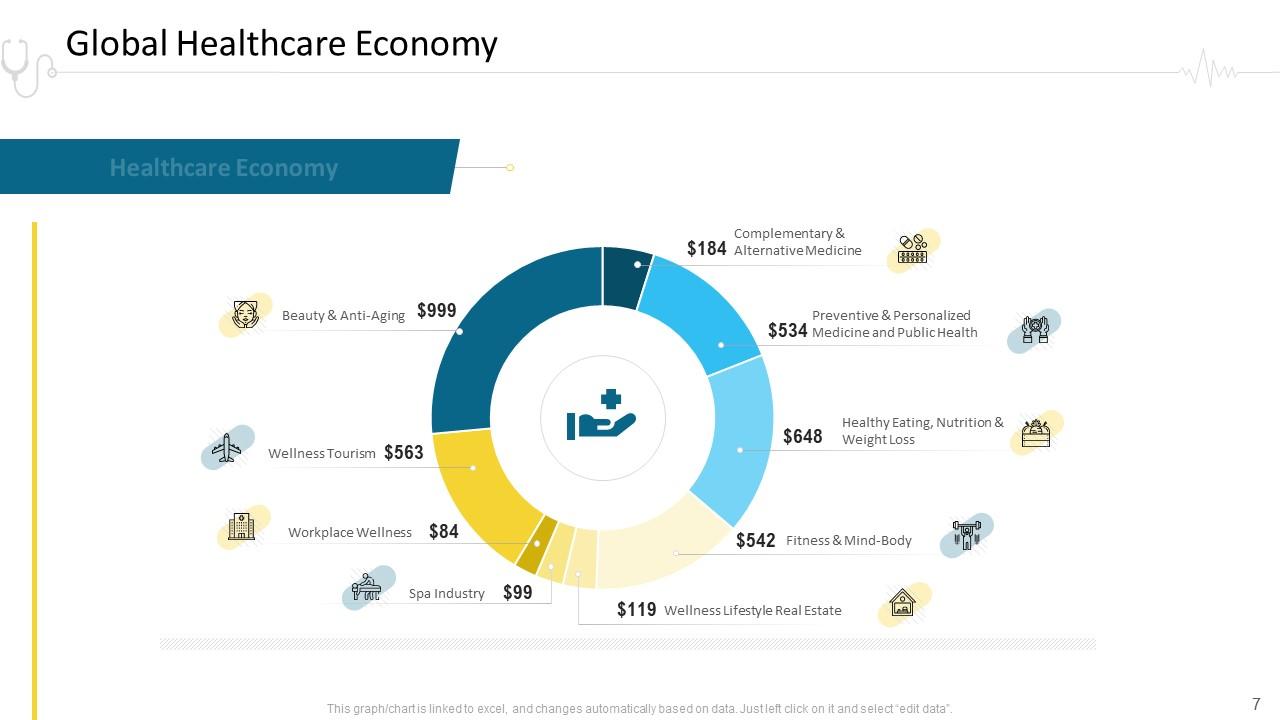
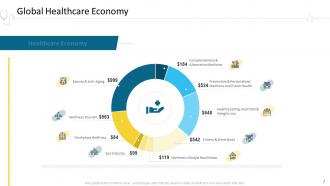
The global healthcare economy is a dynamic system encompassing everything involved in health and wellness on a worldwide scale. And yes, it is closely-linked to hospital management. It helps hospitals understand the global market for medical equipment, pharmaceuticals, and other services, which helps them make informed decisions about resource allocations.
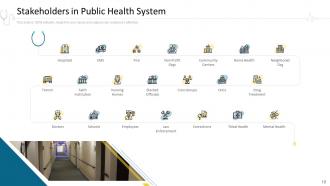
Template 2- Stakeholder in Public Health System
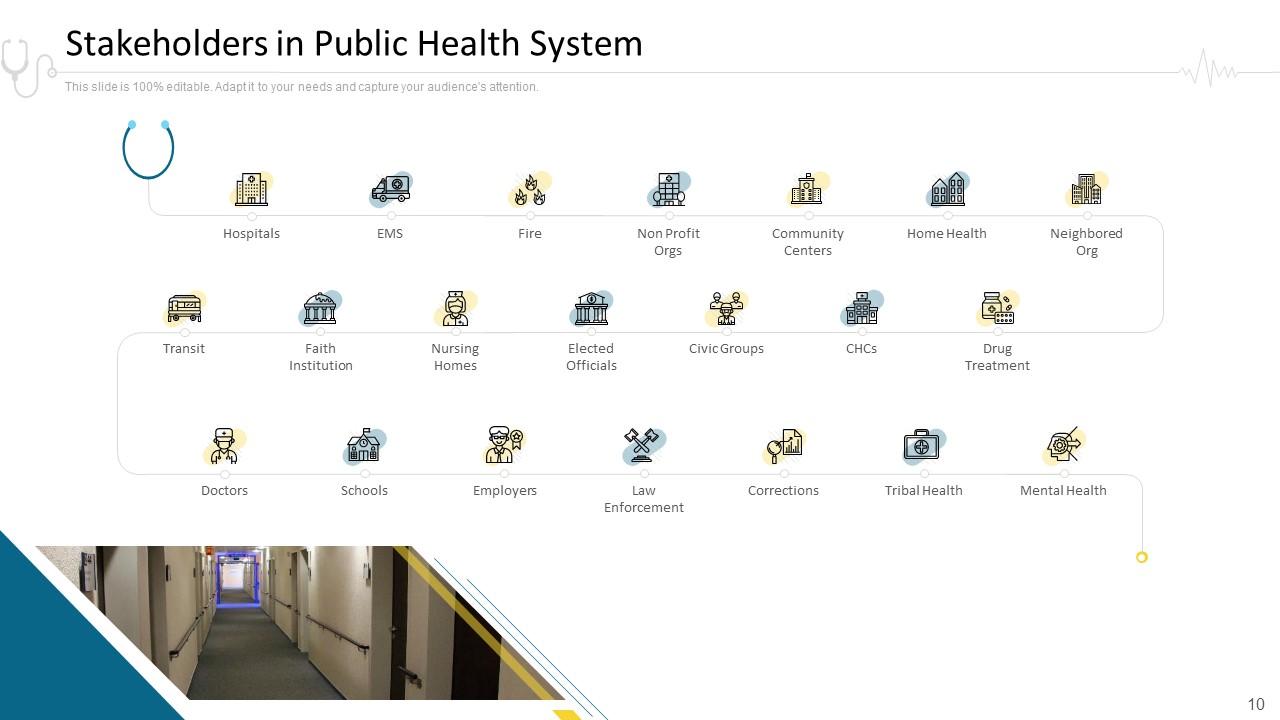
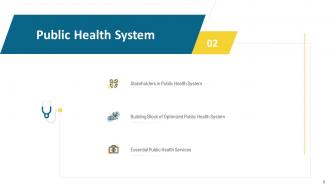
The role of stakeholders in the public health system is vital in hospital management. A well-designed presentation template can enhance communication and collaboration between these groups. This helps management allocate funding and set regulations for quality and safety, present the data to government agencies, secure funding, and ensure compliance with the regulations.
Template 3- Pharma Company Operating Model
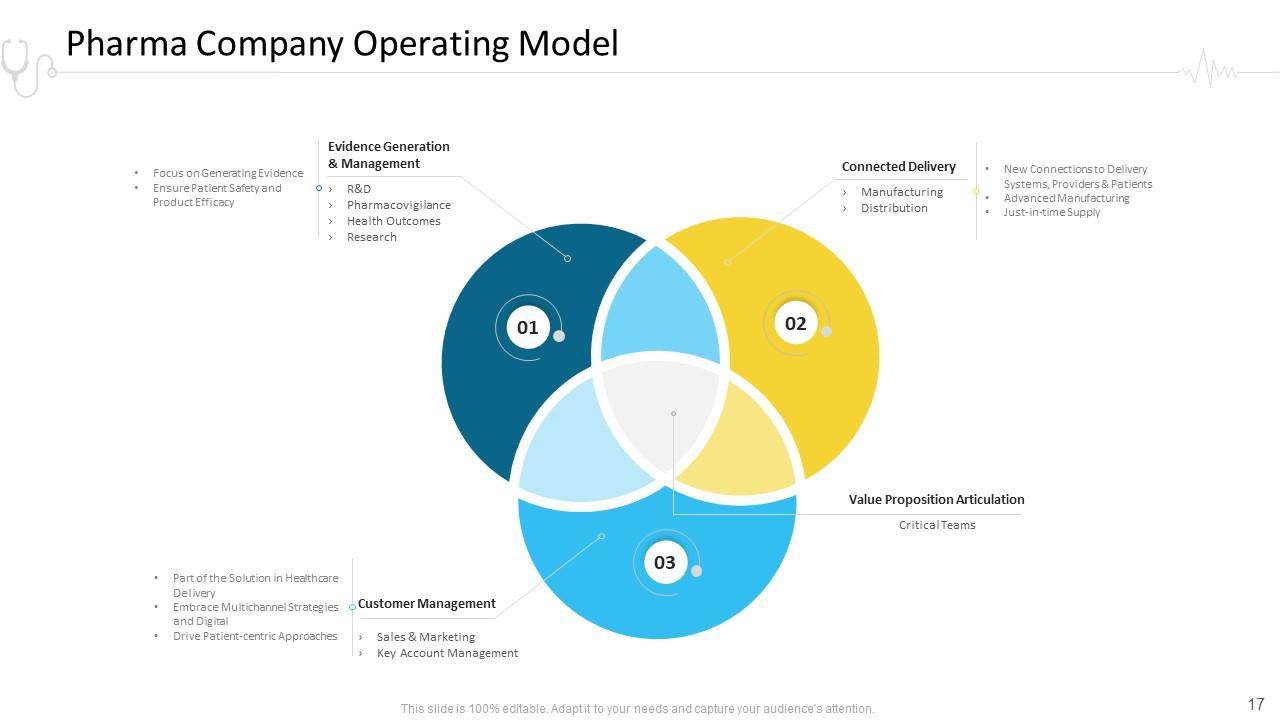
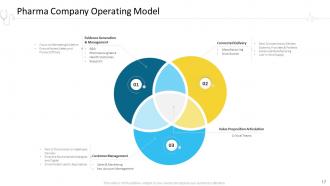
Pharma companies do not work directly but indirectly, they influence each other's work. However, pharmaceutical companies can adapt their successful operational strategies to collaborate with the hospitals and improve overall healthcare delivery. A proper pharma operating model will help in value-based care to hospitals, targeted therapeutics delivery, medication adherence, and data analysis. While no one-size-fits-all template is available, a well-designed pharma operating model can serve as a framework for collaboration with the hospitals.
Template 4- R&D Process in the Pharmaceutical Industry
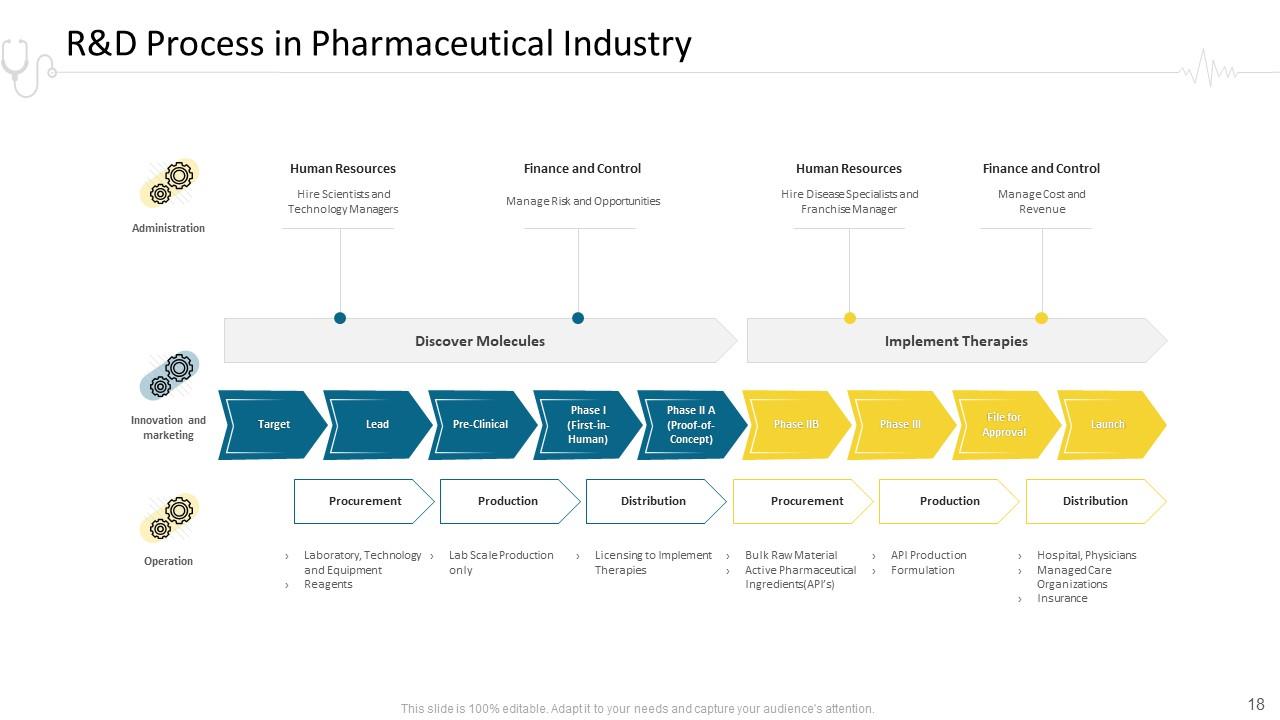
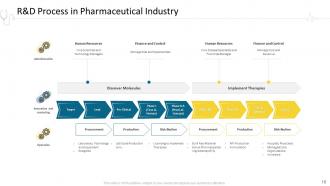
R&D is a crucial step in every industry. In the pharmaceutical industry, it brings a new and improved medication to the market. It is a journey with different stages that ensure safety and efficiency before anything reaches to the patients. It helps invent new drugs, treatments, and even medical devices to address several medical needs. R&D templates benefit hospitals by providing them with a wider range of needs and requirements. In this process, the hospitals can participate in clinical trials of new drugs with the pharmacists and can provide access to better treatments for patients.
Template 5- Health Insurance Firms Policy Comparison
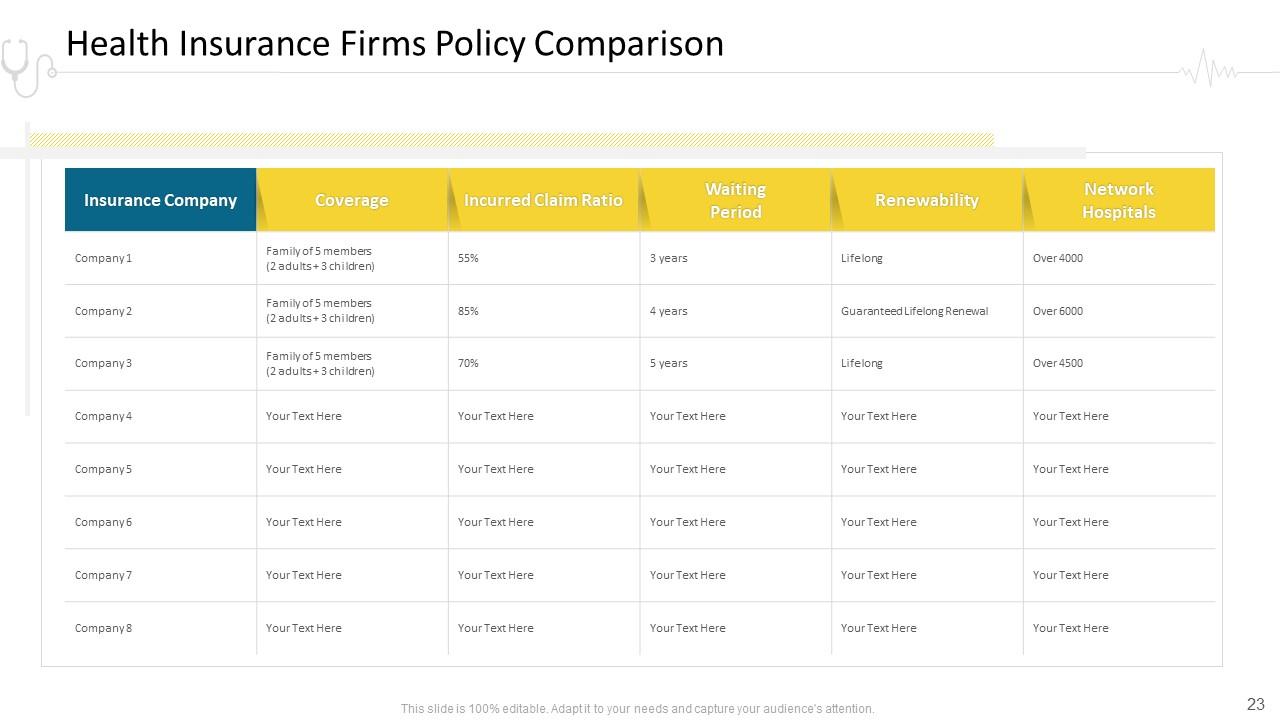
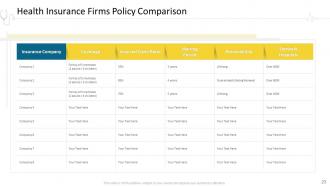
While health insurance firms’ policy comparisons might seem directly relevant to the policyholders, hospital management can also benefit from them. By comparing the plans offered by various insurers, hospitals can gain insights into the types of coverage most prevalent among the customer base. Having a well-curated template for the comparison of health insurance can ensure consistent data collection across the different insurance plans. Both parties, i.e., hospital management and insurance companies, can compare key coverage aspects.
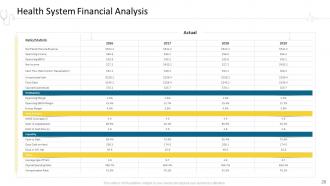
Template 6- Health System Financial Analysis
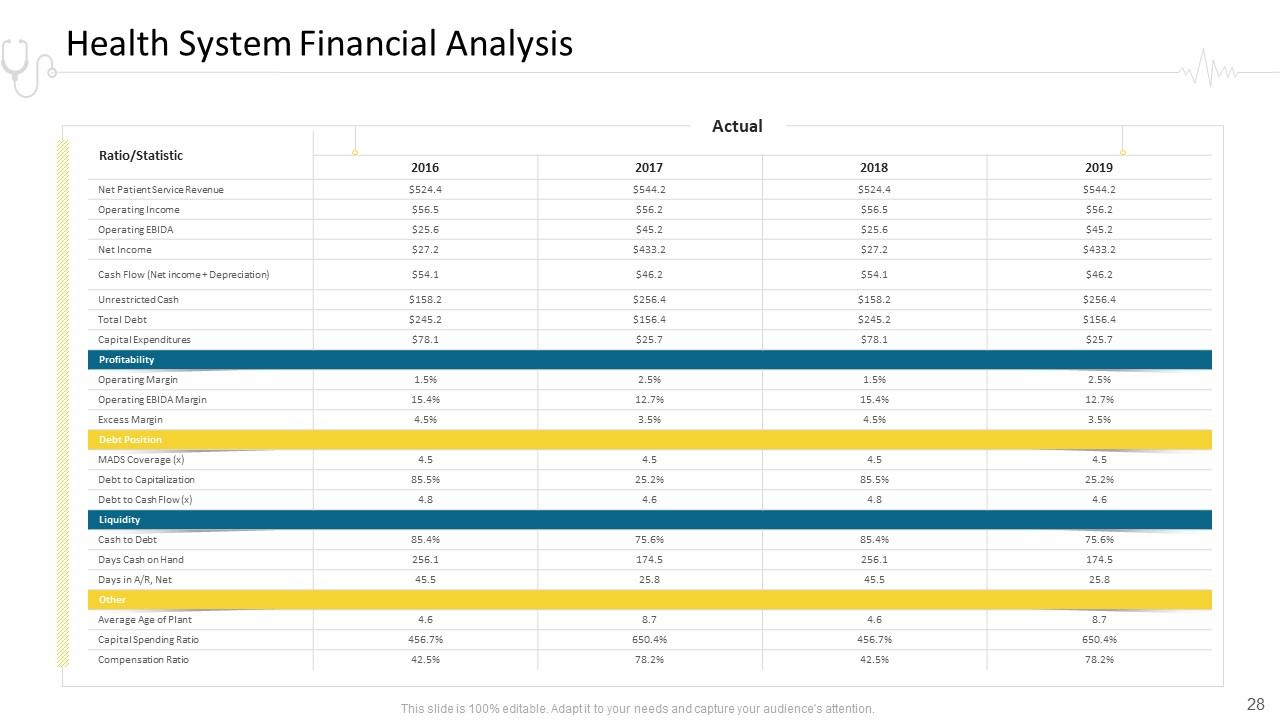
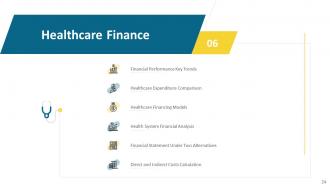
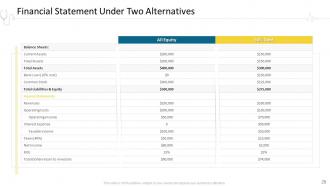
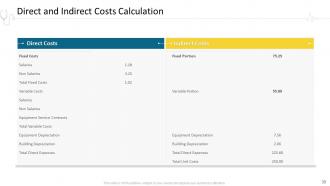
Health system financial analysis is an important tool for hospital management. It acts like a financial compass to navigate a complex healthcare landscape. A well-curated template for health system financial analysis helps management pinpoint areas where expenses are high, allowing them to identify and address inefficiencies. Hospital management can identify potential opportunities to improve collections, reduce bad debts, and optimize the billing process by analyzing revenue streams.
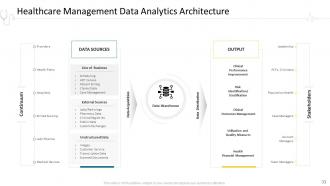
Template 7- Healthcare Management Data Analytics Architecture
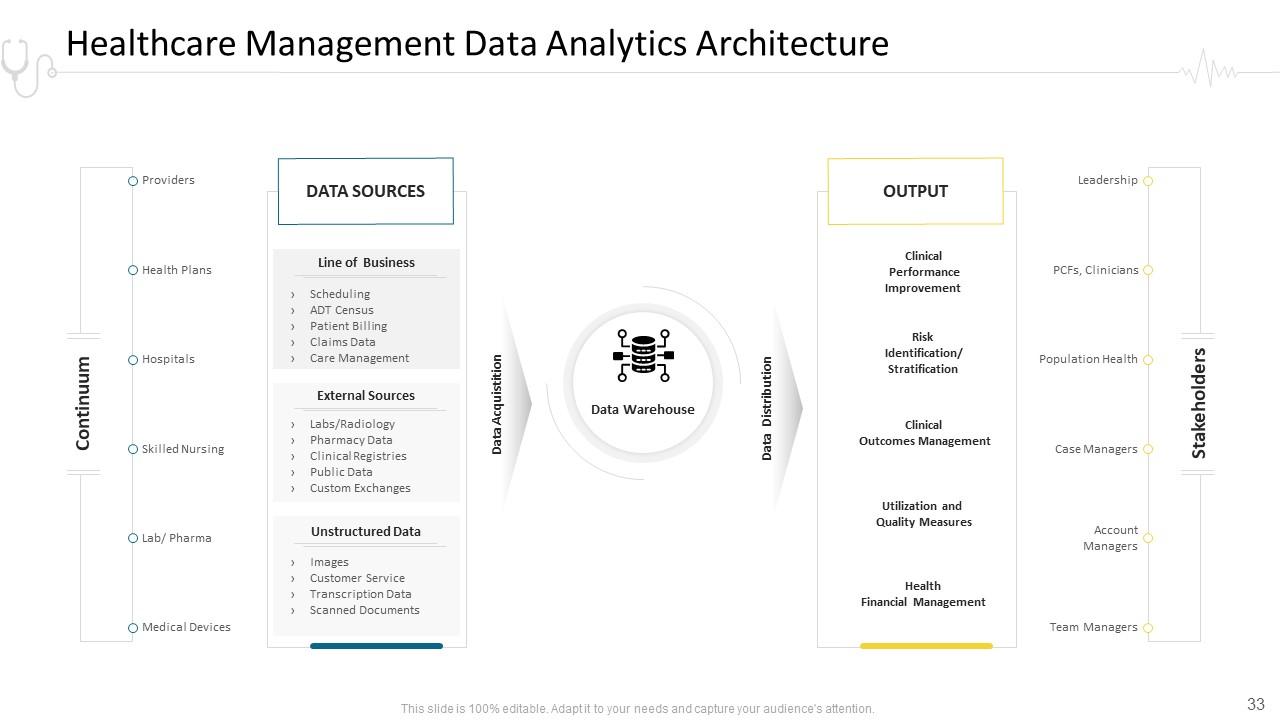
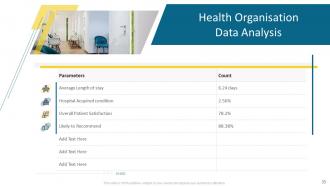
A well-designed healthcare management data analytics architecture acts as the nervous system for the hospital. It provides insights to improve decision-making across different aspects such as resource allocation, readmission rates, and inventory management. With the help of data analysis hospital management can identify underutilized resources like staff or equipment in certain departments and allow a better allocation to the areas where there is a higher demand. It can analyze patient’s data and their medical history to suggest evidence-based treatment options.
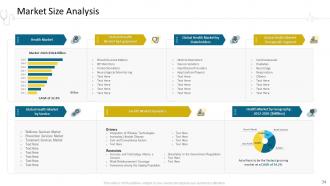
Template 8- Market Size Analysis
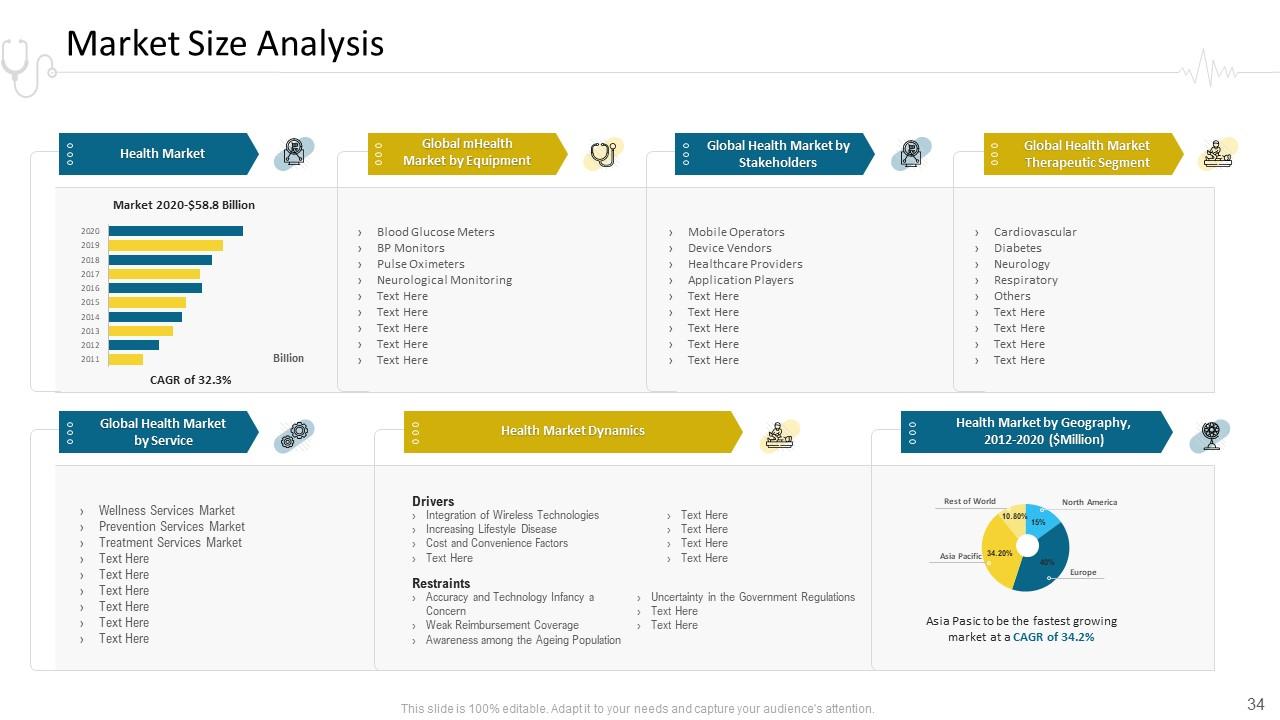
Market size analysis provides insights into the overall healthcare landscape in the service area of the hospital. This includes demographics such as age, income level, and prevalence of specific health conditions. With this, hospitals can organize their services and amenities to address the needs of their local population. Hospitals can assess their market share and identify the areas for growth by analyzing the market size of the competitors. With this understanding, they can even learn about the dynamics, such as the presence of competition, the number of insured patients, and the strengths of the hospital’s position.
Template 9- Healthcare Strategic Planning Framework
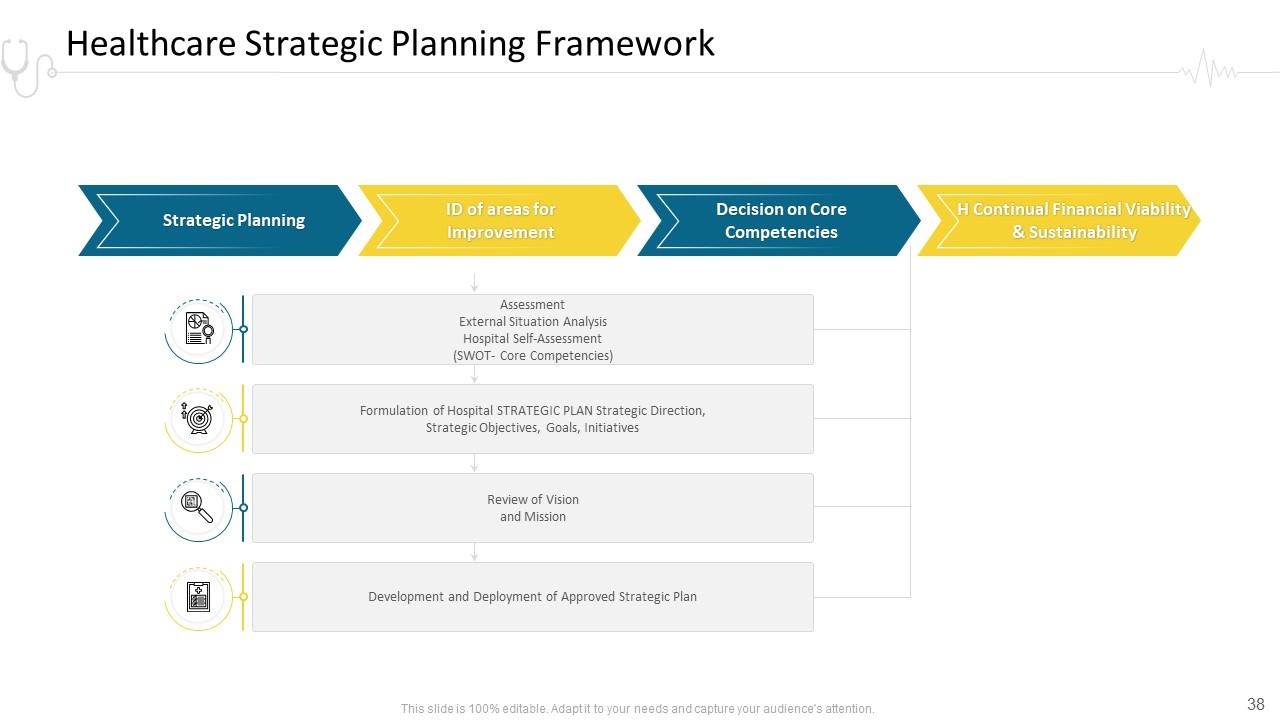
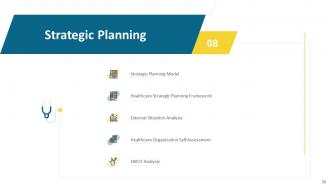
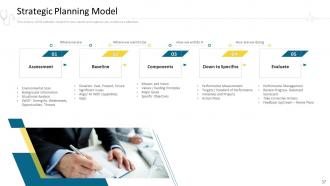
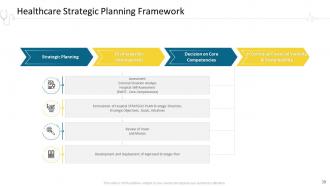
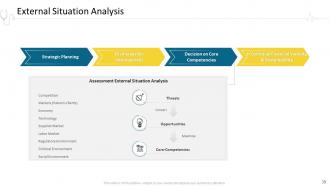
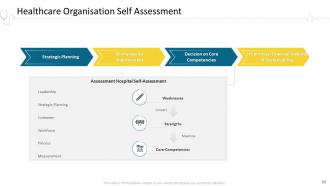
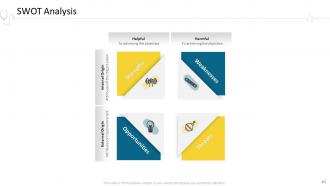
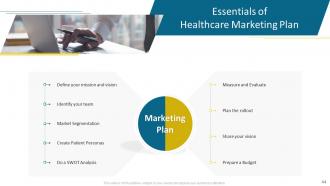
This healthcare strategic planning framework PPT Template acts as a roadmap for hospital management. It helps in establishing a shared vision and mission for the hospitals, ensuring stakeholders are aligned toward achieving the common goals. It translates this vision into actionable objectives and strategies. The SWOT Analysis is used to formalize the process.
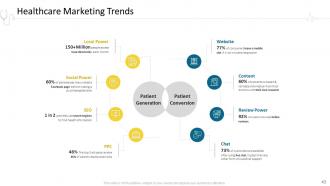
Template 10- Healthcare Marketing Trends
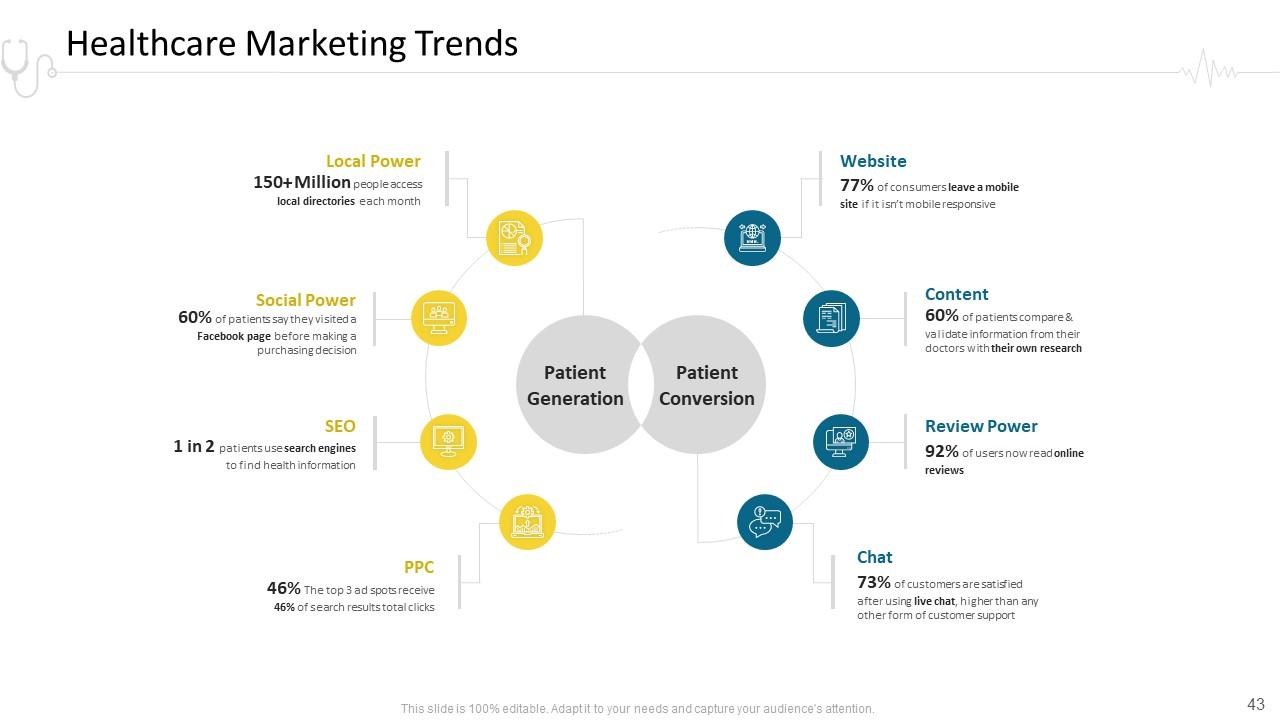
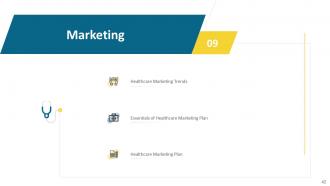
Healthcare marketing trends are more than just finding new patients. By understanding and implementing these trends, hospitals can achieve benefits that can contribute to better management. Marketing that emphasizes convenience, clear communication, and positive patient outcomes improves patient satisfaction and internal metrics like readmission rates. It builds trust and reaches more people. Also, it helps in the performance measurement of the services provided by the hospitals by collecting consumer reviews.
CARE WITH CARE!
Hospital management is a complex and multifaceted task. But, with well-designed PPT presentation templates, you can streamline your hospital communication, improve decision-making, and ultimately deliver exceptional patient care.
Hospital management powerpoint presentation slides with all 66 slides:
Use our Hospital Management Powerpoint Presentation Slides to effectively help you save your valuable time. They are readymade to fit into any presentation structure.

FAQs for Hospital management
Patient management stuff first - admissions, records, discharge. Staff scheduling and HR systems are huge too. For inventory, you need something tracking your medical supplies or you'll go crazy. Honestly? Financial tracking is where most places completely fall apart because billing gets insane. Lab results, pharmacy management, compliance reporting - all that needs to connect somehow. The worst thing is when your staff has to enter the same info five different times. I'd map out how you guys actually work now, then find software that fits your flow instead of making everyone learn some terrible system that fights them constantly.
Honestly, the right tech makes a huge difference in patient care. AI imaging speeds up diagnoses like crazy, and automated medication systems cut down on those scary dosing mistakes. Real-time monitoring is clutch too - alerts staff the second something's off. Electronic health records are probably the biggest win though. No more digging through messy paper charts or trying to decode doctor handwriting (seriously, how do they even read their own notes?). Telemedicine's cool for reaching patients at home. Just don't fall for every flashy new device - pick stuff that actually fixes your real problems.
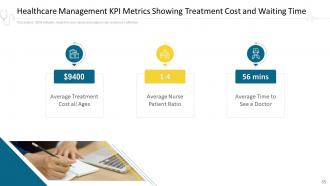
Honestly, you need both clinical and operational stuff to get the full picture. Start with the obvious clinical ones - mortality rates, readmissions, infections, patient satisfaction. Those show if you're actually helping people get better. Then track operational metrics like bed occupancy, length of stay, staff turnover (nurses quitting is expensive btw), and cost per patient day. ER wait times are critical too since nobody wants to sit there bleeding for hours. Don't go crazy with data though - pick maybe 6-8 key metrics that match what your hospital cares about most and check them monthly.
Hospitals get pretty clever with this - they standardize everything to cut waste and pump money into preventive care that actually saves them cash later. Analytics help them figure out where they're bleeding money (usually dumb inefficient stuff). Better staff training plus smarter tech improves patient outcomes while making operations smoother. The sweet spot is finding those win-wins. Like, better discharge planning means fewer people coming back, which saves money AND makes patients happier. Honestly, most places should just start tracking their quality metrics next to cost data - that's where you'll spot the good opportunities.
Look, patient feedback is absolutely critical for hospitals - it shapes everything from staffing to where they spend money. Most places are borderline obsessed with HCAHPS scores since poor ratings can actually hurt their reimbursements. The feedback helps spot real problems too. Long wait times, nurses who don't communicate well, that kind of stuff. What matters most is collecting it consistently and actually doing something with it. Too many places just collect data and let it sit there, which is pointless. It's really about understanding what patients actually go through, not just hitting metrics.
Honestly, it comes down to three main things. First, look at your historical data to actually predict what you'll need - I've seen hospitals blow budgets because someone freaked out about running low on supplies once. Get solid relationships with multiple vendors too, so you're not stuck if one screws up. Negotiate contracts with emergency clauses built in. The automation part is huge though - invest in inventory software that tracks expiration dates and handles reordering automatically. You want enough supplies without cash sitting around in storage collecting dust.
Ugh, hospital staffing is such a mess right now. Nursing shortages everywhere, people are burned out, and everyone's leaving for higher pay. COVID made everything ten times worse too. You're basically trying to keep patients safe while not going broke, which is... fun. Plus travel nurses are making like double what your regular staff gets, so that's creating drama. Oh and don't even get me started on trying to schedule across all those different departments. Honestly? Focus hard on keeping the people you have. Listen to what they actually need before they bail on you.
Look, data analytics can seriously change how your hospital operates. You'll get actual insights into patient flow and staffing - like predicting when you're gonna be slammed or figuring out better bed assignments. Wait times drop when you analyze those historical patterns you've got sitting around anyway. Plus it helps you catch bottlenecks early instead of scrambling later. I'd honestly start with something manageable though, maybe just ER wait times? My cousin's hospital did this and saw results pretty fast. Resource allocation becomes way less of a guessing game once you know which departments are actually drowning.
Start with the basics - hand hygiene, PPE, and isolating infectious patients properly. Environmental cleaning is massive, especially those high-touch surfaces that somehow always get missed. Your staff needs ongoing training because honestly, people get lazy over time (I've watched it happen). Get an antimicrobial stewardship program going to fight resistance. Clear visitor policies help too. Don't forget about ventilation systems - they matter more than most realize. The real trick is making everyone feel responsible for infection control, not just dumping it all on one team. Audit what you're doing now first.
Start with your revenue streams and fixed costs - that's your base. Patient volume forecasts are honestly a pain to get right, so I'd build multiple scenarios instead. Best case, worst case, realistic case. Monthly tracking is key for stuff like cost per patient day and revenue per discharge. Department heads need to be involved because they actually know where money disappears. Oh, and definitely set aside contingency funds - equipment breaks at the worst times and staffing gets messy. You'll want to review quarterly to adjust when things inevitably go sideways.
Honestly, start with just telling patients what's actually happening - even a quick "running 15 minutes behind" text makes people way less angry than sitting there wondering. Nobody minds waiting as much as they hate being left in the dark. Your front desk team should be giving updates, not just processing people like an assembly line. Build buffer time into scheduling (trust me on this one) and maybe look at your data to see where things always go sideways. Oh, and make the waiting area not terrible - decent wifi and coffee go surprisingly far. Focus on communication first though, that's your biggest win.
Dude, leadership training in hospitals is huge - probably one of the best investments you can make. Think about it: life-or-death calls, managing everyone from surgeons to janitors, plus all that regulatory stuff constantly changing. Healthcare workers are already fried, so bad leadership just piles on more stress. Skip the training and you're looking at people quitting left and right. Departments stop talking to each other. Patient care goes downhill fast. The hospital leaders who actually know what they're doing? They get both the clinical side and basic management skills. My advice: spot your future leaders early and get them trained before they're drowning in responsibilities.
Telemedicine is totally changing how hospitals handle patients. Remote consultations and follow-ups mean less crowded beds and staff can focus on emergencies. Honestly, the cost savings alone make it worth it - plus patients love not having to drive in for every little thing. You can manage chronic conditions way better too, which cuts down readmissions. I'd probably start with something like cardiology or mental health first, see how it goes. Track your numbers so you can show administration it's working when you want to expand to other departments. Game-changer for sure.
Honestly, most hospitals mess this up by treating compliance like a last-minute thing. Get someone dedicated to track regulation changes - can't wing it anymore. Document everything obsessively because inspectors will ask for random stuff from months ago. Your staff training is probably the biggest weak spot though. People forget HIPAA rules, safety protocols get sloppy. Do practice inspections regularly so it's not chaos when the real ones happen. Oh, and don't make compliance this separate task - build it into daily routines. Way easier than scrambling when someone shows up with a clipboard.
Look, community engagement is basically your secret weapon for figuring out what's actually happening in your area. Host some monthly forums and you'll be shocked at what people tell you - like discovering a diabetes epidemic nobody was properly tracking. Local groups and schools give you the real story, not just what shows up in your data. You can finally shift from just treating problems to preventing them, which honestly makes way more sense anyway. Plus people trust you more when they feel heard. The resource allocation becomes so much smarter when you know what neighborhoods actually need. It's like having insider info on your own community.
-
Informative presentations that are easily editable.
-
Great product with effective design. Helped a lot in our corporate presentations. Easy to edit and stunning visuals.
-
Great product with highly impressive and engaging designs.
-
Excellent template with unique design.
-
Very unique, user-friendly presentation interface.
-
Really like the color and design of the presentation.
-
Professional and unique presentations.