


Pharmaceutical management powerpoint presentation slides




Try Before you Buy Download Free Sample Product
 Impress Your
 Audience
 100%
100% Editable
 Save Hours
 of Time


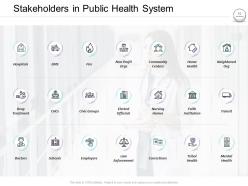
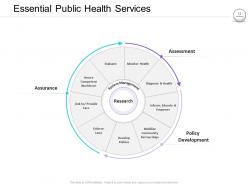
Introducing our pharmaceutical management PowerPoint presentation slides. Understand the key trends in the healthcare industry with the help of this pharma company PowerPoint deck. This medicine control PPT theme consists of a slide that talks about medical spending global statistics. Assimilating this drug management PPT layout helps you in achieving an understanding of the global healthcare economy. This ready-made medicinal organization PowerPoint design contains a slide that talks about the stakeholders in the public health system. Incorporating this particular pharmaceutical organization PPT theme lets you display the essential public services. This medicinal organization PowerPoint creative set contains a slide that lets you talk about the R&D process in the pharmaceutical industry. Selection of this pharma management PowerPoint template will help you elaborate on the challenges faced by the medicine industry. This drug production PPT deck lets you make required variations to icons and colors. Download this PPT slide to explore true perfection.
People who downloaded this PowerPoint presentation also viewed the following :
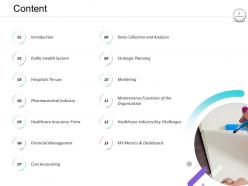
Content of this Powerpoint Presentation
Pharmaceutical industry refers to an industry developing, producing, and marketing medicinal drugs to cure and prevent disease. With such a broad and unique mandate, it is no surprise that pharmaceutical management has also revolutionized the entire healthcare industry, paving the way for improved diagnostics, innovative treatments, and streamlined care for patients.
Pharmaceutical management is the set of activities and functions involved in any healthcare system ensuring access to and proper use of effective, safe, and quality pharmaceuticals.
Want to get an idea about pharmacy management? Click here to access the best tropically designed pharmacy management templates.
Pharmaceutical Management PPT Templates
We are presenting our well-structured PPT complete deck containing sixty-four slides below. You can use this presentation as a comprehensive guide to the topic, with appropriate themes, visuals, graphics, and information. The slides are 100% customizable and editable, enabling you to add your information and provide a personal touch to the presentation. These are designed with proper expertise to cover all relevant concerns, issues and opportunities. Moreover, these are compatible with Google Slides, making your job much easier.
Click here to review key features of the pharmacy management system structure so that your business can use it optimally.
Let’s explore this premium set of “Pharmaceutical Management” PPT Templates.
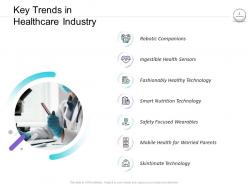
Template 1: Key Trends in Healthcare Industry
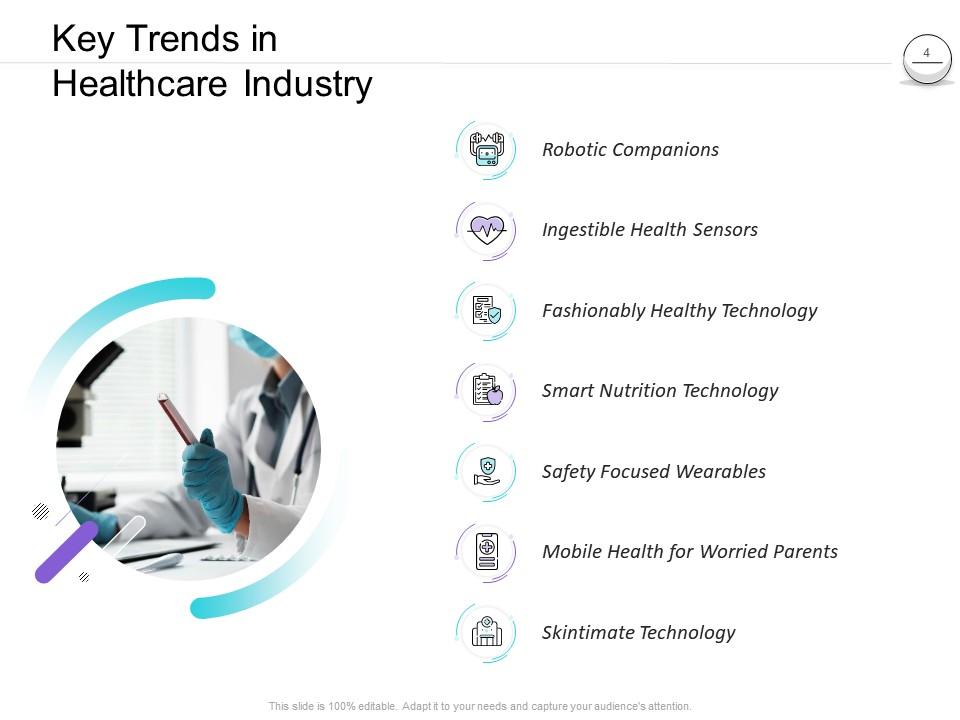
We all are aware of the rapid transformation that the healthcare industry is going through. The groundbreaking advanced technology and the demand for more cost-effective treatments and improved health status have become significant goals of the healthcare system. If you are new in the industry and want to stay updated on the critical trends of the healthcare industry, then this is the answer. Use this well-organized PowerPoint Preset to understand the trends, such as robotic companions, ingestible health sensors, fashionably healthy technology, safety-focused wearables, and more.
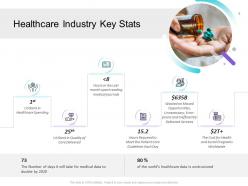
Template 2: Healthcare Industry Key Stats
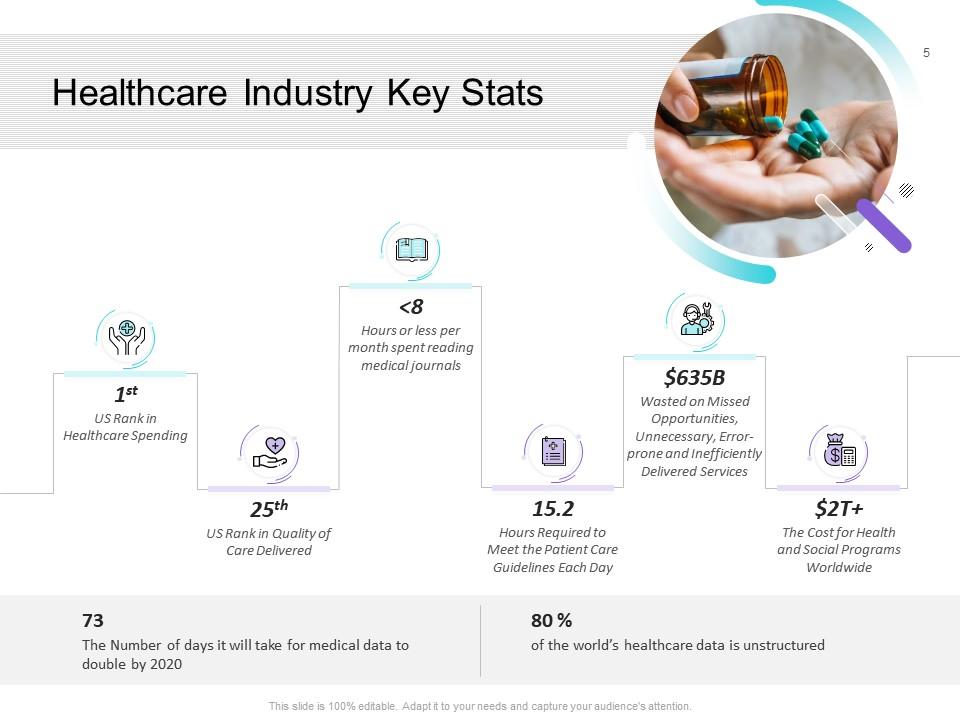
Health statistics refers to the numbers that help summarize health-related information in an easy, understandable way. Experts from private organizations, government, non-profit organizations, and researchers collect health statistics to know more about healthcare and public health. We are introducing our medical control PPT slide, which showcases vital statistics of the healthcare industry. It displays the crucial data with the help of a diagram and appropriate icons. Grab it now and support your business vision and mission to impress your audience.
Template 3: Medical Spending Global Statistics
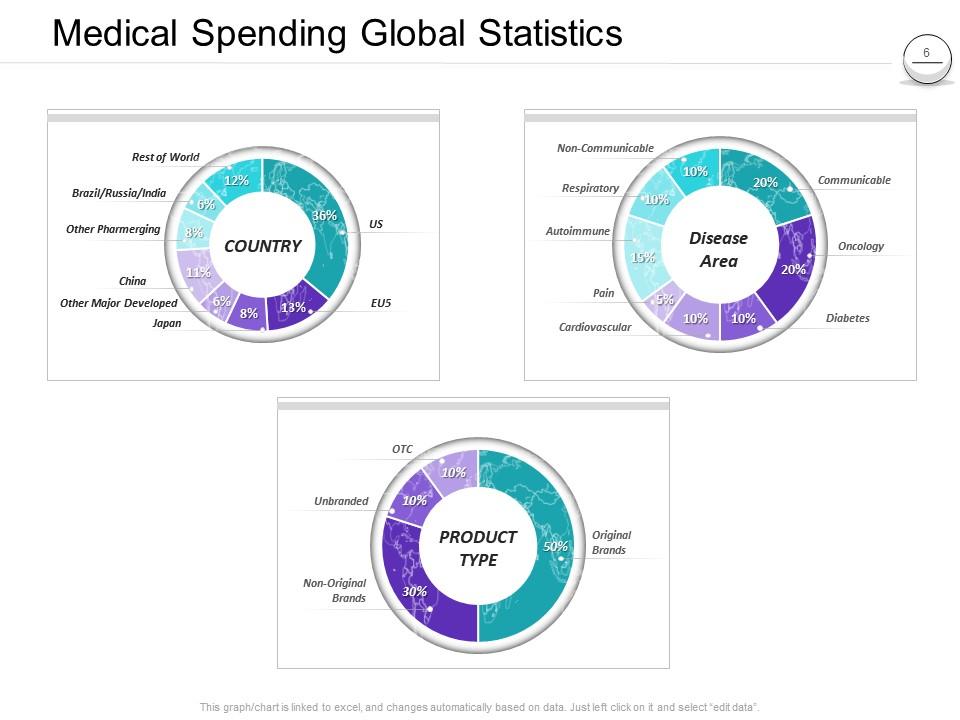
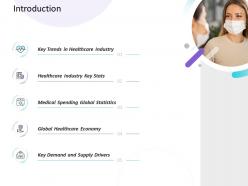
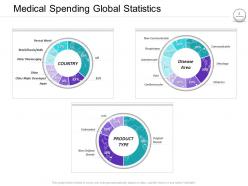
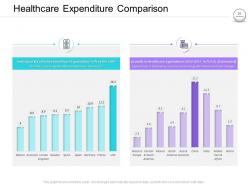
Statistics is an inevitable part of the healthcare system as it helps the public gain a better picture of the industry in an easy-to-understand way. This PowerPoint Layout depicts a comprehensive picture of medical spending. These three diagrammatic representations of medical spending statistics can be used to achieve insight into the global healthcare industry. It covers three essential topics, such as country, disease area, and product type, with the help of a pie chart. Each chart shows varying percentages as per the data.
Template 4: Global Healthcare Economy
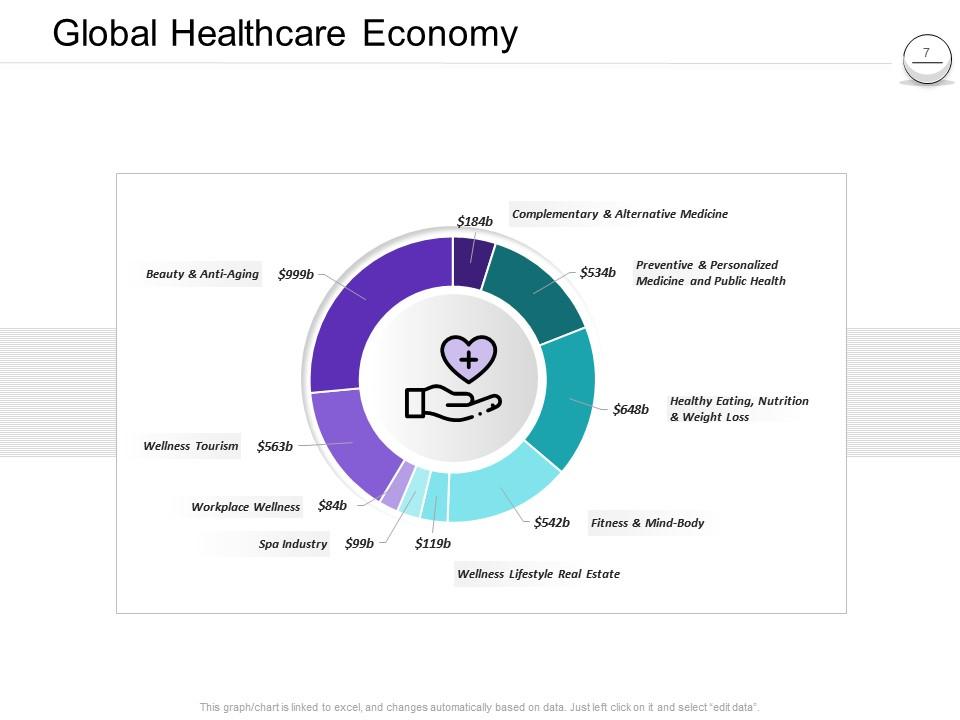
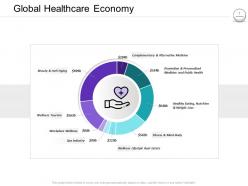
SlideTeam has come up with a well-explained PPT template that integrates this drug management PPT. It offers an excellent starting point to deliver your aesthetically designed presentation on the global healthcare economy. It showcases data on wellness tourism, the spa industry, preventive and personalized medicine, and public health in varied colors. Download it now and host an outstanding meeting and discussion with the collaborators.
Template 5: Key Demand and Supply Drivers
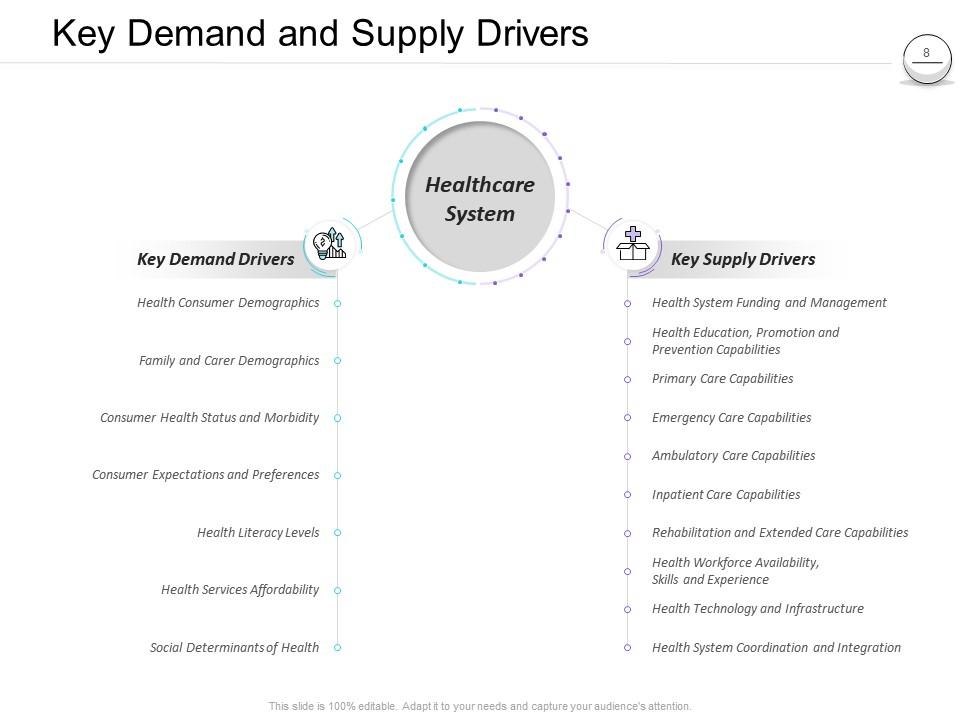
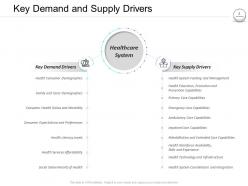
The supply and demand of economics apply to the healthcare industry. Use our content-enriched and well-designed PPT template to elucidate critical supply and demand drivers of the healthcare industry. It represents two crucial aspects of healthcare in a tabular format for a beautiful presentation. The critical demand drivers comprise health consumer demographics, family and carer demographics, consumer expectations and preferences, health literacy levels, and so on. On the other side, the critical supply drivers are health system funding and management, primary care capabilities, emergency care, health technology and infrastructure, and more.
Template 6: Building Block of Optimized Public Health System
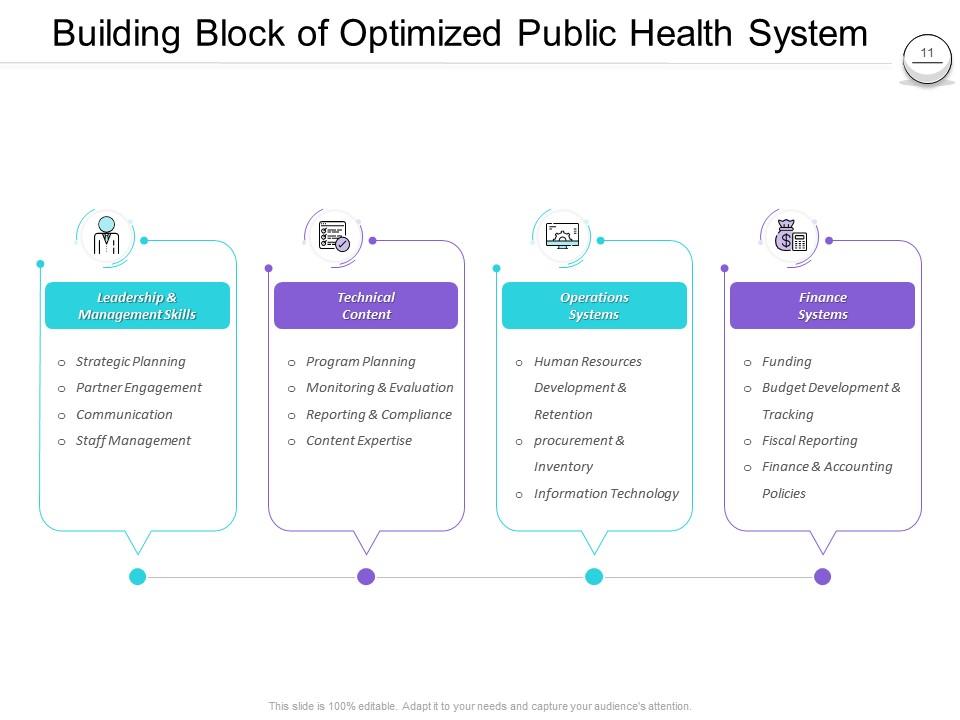
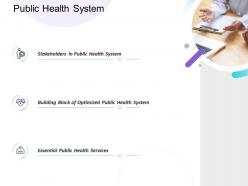
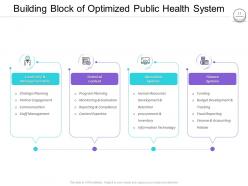
This pharmaceutical management PPT Template lets you display the essentials required to optimize the public health system. This informative slide highlights four important elements, such as leadership and management skills, technical content, operations systems, and finance systems. The visually equipped layout helps to elucidate the elements further with a coherent outlook.
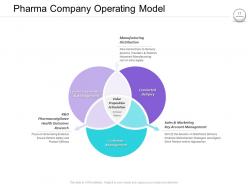
Template 7: Pharma Company Operating Model
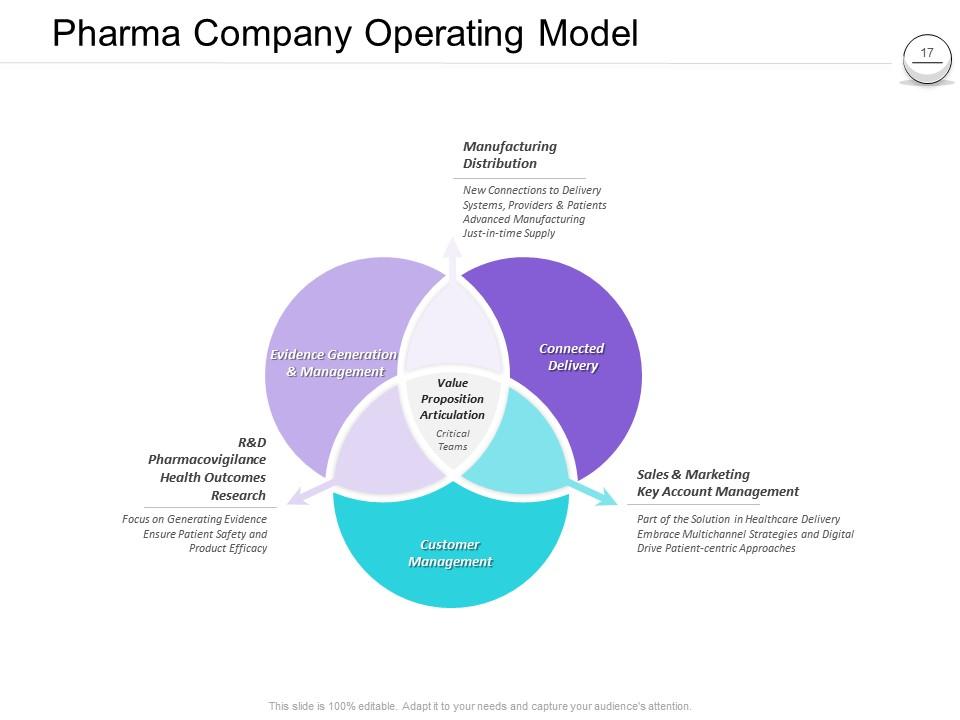
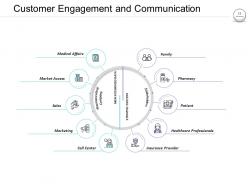
The term “Operating Model” can be defined as a visual representation of the process by which an organization delivers value to both its external and internal customers. These models are developed to help the managers and employees of an organization understand the role of one part and how it affects the other parts. The substantial growth of pharma companies over a short period has created layered and clumsy operating models. This PPT Layout portrays elements like manufacturing distribution, sales, marketing key account management, etc. Get it now and explore true perfection.
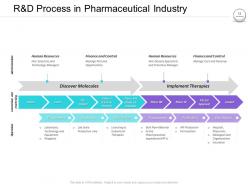
Template 8: R & D Process in Pharmaceutical Industry
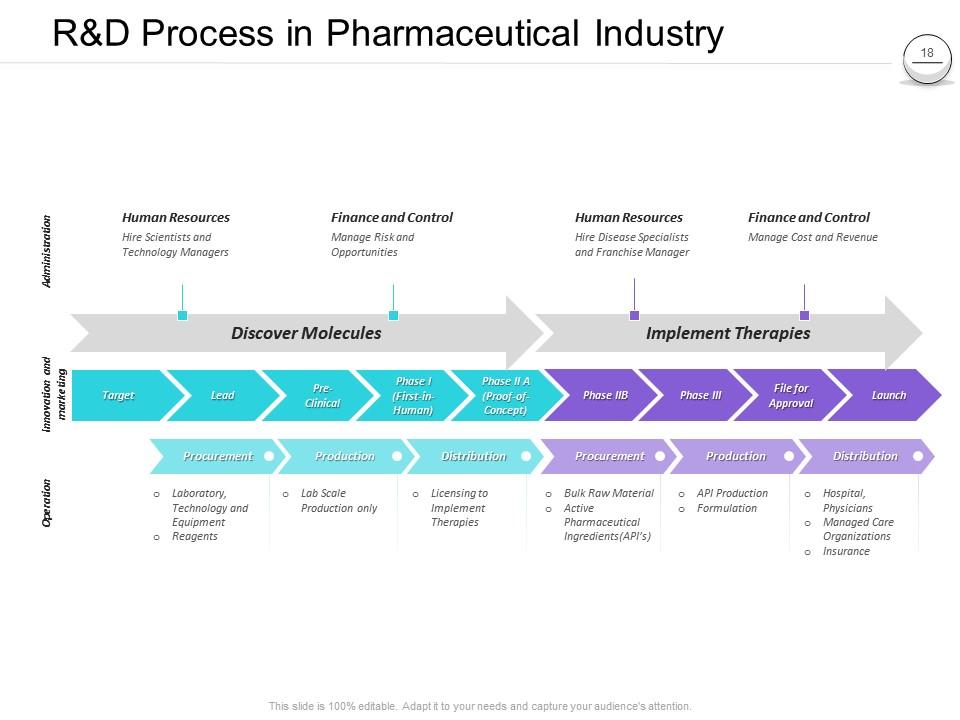
The R&D process is designed to create effective and safe breakthroughs that benefit patients worldwide. This medical organization PPT creative set enables you to discuss the research and development process in the pharmaceutical industry. It diagrammatically depicts elements, such as operation, innovation and marketing, and administration.
Template 9: Challenges Pharmaceutical Companies Face
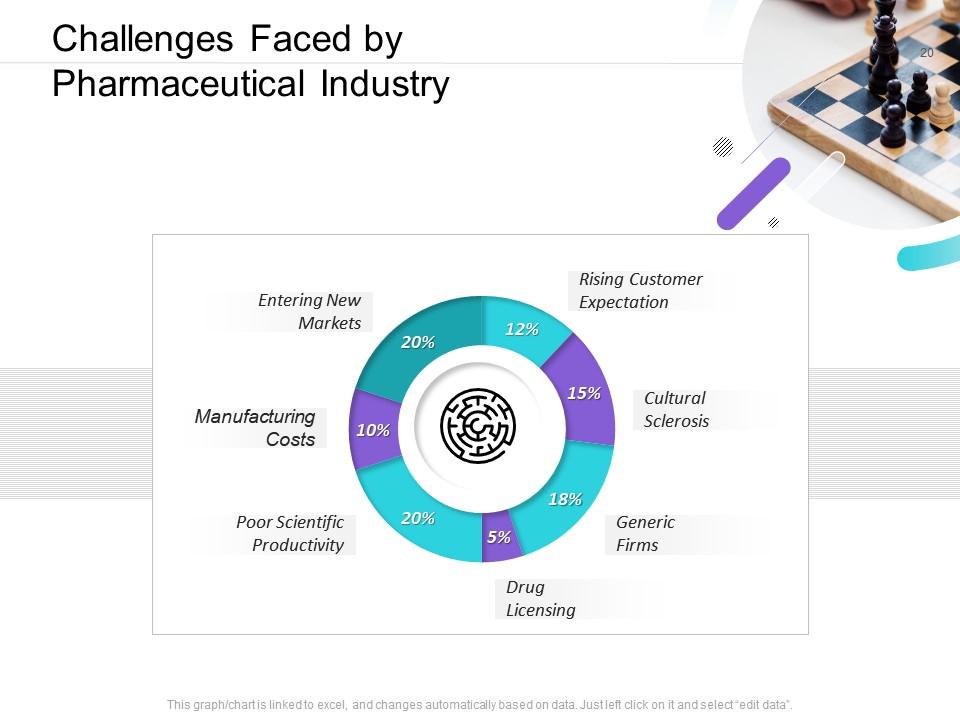
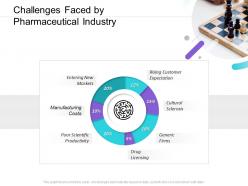
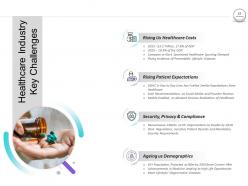
Since the pharmaceutical industry is one of the most critical industries, serving life-saving treatments and medicines to millions of people, it faces unique challenges and hurdles. If you are looking for a perfect graphical representation of the challenges faced by the pharmaceutical industry, then this PPT preset is the best. The slide depicts challenges, such as entering new markets, manufacturing costs, rising customer expectations, generic firms, etc., along with their corresponding percentages. Furthermore, it showcases all the relevant data with the help of a diagram and suitable icon, making it more alluring to your audience.
Template 10: Types of Healthcare Insurance Plans
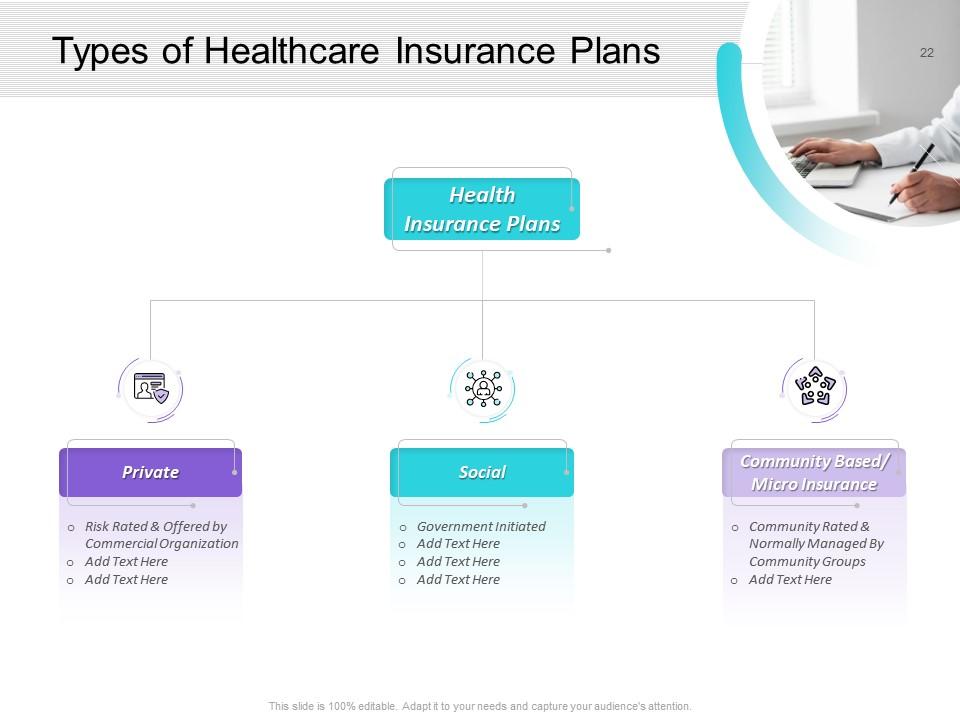
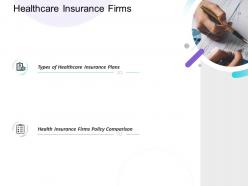
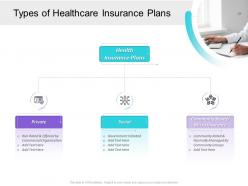
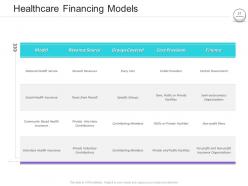
The relentless health threats and increasing healthcare service costs every day have made health insurance plans an essential aspect of today’s lives. It provides financial security to the people facing medical emergencies. Considering all the factors of current lifestyle and habits, health insurance plans have become a significant part of our lives. SlideTeam has created a PPT template on different types of health insurance plans containing every vital element that you require for an excellent presentation. It displays three major health insurance plans, private, social, and community-based/micro-insurance, in a tabular format. Download it today and create your unique presentation slide to entice your audience.
STRONG MEDICINE
Pharmaceutical management PPT Templates are a handy and versatile tool for getting connected to your audience. There are multiple cases in the medical and pharmaceutical industry where you are required to persuade your audience with a beautiful presentation. This is the reason why we have put together some high-quality, content-ready pharmaceutical management templates to consider for your presentation.
PS To learn about environmental management issues in a pharmaceutical company and implement appropriate approaches for growing internationally, Click here.
Pharmaceutical management powerpoint presentation slides with all 64 slides:
Use our Pharmaceutical Management Powerpoint Presentation Slides to effectively help you save your valuable time. They are readymade to fit into any presentation structure.
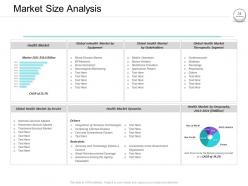
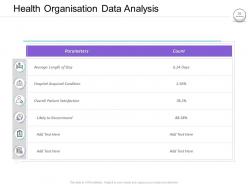
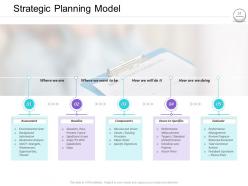
FAQs for Pharmaceutical management
Focus on three big things: inventory optimization, regulatory compliance, and supply chain visibility. Those will absolutely make or break you. Get solid data analytics running - you'll need to track expiration dates, forecast demand, all that stuff. Build strong vendor relationships too because supply chain issues are still brutal honestly. Temperature monitoring is huge if you're dealing with biologics or specialty meds. Oh, and storage protocols obviously. I'd start by checking your current inventory turnover rates first. Then hunt for compliance gaps. That combo should give you some quick wins to build momentum.
Honestly, tech can be a game-changer for pharma supply chains. Start with basic RFID tracking and blockchain - you'll get full visibility on where your drugs are at any time. AI helps predict demand so you don't run out of critical meds or waste money overstocking. Temperature monitoring with IoT sensors is huge since heat can totally ruin drug potency. Cloud platforms are pretty neat too - they connect all your suppliers and distributors in one place instead of endless phone calls when something goes wrong. My advice? Don't go crazy at first. Get comfortable with tracking systems, then add the fancier analytics later.
Dude, compliance is literally make-or-break in pharma. FDA guidelines, Good Manufacturing Practices - all that stuff has to be bulletproof from raw materials straight through to distribution. The paperwork is honestly insane (my cousin works compliance and she's drowning half the time). But here's why it matters: one screw-up can tank your whole operation or hurt patients. Get your compliance people in on major decisions early. Regular audits are clutch too - way better to catch problems before they explode in your face.
Think of it more like smart investing than just slashing budgets. Put your money where the real risks are - sterile manufacturing, your critical suppliers. Lower-risk stuff? That's where you automate or negotiate better deals. Build solid relationships with suppliers so you can actually get better rates without sacrificing quality. Data analytics will catch problems before they get expensive (trust me on this one). Oh, and make sure leadership sees the ROI from your quality investments. They need to understand it's not just a cost center.
Honestly, three things will save your sanity: set up automated reordering, use ABC analysis for your expensive/fast-moving drugs, and ditch those nightmare annual counts for regular cycle counting instead. Track expiration dates like your life depends on it - expired stock is just throwing money away. First-in-first-out rotation is non-negotiable too. Oh, and proper storage protocols obviously. Start with automated alerts for your top 20% most valuable meds and you'll see immediate improvements in cash flow. Way fewer stockouts too, which is huge.
Look, market access basically controls everything about your portfolio decisions. You can't just ignore what payers want anymore - their formularies and approval timelines will mess up your whole budget if you're not careful. I learned this the hard way on my last project actually. Pricing pressure is real too, so sometimes you have to pick different indications first or throw money at extra studies just to make payers happy. The trick is thinking about this stuff from the very beginning. Don't wait until launch to figure out market access - that's way too late.
Ugh, where do I even start? Regulatory stuff is brutal - every country wants different paperwork and approvals. Cold chain management will make you lose sleep too, trying to keep everything at the right temp across continents. COVID showed us how quickly demand forecasting goes out the window when the world flips upside down. Quality control gets messy when you're manufacturing everywhere, and don't get me started on counterfeit drugs sneaking in. Honestly, I'd throw money at real-time tracking systems first. Build backup plans into your network before things go sideways - you'll thank yourself later.
So data analytics is like having a crystal ball for pharma ops. You can predict demand, optimize inventory, spot supply chain issues before they hit. No more guessing games with stock - you're working off real consumption trends and seasonal data. Plus you get to track medication adherence and see which drugs work best for different patient groups. Honestly, the ROI potential is huge. I'd say start with inventory forecasting though - it's the easiest win and you'll build momentum from there for bigger projects.
Dude, patent laws basically control your whole product timeline. You get 20 years from when you file, but clinical trials burn through like 10-12 years. So realistically? Maybe 8-10 years of having the market to yourself once you actually launch. Companies try all these "evergreening" tricks - changing up the formula or finding new uses for the same drug to squeeze out more protection time. Pretty clever honestly. The tricky part is your clock starts ticking right when you file that patent, not when you launch. You've gotta map everything out early and leave room for delays or you'll waste those precious exclusive years.
Start with an audit of where you're bleeding money - that'll show you the worst offenders. Group purchasing organizations are seriously underrated for getting better deals through collective bargaining. Generic substitution programs work great when they're clinically sound, and honestly, most docs are fine with it once they see the data. Renegotiate your supplier contracts regularly and revamp your formulary based on actual cost-effectiveness studies. The tricky part? Don't slash costs so hard that patient care suffers - I've seen that backfire spectacularly. Focus on therapeutic alternatives that deliver the same outcomes for less cash.
Okay so first - get your recall plan sorted out before you actually need it. Stop everything the second a recall happens, quarantine the bad stuff, and hit up your distributors immediately. Document literally everything (trust me on this one). Your quality team needs to figure out how bad it is while you're racing against FDA deadlines. Honestly, the lot number tracking is what'll save your ass here - if that system's messy, you're screwed when you need to trace products fast. Define who does what on your recall team now and practice it. Also keep your paperwork game tight because you'll need it.
Honestly, stakeholder relationships are everything in pharma management. Regulators control your timelines and compliance headaches. Payers decide if you'll actually make money on pricing. Healthcare providers can make or break how your products get distributed - and patient advocacy groups? They're surprisingly powerful these days, way more than people think. Your internal teams matter too obviously. R&D sets your development priorities while manufacturing handles supply chain stuff. Here's what I'd do: figure out who your key players are first, then build your whole strategy around keeping those relationships strong. It's really that simple.
Pharmacists are seriously the unsung heroes of hospitals - they're managing medication reconciliation, dosing protocols, and catching drug interactions that doctors miss all the time. They work directly with physicians on treatment plans and handle the entire supply chain too, from ordering to storage to dispensing. The inventory management side is honestly pretty complex. Plus they're constantly monitoring for adverse events and making sure everyone follows safety protocols. If you're doing any clinical ops work, definitely bring pharmacy into the conversation early. Trust me, they know workflows that'll save you tons of problems later.
Stay super close to your customers - surveys, social listening, all that stuff to catch shifts early. Build flexibility into your supply chain so you can pivot fast. I've watched companies get absolutely wrecked by trends like personalized medicine because they weren't ready. Diversify your portfolio and get good data analytics to predict demand patterns. Agile teams help too since they can rush new products to market. Oh, and set up quarterly reviews with marketing to spot trends before everyone else jumps on them. Sounds like a lot but it's way better than scrambling later.
So patient safety's obviously
-
Design layout is very impressive.
-
Design layout is very impressive.
-
Excellent design and quick turnaround.
-
The Designed Graphic are very professional and classic.
-
Out of the box and creative design.
-
Really like the color and design of the presentation.
-
Innovative and Colorful designs.