

Hospital Administration Powerpoint Presentation Slides




Try Before you Buy Download Free Sample Product
 Impress Your
 Audience
 100%
100% Editable
 Save Hours
 of Time


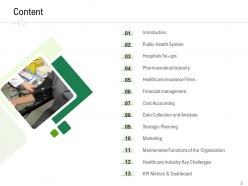
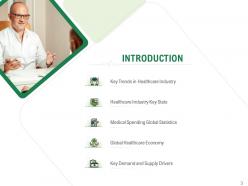
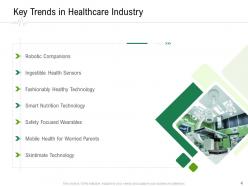
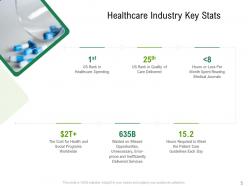
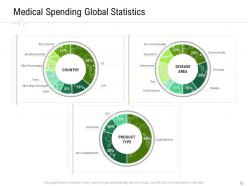
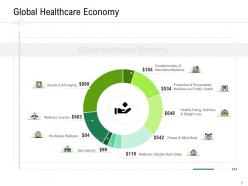
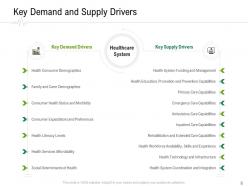
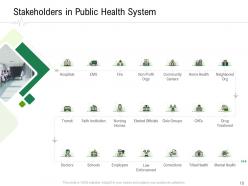
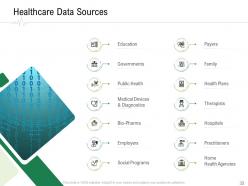
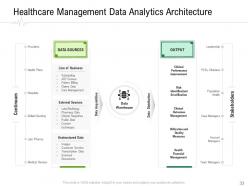
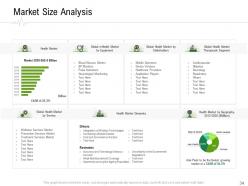
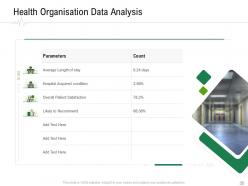
Introducing our Hospital Administration PowerPoint Presentation Slides to develop a dynamic public health system policy. Select our expertly designed health administration PPT templates to highlight the key trends in the medical sector. Update the audiences' knowledge on health technologies like robotics companions, ingestible health sensors, smart nutrition technology, and mobile applications through this medical industry PPT slideshow. Employ these hospitality PowerPoint layouts to display the global medical spending statistics and healthcare economy through available and customizable pie charts, graphs, and tables. Elaborate on the key demand drivers in the healthcare system like consumer demographics, literacy levels, and affordability using this health administration PPT slideshow. Mention the details on significant shareholders and the importance of adequate healthcare management by resorting to these hospital sector PPT visuals. To illustrate the framework of corporate and hospital tie-ups, you can use this hospital network PowerPoint presentation and create a winning presentation. Download this health management PowerPoint deck and share the healthcare data sources like governments, education, and social programs.
People who downloaded this PowerPoint presentation also viewed the following :
Hospital Administration Powerpoint Presentation Slides with all 66 slides:
Use our Hospital Administration Powerpoint Presentation Slides to effectively help you save your valuable time. They are readymade to fit into any presentation structure.


FAQs for Hospital Administration
So you'd basically run the whole hospital - budgets, staffing, all that regulatory nightmare stuff. Most days you're juggling department heads, keeping patient care on track, and fighting with insurance companies (honestly the worst part). Strategic planning and facility management fall on you too. Plus community relations and working with the board on big decisions. Oh, and don't forget accreditation standards. It's like running any complex business except people might literally die if you screw up. Definitely shadow your current admin first - trust me, it looks way more manageable on paper than reality.
Look, good communication literally makes or breaks hospitals. When departments actually talk to each other, you get better emergency response and way fewer medical errors. Plus patients don't feel like they're getting the runaround. I've watched places completely implode when nurses and doctors aren't on the same page - it's ugly. Staff stick around longer when they know what's going on too. Start with regular meetings between departments and get your handoff procedures consistent. Those two things will fix like 80% of your headaches right there.
Honestly, the pattern recognition stuff is where it gets really cool - you can catch problems way before they blow up into bigger issues. Track infection rates, figure out which treatments actually work for different conditions, even predict readmissions. Those real-time dashboards are game-changers once you stop being intimidated by them. Plus you can optimize staffing so patients aren't stuck waiting forever (which everyone hates), and monitor med errors across your whole system. My advice? Pick one metric that's already driving you crazy and start there - you'll see results way faster.
Honestly, you can't just slap compliance on at the end - build it right into how you operate. Yeah, staff training is annoying but do it quarterly on current regs. Get automated tracking set up for your key metrics so problems get flagged early. Have legal audit your riskiest stuff like billing and patient records every few months. Oh, and subscribe to CMS updates so you're not scrambling when rules change. Most important thing? Pick one person to own this mess. When it's everyone's job, it becomes nobody's job, you know?
Honestly, start by surveying your patients first - you might be surprised what's actually bugging them versus what you think it is. Three big things though: communication is huge. People lose their minds when they're sitting there with zero updates about delays or what's happening next. Get your registration process smoother and be upfront about wait times from the start. Your staff needs empathy training too, not just the technical stuff. I've seen places where everyone's super skilled but they treat patients like they're annoying interruptions. Check in with patients regularly so small issues don't blow up. Fix whatever's your biggest problem area first rather than trying to overhaul everything at once.
So most hospitals hit up job fairs and partner with nursing schools - plus they're throwing around signing bonuses like crazy these days. Retention's trickier though. You need decent nurse-to-patient ratios and actual career paths people can see. Flexible schedules are pretty much mandatory now because burnout is insane. Mental health support too. Honestly, the biggest thing? Just don't treat your staff like garbage. Exit interviews will tell you exactly why people are bailing - I'd start there and fix whatever keeps coming up.
Oof, yeah hospital finances are rough right now. Labor costs are killing them - nurses especially, since there's such a shortage their wages have shot up. Then you've got inflation hitting medical supplies, utilities, all that stuff. Reimbursement rates? They're not even close to keeping up, which is honestly ridiculous. Don't even get me started on patients who can't pay their bills. Most hospitals are running on super tight margins or actually losing money on some services. I'd say focus on streamlining operations and maybe finding new revenue sources if you can.
Honestly, the right tech makes a huge difference - start with whatever's driving you crazy first. EHRs cut way down on paperwork and those scary medication mix-ups. Automated scheduling is a game changer too since it reduces no-shows and helps with staffing. AI inventory stuff prevents you from running out of supplies (or ordering way too much). Patient portals are clutch because people can book their own appointments instead of calling constantly. Don't try to automate everything at once though - that's just asking for chaos. Pick your biggest headaches first.
You'll want that incident command structure set up way before chaos hits. Clear communication, everyone knows their role, regular drills - the whole thing. Because honestly? Emergencies always happen at like 2am on a holiday weekend when you're short-staffed. Stock your supplies and actually check they're accessible (not buried behind a locked door nobody can find the key to). Do debriefs after every crisis. What worked? What was a total disaster? Start by sitting down with your team and going through your current plan. I guarantee you'll find at least three things you never thought of.
Honestly, when your nurses, doctors, and pharmacy people actually talk to each other, everything just works better. Fewer screwups, patients get out faster, and staff don't burn out as much. Daily huddles help a ton - sounds cheesy but it works. Shared electronic records are clutch too, plus maybe some cross-department meetings (though nobody loves more meetings, I get it). You'll see way less of those annoying communication breakdowns that make everyone's job harder. If you're trying to fix this stuff, maybe test it on one unit first? Don't go crazy trying to change everything at once.
Here's the thing - don't fire people for reporting mistakes, actually reward them for speaking up. Walk around regularly and ask your frontline staff what's bugging them. Then actually do something about it (this is where most managers totally blow it). You need proper staffing too because exhausted people screw up more. Share your near-miss data with everyone so other departments can learn from those close calls. Honestly, just pick one unit to test this stuff first. If it works, word will spread naturally and other areas will want in.
Honestly, telemedicine is a total game-changer for hospitals right now. Readmission rates drop big time, and you don't have to shuffle patients around for every specialist consult - which is honestly such a pain logistically. The cost benefits are solid too. Fewer no-shows, less overhead, staff can see way more patients without the physical space constraints. Rural areas especially benefit since access was always terrible before. My cousin works at a small hospital upstate and says it's been huge for their ER consultations. I'd definitely check your patient flow data first though - see where you're bottlenecked and which departments could really use the bed space freed up.
LED lighting is probably your easiest win right off the bat. Get some recycling programs going and ditch single-use stuff where it's safe to do so. Digital records help too, obviously. The cafeteria's where you can really make a difference though - find local suppliers and start composting. Rooftop gardens are amazing if you've got the space (and budget honestly). Staff buy-in is everything. Green committees work well for getting people excited about it. You'll want to track energy usage and waste numbers so you can prove to the board it's actually working.
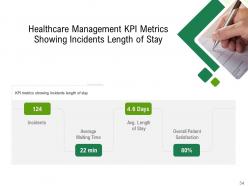
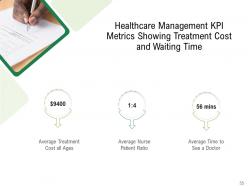
Look at four main buckets: clinical stuff, money, operations, and patient happiness. Infection rates, readmissions, and mortality are the big clinical ones - can't mess around there. Financial side? Operating margins, revenue per bed, and what insurance mix you're dealing with. HCAHPS scores tell you if patients actually like you, plus staff turnover (high turnover is such a red flag). Then track length of stay and how full your beds are. Honestly, don't try to track everything at once. Pick maybe 2-3 from each area that match whatever's keeping you up at night right now.
Look, those assessments are gold for admin decisions. They tell you what's actually happening health-wise in your area instead of you just winging it. Super helpful for figuring out which programs need more money or staff. Plus they're great backup when you're asking the board for funding - way more convincing than "trust me on this one." I'd dig up your latest one and let it guide your strategic planning for next year. Honestly beats making decisions based on hunches, though sometimes your gut isn't totally wrong either.
-
Topic best represented with attractive design.
-
Professional and unique presentations.
-
I discovered this website through a google search, the services matched my needs perfectly and the pricing was very reasonable. I was thrilled with the product and the customer service. I will definitely use their slides again for my presentations and recommend them to other colleagues.
-
Excellent work done on template design and graphics.
-
Innovative and attractive designs.