Hospital management business plan powerpoint presentation slides

Rating:
92%
Hospital management business plan powerpoint presentation slides
Slide 1 of 66
Favourites Favourites

Try Before you Buy Download Free Sample Product

Audience Impress Your
Audience
Editable 100%
Editable
Time Save Hours
of Time
The Biggest Sale is ending soon in
0
0
:
0
0
:
0
0
Rating:
92%
Presenting our Hospital Management Business Plan PowerPoint Presentation Slides. This is a 100% editable and adaptable PPT slide. You can save it in different formats like PDF, JPG, and PNG. It can be edited with different colors, font, font sizes, and font types of the template as per your requirements. This template supports the standard (4:3) and widescreen (16:9) format. It is also compatible with Google slides.

FAQs for Hospital management business plan

Hey! So for your hospital business plan, start with market analysis first - figure out what healthcare gaps your community actually has. That'll shape everything else. You need an executive summary, detailed services you'll offer (which specialties), operational stuff like staffing and facilities, plus financial projections that aren't totally unrealistic. Don't skip the tech infrastructure section - honestly, hospitals are basically giant tech operations these days with all the systems required. Also include regulatory compliance strategy, risk management, and quality plans. People's lives are on the line, so that part's obviously critical.

Map out every regulatory requirement in your business plan - HIPAA, state licensing, CMS standards, all of it. Honestly, this is where hospitals get absolutely crushed if they mess up. You'll need a compliance team structure, training programs, audit schedules. The costs aren't cheap either, so build them into your financials from day one. Figure out who's accountable for what specific area. Regulatory gaps happen when everyone assumes someone else is handling things. Staying current with changing regs is basically a full-time job, but you can't skip it.

Look, market analysis is your reality check before you dump money into this thing. You've gotta know your local demographics, competition, and what patients actually need. Map out every healthcare provider within 25 miles - their strengths, weaknesses, the whole deal. Without this homework, you're basically throwing darts blindfolded and hoping something sticks. The analysis shows you gaps in care and how to stand out from everyone else. Trust me, understanding patient demand patterns and regulations will save you from some brutal mistakes. Don't skip this step - I've seen too many places crash because they thought they knew better.

Start with realistic patient volume projections and what different insurers actually pay per service - this stuff's impossible without good benchmarks from similar facilities. Staffing will eat up like 50-60% of your budget, then you've got medical supplies, equipment costs, and facility expenses. Bad debt provisions are huge too since patients don't always pay. Honestly, healthcare reimbursement is so unpredictable I'd build at least three scenarios - conservative, optimistic, and worst-case. Definitely get an experienced healthcare CFO to look over your numbers before you commit to anything major.

Honestly, I'd start with staffing ratios - burnt out nurses = terrible care, no question. Get your electronic records sorted and add telehealth if you haven't already. Patient navigators are clutch for helping people actually understand what's happening to them. Oh, and audit your satisfaction scores first - shows you exactly what's broken. Standardized care pathways help too, plus regular feedback loops. Technology-wise, focus on stuff that makes departments actually talk to each other instead of working in silos. The training piece is huge but everyone skips it.

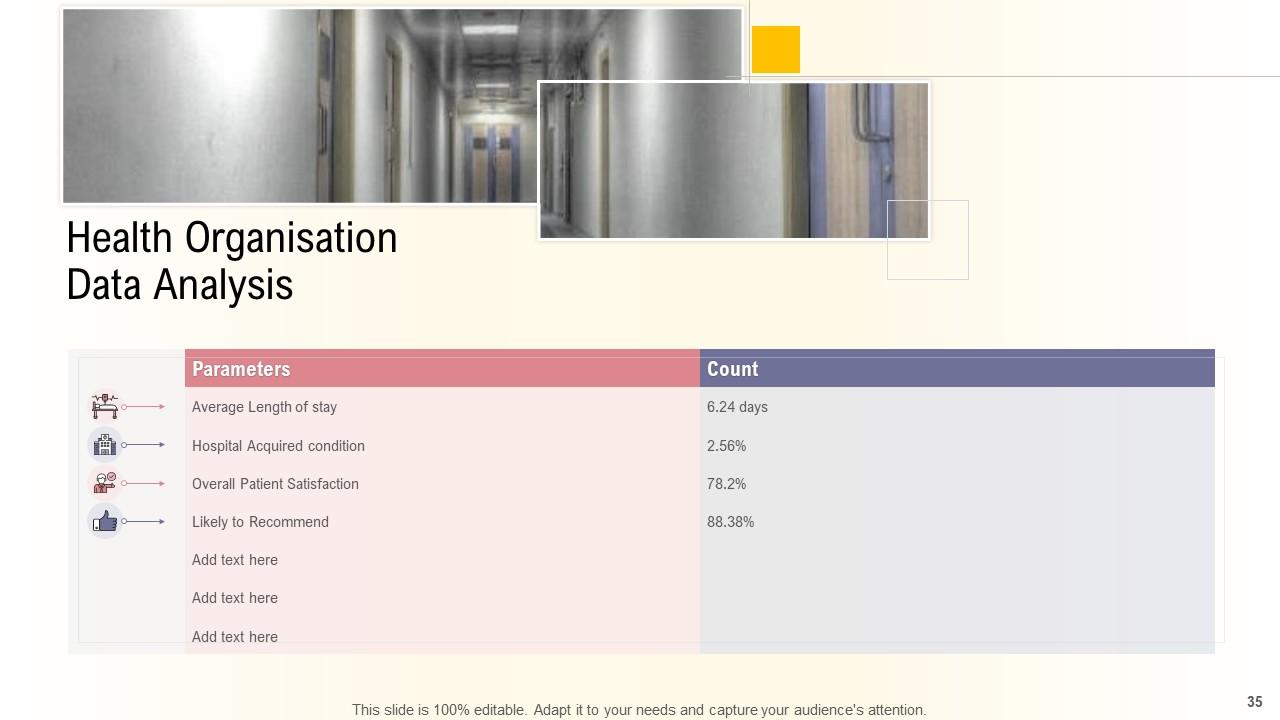
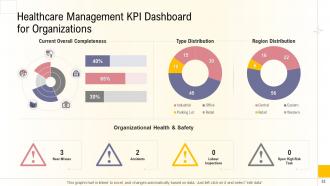
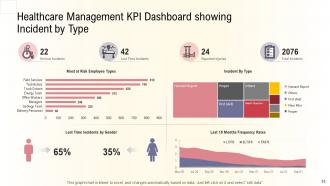
Track the obvious stuff first - revenue growth, profit margins, cost per patient. But don't sleep on operational metrics like patient satisfaction and readmission rates. Those actually matter more than people think. Staff turnover's huge too since hiring's expensive as hell right now. I'd watch bed occupancy and ER wait times closely - they're massive revenue drivers. Oh, and average length of stay tells you a lot about efficiency. Set up some kind of monthly dashboard so you can catch problems early. The key is mixing financial data with quality measures that show you're not just making money but actually helping people.

Definitely include a whole tech section in your business plan - hospitals that skip this are basically doomed. Three must-haves: EHR systems for patient records, telemedicine platforms, and automated scheduling/billing. Staff training is huge though. I've seen places blow tons of money on fancy systems their teams never figured out how to use properly. Map out your biggest headaches first, then find tech that actually solves those problems. Budget for ROI projections and rollout timelines too. Oh, and don't underestimate how long implementation takes - it's always longer than you think.

Honestly, competitive pay is everything right now - healthcare workers can go anywhere. Career paths matter too, but flexible scheduling might be even more important with how burned out everyone is. Partner with nursing schools for recruiting, and definitely use employee referrals (seriously, they're gold). Social media actually works great for younger nurses, which surprised me at first. Mental health support isn't optional anymore either. The big thing though? Focus as much on keeping people as hiring them. Do exit interviews - they'll tell you exactly what's broken and save you from losing more good people.

Honestly, your hospital management plan needs to attack costs from multiple angles. Staff scheduling efficiency is huge - that's where most places bleed money. Supply chain stuff matters too, plus smart tech investments that actually pay off long-term. Energy costs are brutal if you ignore them! But don't just cut expenses - find new revenue streams like specialized services or those value-based care contracts everyone's doing now. You need regular financial check-ins to catch problems early. I'd start by auditing your three biggest expense buckets first, then work from there.
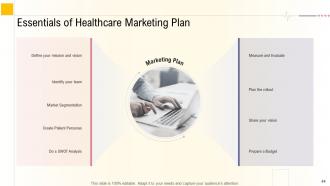
Dude, you absolutely need a solid marketing plan - otherwise you're just crossing your fingers that sick people will randomly find you. Research your local area first and see what services are missing. Figure out who your ideal patients are and how to actually reach them. Healthcare is all about trust (probably more than any other industry tbh), so your marketing helps establish that credibility. Plus it's how you'll stand out from other hospitals in your area. Without knowing your target demographics and what they actually need, you're basically flying blind. Start with the market research though - that's your foundation.
Hey! So build referral networks with other local providers instead of trying to compete with everyone. Map out who complements what you do - like smaller clinics that need specialized services or equipment sharing deals. Honestly, the equipment costs alone make partnerships worth it. Joint community health programs work great too since everyone benefits. Start reaching out to providers who aren't direct competitors. You'll expand your patient base while cutting operational costs. It's basically like being the neighborhood hub that everyone wants to work with rather than fight against.

So basically you need to hit the major stuff: patient safety protocols, infection control, financial coverage like insurance and diversifying revenue streams. Staffing shortages and equipment breakdowns are huge operational risks too. Cybersecurity is absolutely critical - those data breaches will bankrupt you fast. Emergency prep for disasters or pandemics (yeah, we definitely learned that one recently). I'd honestly start by figuring out your hospital's worst vulnerabilities first. Then build your whole framework around those problem areas. Make sure each department knows what they're responsible for and set up regular check-ins to review everything.

Honestly, just ask your patients what they think - surveys and feedback forms work great. Track stuff like wait times and how fast you handle complaints too. Set real goals, like hitting 85% satisfaction in a year, and actually budget for fixing problems. Here's the thing though - collecting feedback means nothing if you don't act on it. Do quarterly reviews to spot trends, then make changes. Maybe extend hours or improve how staff communicates. Oh, and don't forget to track how happier patients affect your bottom line. That part's pretty crucial for your business plan.

So community outreach is basically how your hospital gets known in the area - and honestly, it works way better than ads. Health screenings and education programs make people see you as the go-to place when they need care. I've seen it create real patient loyalty too. The cool thing is you're actually helping people stay healthier, which means fewer emergency visits later. Just pick one or two programs to start - maybe free blood pressure checks or something simple? Track what brings people in and gets them talking. It's pretty much the best PR you can do.

Look, there are three big areas to hit: energy stuff, waste, and who you buy from. LED lights and smart heating systems will save you money over time - renewable energy too if you can swing it. Hospitals throw away an insane amount of stuff, so get serious about medical waste programs and recycling. Honestly, the waste part probably has the biggest impact. For suppliers, go local when possible and pick companies that actually care about environmental standards. Just make sure you're tracking real numbers to show investors how this saves money. Your community reputation gets a boost too, which doesn't hurt.

Ratings and Reviews

92% of 100
Review Form
Write a review
Most Relevant Reviews
  1. 100%

    by joan

    very nice, great design and very useful
  2. 100%

    by Darin Chen

    Very well designed and informative templates.
  3. 100%

    by John Walker

    Great product with effective design. Helped a lot in our corporate presentations. Easy to edit and stunning visuals.
  4. 80%

    by Robert Young

    Great product with highly impressive and engaging designs.
  5. 80%

    by Chuck James

    Great designs, really helpful.

5 Item(s)

per page: