


Workplace Communication Powerpoint Ppt Template Bundles




Try Before you Buy Download Free Sample Product
 Impress Your
 Audience
 100%
100% Editable
 Save Hours
 of Time


Introducing our comprehensive Communication Plan for Advertising Agency PowerPoint PPT presentation, designed to assist advertising agencies in effectively planning and executing communication strategies for their clients. This informative slide deck covers essential keywords such as Marketing Agency, Brand Advertisement, Product Advertisement, Marketing Agency Communication Plan, Digital Marketing Advertisement Agency, and Social Media Marketing Advertisement Agency. With visually appealing slides and concise content, our PPT offers a deep dive into the elements of a successful communication plan tailored specifically for advertising agencies. Whether youre an agency owner, marketing professional, or part of a communication team, this resource will enhance your understanding of developing clear communication objectives, defining target audiences, selecting communication channels, and measuring campaign effectiveness. Gain valuable insights into effective brand messaging, creative content development, and leveraging digital platforms for maximum impact. Maximize the success of your advertising campaigns and drive results for your clients with our user friendly Communication Plan for Advertising Agency PPT. Elevate your communication strategies and deliver compelling messages that resonate with your target audience.
People who downloaded this PowerPoint presentation also viewed the following :
Workplace Communication Powerpoint Ppt Template Bundles with all 25 slides:
Use our Workplace Communication Powerpoint Ppt Template Bundles to effectively help you save your valuable time. They are readymade to fit into any presentation structure.

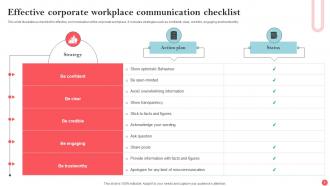
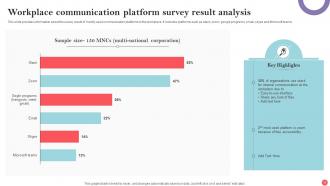
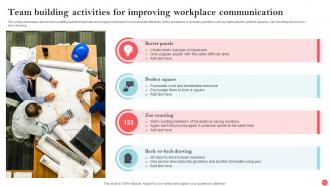
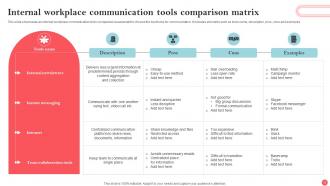






FAQs for Workplace Communication Powerpoint
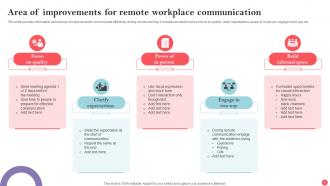
Honestly, just be straight up about what you need - none of that corporate speak BS. Listen when people talk back to you (actually listen, don't just wait for your turn). Pick the right way to reach someone too. Like, your work buddy might be cool with random texts, but maybe email the CEO instead? Timing is huge - don't blow up someone's phone at 9pm unless the building's on fire or something. Oh, and always double-check that people actually got what you were saying. I've learned to end conversations with "so you'll handle X and I'll do Y" because otherwise stuff just falls through the cracks.
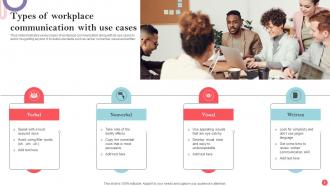
Dude, your body language is doing SO much talking - like 55% of all communication actually. I've watched people completely kill meetings just by rolling their eyes at the wrong moment. Your posture when you're presenting? How you make eye contact? Even where you plop down in the conference room - teammates notice all of it. Honestly, sometimes I catch myself slouching and wonder what vibe I'm giving off. But yeah, facial expressions and tone can build trust or create weird tension without you realizing. Just something to think about since everyone's definitely reading those signals whether you mean to send them or not.
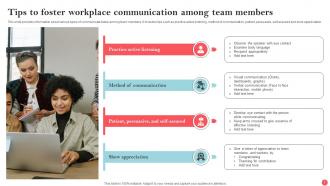
Honestly, active listening is a game changer for teams. Put your phone down and actually make eye contact - people feel heard when you do that. Trust builds so much faster. You'll catch details you'd normally miss too, which prevents those stupid miscommunications we all hate. Plus team members open up more when they know you're genuinely listening, not just waiting to jump in with your own agenda. Here's what works: ask follow-up questions instead of immediately sharing your thoughts. I learned this the hard way after missing important stuff in meetings because I was too busy planning what to say next.
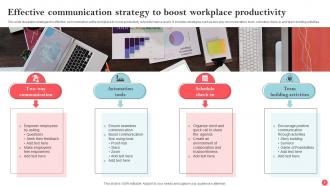
Yeah, workplace tech is weird like that. Slack and video calls are lifesavers when you're working remotely - way better than those endless email threads we used to deal with. But I swear it makes some people forget how to actually talk face-to-face! Plus you'll get pinged constantly and feel like you're drowning in notifications. My rule? Save the complex stuff for real conversations. Quick updates can stay digital. Though honestly, sometimes I just call people because typing everything out takes forever.
Honestly? Most communication problems boil down to people not really listening and sending super vague messages. Like when someone emails "we need to discuss this" - discuss what exactly? Office politics mess things up too, obviously. Different communication styles don't help either. Here's what actually works: be ridiculously specific in your messages. Ask questions instead of guessing what people mean. Pick up the phone sometimes instead of writing novels over email. And listen when people talk - don't just plan your response. Start with yourself and see how it spreads.
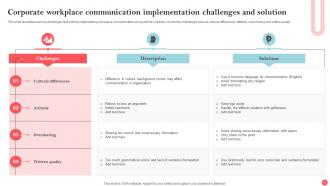
Oh man, this is so real! Different cultures communicate completely differently at work. Like, Japanese or Middle Eastern colleagues might hint at things instead of saying them directly - you've gotta read between the lines. Meanwhile Germans and Americans? They'll just tell you straight up, no sugar-coating. Some cultures are super hierarchical too, so people won't speak up to their boss the same way. Honestly took me forever to figure this out when I started working internationally. Just ask questions when you're lost and don't assume someone's being weird - they're probably just communicating how they learned to.
Okay so here's the thing - you've gotta repeat your message like 5 different ways because people zone out. Skip the corporate buzzword nonsense and tell actual stories instead. Visual stuff helps too, like charts or whatever. Break those huge goals down so your team can actually see they're making progress. The biggest mistake? Not explaining how someone's daily grind connects to the big picture. Sarah filing reports needs to know why that matters, you know? Also - and this sounds obvious but most people skip it - actually check if anyone understood what you said. Ask them to repeat it back or something.
Try the SBI thing - Situation, Behavior, Impact. Basically you describe what happened, what they actually did, then how it affected things. Way better than getting all emotional about it. Don't wait forever to bring it up either, that just makes it weird. Oh and always end with what you want them to do differently next time. Like instead of "your emails suck," say something like "In yesterday's meeting when you cut off Sarah twice, the client seemed to lose confidence in her ideas." Keeps it factual, you know?
So formal communication is like your official stuff - emails to bosses, policy updates, performance reviews, client presentations. You need structure and everything documented. Informal's more your Slack messages, grabbing coffee with coworkers, popping by someone's desk, team brainstorms where you can actually be yourself. Both matter a ton, honestly. The formal stuff keeps everyone on the same page with big decisions and creates accountability. Informal builds relationships and just makes collaboration way faster. I'd say match your style to whatever's happening - though I always lean slightly more formal if I'm unsure. Better safe than sorry, you know?
Honestly, team activities are like practice runs for real conversations at work. Your coworkers figure out how everyone communicates when the pressure's off. I know it sounds cheesy, but doing escape rooms or whatever actually builds trust between people. Once you've laughed at some weird icebreaker together, speaking up in meetings doesn't feel as scary. The quiet people start talking more, and everyone gets better at actually listening. Try something easy first - maybe team lunches where nobody's allowed to mention work. You'll be shocked how much people open up when they're not in meeting mode.
Yeah, remote work totally kills those random conversations you'd have grabbing coffee or whatever. You miss out on so much relationship building. I've learned you have to be super deliberate about staying connected. Video calls help a ton - faces make such a difference honestly. Set up casual chat channels and regular check-ins that aren't just about work stuff. Also, write way more context in your messages since people can't just walk over and ask "wait, what?" Oh, and don't let important conversations get buried in DMs where half the team can't see them.
Honestly, these techniques just make you pump the brakes when everything's getting heated - which is exactly when we all turn into terrible listeners. People start talking over each other the second stress kicks in, right? So instead of immediately getting defensive, you acknowledge their emotions first and ask questions to actually understand what's happening. The listening thing is probably the biggest game-changer because it makes them feel heard, and that alone cuts the tension in half. Try something like "I can see you're really frustrated about this, help me understand what I'm missing." Way more effective than just arguing your point.
Honestly, just stick with what your team already knows - Slack or Teams for quick chats work great. Email's still necessary for the formal stuff, obviously. Zoom calls are fine but ugh, someone's always forgotten to unmute themselves lol. You'll want something like Asana for tracking who's doing what and when. Don't go crazy with too many apps though - maybe 2 or 3 tops? Otherwise people just get confused and stop using half of them. Ask your team what's annoying them most right now. Then pick tools that actually fix those problems instead of adding more chaos.
Honestly, start with a basic quarterly survey asking how informed your team feels. Track the obvious stuff - email open rates, meeting feedback scores. But here's what actually matters: are people getting your messages AND doing something with them? Employee engagement surveys help, plus those quick pulse checks to see if people feel heard. Good communication isn't just "did it reach them?" - it's "did they understand and care?" Most companies obsess over delivery metrics but ignore whether anything actually changed. Also, let's be real - getting anyone to read emails is basically impossible these days.
Honestly, don't wait until you've got everything perfectly mapped out - start talking to people early. I made this mistake once and rumors just spiraled while we were still figuring things out. Hit multiple channels: team meetings, emails, those awkward one-on-ones with managers. People need to understand WHY you're making changes, not just what's happening. Be real about how it might affect their jobs or daily work. Let them ask questions without getting defensive about it. Then - and this is huge - keep updating them regularly so they don't think you've forgotten they exist after that first big announcement.
-
“Love it! I was able to grab an exciting proposal because of SlideTeam.”
-
I took a chance with SlideTeam. I never looked back. Great products and great service.