


Bonus Plan Powerpoint PPT Template Bundles





Try Before you Buy Download Free Sample Product
 Impress Your
 Audience
 100%
100% Editable
 Save Hours
 of Time


Introducing our comprehensive Bonus Plan PowerPoint PPT presentation, designed to assist organizations in designing and implementing effective bonus programs for their employees. This informative slide deck covers essential keywords such as Employee Bonus, Incentive Plan, Compensation Plan, Perk Distribution, and Bonus Scheme. With visually engaging slides and concise content, our PPT offers a deep dive into the key components of a successful bonus plan. Whether youre an HR professional, compensation manager, or business owner, this resource will enhance your understanding of designing bonus structures, aligning them with organizational goals, and driving employee motivation and performance. Gain insights into different types of bonus programs, eligibility criteria, and methods of bonus distribution. Maximize the impact of your bonus plan in attracting, retaining, and motivating top talent with our user friendly Bonus Plan PPT. Elevate your compensation strategies and reward your employees for their hard work and contributions effectively.
People who downloaded this PowerPoint presentation also viewed the following :
Bonus Plan Powerpoint PPT Template Bundles with all 25 slides:
Use our Bonus Plan Powerpoint PPT Template Bundles to effectively help you save your valuable time. They are readymade to fit into any presentation structure.







FAQs for Bonus Plan Powerpoint
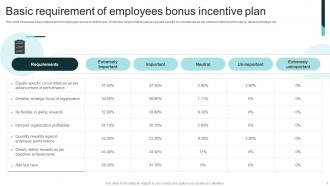
You'll need five main sections in your bonus plan. First, nail down who's eligible and when they qualify. Performance metrics come next - be super specific about what gets measured and over what timeframe. The calculation part is honestly where most companies screw up, so get detailed there. Cover payout schedules and approval workflows too. Oh, and definitely include what happens if someone quits or changes roles mid-cycle - trust me, that'll come up. Also smart to add language about plan changes since your business will evolve. Write everything in plain English though. Nobody wants to decipher corporate speak when money's involved.
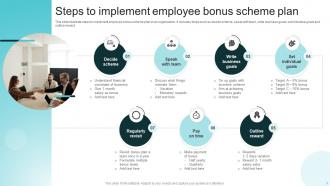
Start with what you actually want to achieve - more revenue, keeping customers around longer, whatever. Map out specific numbers your team can actually control through their daily work. Skip the corporate BS though. Nobody's motivated by "synergistic excellence" when their paycheck depends on it. Set up different tiers so people have something to shoot for beyond just the baseline. Oh, and review it every quarter - priorities change way faster than most companies admit. The key is keeping everything dead simple so your team knows exactly what moves the needle. Honestly, the simpler the better.
Honestly, you can't build a good bonus plan without asking your team what they actually want. Money isn't always the main motivator - weird, right? Survey them about what's working now and what isn't. They'll tell you which metrics make sense, what goals are actually doable, and how they want bonuses paid out. Some people prefer quarterly, others want it all at once. The best part? People will actually care about a plan they helped design instead of just rolling their eyes at another corporate initiative. Trust me on this one.
Honestly, bonus plans work way better when you tie them to team stuff instead of individual performance. People actually start helping each other out because they have to - their paychecks depend on it. I'd pick like 2-3 team metrics that actually matter to your business (project completion rates, department revenue, whatever). You can even throw in peer recognition components which sounds cheesy but works. The trick is making sure everyone knows they're all in it together. Money's a weird motivator but it definitely gets people cooperating when they realize one person slacking hurts everyone's bonus.
Honestly, the main headaches are vague goals, blown budgets, and people finding sneaky ways to game whatever system you set up. Templates help because they've already thought through the tricky stuff - measurable targets, budget guardrails, ways to prevent cheating. I've watched teams argue for months about bonus structures when they could've just grabbed a decent template and tweaked it. Way faster than starting from scratch every single time. Just pick one that actually fits how your company works, then customize the numbers to match what you're trying to accomplish.
Check your bonus plans once a year minimum, but quarterly reviews are honestly where the magic happens. The annual deep dive lets you see if your metrics still make sense and whether payouts match what's happening in the market. But those quarterly check-ins? That's when you catch people gaming the system in creative ways you never saw coming. Company pivots happen fast these days, and your bonus structure can get stale quick. I always tell people to set calendar reminders for both - the big yearly review and those lighter quarterly ones. Trust me on this.
Skip the corporate BS - just tell people exactly how much they can make and what they need to do to get it. Spell out the criteria with real numbers so there's no guessing what "meets expectations" means. I'd throw in some examples too, like "if you hit X sales target, you get Y bonus." People always ask the same stuff anyway, so add an FAQ section. Honestly, the best thing is walking through it as a team - way better than sending some confusing email they'll misread. That way you can catch questions before they become drama later.
Okay so break your template into separate sections for each bonus type - individual performance, team stuff, company-wide profit sharing, whatever you've got. Don't try cramming them all together because honestly? It gets confusing fast and nobody wants to deal with that mess. Each section needs its own criteria and payout timeline since they're measuring completely different things. Map out what bonuses you're actually giving first, then build around those. The biggest thing is being crystal clear about what triggers each bonus and whether they can stack or not. Oh, and spell out who's eligible for what - that's where most templates fall apart.
So you'll want to track a few key things - performance improvements, retention rates, and whether you're actually hitting business goals. Revenue growth matters too, obviously. Employee surveys are clutch for checking if people feel motivated (not just going through the motions). I'd also watch your cost-to-benefit ratio because honestly, some companies go overboard with bonuses and don't see much return. Pick maybe 3-4 metrics that match what you're trying to achieve. Check them quarterly instead of obsessing over daily numbers. The template breaks all this down pretty well if you need specifics.
Here's what I'd do - set up different performance tiers for each department instead of trying to force everyone into the same box. Sales hitting 120% quota isn't the same as engineering crushing their sprint goals, but both should get rewarded properly. Map out 3-4 performance levels per team first. Then define what "exceeds expectations" actually means for sales vs. customer service vs. dev work. I've watched companies totally botch this by using identical metrics across the board. Scale your bonus percentages based on role-specific baselines. Makes way more sense than the cookie-cutter approach most places use.
Okay so first thing - wage and hour compliance is huge here. Bonuses can mess with overtime calculations in ways that'll give you headaches later. You'll need clear contract language about whether these are discretionary or not, because that distinction actually matters legally. Tax withholding gets tricky too, and honestly every state seems to have its own weird rules about this stuff. Oh, and if you're multi-state or dealing with unions? Definitely get an employment lawyer to look at your template before you use it. Trust me on that one.
Dude, analytics can totally transform your bonus plans. Real-time tracking beats guessing any day - you'll actually see performance patterns instead of flying blind. The automation handles all those tedious calculations too. Dashboards are honestly a game-changer since spreadsheets make my eyes bleed after an hour. You can benchmark against competitors and predict different payout scenarios before committing. It helps you catch problems early rather than scrambling later. Industry data shows bonus structures work way better when they're based on actual performance trends, not just hunches. Start by pulling all your HR data into one system first.
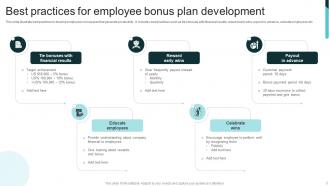
Honestly, the biggest thing is setting goals people can actually control - like, don't penalize your customer service team for missing company revenue targets, you know? Mix short-term and long-term milestones so momentum doesn't die mid-year. I'd split it between individual wins and team stuff to avoid the whole backstabbing thing. Oh, and be super transparent about how it all works - nobody likes mystery math when their bonus is on the line. Regular check-ins help too. Bottom line: people need to see that working harder actually pays off in a real way.
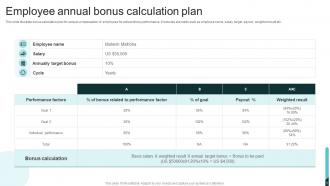
Honestly, bonus templates are great because they spell out exactly how everything's calculated and what you need to hit. No more guessing games about who got what or why. Managers can't just pick their favorites anymore - they have to follow the documented rules, which is honestly about time. Make sure yours has specific numbers and deadlines though. Nothing worse than vague "performance goals" that could mean anything. When bonus season comes around, you'll actually know where you stand instead of just crossing your fingers and hoping for the best.
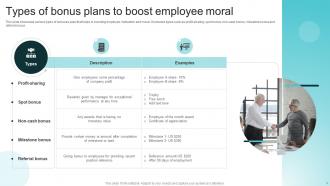
Honestly, the best bonus systems I've seen are dead simple. HubSpot does tiered commissions - 2-10% based on how much you hit your quota. Works great. You could also try project completion bonuses for teams or profit-sharing when the whole company crushes goals. But here's the thing - don't overcomplicate it. I've watched so many companies create these crazy formulas that nobody understands. Total motivation killer. Start with maybe 2-3 super clear goals, test it for a quarter, then expand. Oh, and make sure you're actually measuring stuff that matters, not just random busy work that looks good on paper.
-
Great combination of visuals and information. Glad I purchased your subscription.
-
Slideteam offers pocket-friendly products. As a college student this is a really necessary thing to look at while paying for something.