


Lab Management Powerpoint PPT Template Bundles




Try Before you Buy Download Free Sample Product
 Impress Your
 Audience
 100%
100% Editable
 Save Hours
 of Time


Our Lab Management Powerpoint PPT Template Bundles are topically designed to provide an attractive backdrop to any subject. Use them to look like a presentation pro.
People who downloaded this PowerPoint presentation also viewed the following :
Lab Management Powerpoint PPT Template Bundles with all 17 slides:
Use our Lab Management Powerpoint PPT Template Bundles to effectively help you save your valuable time. They are readymade to fit into any presentation structure.
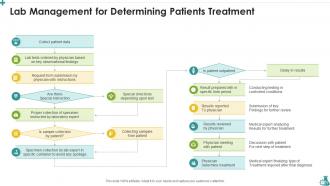
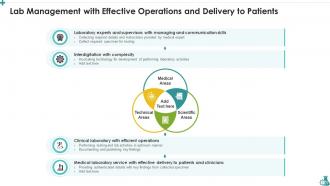
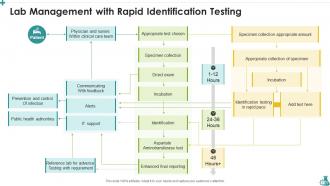
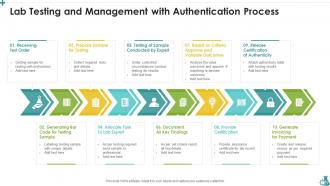
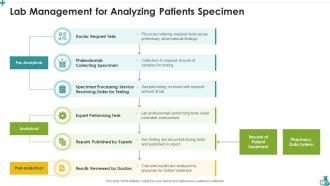
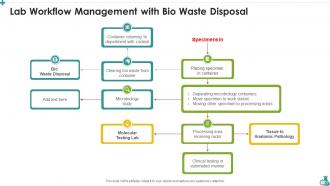
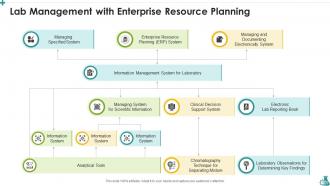
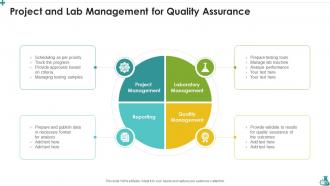





FAQs for Lab Management Powerpoint
Honestly, lab management boils down to four things you can't mess up: safety, inventory, equipment, and workflow. Safety's obvious - train everyone properly and don't skip PPE. Nothing worse than running out of reagents halfway through an experiment (trust me on this one), so keep inventory tight. Equipment breaks at the worst possible times, so stay on top of calibration and maintenance. Clear SOPs help too - prevents your team from accidentally sabotaging each other's work. My advice? Pick whatever area feels like total chaos right now and start there. Small wins build momentum.
Honestly, going digital will save you so much time. LIMS systems handle sample tracking automatically, and inventory management actually alerts you before supplies run out - no more panic orders! Cloud platforms mean your team can grab data from home if needed. We went paperless last year and cut admin work in half, which was huge. Automated workflows basically eliminate data entry mistakes too. Don't try to overhaul everything at once though. Maybe start with digitizing sample logs? Even that small change makes a real difference. You can always add scheduling systems and instrument integration later.
Honestly, just nail these three things: training, paperwork, and keeping an eye on stuff. Get your team trained annually (or whenever you bring in new equipment - that's when accidents happen). Yeah, documentation is boring as hell, but keep those SOPs updated and where people can actually find them. Auditors eat that stuff up. Set up regular inspections and make sure people report incidents without feeling like they're gonna get fired. Oh, and create some way for staff to talk to management about safety concerns. The whole thing only works if it becomes normal daily routine instead of this thing you scramble to fix right before inspections.
Start with psychological safety - nobody's gonna collaborate if they're scared of getting blamed or looking dumb. Regular team meetings help, but make sure everyone actually talks. Cross-train people so they get what others do. Honestly, I've watched so many labs turn into silos because the manager just... doesn't create chances for people to connect? Celebrate wins together, not just individual stuff. Be upfront about goals and problems. Model the behavior you want, and deal with conflicts fast before they spread. That toxic team dynamic thing is real and spreads quick.
Focus on turnaround times and error rates first - those tell you everything. Cost per test matters a ton when you're always fighting for budget (which, ugh, never ends). Track your throughput and equipment downtime too. Staff metrics are solid - like samples per tech and who's actually finishing their training. Oh, and quality control pass rates obviously. Customer satisfaction scores help but honestly? Start with maybe 3 metrics that actually align with what your lab needs most. Don't go crazy tracking everything or you'll drown in data that doesn't matter.
Honestly, get a basic inventory system going first - track purchase dates, warranties, all that stuff. Find vendors you actually like working with and get service contracts sorted upfront. When your printer dies at midnight before a presentation, you'll thank me later. Set calendar reminders for maintenance and calibrations so nothing sneaks up on you. Budget yearly for replacements because everything breaks eventually. Train people on equipment basics - saves tons of support tickets. Oh, and create some kind of approval process for new purchases. Otherwise random $3k orders just appear and nobody knows who authorized them.
Honestly, project management is what stops labs from becoming total disasters. It keeps timelines on track and makes sure people actually know their assignments. Without it? You'll have samples just sitting there while expensive equipment collects dust - trust me on this one. The trick is figuring out where your current workflow gets stuck. Map that stuff out first. Once you can see the bottlenecks, everything else falls into place way easier. Staff scheduling becomes less of a headache, and you might actually meet those deadlines for once.
Honestly, start by figuring out what you actually use vs. what's just sitting there. Put your money toward the core stuff that directly affects your research quality - everything else can wait. Refurbished equipment works fine for non-critical things, and I swear sharing expensive instruments with other labs is a lifesaver. You don't need a $50k machine gathering dust three weeks out of the month. Train your team on proper maintenance so things last longer. Also, don't just rely on grants - industry partnerships can hook you up with both funding and equipment access. Negotiate those service contracts too.
Honestly, I'd start with the boring but crucial stuff - safety certs and equipment training. Can't skip that foundation. Cross-training is a lifesaver when people are sick or on vacation, trust me on that one. Then layer in the fun stuff like conferences and workshops to keep everyone sharp on new techniques. Don't forget soft skills either - communication training actually makes a huge difference in labs since you're constantly collaborating. Oh, and sit down with each person to figure out what they actually want to learn for their career. Makes the training way more effective.
Honestly, good data management will save your sanity in the lab. No more digging through folders for that one protocol from last month. Naming conventions sound boring but they're clutch - pick a system and stick to it. Your whole team can actually find stuff when everything's organized the same way. Reproducing experiments becomes way less of a headache too. I'd start with just one type of data first, maybe your experimental logs? Set up regular backups and figure out who needs access to what. Trust me, when audit time rolls around you'll thank yourself. The time you spend setting it up front pays off huge later.
Daily cleanup is your best friend - just make it automatic. Label everything or you'll hate yourself later when you're staring at some random beaker like "what even is this?" Set up spots for all your equipment so people actually know where stuff goes. Clean as you go during experiments, way easier than dealing with a disaster afterward. Weekly deep cleans help too. Oh and don't skip the monthly equipment checks - learned that one the hard way. Basically just build it into your routine instead of waiting until everything's a mess.
LED lighting is probably your easiest first move - the energy savings will actually show up in your budget pretty quick. I'd also mess with the fume hood settings and throw timers on equipment that doesn't need to run 24/7. Digital documentation helps cut paper waste (though honestly some stuff still needs hard copies). For water, low-flow fixtures are cheap and you can reuse distilled water in most cases. Chemical disposal protocols matter too - way more than people think. Don't try everything at once though. Pick like two things, get everyone on board, then expand from there.
Oh man, the physical access thing is brutal - you can't just walk over and check on stuff anymore. Communication gets messy too, especially when everyone's working different hours from home. Real-time monitoring becomes this whole ordeal, and don't even get me started on security issues with people connecting from random networks. I was honestly freaking out when we first went remote, but you adapt. Remote cameras and sensors saved my butt. Daily check-ins help a ton - way more than I expected. Cloud lab software is pricey but worth it. Cross-training is clutch because someone's always sick or dealing with kid drama. Focus on your critical stuff first and build from there.
Dude, you gotta speak their language - drop all the tech jargon and use analogies they get. Like comparing contamination to parts per million in a pool or whatever. I've bombed so many presentations doing the opposite lol. Start with your main recommendation right off the bat. They want to know "what should we do" not "here's my methodology." Charts help big time. Show them how it hits their budget or timeline - that's what they actually care about. Save the nerdy details for when someone asks follow-up questions. Most executives just want the bottom line so they can make decisions and move on.
Honestly, just start with one monthly meeting where everyone shares what they're working on and what's coming up. I know meetings suck, but it actually prevents so much chaos later. Get some kind of shared chat going too - Slack or whatever your company uses. Make sure your processes are crystal clear about who hands what off to whom, because that's where things usually fall apart. Oh, and don't overthink it at first. See how the monthly thing goes, then you can always do it more often if needed. The informal stuff matters just as much as the scheduled check-ins.
-
Excellent template with unique design.
-
Awesome use of colors and designs in product templates.