


Demand and supply powerpoint presentation slides
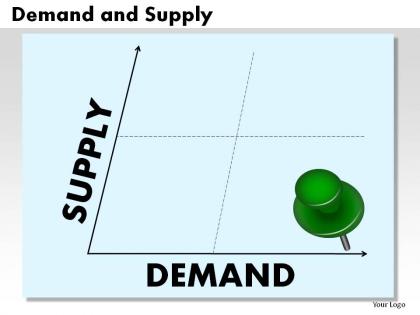




Try Before you Buy Download Free Sample Product
 Impress Your
 Audience
 100%
100% Editable
 Save Hours
 of Time


Our Demand And Supply Powerpoint Presentation Slides will fulfill your every need. Use them and effectively satisfy the desires of your audience.
People who downloaded this PowerPoint presentation also viewed the following :
Demand and supply powerpoint presentation slides with all 13 slides:
Hit your targets dead centre with our Demand And Supply Powerpoint Presentation Slides. Your thoughts will follow an unerring line.




FAQs for Demand and supply
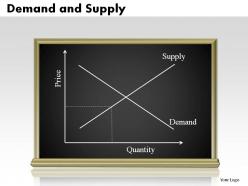
So basically when more people want something but there's not enough to go around, prices shoot up. Concert tickets are the perfect example - everyone wants to see Taylor Swift but there's only so many seats, right? Flip side: if there's tons of supply but nobody's buying, prices tank. Both sides of this equation shift around based on stuff like how much money people have, what's trendy, and how expensive it is to actually make things. Honestly, once you start noticing these patterns in your field, you'll get pretty good at predicting when prices are about to change.
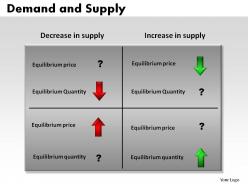
Okay so here's the deal - when demand shifts, price and quantity always move together in the same direction. Demand goes up? Both price and quantity rise. Goes down? They both drop. Picture it like concert tickets (I know, weird analogy but stick with me). More people want tickets = higher prices AND more sold overall. The supply curve doesn't budge, but where it meets your new demand line? That's your fresh equilibrium. Honestly once you get this pattern down, market analysis becomes way easier. Just see which way demand moved and boom - you know exactly what happened to both variables.
So income changes hit hardest - people make more money, they buy more stuff or go premium. Consumer trends are wild too. Like when everyone went health-crazy and organic food exploded? Yeah, that. Competitor pricing screws with you constantly. Their substitutes get cheap, your sales tank. Population shifts matter, seasonal stuff obviously. Future price expectations too - if people think costs will jump, they stock up now. Honestly the cultural moments are the weirdest part. Nobody saw the whole Stanley cup craze coming, right? My advice? Just keep tabs on this stuff regularly so you're not blindsided when demand suddenly drops off a cliff.
So price elasticity is just how much demand changes when you mess with prices - percentage change in quantity over percentage change in price. Elastic demand means if you bump prices even a little, people bail and buy way less (so your revenue tanks). Inelastic is the opposite - customers keep buying roughly the same amount no matter what. Like gas, right? You still need to fill up even when it's expensive. Supply works the same way. Honestly, this stuff matters more than most business owners think when they're setting prices.
So here's the deal - when there's tons of competition, suppliers have to jump on price changes super fast or they'll get left behind. Supply becomes way more elastic because everyone's fighting for market share. If prices go up, boom - multiple companies rush to increase production. But monopolies? They're lazy honestly. Less competition means they don't feel the pressure to react as quickly, so their supply curves end up being steeper. It's like they can afford to move at their own pace. Always look at how competitive a market is first - that'll give you a solid hint about how flexible the supply will be.
So basically, whenever the government steps in with price controls, they mess up that natural supply-demand balance. Price ceilings (set below market price) cause shortages - everyone wants the cheap stuff but there's not enough. Price floors work backwards and create surpluses since producers make tons but buyers don't want to pay the inflated price. Rent control's probably the most obvious example, though minimum wage gets thrown around a lot too. Honestly, these policies always sound good on paper but end up creating weird market distortions. Just look for those shortages or surpluses first when you're analyzing any market situation.
Cultural shifts totally dictate what people want to buy. Sustainability became trendy, so now everyone's hunting for eco-friendly everything. Social media makes random stuff explode overnight - like that whole Stanley tumbler craze (honestly still scratching my head over that one). People's values change with whatever movement is happening, which directly hits what they'll spend money on. Short sentences work. Your customers' lifestyle goals shift constantly based on cultural moments. I'd stay plugged into social listening tools and trend reports - they're actually pretty useful for catching these waves before they peak.
Yeah, disasters totally mess up supply chains - like when hurricanes slam major ports or earthquakes hit factories, everything just stops. It's crazy how one flooded warehouse can screw over suppliers across the globe. Prices usually shoot up because supply drops but everyone's still buying (or hoarding stuff, which makes it worse). The smart move? Having backup suppliers spread out geographically. I learned this the hard way during COVID actually - companies with all their eggs in one basket got absolutely destroyed. You don't want to be completely dependent on one region when nature decides to throw a tantrum.
So individual demand is just what YOU want to buy at different prices. Market demand? That's everyone's individual demands smooshed together. Like if you want 2 coffees daily at $3 each, market demand includes you plus every other coffee addict in town. It's basically zooming out from your personal shopping habits to see what the whole city wants. Honestly, this distinction trips up so many people in econ class. Market demand gives businesses the full picture of potential sales. Just make sure you know which type you're actually looking at when analyzing stuff.
Honestly, demand forecasting is a game-changer for inventory. Look at your sales data from the past 6-12 months and spot the patterns. Like, maybe you always sell way more in December - plan for that spike! Historical data plus seasonal trends help you predict what you'll actually need. No more running out of stock or being stuck with a warehouse full of stuff nobody wants. I swear, so many businesses just guess randomly and wonder why they're hemorrhaging money. Track everything consistently though - messy data equals messy forecasts.
Honestly, tech is a game-changer for supply chains. AI helps you predict demand way better, and automated production cuts costs like crazy. Real-time inventory tracking means you won't get stuck with too much stuff sitting around or running out of what you need. Blockchain makes everything more transparent too - though some companies are still figuring that out, which is kinda wild in 2024. Digital platforms let suppliers connect straight to manufacturers, so you're cutting out the middlemen and getting faster deliveries. Bottom line? Your competitors using this tech are definitely moving faster and spending less than you.
Here's the thing - richer people buy way more luxury stuff while their spending on basics stays pretty much the same. Makes total sense when you think about it. Once you're making good money, you're not gonna keep eating ramen every night, right? Necessities don't really change much regardless of income, but luxury items? They swing wildly. That's why Tesla does amazing when the economy's good but luxury brands get destroyed during recessions. So yeah, definitely look at income trends when you're trying to predict what people will actually buy.
Dude, inelastic demand is basically a goldmine. People will keep buying your stuff even when you jack up prices - think gas, insulin, power bills. They literally can't say no. So yeah, you can charge premium prices and focus on making more per sale instead of selling tons of volume. Just don't go crazy with it or you'll look like a total villain in the news. Oh, and regulators might come after you if you're being ridiculous about it. Start small with price bumps and see how customers react. Test the waters first.
So trade deals basically mess with supply and demand in your area. Foreign stuff gets cheaper and floods the market, which sucks for local companies but is great for consumers. Your local businesses can export easier though, so some sectors actually benefit big time. It's weird how different it hits various industries. Like, if your town makes steel, you're probably screwed when cheap imports come in. But if you're in tech or agriculture that exports well, you might do amazing. Really depends on whether your local economy is more about competing with imports or selling stuff abroad.
Honestly, start with your own data first - your POS system and Google Analytics will show you way more than you think about sales patterns and what customers actually want. Social media's clutch for this too since people literally tell you what they're looking for. Most businesses totally sleep on their transaction data, which is crazy to me. Survey your customers regularly, keep tabs on what competitors are doing with pricing and stock levels. Oh and build forecasting models that can actually adapt fast when demand shifts - rigid supply chains are basically useless these days.
-
Content of slide is easy to understand and edit.
-
Innovative and attractive designs.