


Purchasing And Supply Chain Management Powerpoint Presentation Slides
SCM usually refers to the final act of buying, which is crucial for businesses before deciding. The profile ensures that all the services and items are acquired efficiently, making processes proceed successfully. Grab our efficiently designed Purchasing and Supply Chain Management template that focuses on the company profile wherein an overview of the organization is provided. Services offered by the company include SCM intelligence, global sourcing, and outsourcing services. Features and benefits, service model to address market needs, supply chain management process, mapping management process, costs and SCM tools, management structure, and reason for choosing our company. The supply chain management process covers the stages, flowchart, cycle, and process evaluation. The proposal aims to understand the supply chain management process flow considered smooth for the company. Firms can present the data for becoming a leading SCM company in sourcing the market. One can even showcase all the companys costs and supply chain management tools and the process for the valuable customer base. Get access to our supply chain management ppt now.

















-

- Google Slides is a new FREE Presentation software from Google.
- All our content is 100% compatible with Google Slides.
- Just download our designs, and upload them to Google Slides and they will work automatically.
- Amaze your audience with SlideTeam and Google Slides.
-

Want Changes to This PPT Slide? Check out our Presentation Design Services
-

- WideScreen Aspect ratio is becoming a very popular format. When you download this product, the downloaded ZIP will contain this product in both standard and widescreen format.
-

- Some older products that we have may only be in standard format, but they can easily be converted to widescreen.
- To do this, please open the SlideTeam product in Powerpoint, and go to
- Design ( On the top bar) -> Page Setup -> and select "On-screen Show (16:9)” in the drop down for "Slides Sized for".
- The slide or theme will change to widescreen, and all graphics will adjust automatically. You can similarly convert our content to any other desired screen aspect ratio.
Compatible With Google Slides

Get This In WideScreen
You must be logged in to download this presentation.


Do you want to remove this product from your favourites?
PowerPoint presentation slides
This complete presentation has PPT slides on wide range of topics highlighting the core areas of your business needs. It has professionally designed templates with relevant visuals and subject driven content. This presentation deck has total of sixty two slides. Get access to the customizable templates. Our designers have created editable templates for your convenience. You can edit the color, text and font size as per your need. You can add or delete the content if required. You are just a click to away to have this ready-made presentation. Click the download button now.

People who downloaded this PowerPoint presentation also viewed the following :
Content of this Powerpoint Presentation
Slide 1: This slide introduces Purchasing and Supply Chain Management. State Your Company Name and begin.
Slide 2: This is an Agenda slide. State your agendas here.
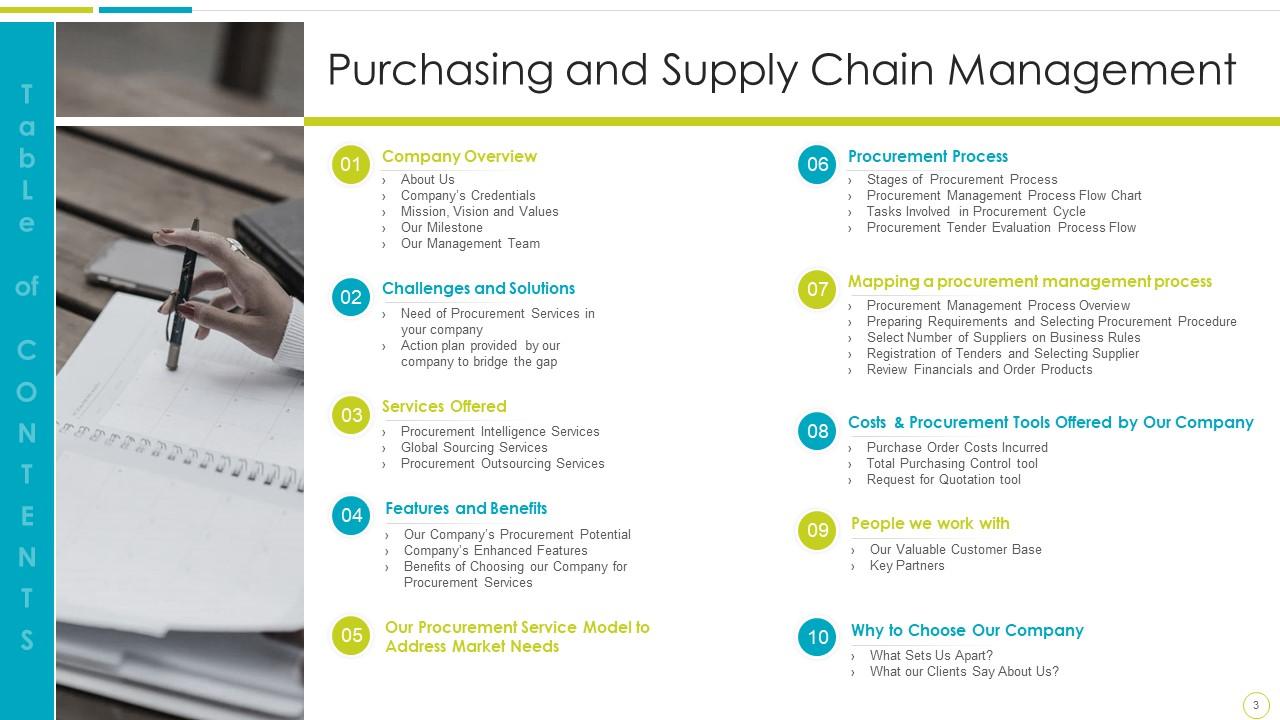
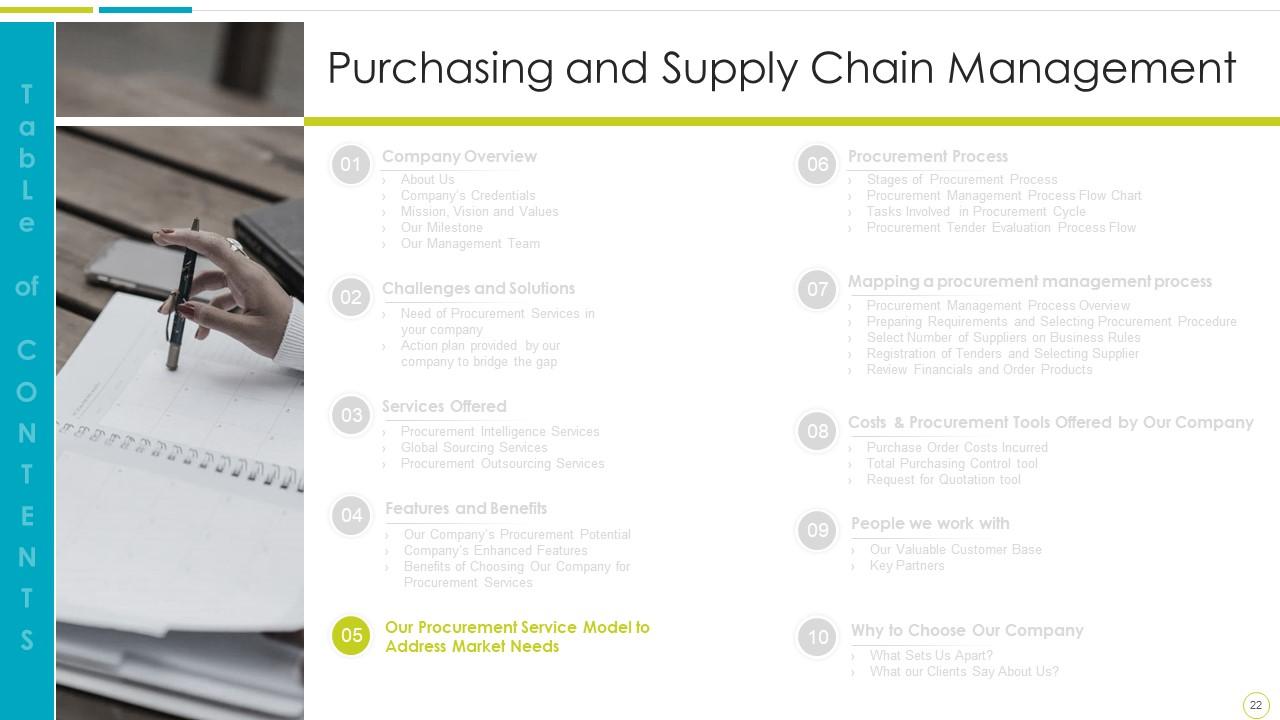
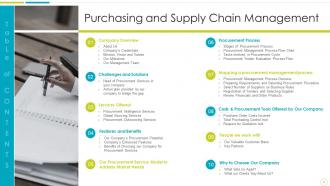
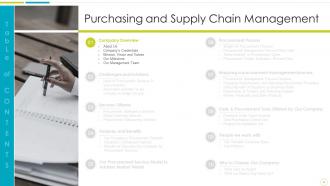
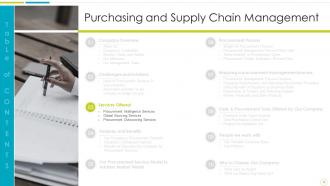
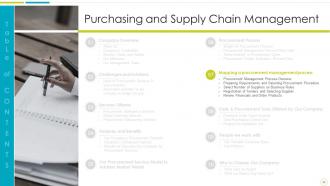
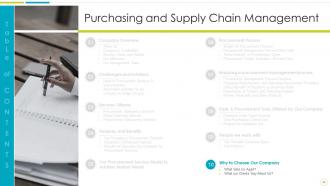
Slide 3: This slide presents Table of Content for the presentation.
Slide 4: This slide highlights title for topics that are to be covered next in the template.
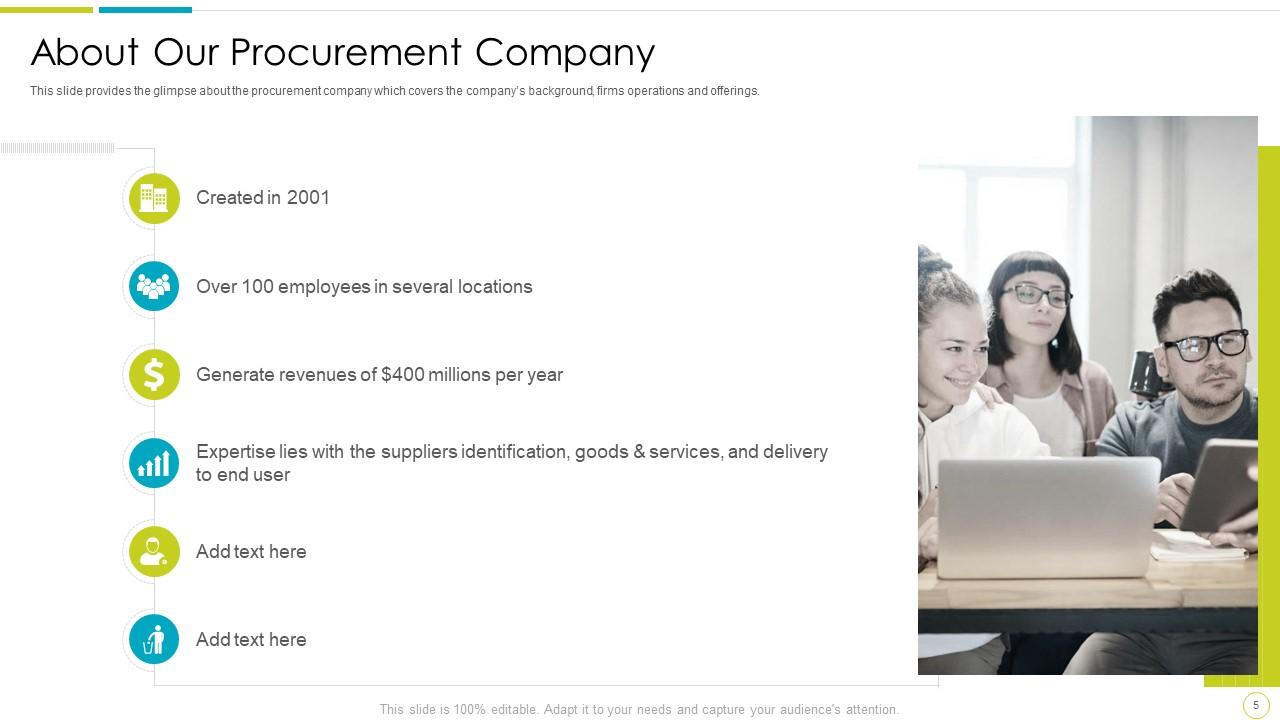
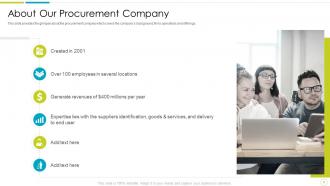
Slide 5: This slide provides the glimpse about the procurement company which covers the company’s background, etc.
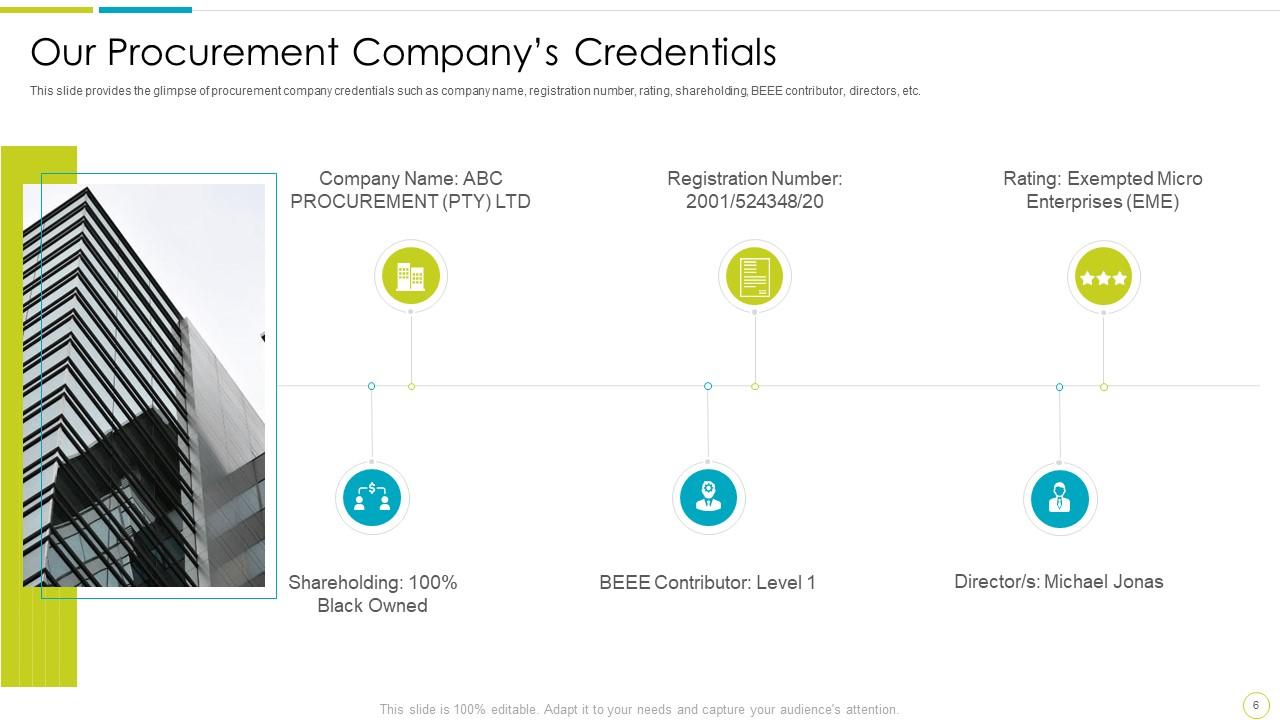
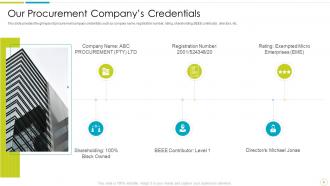
Slide 6: This slide provides the glimpse of procurement company credentials such as company name, etc.
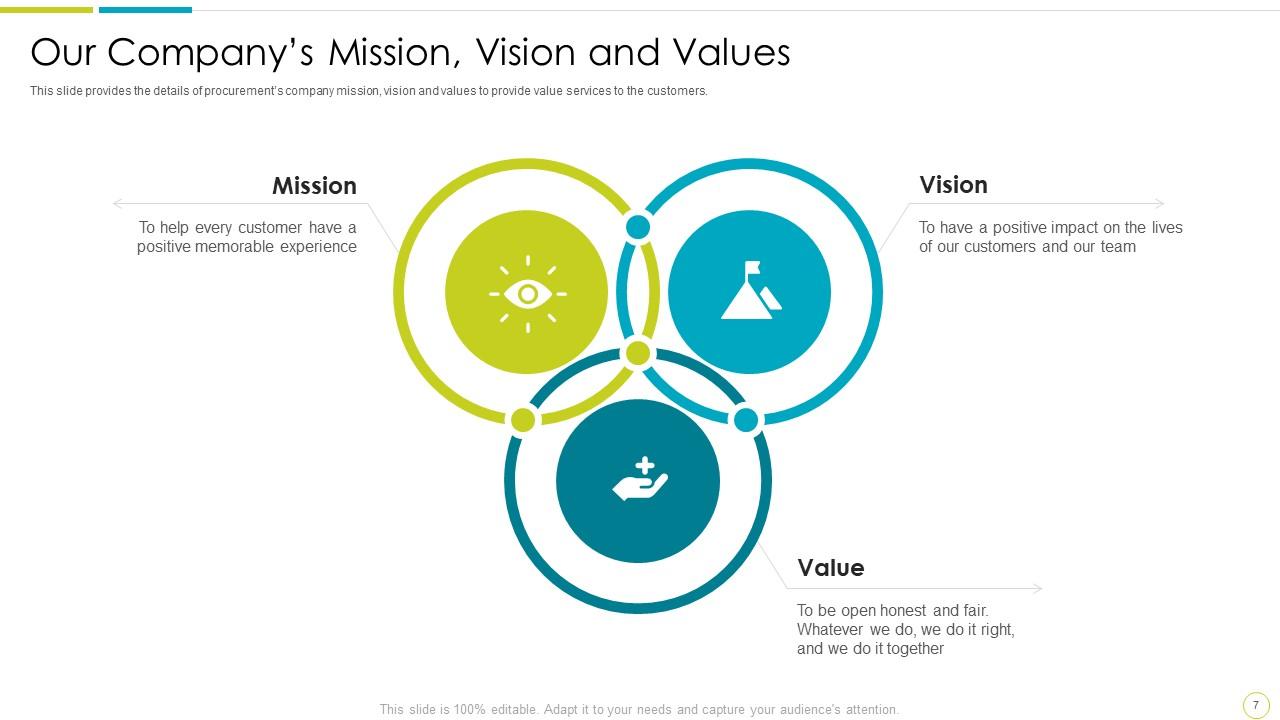
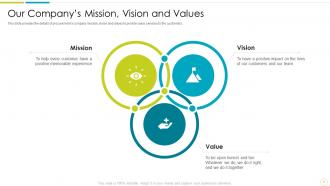
Slide 7: This slide provides the details of procurement’s company mission, vision and values to provide value services to the customers.
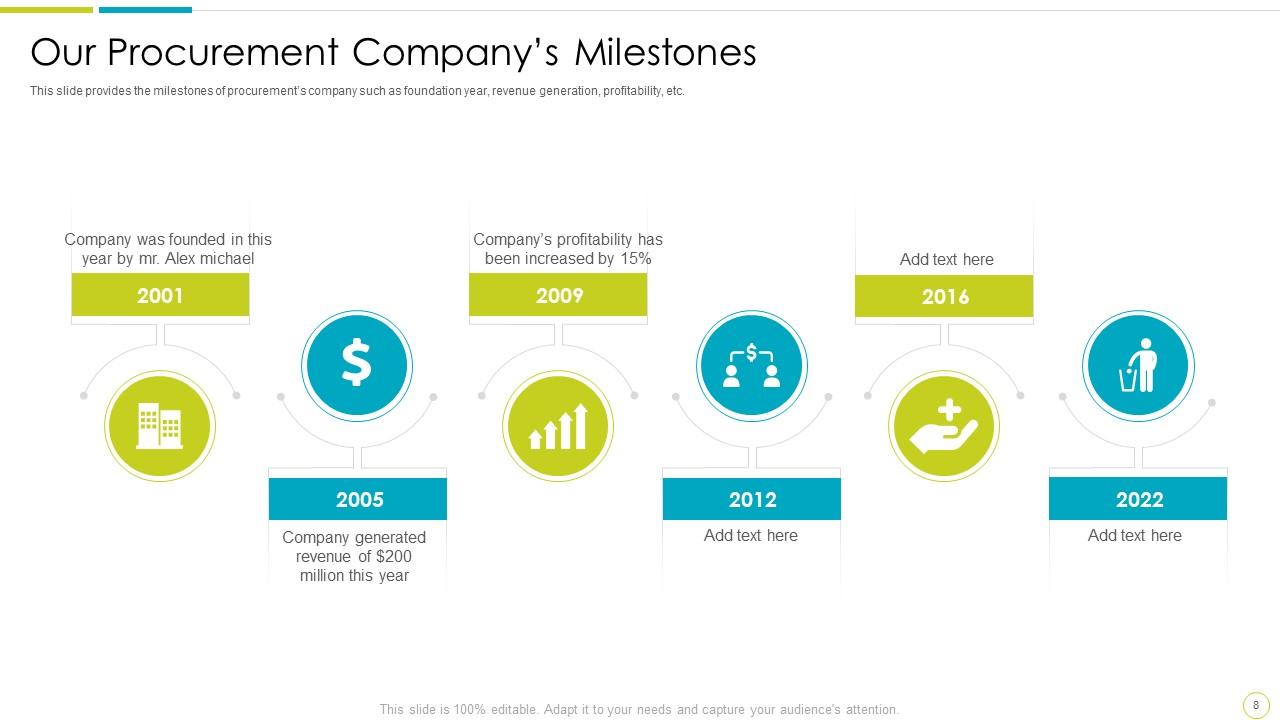
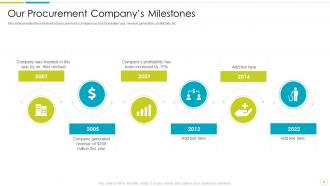
Slide 8: This slide provides the milestones of procurement’s company such as foundation year, revenue generation, profitability, etc.
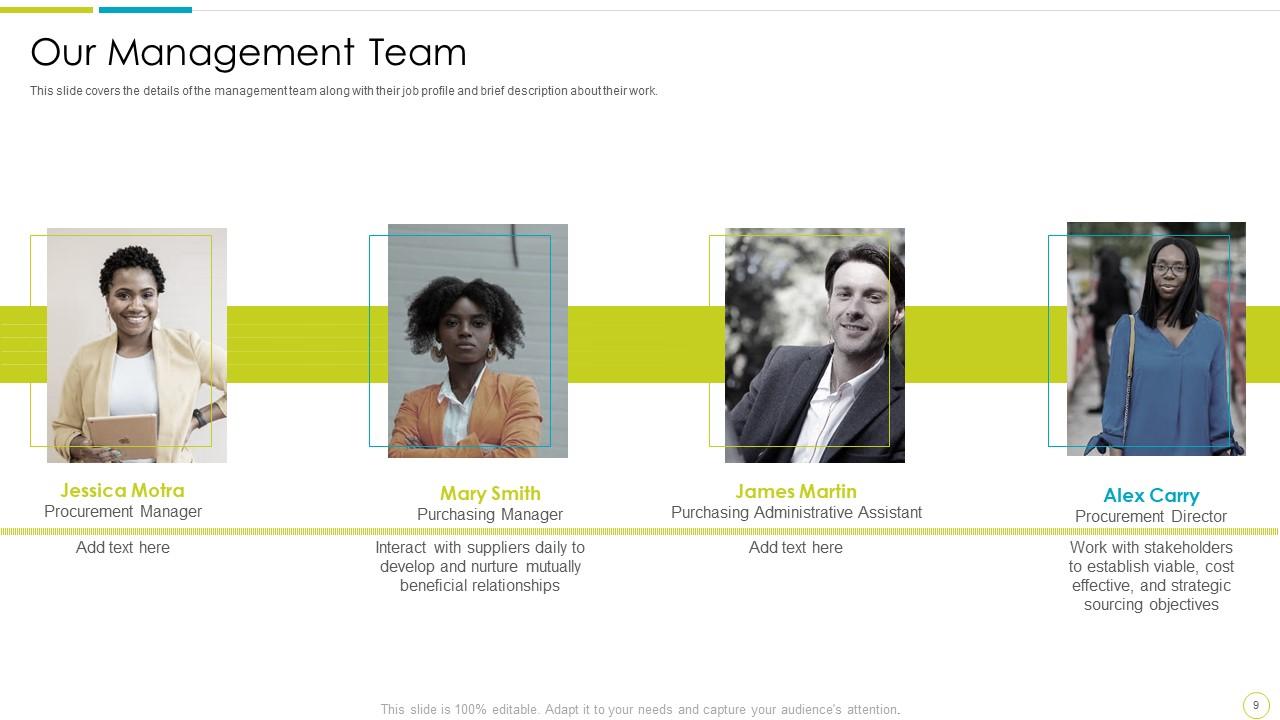
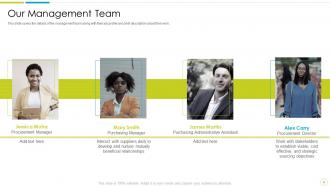
Slide 9: This slide covers the details of the management team along with their job profile and brief description about their work.
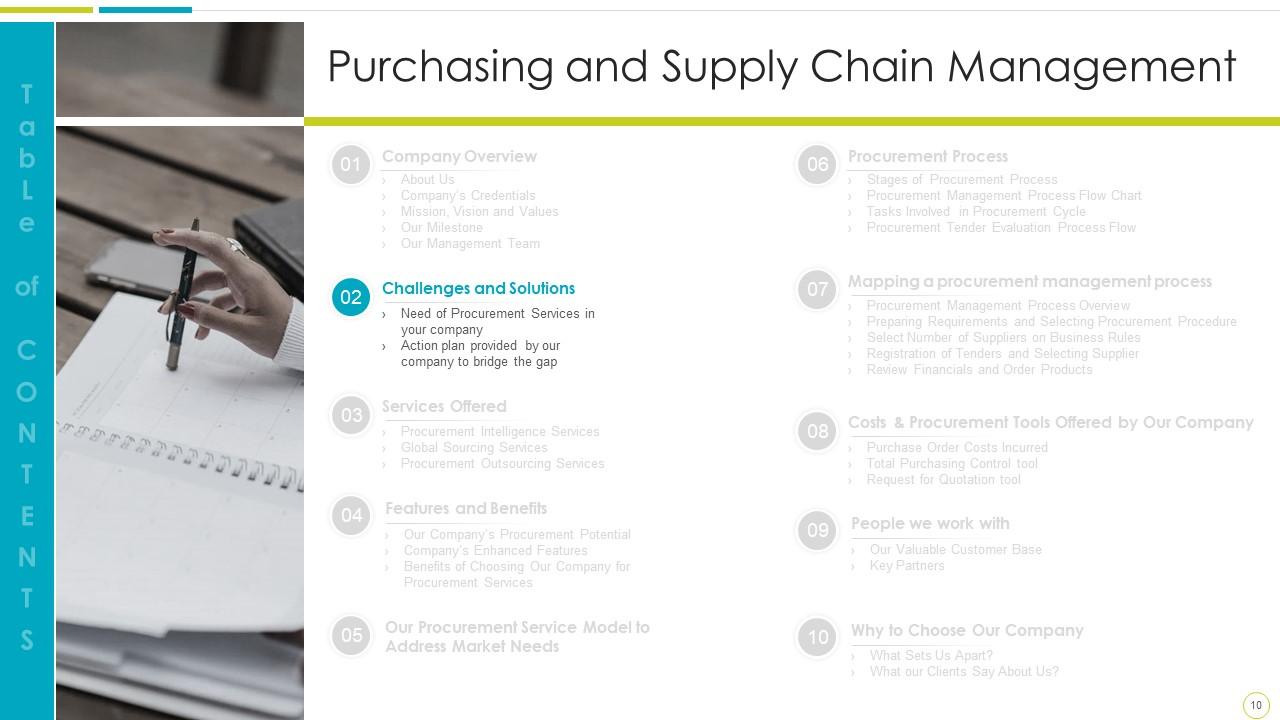
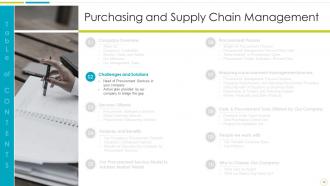
Slide 10: This slide depicts title for 'Challenges & solutions'.
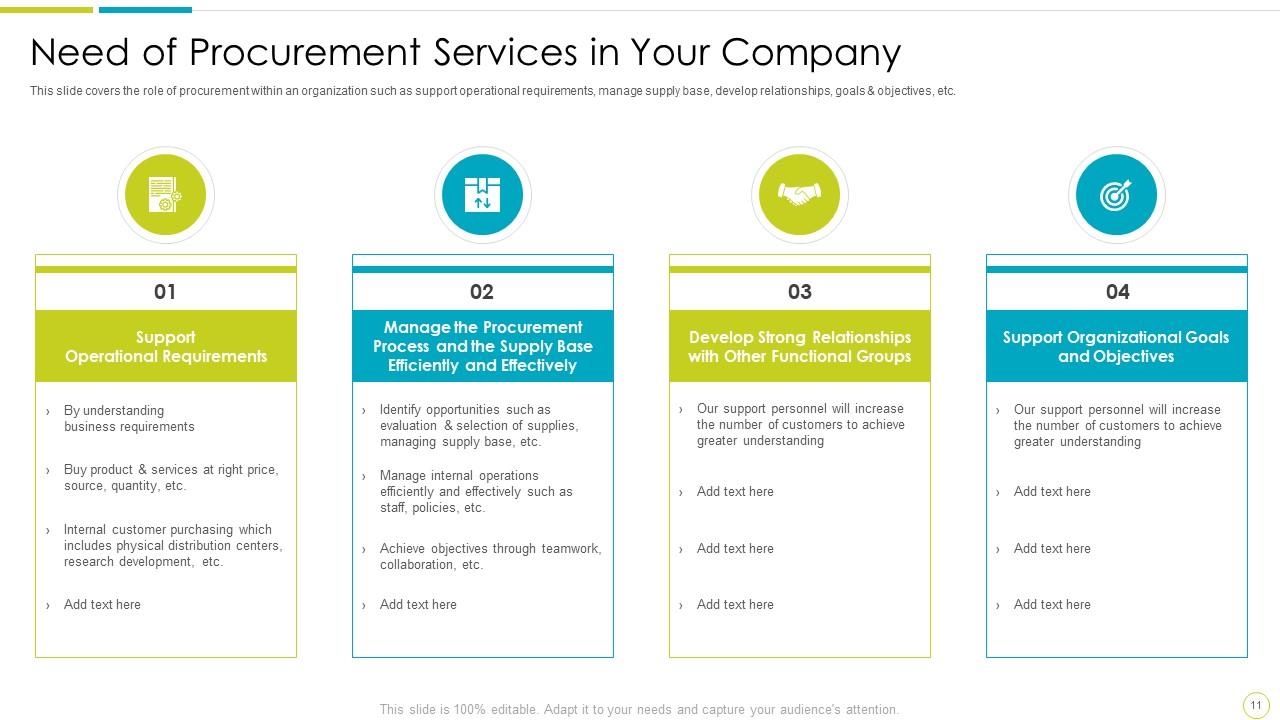
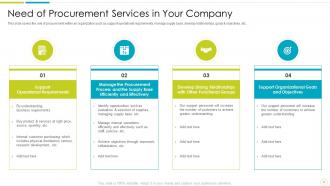
Slide 11: This slide covers the role of procurement within an organization such as support operational requirements, etc.
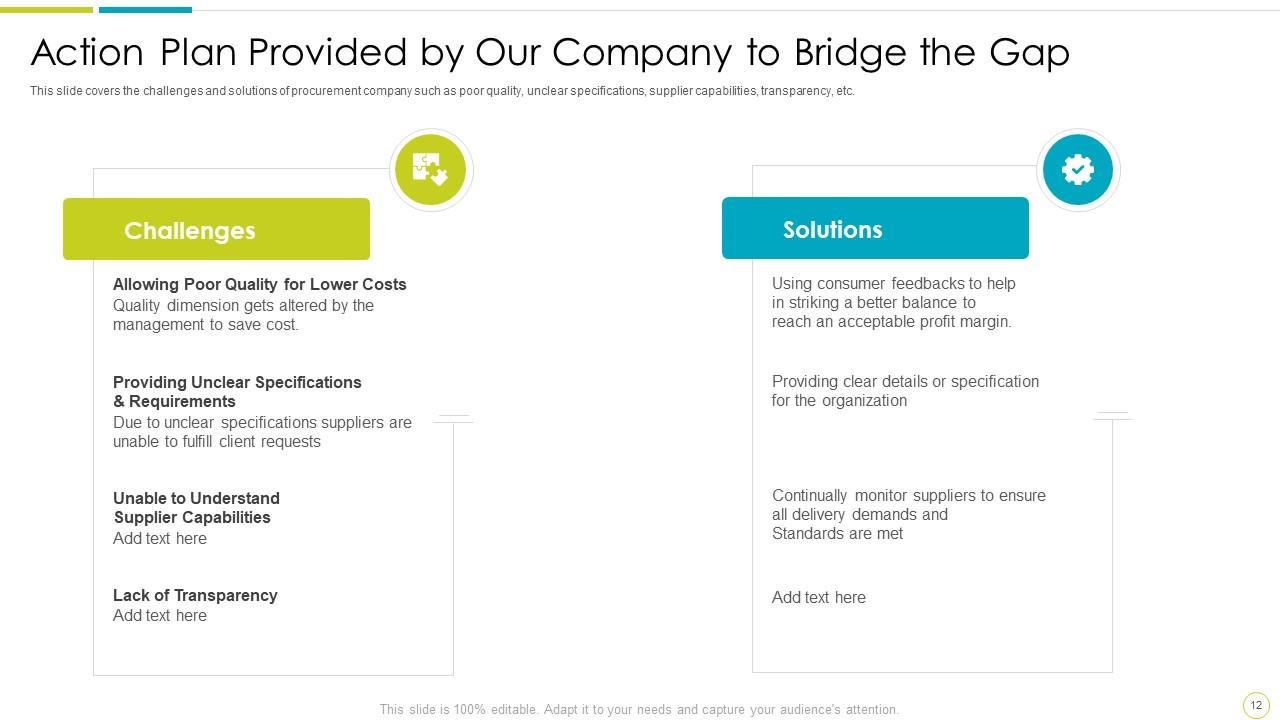
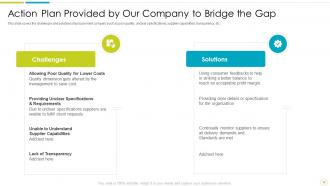
Slide 12: This slide covers the challenges and solutions of procurement company such as poor quality, etc.
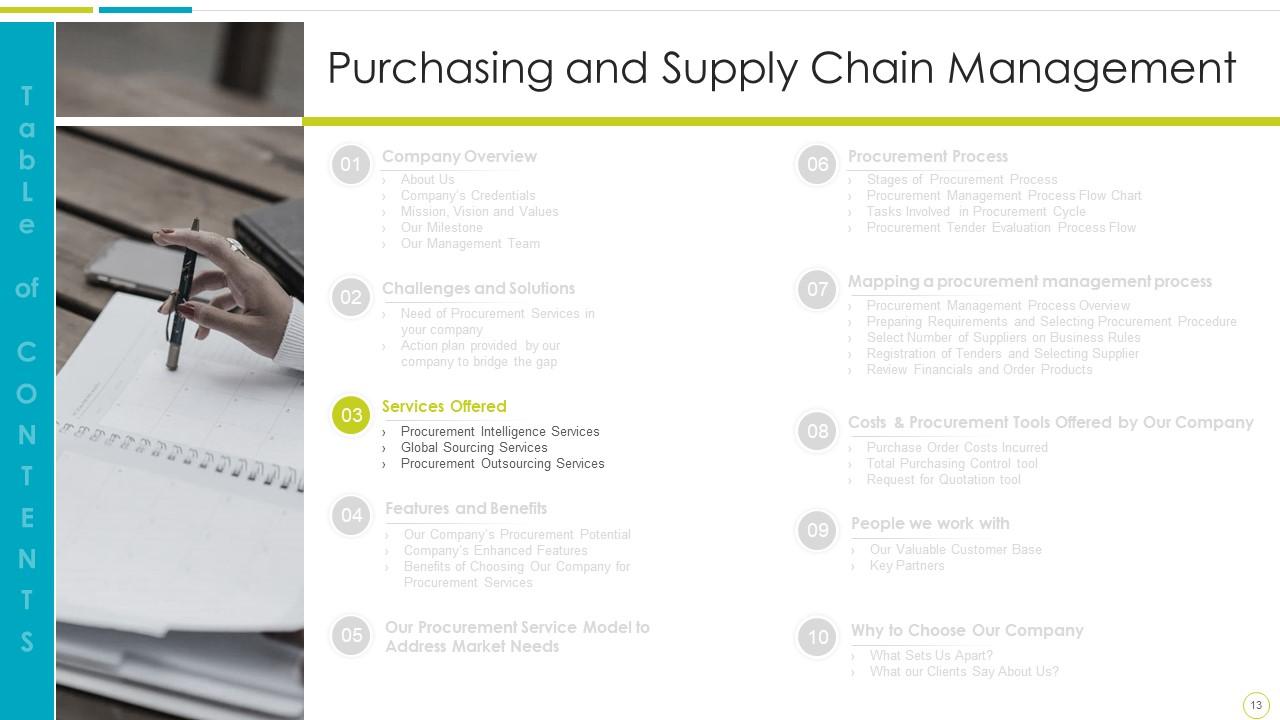
Slide 13: This slide highlights title for 'Services offered'.
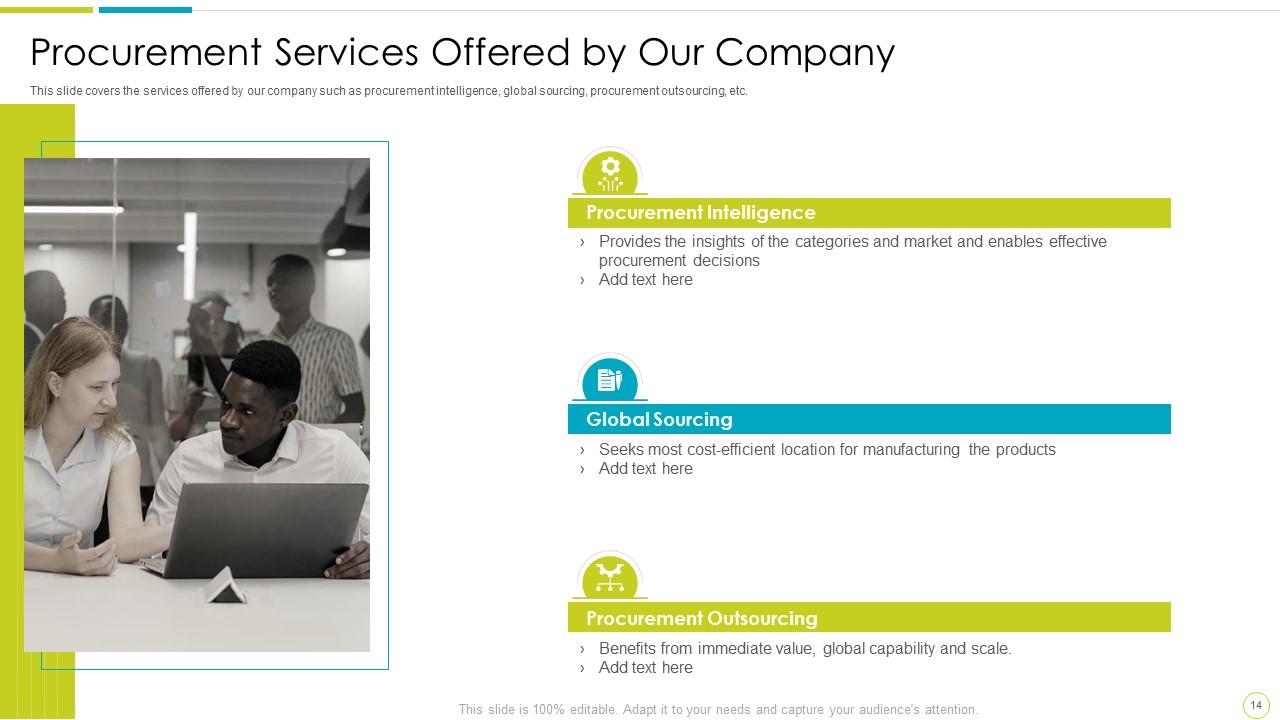
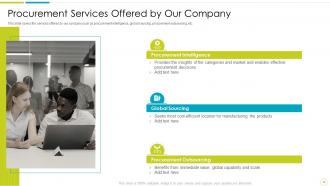
Slide 14: This slide covers the services offered by our company such as procurement intelligence, etc.
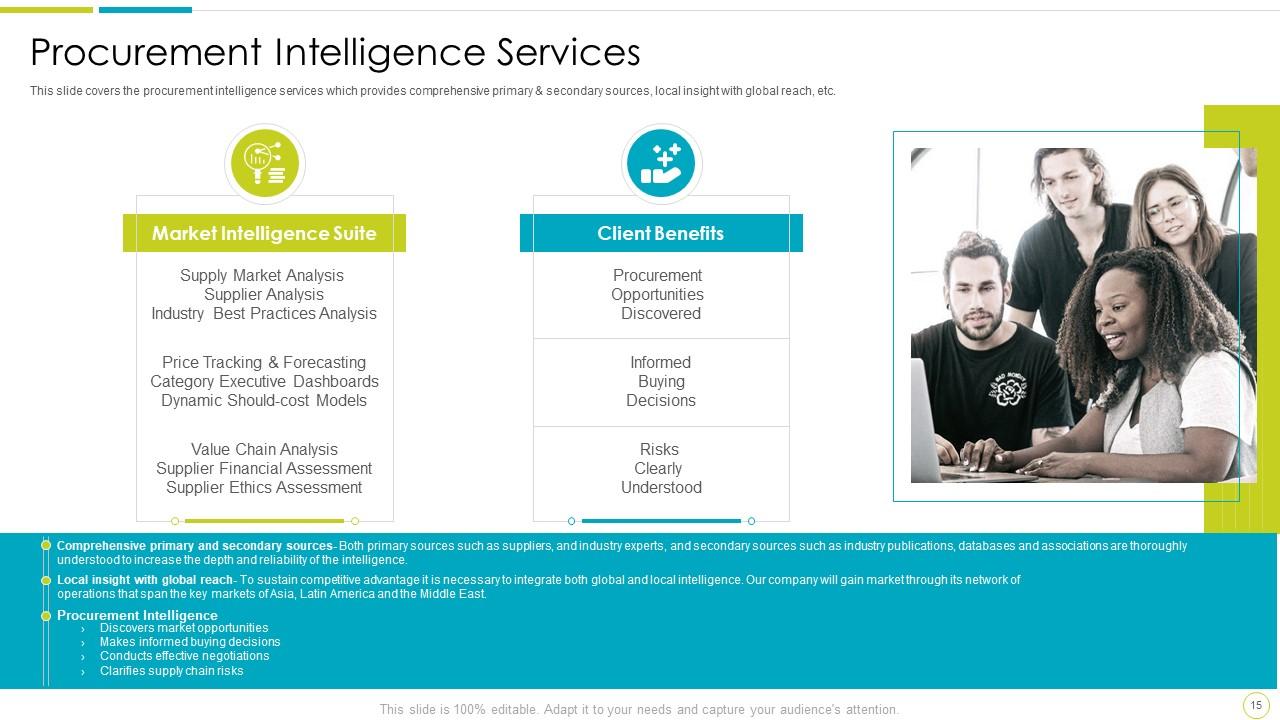
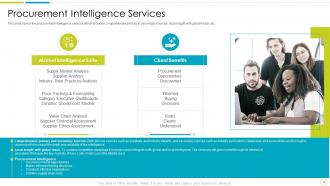
Slide 15: This slide covers the procurement intelligence services which provides local insight with global reach, etc.
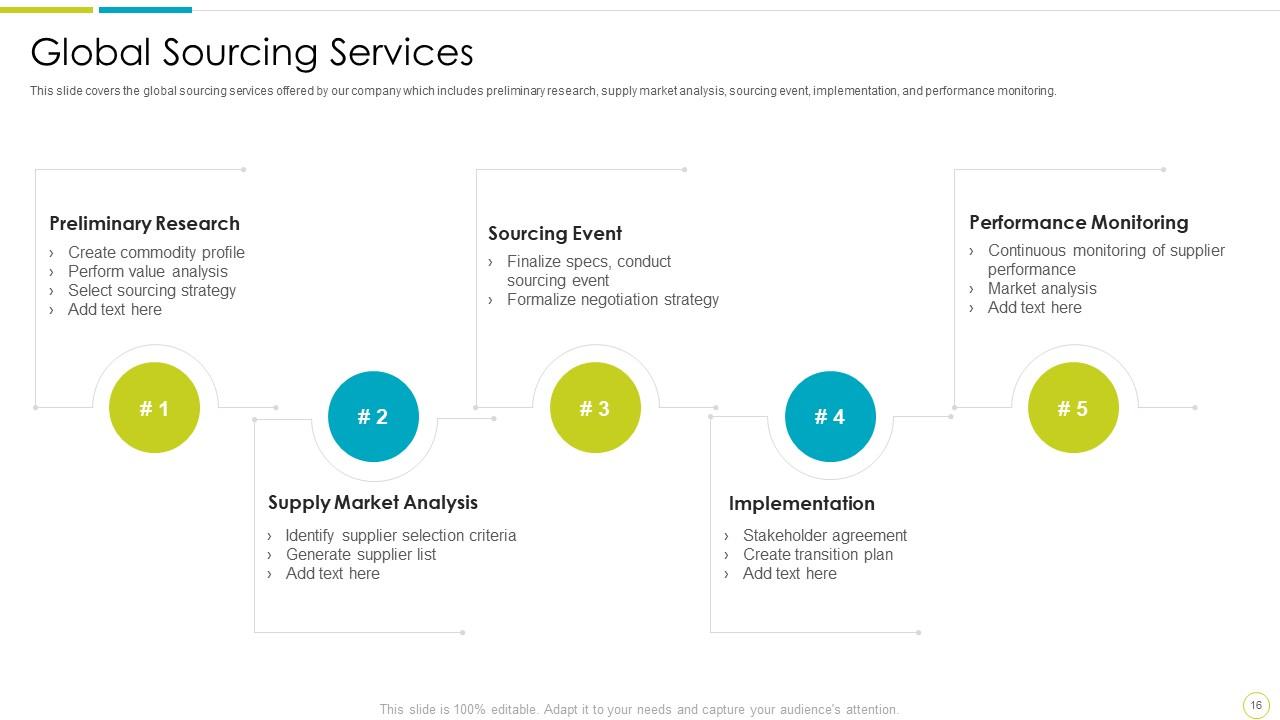
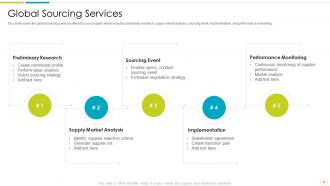
Slide 16: This slide covers the global sourcing services offered by our company which includes preliminary research, etc.
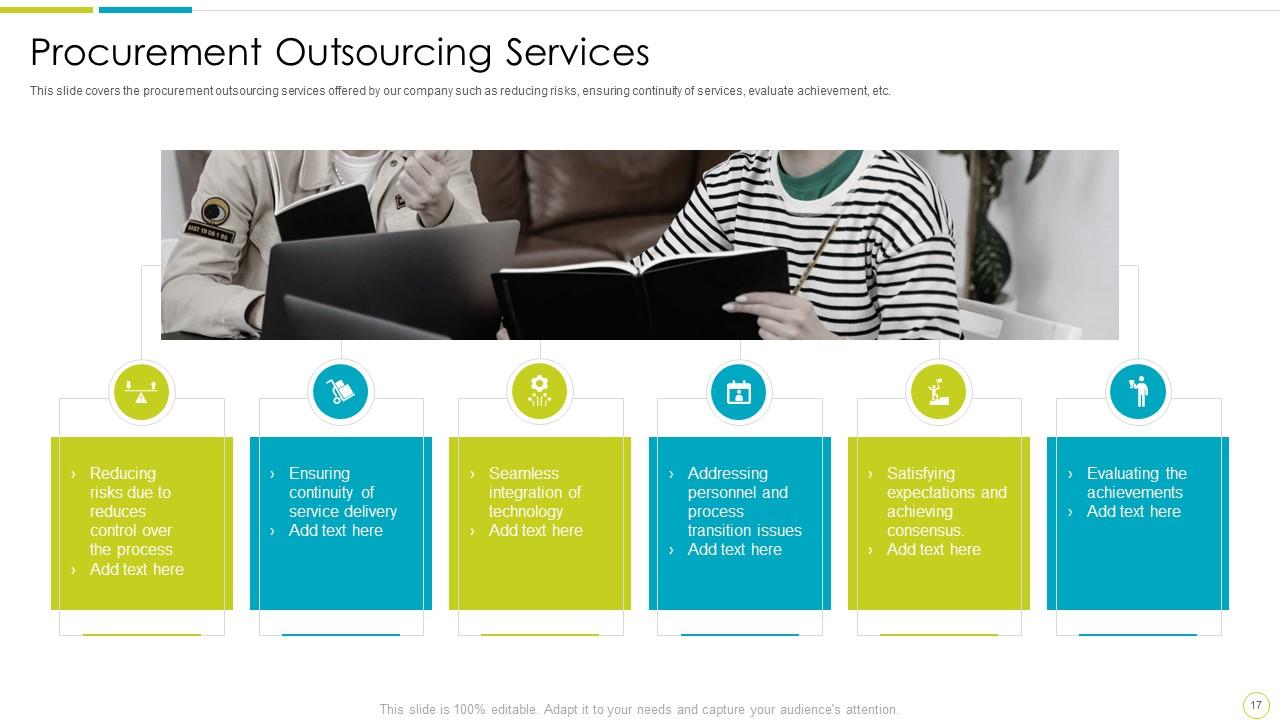
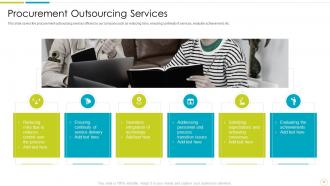
Slide 17: This slide covers the procurement outsourcing services offered by our company such as reducing risks, etc.
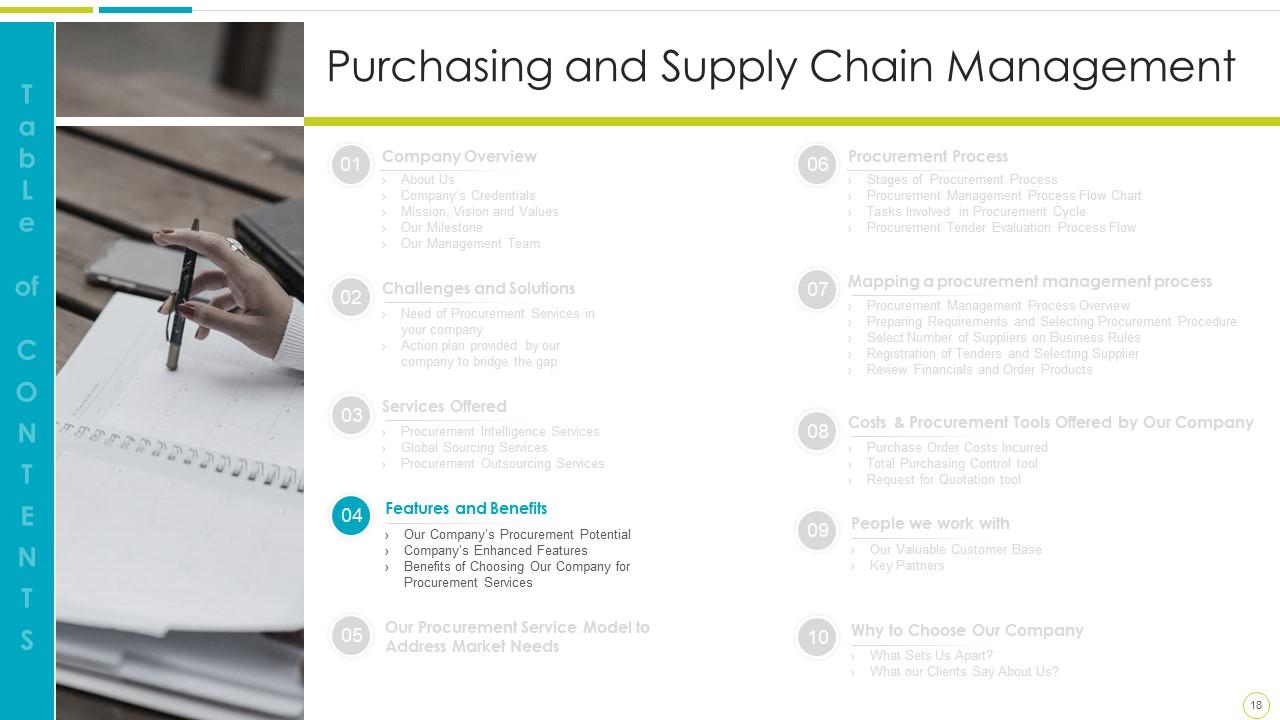
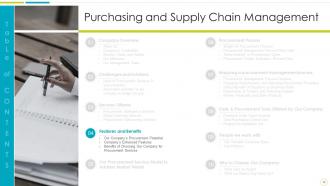
Slide 18: This slide displays title for 'Features & benefits'.
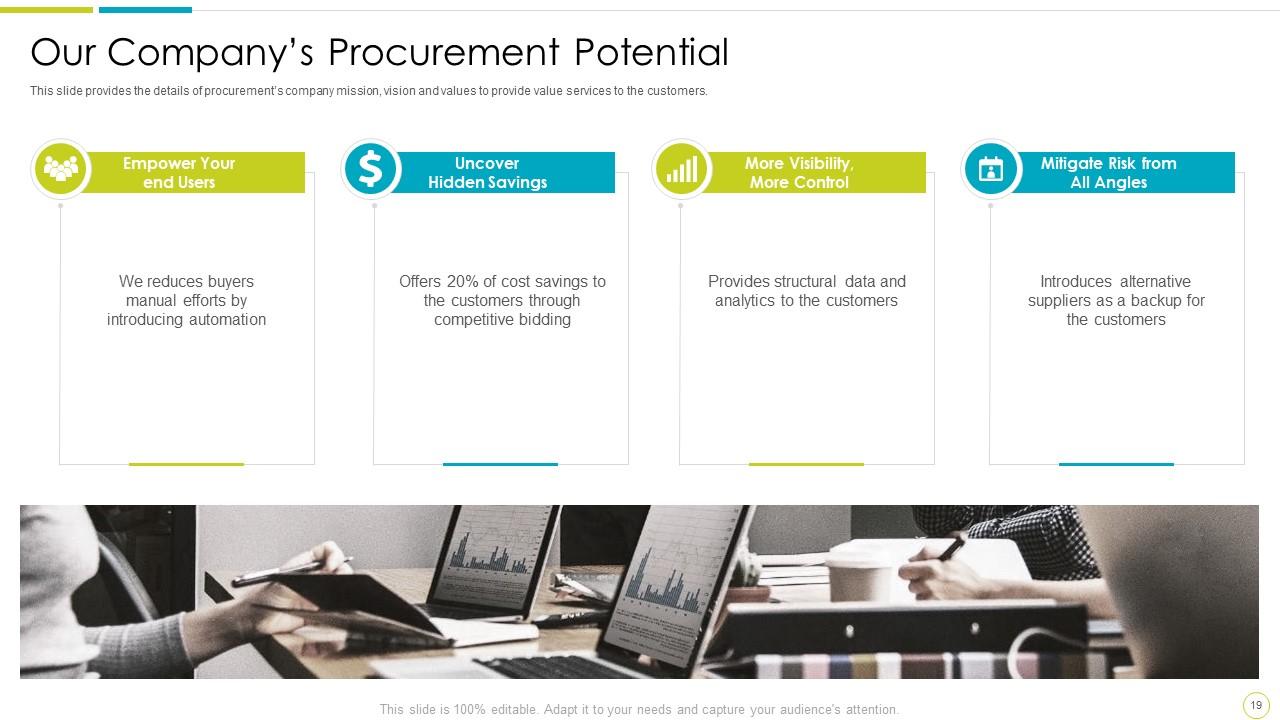
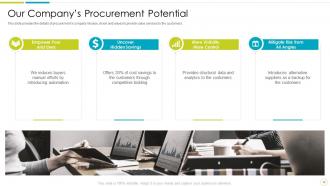
Slide 19: This slide provides the details of procurement’s company mission, vision, etc.
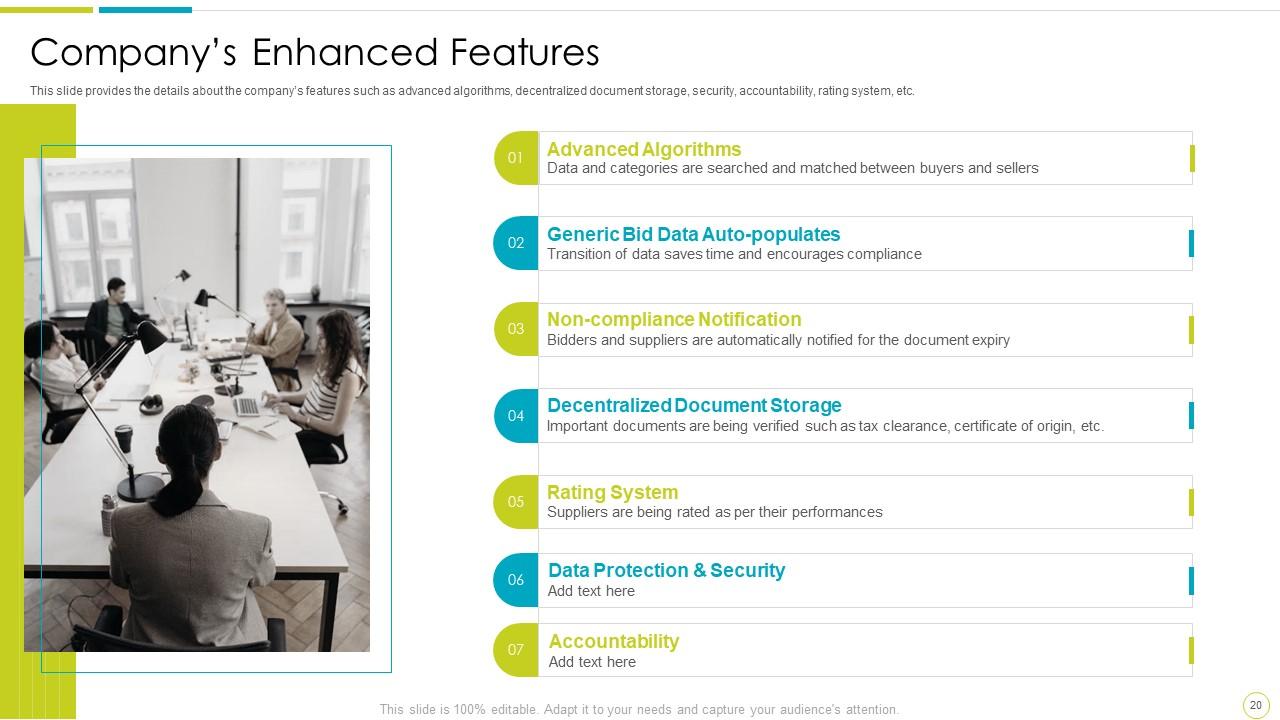
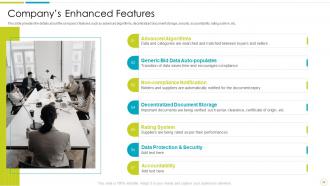
Slide 20: This slide provides the details about the company’s features such as advanced algorithms, etc.
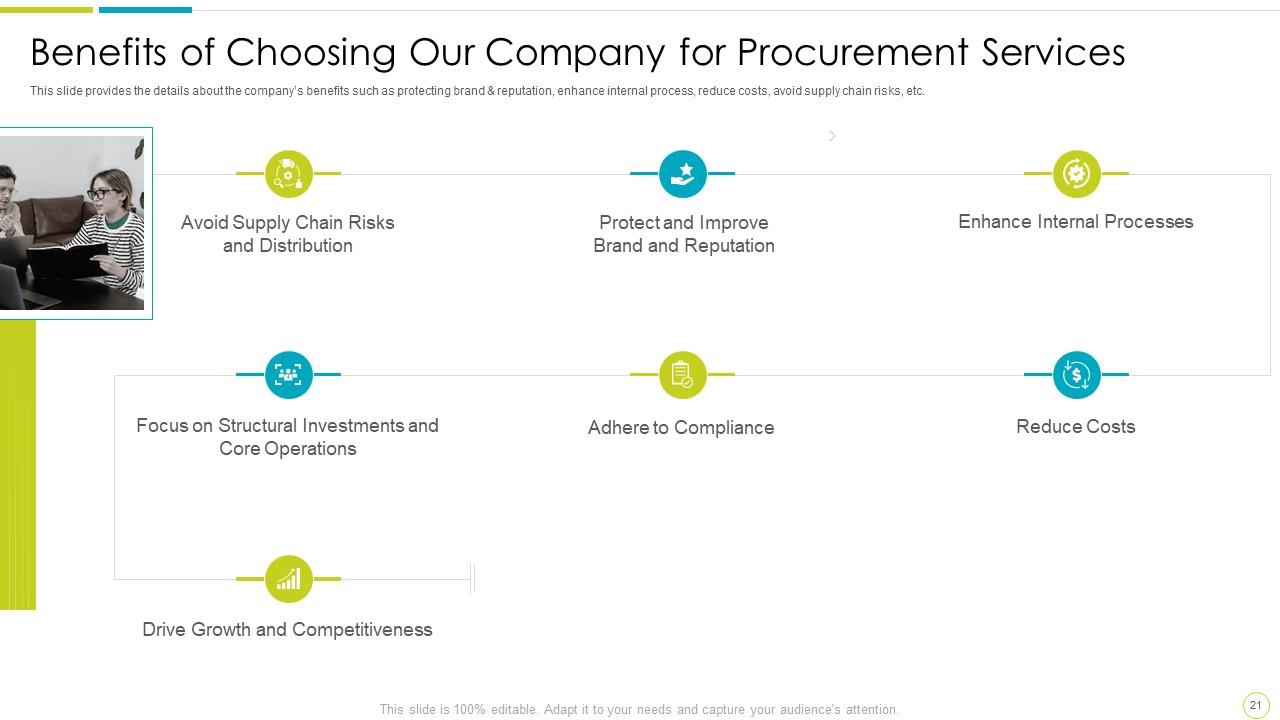
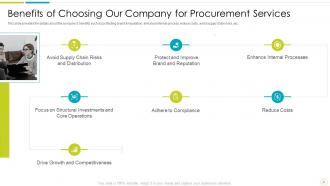
Slide 21: This slide provides the details about the company’s benefits such as protecting brand & reputation, etc.
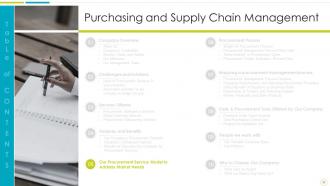
Slide 22: This slide presents title for 'Procurement service model to address market needs'.
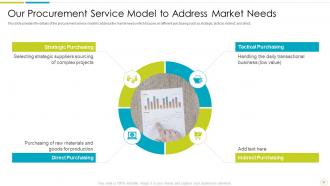
Slide 23: This slide provides the details of the procurement service model to address the market needs.
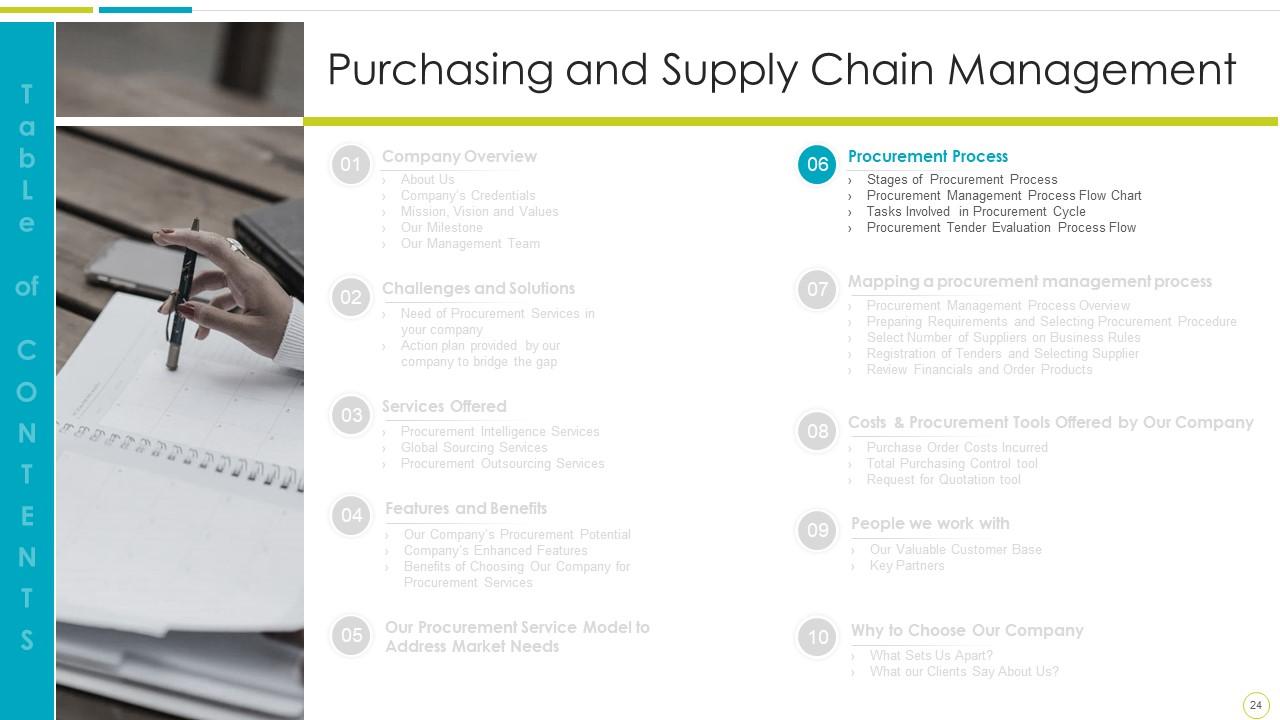
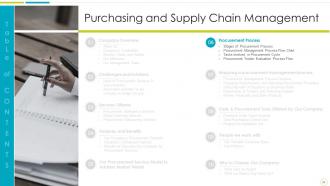
Slide 24: This slide exhibits title for 'Procurement Process'.
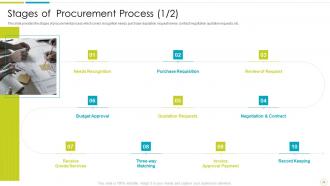
Slide 25: This slide provides the stages of procurement process which covers recognition needs, purchase requisition, etc.
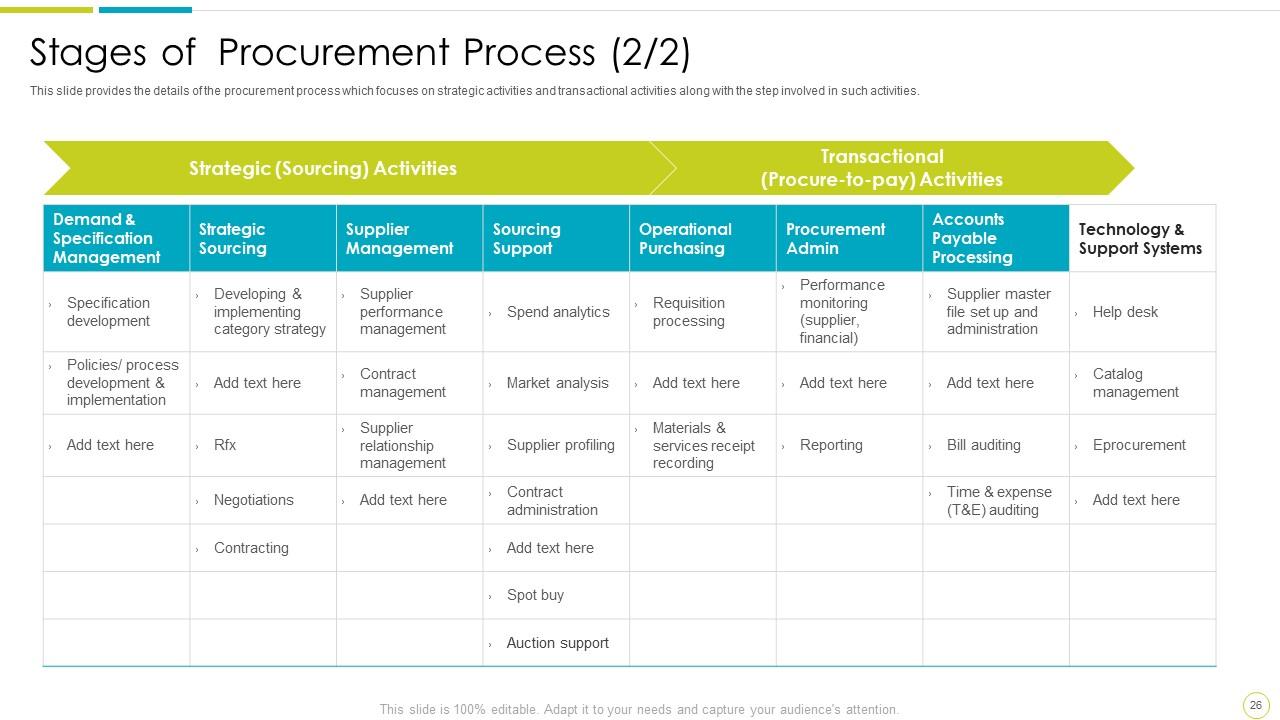
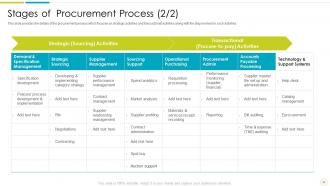
Slide 26: This slide provides the details of the procurement process which focuses on strategic and transactional activities, etc.
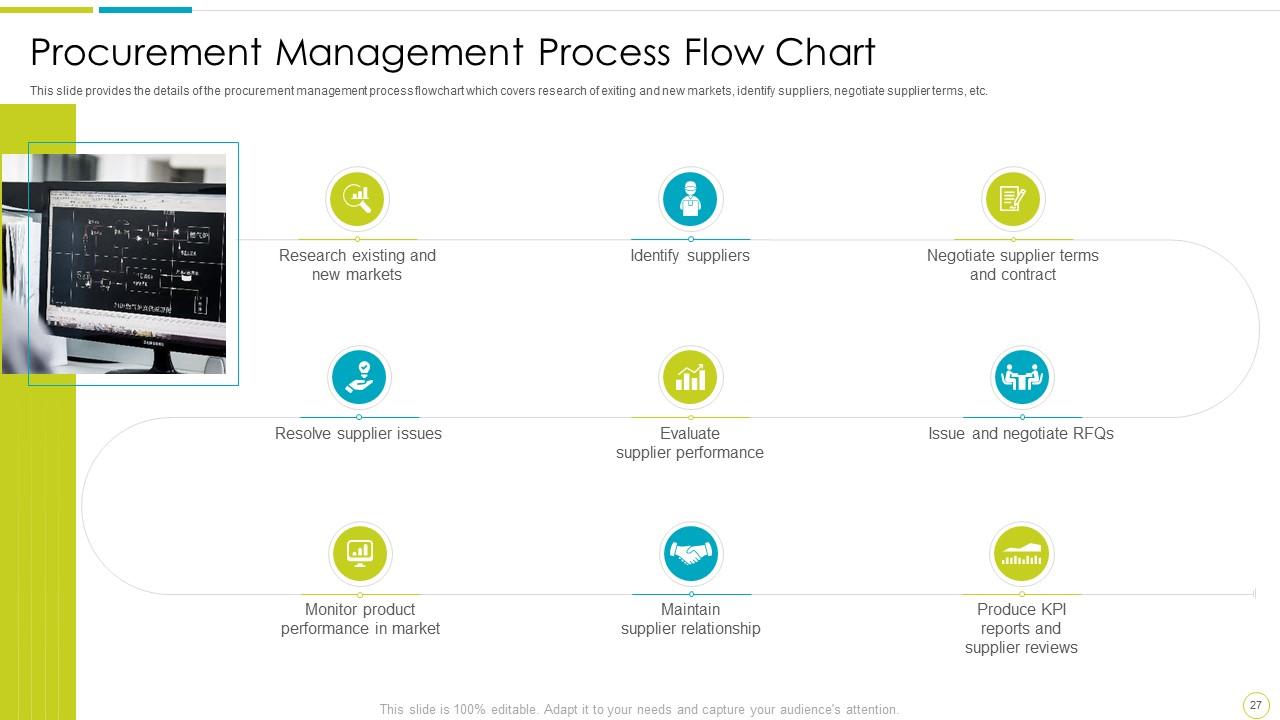
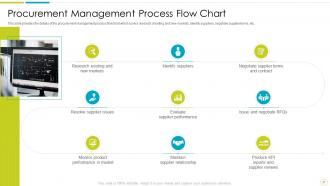
Slide 27: This slide provides the details of the procurement management process flowchart.
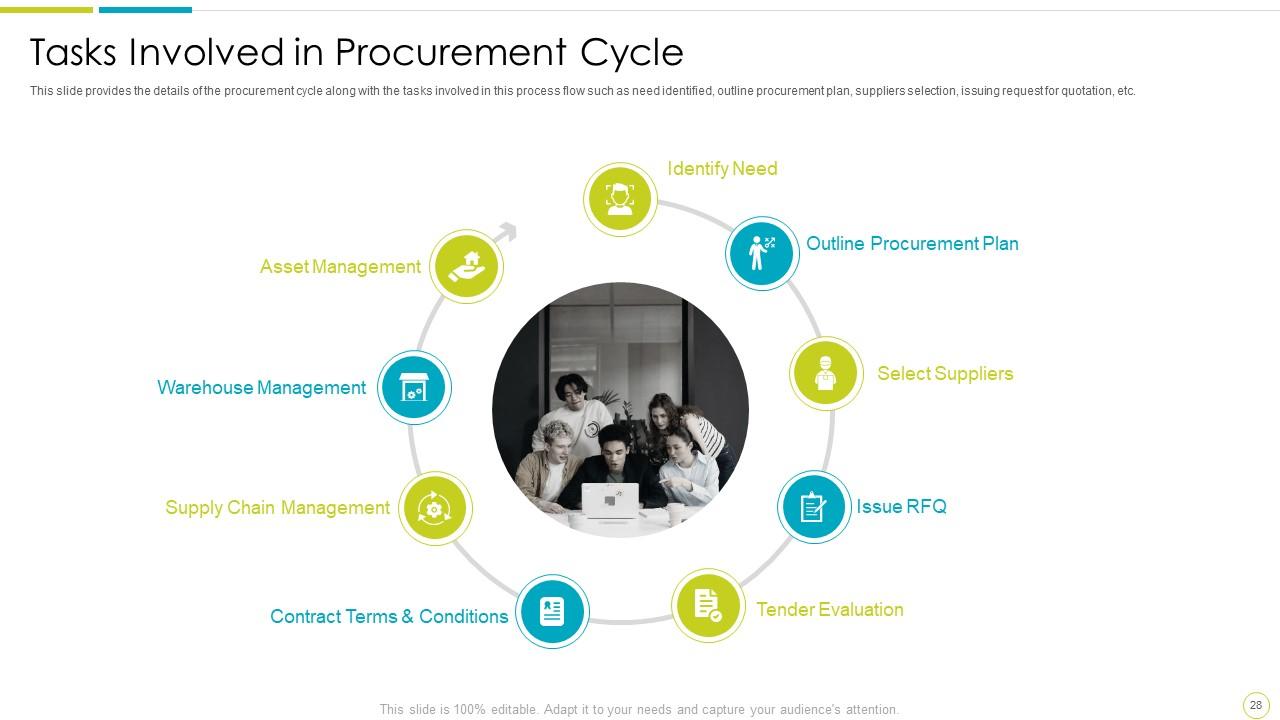
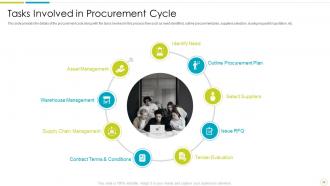
Slide 28: This slide provides the details of the procurement cycle along with the tasks involved in this process flow.
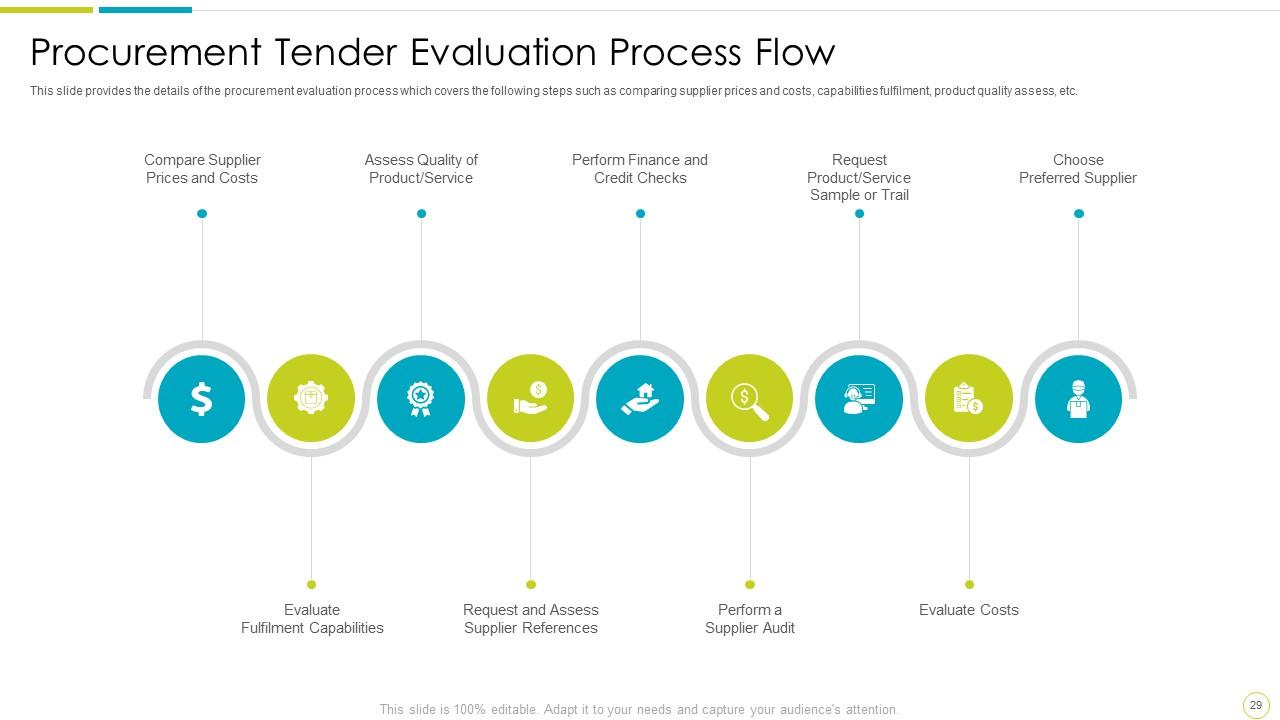
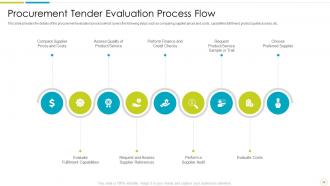
Slide 29: This slide provides the details of the procurement evaluation process which covers the following steps.
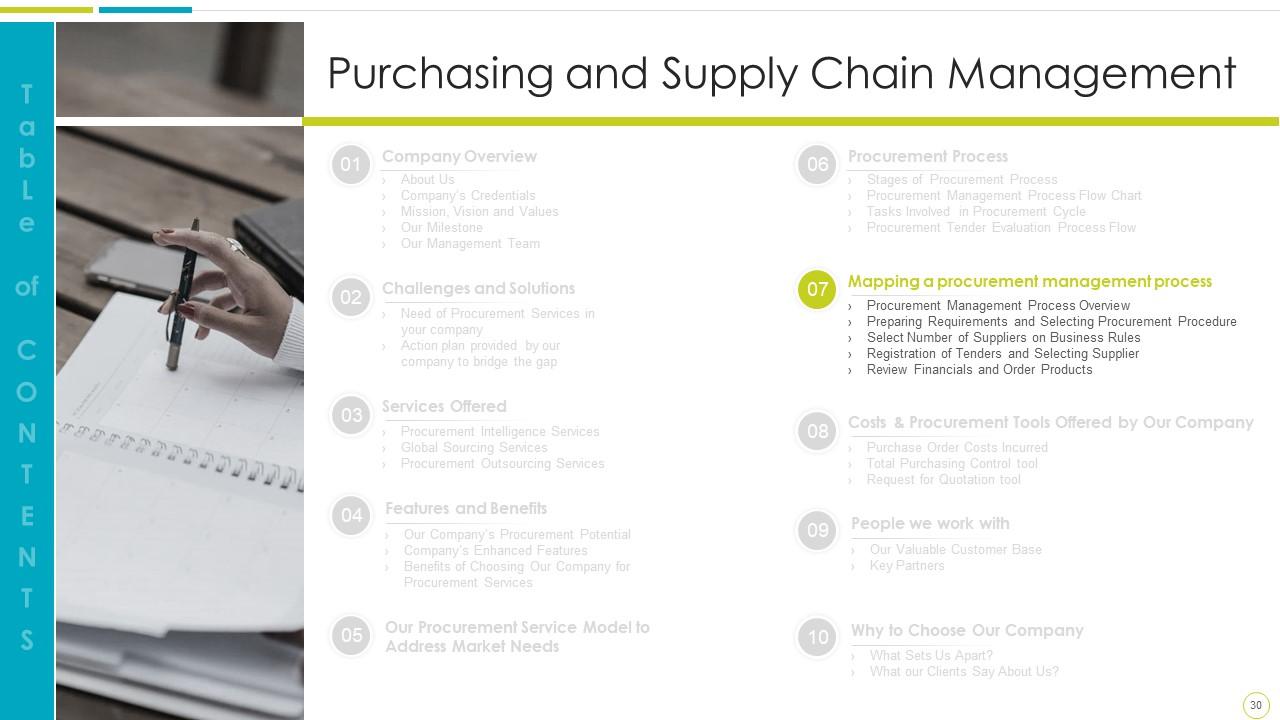
Slide 30: This slide depicts title for 'Mapping a procurement management process'.
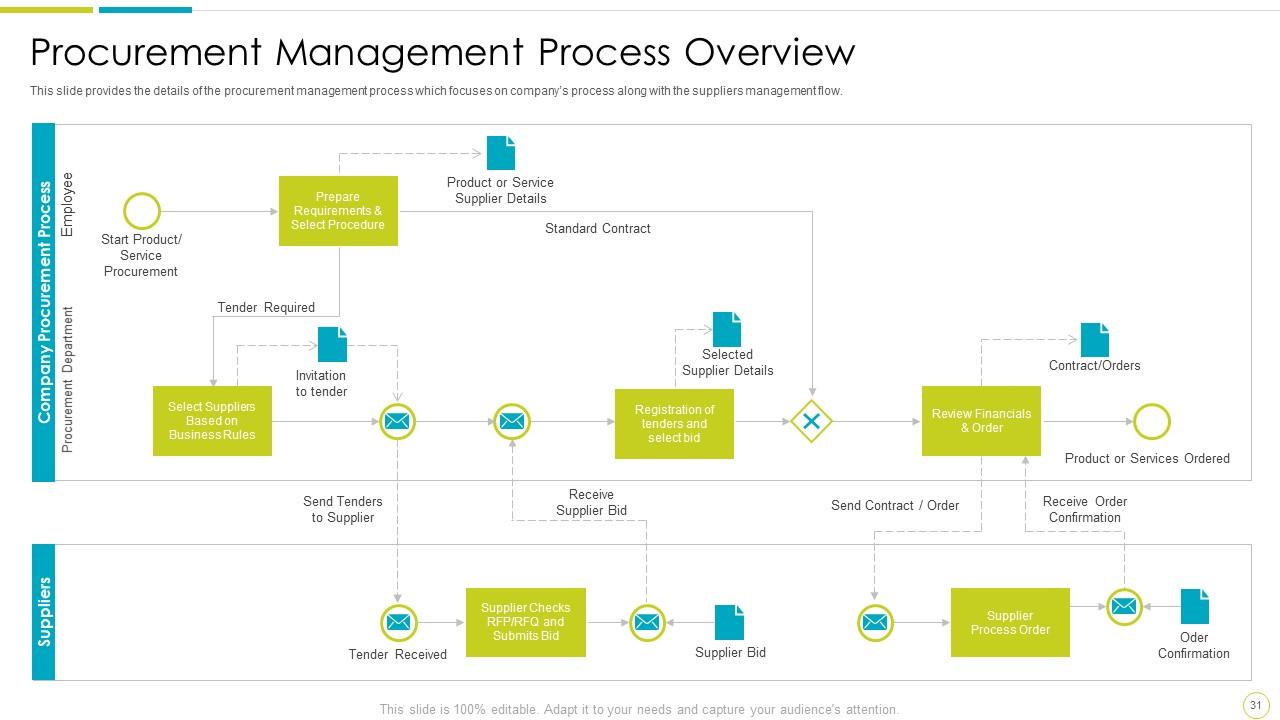
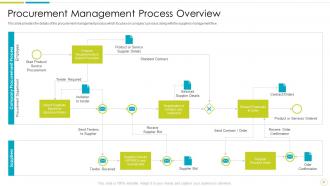
Slide 31: This slide provides the details of the procurement management process which focuses on company’s process.
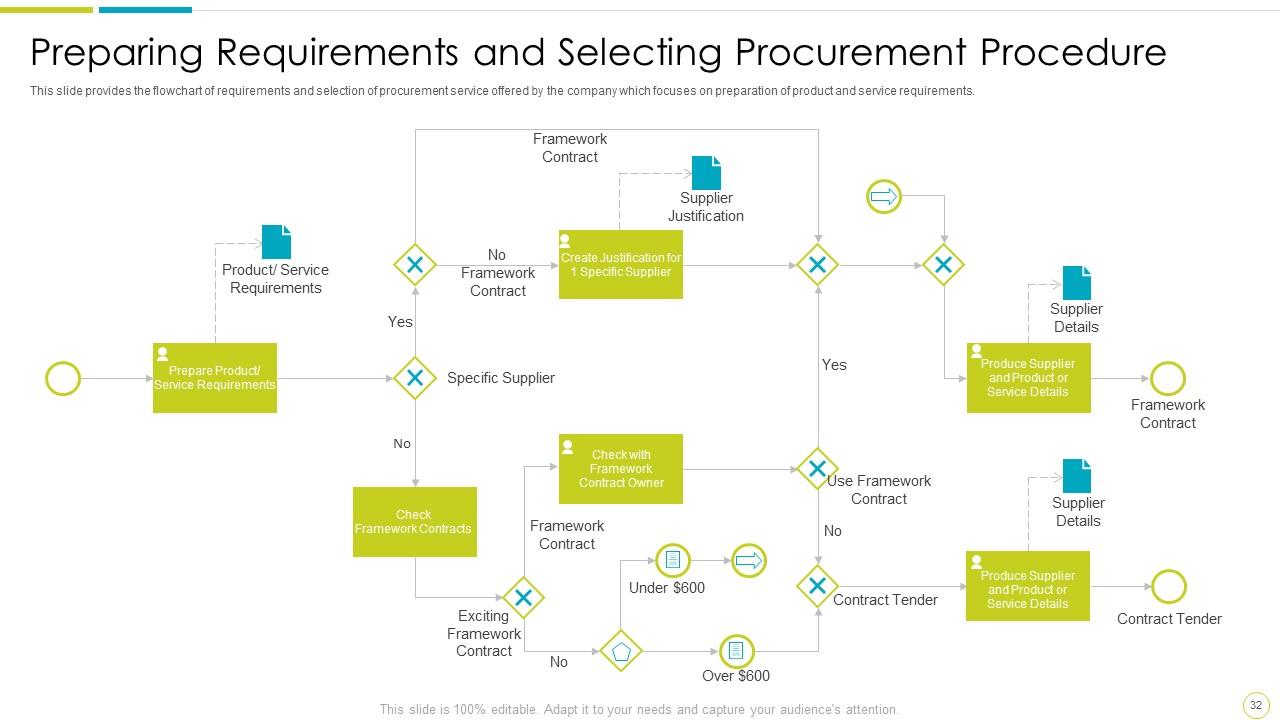
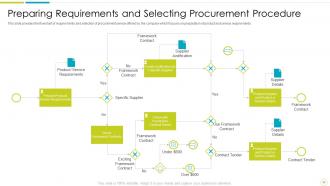
Slide 32: This slide provides the flowchart of requirements and selection of procurement service offered by the company.
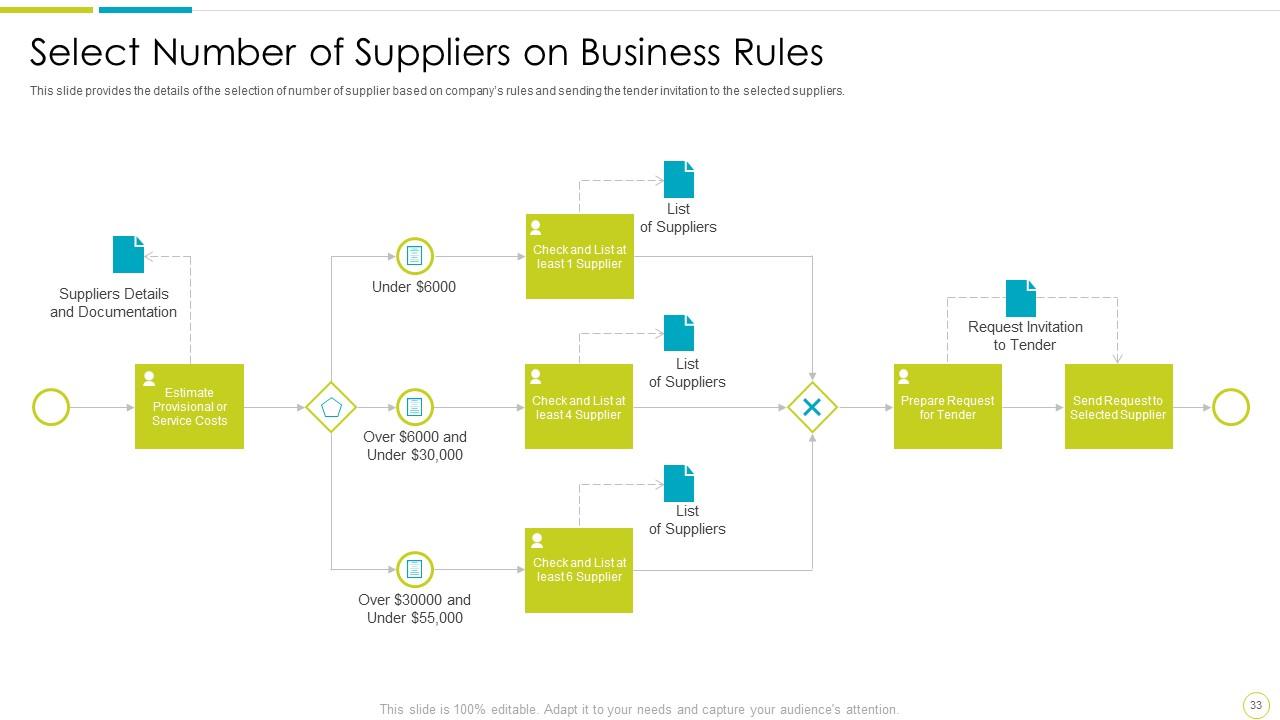
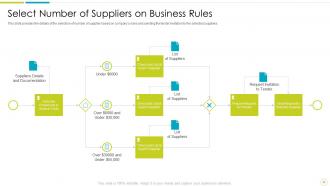
Slide 33: This slide provides the details of the selection of number of supplier based on company’s rules.
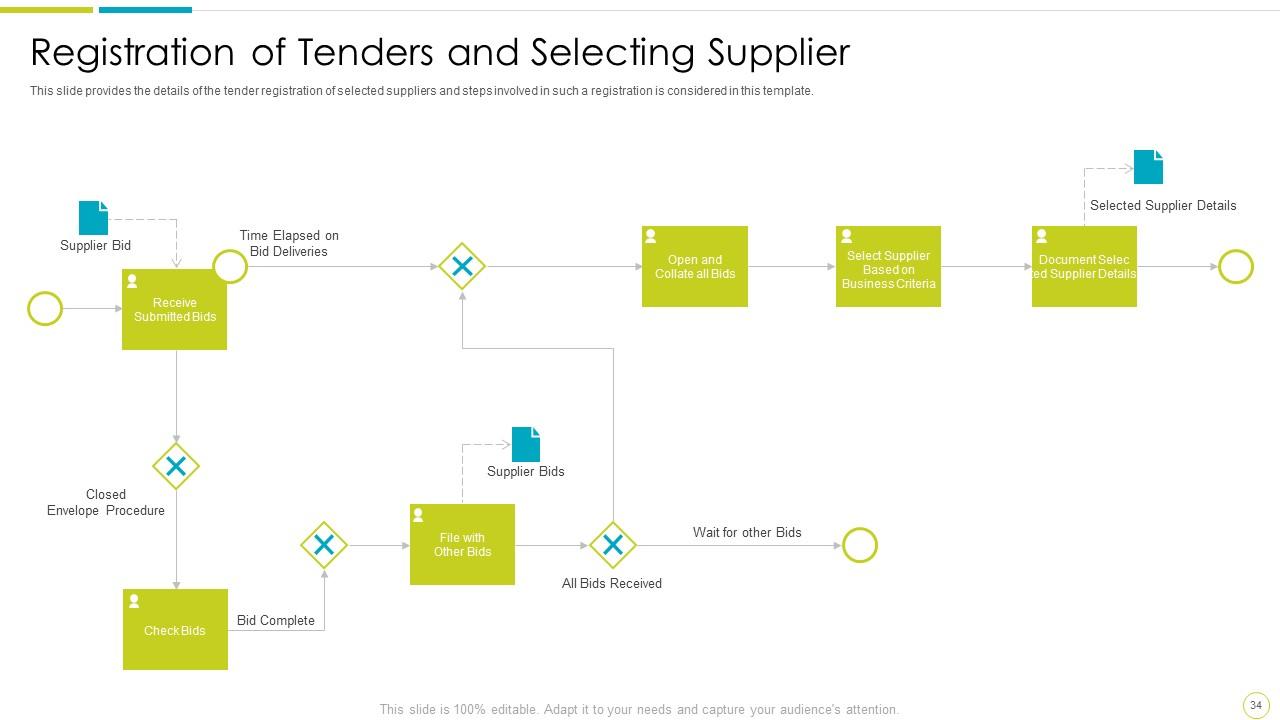
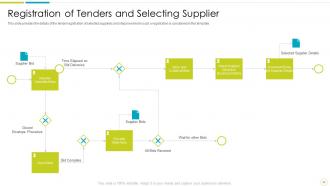
Slide 34: This slide provides the details of the tender registration of selected suppliers and steps involved.
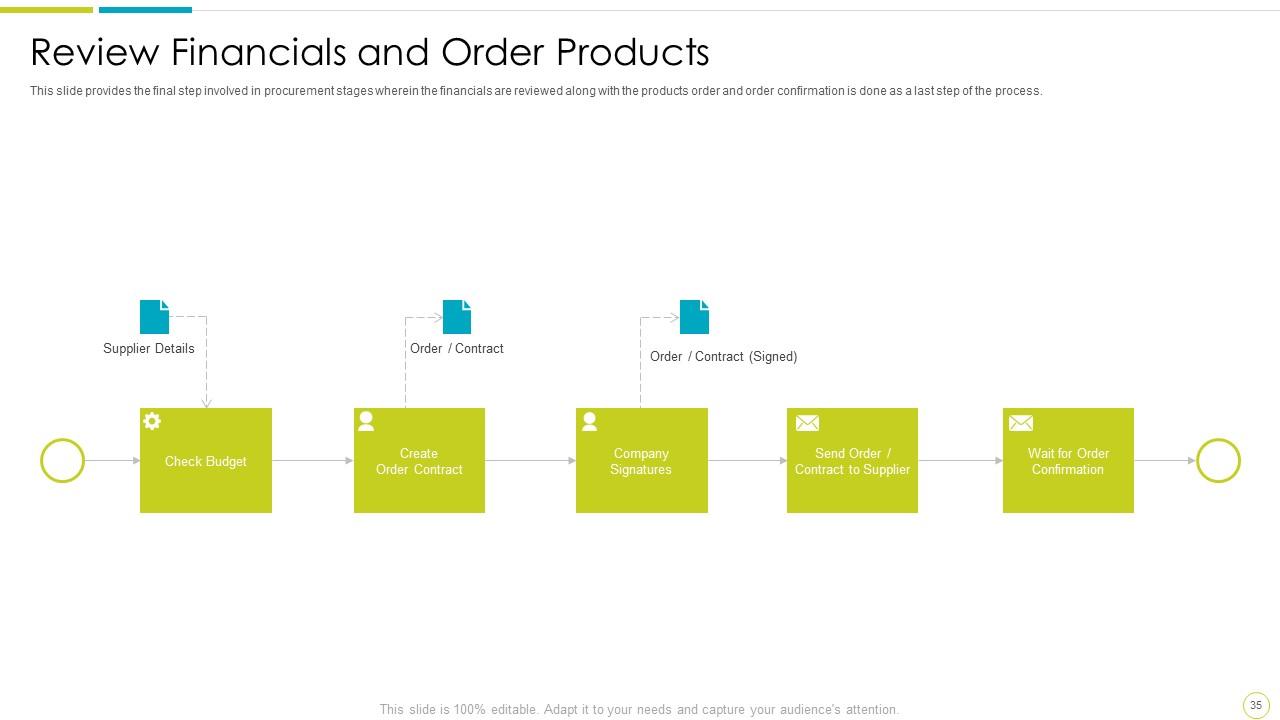
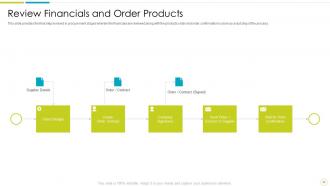
Slide 35: This slide provides the final step involved in procurement stages wherein the financials are reviewed.
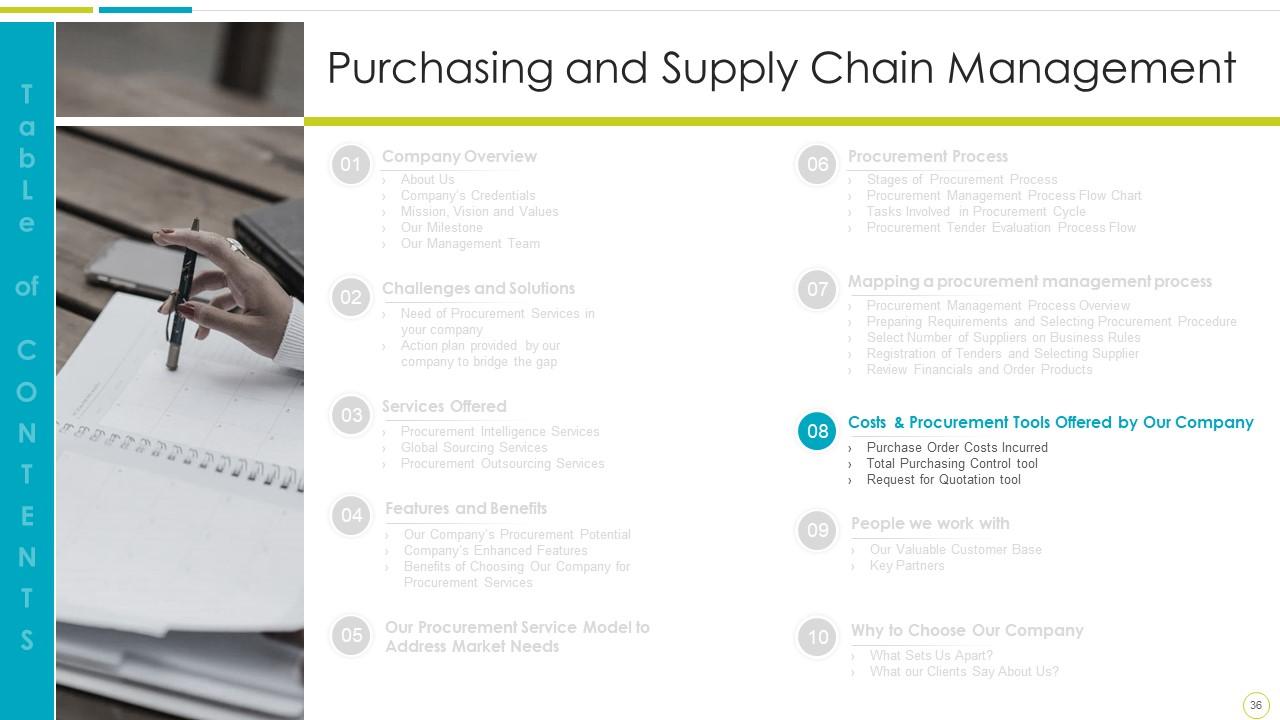
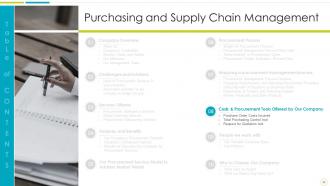
Slide 36: This slide highlights title for 'Costs & Procurement Tools Offered by Our Company'.
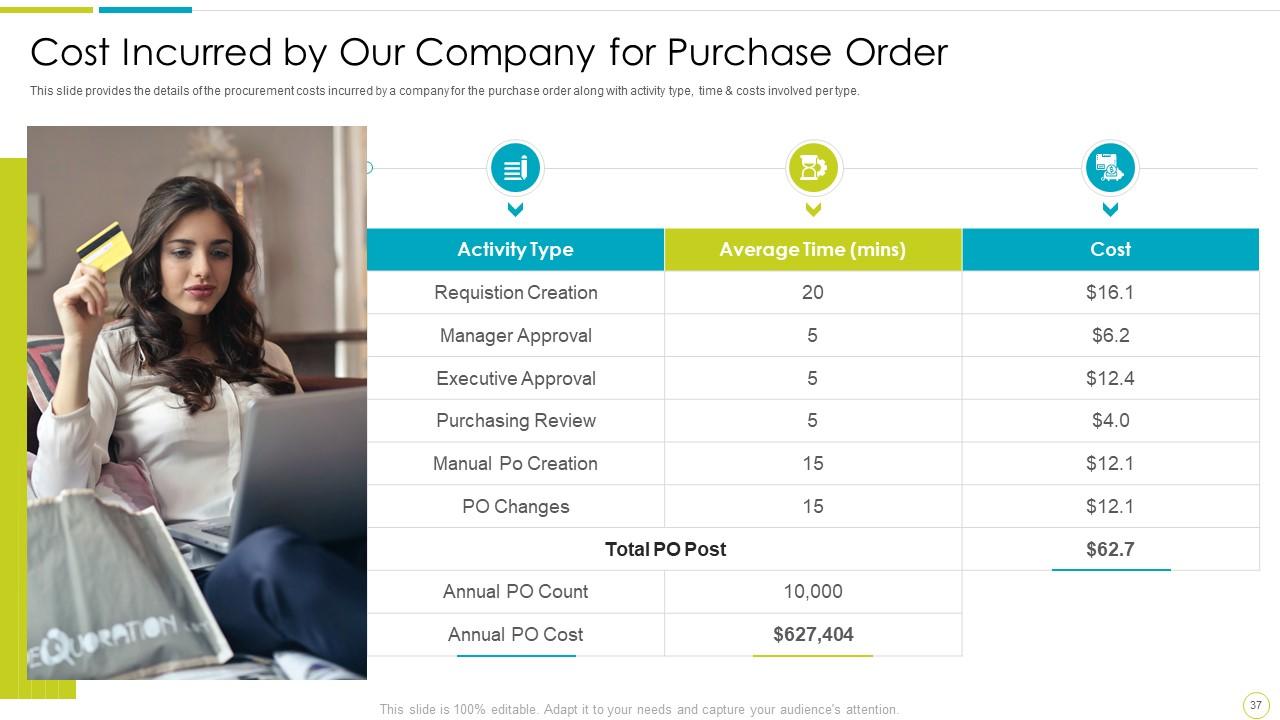
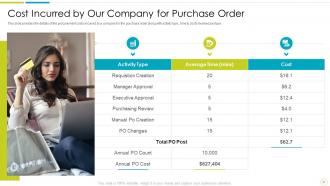
Slide 37: This slide provides the details of the procurement costs incurred by a company for the purchase order.
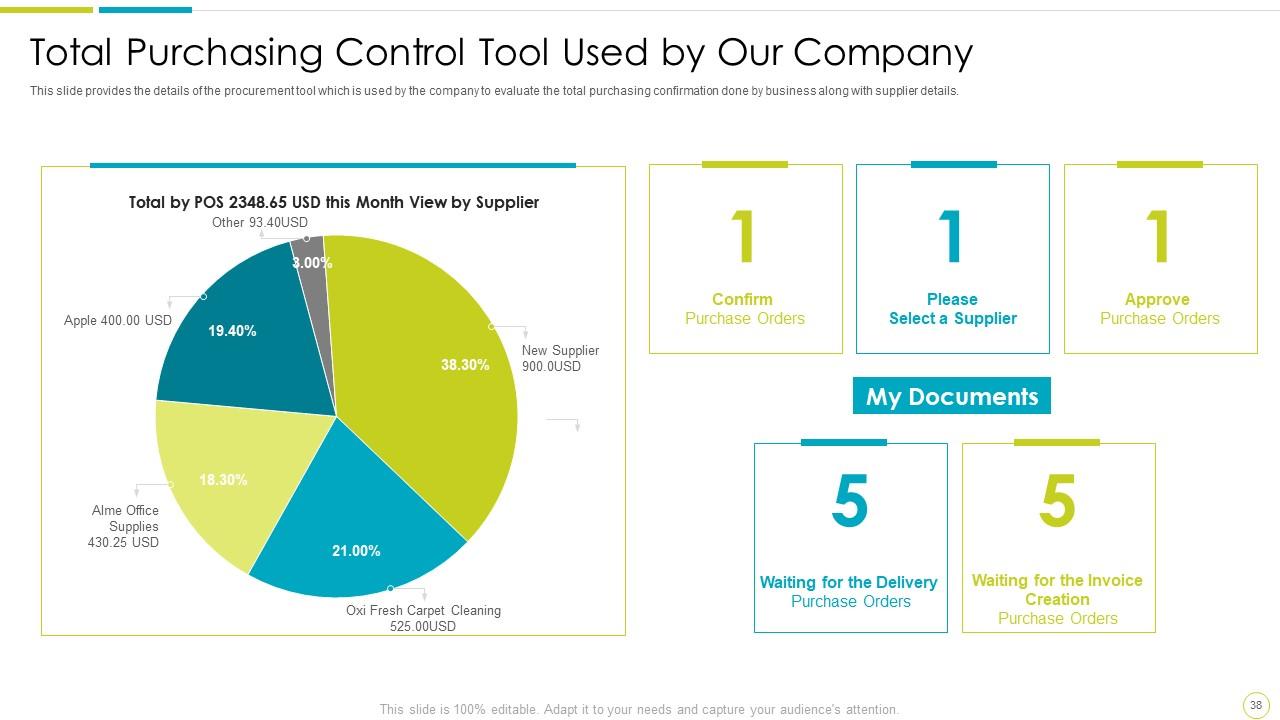
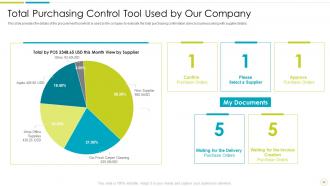
Slide 38: This slide provides the details of the procurement tool which is used by the company to evaluate the total purchasing confirmation.
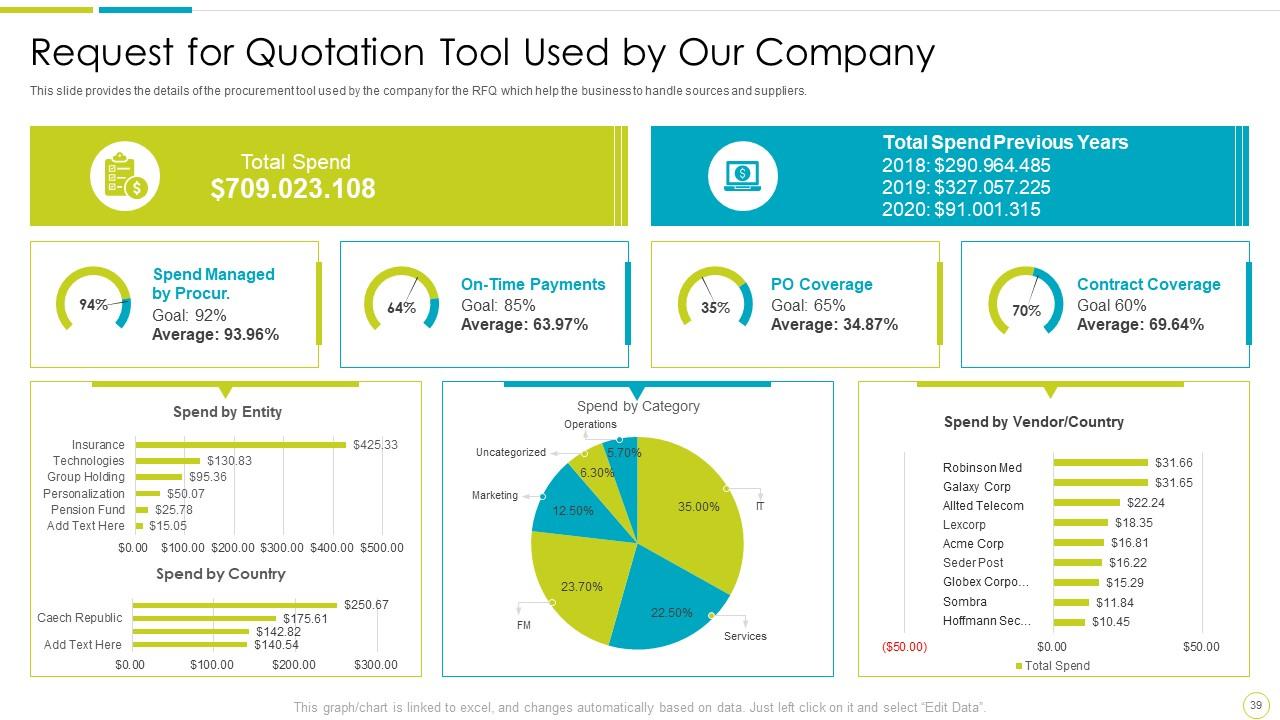
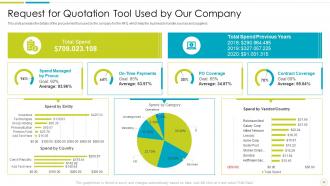
Slide 39: This slide provides the details of the procurement tool used by the company for the RFQ which help the business to handle sources and suppliers.
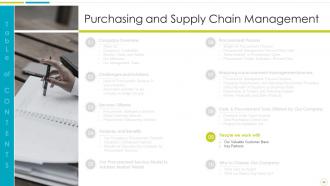
Slide 40: This slide illustrates title for 'People we work with'.
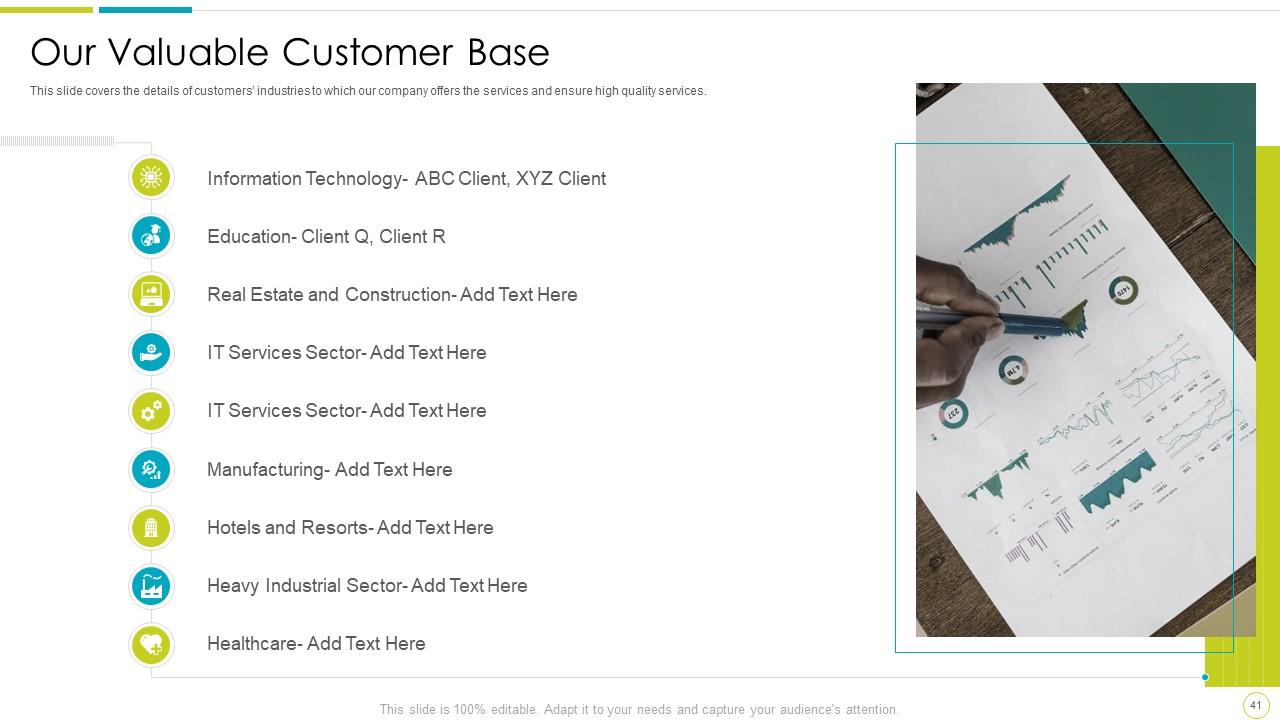
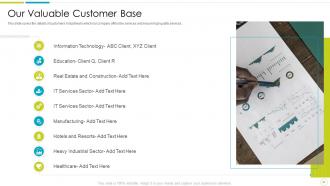
Slide 41: This slide covers the details of customers’ industries to which our company offers the services and ensure high quality services.
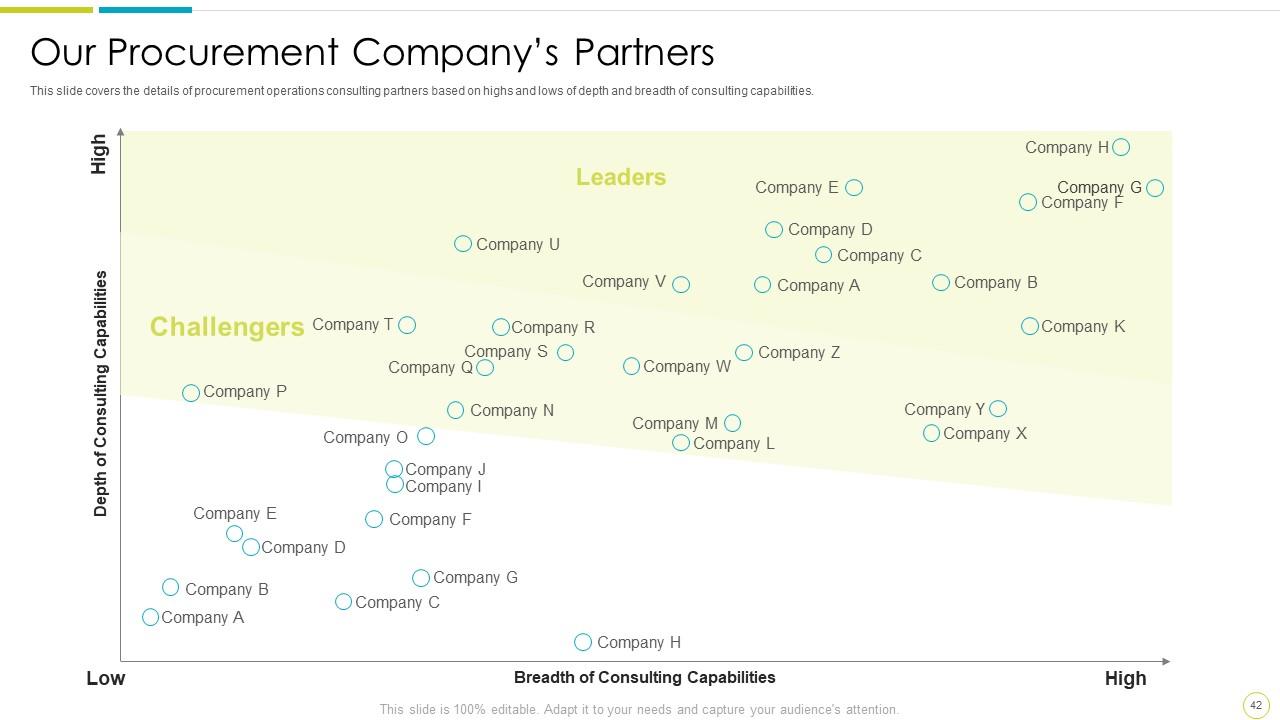
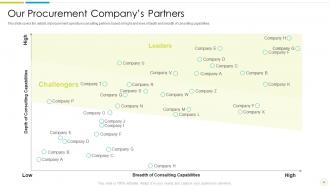
Slide 42: This slide covers the details of procurement operations consulting partners based on highs and lows of depth and breadth of consulting capabilities.
Slide 43: This slide displays title for 'Why to Choose Our Company'.
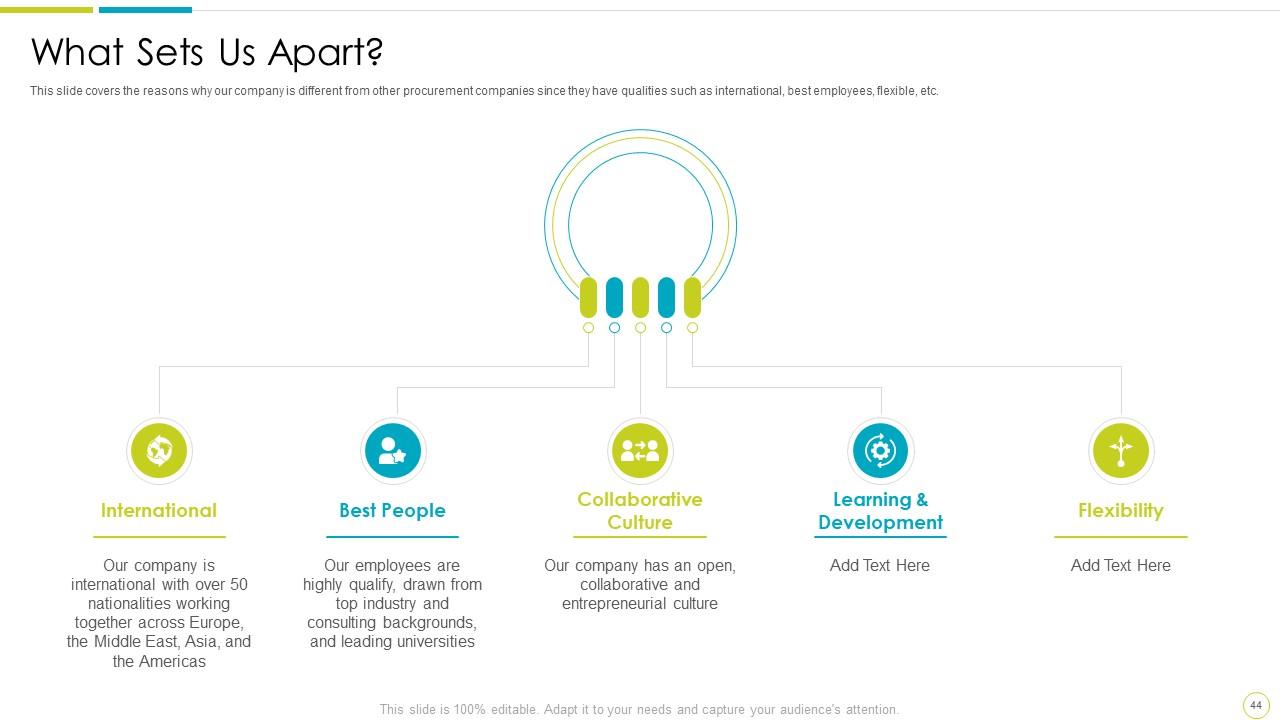
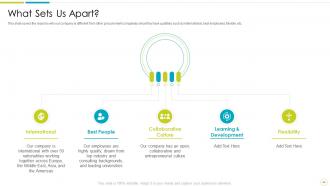
Slide 44: This slide covers the reasons why our company is different from other procurement companies.
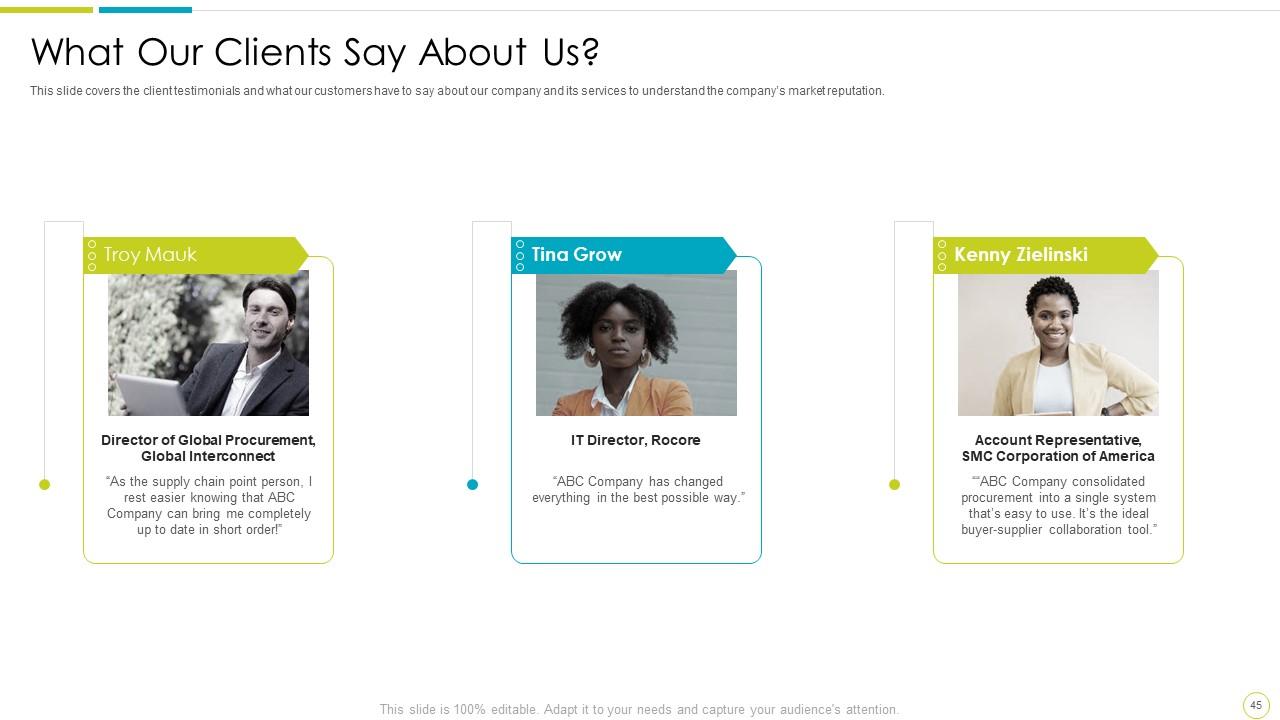
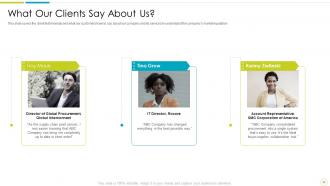
Slide 45: This slide covers the client testimonials and what our customers have to say about our company.
Slide 46: This slide displays Icons for Purchasing and Supply Chain Management.
Slide 47: This slide is titled as Additional Slides for moving forward.
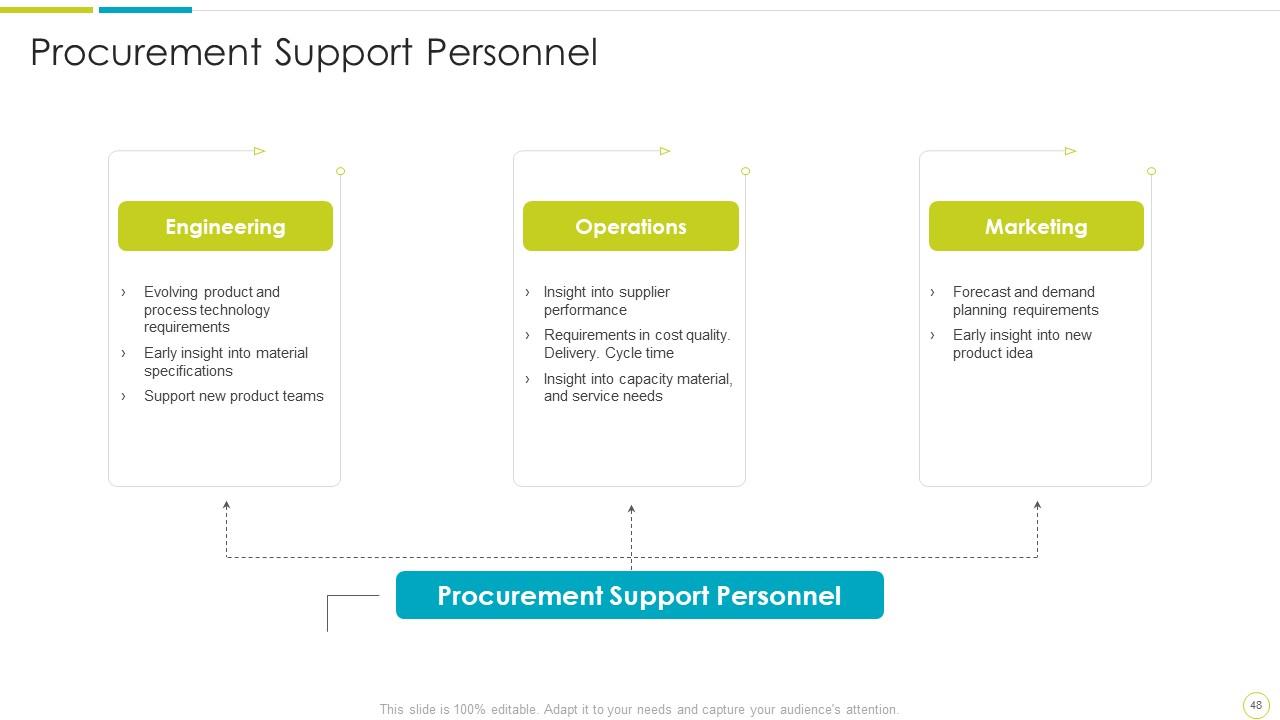
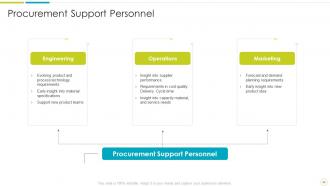
Slide 48: This slide shows Procurement Support Personnel with additional textboxes.
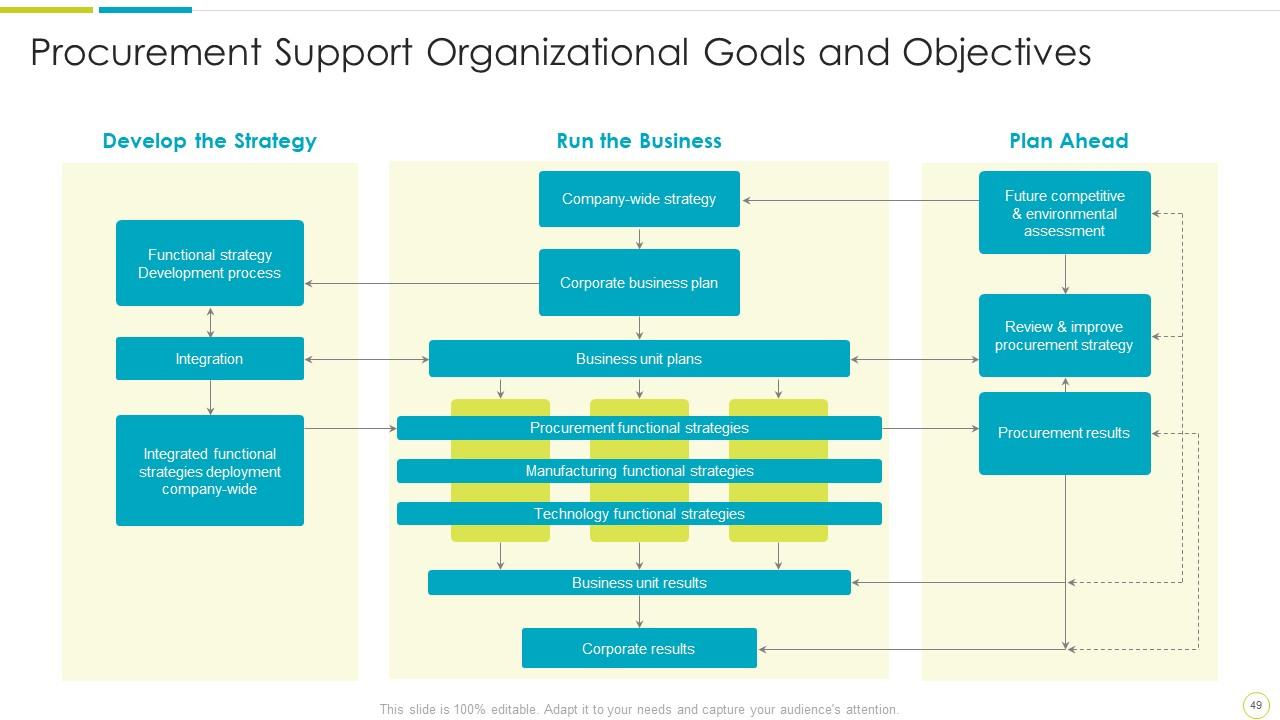
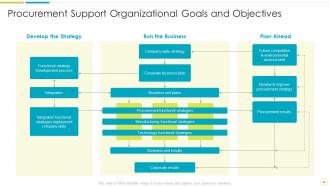
Slide 49: This slide presents Procurement Support Organizational Goals and Objectives.
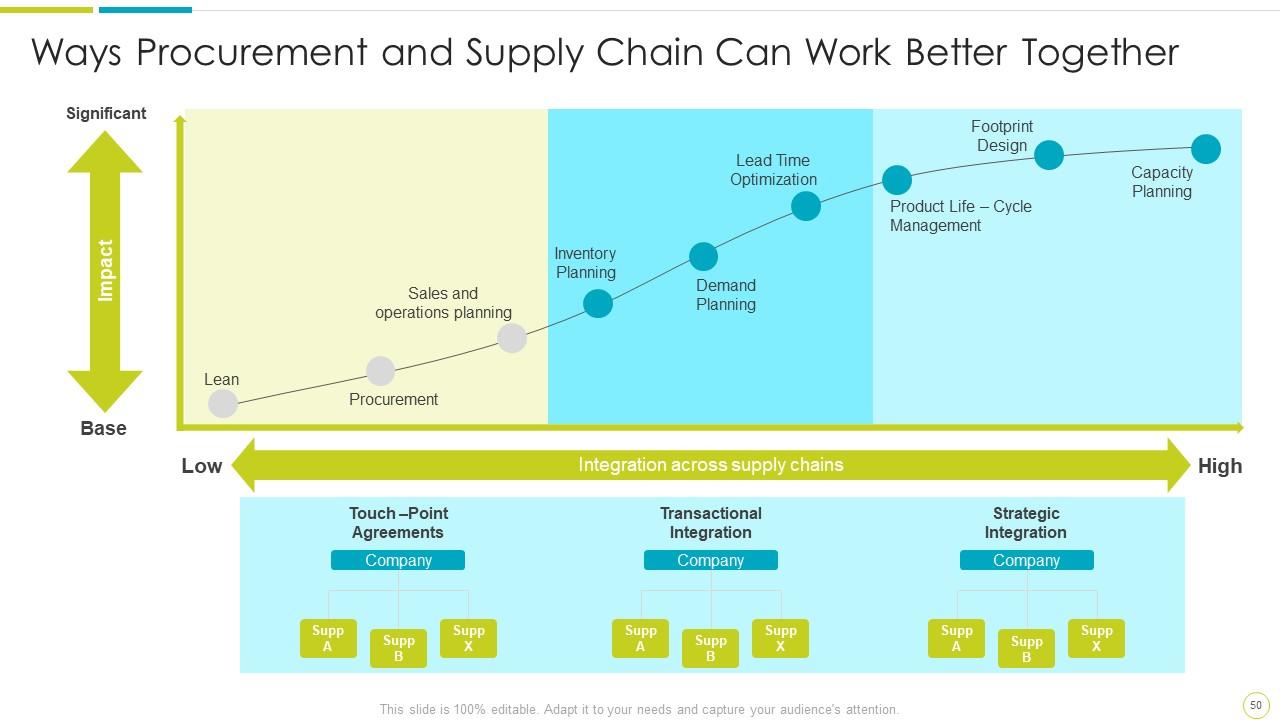
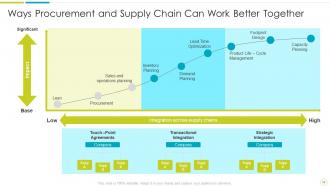
Slide 50: This slide displays Ways Procurement and Supply Chain Can Work Better Together.
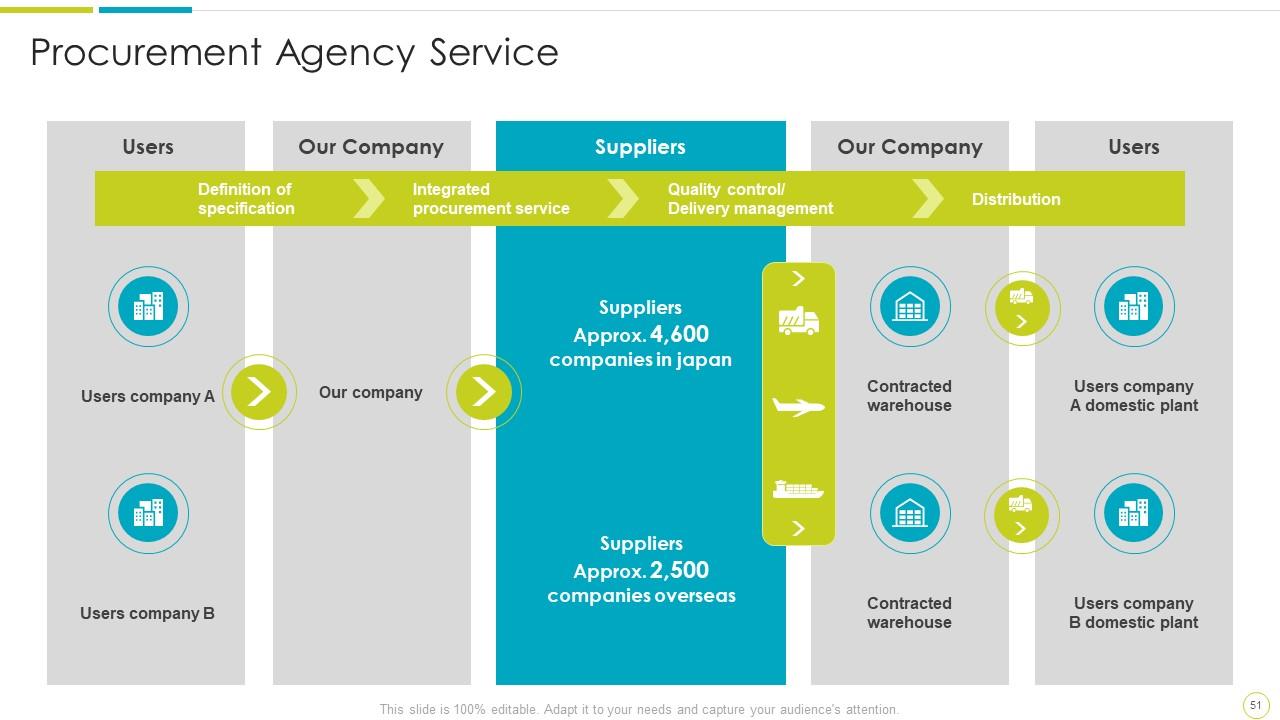
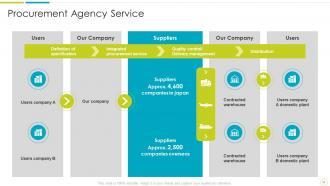
Slide 51: This slide represents Procurement Agency Service.
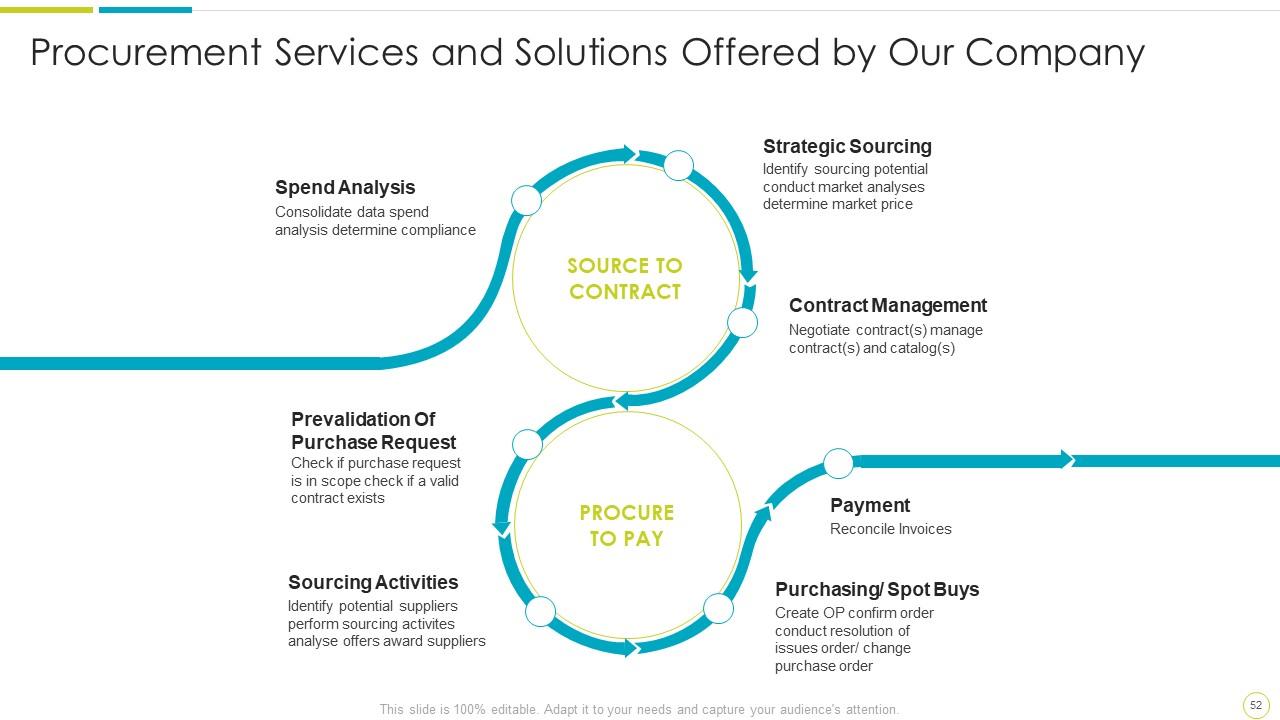
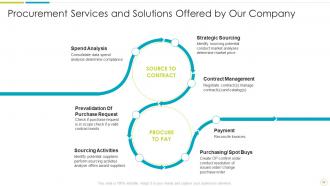
Slide 52: This slide showcases Procurement Services and Solutions Offered by Our Company.
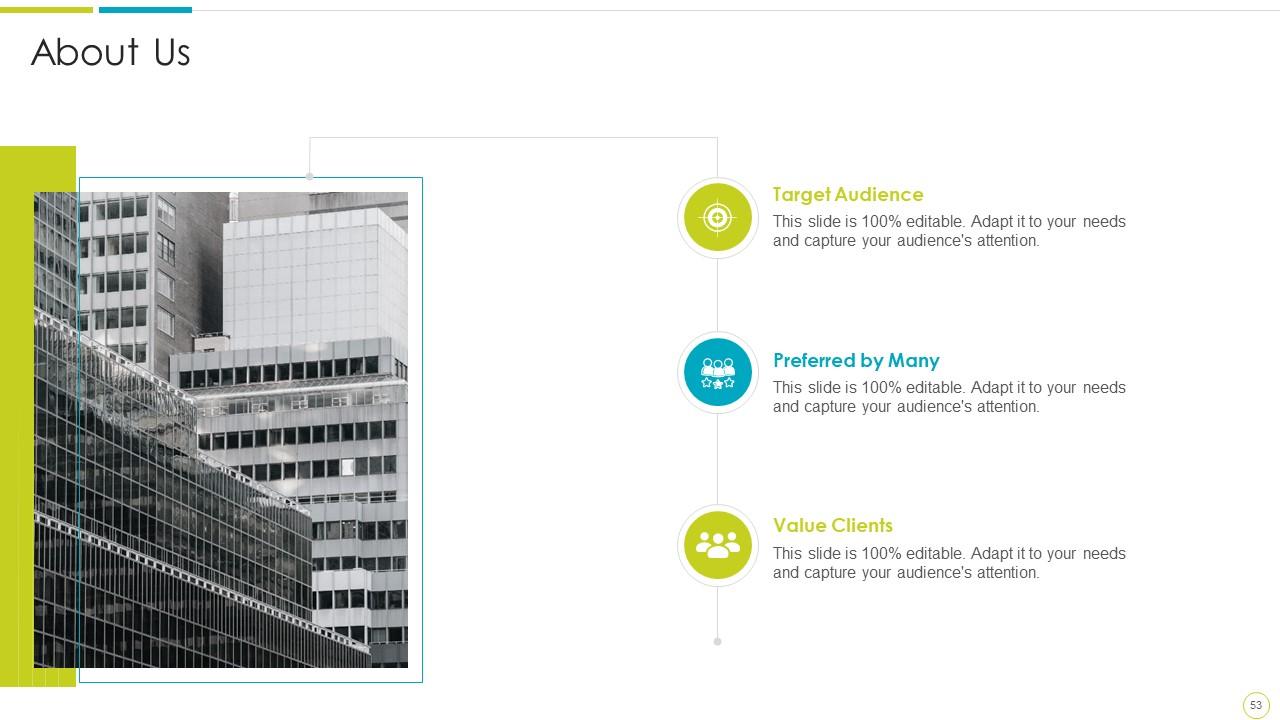
Slide 53: This is About Us slide to show company specifications etc.
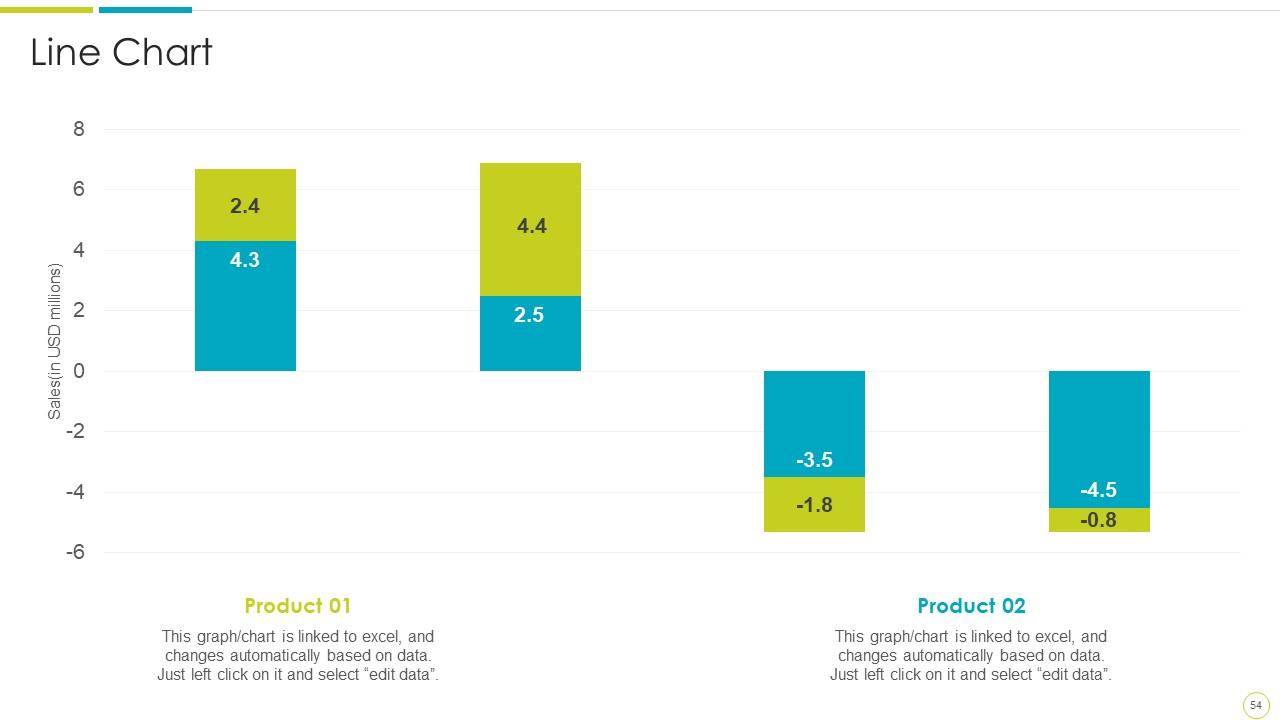
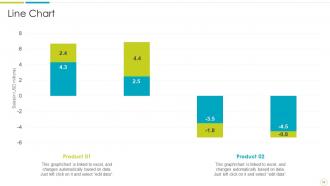
Slide 54: This slide describes Line chart with two products comparison.
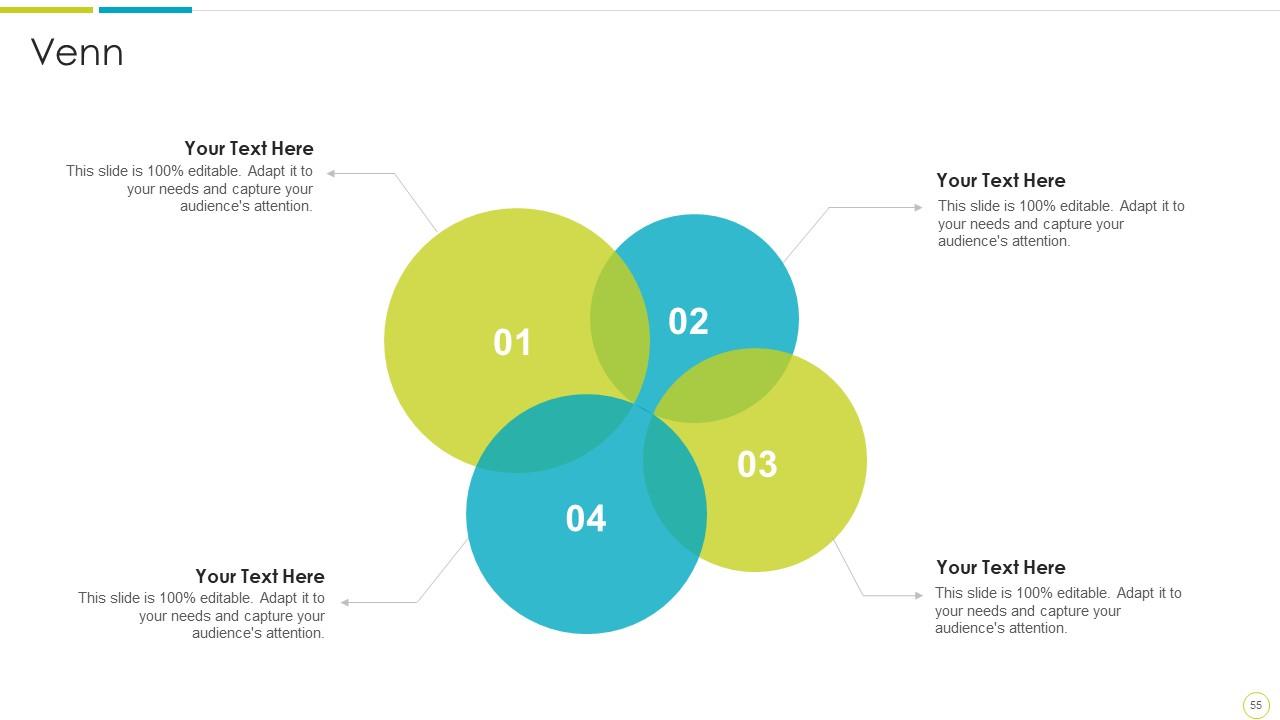
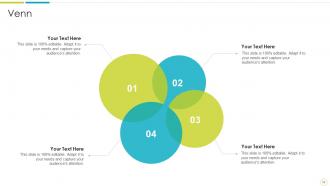
Slide 55: This slide depicts Venn diagram with text boxes.
Slide 56: This slide shows Post It Notes. Post your important notes here.
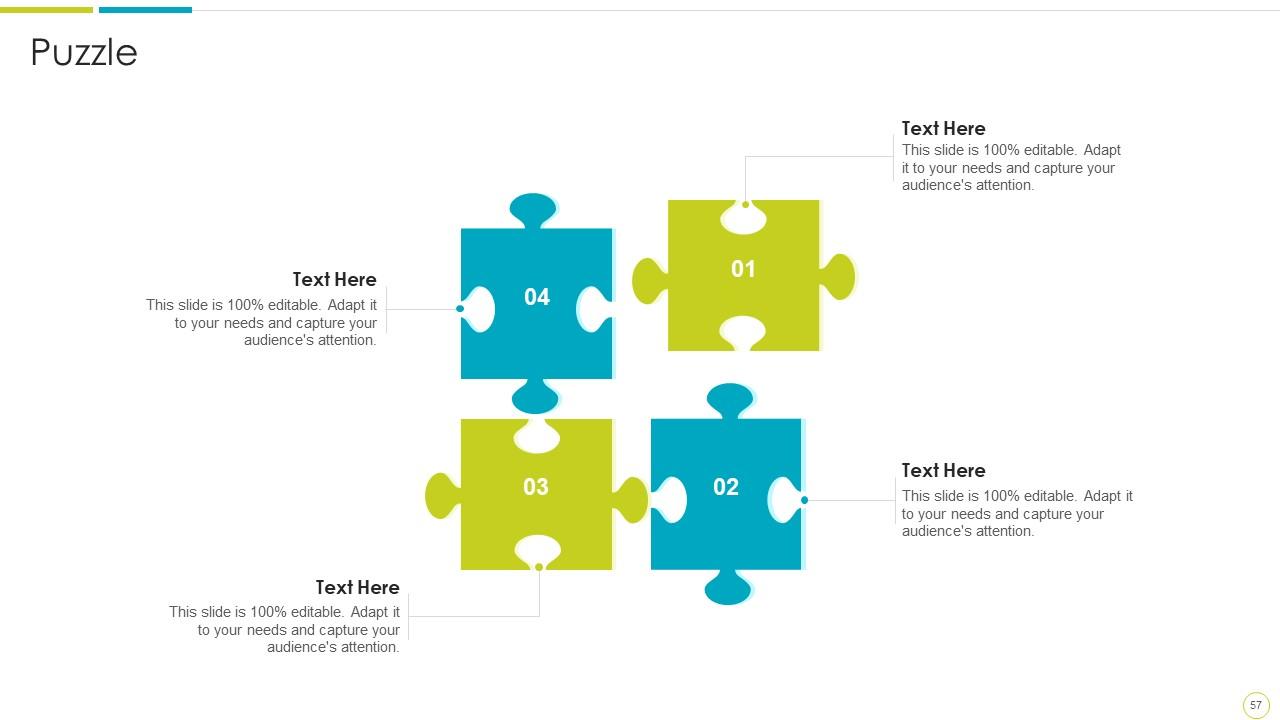
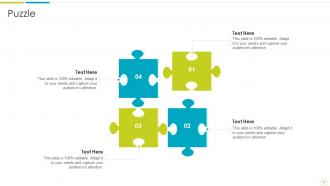
Slide 57: This slide contains Puzzle with related icons and text.
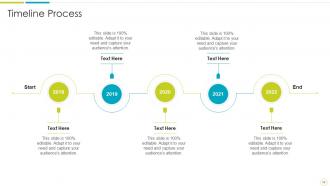
Slide 58: This is a Timeline slide. Show data related to time intervals here.
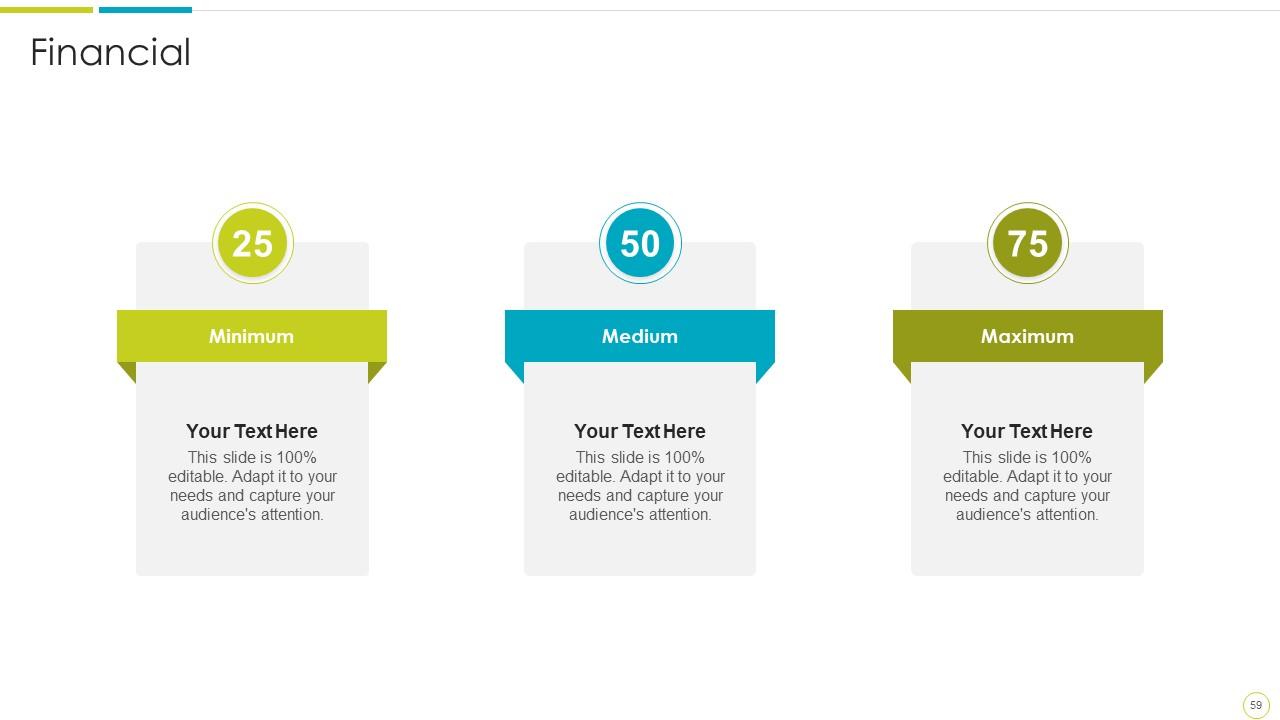
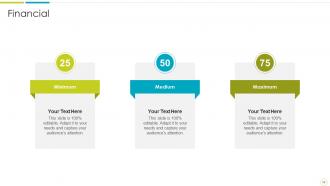
Slide 59: This is a Financial slide. Show your finance related stuff here.
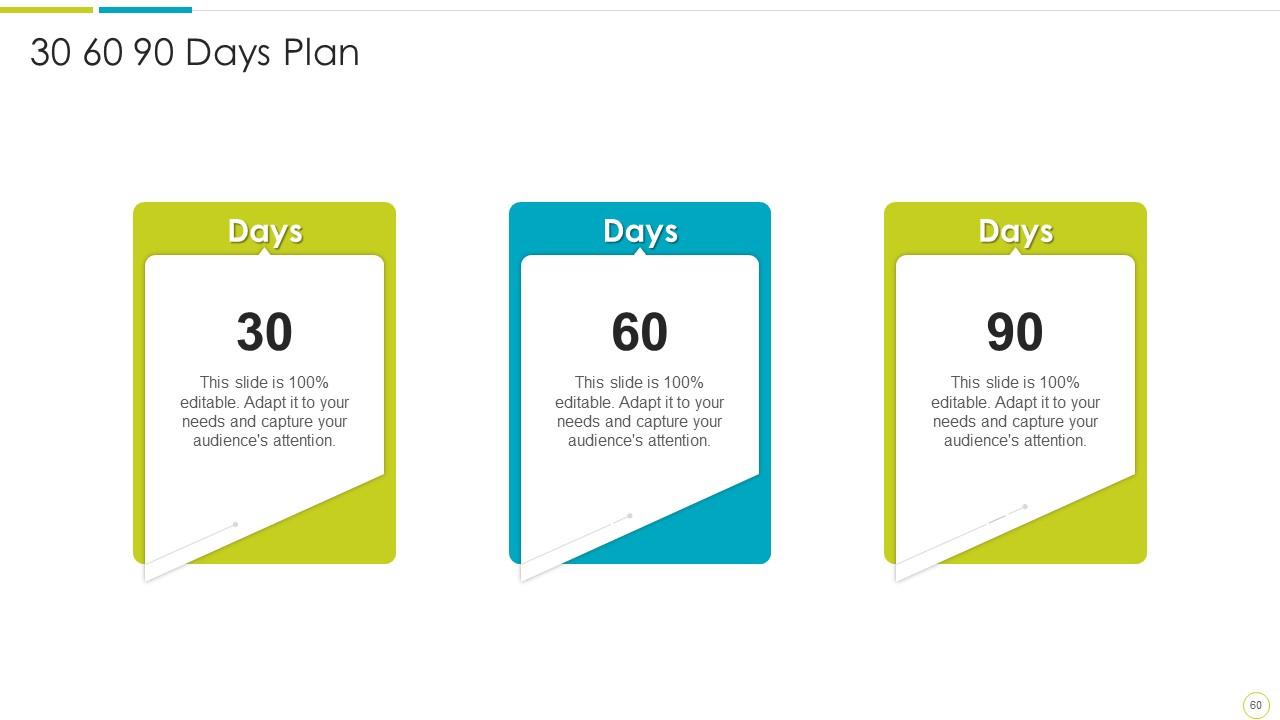
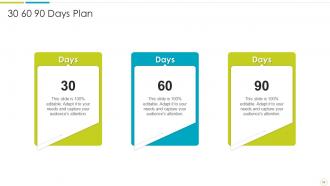
Slide 60: This slide provides 30 60 90 Days Plan with text boxes.
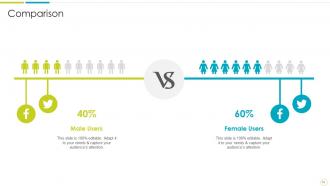
Slide 61: This is a Comparison slide to state comparison between commodities, entities etc.
Slide 62: This is a Thank You slide with address, contact numbers and email address.
Purchasing And Supply Chain Management Powerpoint Presentation Slides with all 67 slides:
Use our Purchasing And Supply Chain Management Powerpoint Presentation Slides to effectively help you save your valuable time. They are readymade to fit into any presentation structure.
-
Thanks for all your great templates they have saved me lots of time and accelerate my presentations. Great product, keep them up!
-
Colors used are bright and distinctive.
